Disclosure: As an Amazon Associate, we earn from qualifying purchases. If you click a link on this page and make a purchase, we may receive a small commission at no extra cost to you.
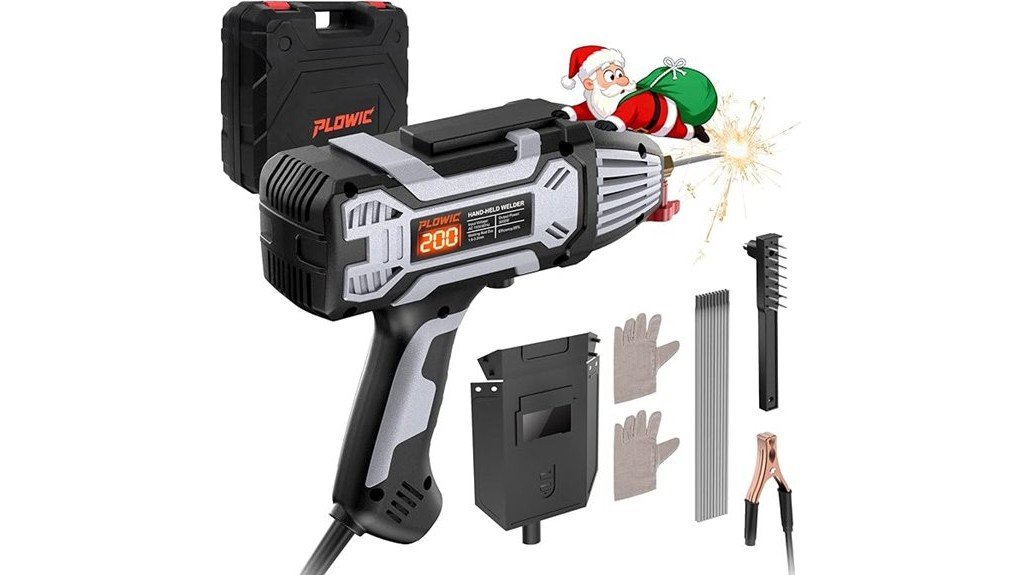
Small welding jobs can be frustrating when your main machine is too bulky, too heavy, or more powerful than the repair needs. The Portable Handheld Welding Machine is built for DIY fixes, light metalwork, and mobile repair tasks where easy handling matters. Its 2.86 lb body, 20 to 200A adjustable range, IGBT inverter system, and built-in safety protections make it more practical for quick jobs than heavy shop fabrication. This review explains where it performs well, where it falls short, and who should choose a larger welding setup instead.
Quick Verdict
Rating: 8/10
Best For: DIY users, small home repairs, light automotive work, portable backup welding
Bottom Line: This portable welder is easy to carry and simple to control for light-duty welding. Its main tradeoff is limited long-run performance compared with full-size shop welders.
| Specification | Detail |
|---|---|
| Product Type | Portable handheld arc welder |
| Technology | IGBT inverter |
| Weight | 2.86 lbs |
| Current Range | 20 to 200A |
| Adjustment | 6 adjustable current levels |
| Display | Digital interface |
| Safety Features | Over-current, over-voltage, overheating protection, auto shutdown |
| Best Use | DIY repair, light auto repair, small metal fabrication, mobile repair kits |
| Safety Note | Requires proper welding helmet, gloves, ventilation, grounding, and cooling breaks during extended use |
What Is the Portable Handheld Welding Machine?
The Portable Handheld Welding Machine is a compact inverter-based arc welder made for mobility-focused repair work. It uses IGBT inverter technology to support steadier arc control in a smaller body than older transformer-style machines.
It is designed for users who need a lightweight welding tool for quick fixes, thin steel repairs, brackets, gates, and light automotive work. The 2.86 lb body makes it easier to carry around a garage, store on a small shelf, or bring along as a backup tool.
The 20 to 200A current range gives you flexibility across smaller repair jobs, but the compact size also creates limits. This is not the right match for long, high-output industrial welding or thick fabrication projects that demand a high duty cycle.
Who Should Buy It?
Best For
- DIY users doing occasional home metal repairs
- Auto repair hobbyists working on light bodywork or small brackets
- Users who need a portable backup welding tool for quick fixes
Skip If
- You need continuous heavy-duty industrial welding
- You regularly weld thick metal at high amperage for long periods
- You want the cleaner process control of a dedicated MIG or TIG setup
Design and Portability
At 2.86 lbs, this welder is much easier to move than a traditional shop welder. That low weight helps when you need to work near a gate, trailer, fence panel, or vehicle instead of bringing the project to a fixed welding bench.
The handheld format also helps in tight spaces where a larger machine and long leads can feel awkward. You still need enough room to work safely, see the weld area clearly, and keep hot metal away from flammable materials.
The compact housing improves storage convenience, but it also means the welder has less thermal mass than larger machines. For longer welds, you should expect cooling breaks and avoid treating it like a full-size industrial unit.
Performance and Arc Stability
The IGBT inverter system is the main performance feature. It helps control output in a compact body, which can make the arc feel more stable during light-duty work when you use the correct settings and technique.
The 20 to 200A range gives you room to adjust heat for thin to moderately thick metal within the tool’s intended use. Lower settings make more sense for thin sheet metal, while higher settings should be reserved for heavier repair work that the machine can safely handle.
Weld quality still depends on your electrode choice, surface preparation, travel speed, and grounding. Clean metal, a stable work angle, and the right current setting matter more with a compact welder because it has less margin for poor setup.
Controls and Ease of Use
The digital interface and 6 adjustable levels make the machine easier to understand than a basic unit with vague dial markings. Newer welders can see the selected output more clearly and make controlled changes as they test scrap metal.
The simple control layout suits quick repair work because you do not need to manage a complex panel. That simplicity is a strength for beginners, but it also means advanced welders may miss the finer adjustment range found on larger professional machines.
Pro Tip: Test the current setting on scrap metal with the same thickness before welding the actual part. Start low on thin material, then raise the setting only if the arc feels weak or the bead sits too high.
Safety and Built-in Protections
This machine includes over-current, over-voltage, overheating protection, and automatic shutdown. These protections help reduce risk during unstable use, but they do not make the tool safe without proper welding habits.
You still need a proper welding helmet, gloves, protective clothing, ventilation, and a safe work area. Remove flammable materials near the weld zone, secure the workpiece, and make sure the ground clamp has clean contact with the metal.
Overheating protection is useful, but it should not be treated as a timer for how hard you can push the machine. If the welder feels hot, the arc becomes inconsistent, or shutdown activates, stop and let the unit cool before continuing.
Before You Buy: This is a light-duty portable welder, not a replacement for industrial MIG or TIG systems used in fabrication shops. Check the manual for input power requirements, electrode compatibility, duty cycle guidance, and safe operating limits before use.
Setup Tips Before First Use
Before your first weld, read the product manual and confirm the correct power input, electrode size, and work clamp setup. A portable welder can still create dangerous heat, bright arc light, fumes, and sparks.
Clean the weld area with a wire brush or grinder before striking an arc. Paint, rust, oil, and dirt can weaken the weld and make the arc harder to control, especially on a smaller machine.
Use scrap metal for practice before repairing a visible or load-bearing part. This lets you check the current level, bead shape, penetration, and travel speed without risking damage to the final workpiece.
How It Performs in Real Use
For Daily DIY Repairs
It works best for small household repairs where portability matters more than speed. Gate tabs, small brackets, thin steel fixes, and similar jobs are practical matches when you prep the metal and choose the right setting.
For Light Auto Repair Work
The compact body is useful around vehicles because you can move it near the work area more easily. It is better suited to light patching and small metal repairs than structural automotive welding that requires professional equipment and inspection.
For Outdoor or Mobile Work
The 2.86 lb weight makes it easier to carry to a fence, trailer, or remote repair area. Outdoor welding still requires wind control, stable footing, safe extension power, and proper fire prevention because sparks can travel farther than expected.
For Long-Term Use
This machine makes the most sense as an occasional-use welder or backup tool. For daily shop production, repeated long beads, or thick fabrication, a larger welder with a higher duty cycle will be more reliable.
Pros and Cons
Pros
- 2.86 lb design makes the welder easy to carry and store
- IGBT inverter system supports steadier arc control for light-duty work
- 20 to 200A range gives you flexibility across small repair tasks
- Digital interface and 6 levels make heat adjustment easier to understand
- Built-in over-current, over-voltage, overheating, and shutdown protections add a helpful safety layer
Cons
- Not suitable for heavy industrial welding or long production runs
- Compact design may require cooling breaks during higher-load work
- Requires correct setup, clean metal, and practice for consistent results
Want a closer look?
Check the current product details before you decide if this portable welder fits your repair work.
Is It Worth the Price?
This portable welder fits the budget-to-mid-range category for users who want basic welding capability without committing to a full shop system. Its strongest value comes from portability, simple controls, and enough output range for common light repair work.
It is a smart buy for everyday use if your projects are occasional, small, and repair-focused. You get the most value if you need a compact welder for a garage, farm kit, mobile repair bag, or backup setup.
It is not the best fit if your work involves long continuous welds, thick stock, or professional fabrication. In that case, spending more on a larger MIG, TIG, or shop-grade inverter welder will make more sense.
How It Compares to Alternatives
Compared with traditional transformer welders, this unit is much lighter and easier to store. That makes it more convenient for small spaces and mobile jobs, but it will not match the long-run durability of a larger machine built for constant use.
Compared with full-size MIG or TIG systems, this portable arc welder keeps the setup simpler and easier to move. MIG may be better for cleaner thin-sheet work, while TIG may be better for high-control welds. This handheld model makes the most sense when portability and basic repair capability matter most.
Frequently Asked Questions
Can this portable welding machine be used outdoors?
Yes, it can be used outdoors when you follow proper welding safety steps. You still need eye protection, gloves, ventilation, stable power, fire control, and shielding from wind when the arc becomes unstable.
What kind of jobs is it best for?
It is best for small repairs, DIY metalwork, light automotive work, brackets, gates, and portable backup welding. It is not meant for heavy fabrication or long production welding.
Is the 20 to 200A range enough for thick metal?
The range gives flexibility for light to moderate repair tasks, but amperage alone does not guarantee thick-metal performance. Duty cycle, electrode choice, joint prep, and machine limits also affect the result.
Is it beginner-friendly?
Yes, the digital interface and 6 adjustable levels make the controls easier to understand. Beginners should still practice on scrap metal first because arc welding needs correct angle, speed, and current control.
Does it overheat easily?
It includes overheating protection and automatic shutdown, but compact welders can still heat up during extended high-load use. Take breaks when needed and follow the duty cycle guidance in the manual.
What safety gear do you need with it?
Use a proper welding helmet, welding gloves, long sleeves, closed-toe footwear, and safe ventilation. You should also keep sparks away from fuel, wood, paper, paint cans, and other flammable materials.
Who should skip this handheld welder?
Skip it if you need professional shop output, long continuous welds, or high-duty-cycle performance. A larger MIG, TIG, or shop-grade inverter welder will be a better fit for those jobs.
The Bottom Line
The Portable Handheld Welding Machine earns its 8/10 rating for light-duty users who want a compact, easy-to-carry welder with IGBT arc control and simple adjustment. It is a good fit for DIY repairs, light auto work, and mobile backup use, but you should skip it for heavy fabrication, thick metal, or long continuous welding sessions.