Disclosure: As an Amazon Associate, we earn from qualifying purchases. If you click a link on this page and make a purchase, we may receive a small commission at no extra cost to you.
Rust, old paint, corrosion, and welding slag can take a lot of effort to remove with a weak brush. The SALI Wire Brushes are made for tougher hand-cleaning jobs where you need firm bristles, a long handle, and better control than a small detail brush can offer. This review looks at the brush materials, 11-inch design, best uses, safety limits, and value so you can decide if they fit your shop, garage, or home toolkit. They are useful for rough cleaning, but they are not the right choice for soft, polished, or easily scratched surfaces.
Quick Verdict
Rating: 8.0/10
Best For: Buyers who need a hand wire brush for rust removal, paint prep, corrosion cleanup, and welding cleanup on durable surfaces.
Bottom Line: The SALI Wire Brushes make sense if you want a sturdy, 11-inch hand brush with carbon steel and stainless steel bristles for heavy cleaning. The main tradeoff is that the bristles are aggressive, so you should skip them for delicate finishes or any surface where scratches would be a problem.
| Specification | Detail |
|---|---|
| Brand | SALI |
| Product type | Handheld wire brush |
| Amazon product ID | B09QPH5JXN |
| Length | 11 inches, based on the product article |
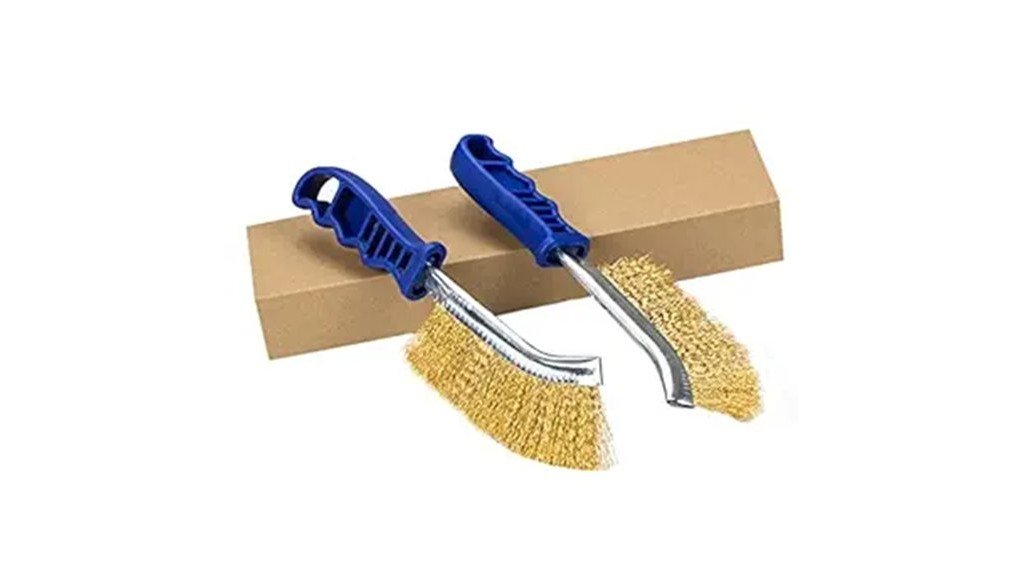
| Handle design | Curved ergonomic plastic handle |
| Bristle materials | Carbon steel and stainless steel bristles |
| Best use | Rust, paint, corrosion, welding slag, machinery, tools, and other durable surfaces |
| Surface caution | Not ideal for soft, polished, coated, or delicate materials |
| Return note | Article states a 30-day refund policy. Check the Amazon listing for current seller terms. |
What Are the SALI Wire Brushes?
The SALI Wire Brushes are handheld cleaning brushes made for tougher surface-prep and cleanup tasks. The article describes them as using carbon steel and stainless steel bristles, which makes them better suited to hard materials than soft finishes.
The 11-inch length gives you more reach than a short detail brush, while the curved plastic handle helps you keep a steady grip during scraping and scrubbing. That combination is helpful when you are cleaning rust from a tool, removing loose paint from metal, or brushing away debris from a weld area.
They are not precision finishing tools. You should treat them as aggressive cleaning brushes for durable surfaces, not as a safe option for glass, soft metals, painted trim, plastic, or any polished surface you want to preserve.
Before You Buy: These brushes are built for tough cleaning, so they can scratch softer surfaces. Test in a hidden area first, and do not use them on delicate finishes unless you are willing to risk visible marks.
Who Should Buy It?
Best For
- You clean rust, paint, or corrosion from metal tools, fixtures, machinery, or outdoor equipment.
- You want a manual brush for garage, welding, maintenance, or household repair work.
- You prefer an 11-inch handle for reach and control instead of a compact detail brush.
Skip If
- You need a brush for polished, decorative, coated, or easily scratched surfaces.
- You want a powered brush attachment for a drill or grinder instead of a hand tool.
- You need verified package count, exact weight, or full warranty terms before buying.
Materials and Build Quality
The main selling point is the bristle setup. The article lists carbon steel and stainless steel bristles, both of which are more suitable for heavy scraping than nylon or soft-bristle brushes. This makes the SALI brushes useful when loose rust, flaky paint, or surface corrosion needs to be broken up by hand.
The curved plastic handle is also important. A straight handle can feel awkward when you need pressure at different angles, but a curved handle can help your hand stay in a more natural position. That matters if you are working across a larger metal panel, cleaning several tools, or brushing a weld area for more than a few minutes.
The article also notes that the bristles are thicker than comparable models. That can improve bite on rough surfaces, but it also increases the chance of scratching. Use the brush with light pressure at first, then increase pressure only if the surface can handle it.
Cleaning Applications and Effectiveness
For rust removal, the SALI Wire Brushes are best used on loose or surface-level rust. They can help expose cleaner metal before painting, coating, oiling, or inspecting a part. They are not a substitute for sanding, grinding, chemical rust treatment, or full restoration when corrosion is deep.
For paint removal, the brushes are most useful on peeling, flaking, or already damaged paint. If the paint is firmly bonded, you may need a scraper, sander, stripper, or powered brush depending on the project. A hand wire brush works best as a prep tool, not as the only tool for a large refinishing job.
For welding cleanup, the bristles can help remove slag, spatter, and surface residue after the work has cooled. Always match the brush to the material and finish you are working on, and follow safe shop practices when cleaning welded metal.
Comfort and Control
The 11-inch length gives you enough handle area to grip the brush without placing your fingers too close to sharp bristles or rough material. It also helps when you need to reach into corners, along brackets, or around hardware.
The ergonomic curve can reduce hand strain compared with a very small brush, but pressure still matters. If you push too hard, your hand may tire faster and the brush may leave deeper marks. Short, controlled strokes usually work better than long, forceful scrubbing.
Pro Tip: Start with light pressure and a shallow angle. If the brush removes debris without gouging the surface, slowly increase pressure until you find the right balance.
Surface Compatibility and Safety
These brushes are best for hard, durable surfaces that can tolerate abrasion. Good use cases include steel tools, metal brackets, grills, machinery parts, outdoor hardware, and other rough surfaces where removing buildup matters more than preserving a perfect finish.
Use caution on aluminum, chrome, stainless trim, painted surfaces, plastics, tile, glass, and decorative metal. The bristles may leave scratches or change the surface texture. When the finish matters, test a hidden spot first or choose a softer brush.
Wear eye protection when brushing rust, paint, or metal debris. Gloves can help protect your hands from sharp edges, loose bristles, and rough workpieces. If you are removing old coatings or dusty buildup, work in a ventilated area and follow the safety guidance for the material you are cleaning.
How It Performs in Real Use
For Rusty Hand Tools
On wrenches, clamps, garden tools, and shop tools, the SALI brush can remove loose rust and dirt quickly. The longer handle helps you apply pressure while keeping your hand away from edges and debris.
For Paint Prep
Before repainting a metal gate, bracket, or outdoor fixture, the brush can help remove flaking paint and surface corrosion. It is most effective during prep work on rough surfaces, not on smooth finishes where scratch marks would stand out.
For Welding Cleanup
After the metal has cooled, the brush can help clean slag, residue, and surface debris from a weld area. It gives you a simple manual option when you do not want to reach for a powered wheel or grinder.
For Outdoor Equipment
On grills, metal patio hardware, lawn equipment, and other outdoor items, the brush can help clear rust and grime from spots that see moisture and wear. Rinse or wipe the surface after brushing so loose debris does not stay trapped on the material.
How to Use It Correctly
First, make sure the surface is stable and the item will not move while you brush. Secure small parts when needed, then brush away from your body using short strokes. This gives you more control and lowers the chance of slipping.
Use the right pressure for the job. For heavy rust, you may need firmer strokes. For painted or coated surfaces, start gently because the brush can remove more material than you expect.
After cleaning, wipe the surface with a cloth, vacuum loose debris, or rinse the area if the material allows it. Let the item dry fully before applying primer, paint, oil, or any protective coating.
Cleaning and Maintenance
After use, tap the brush lightly to remove loose rust, paint chips, or dirt from the bristles. If the brush is wet or has been rinsed, dry it before storage to reduce the chance of corrosion on the bristles.
Store the brush away from children and away from soft items that could snag on the bristles. If the bristles become badly bent, loose, or contaminated with material you do not want to transfer, replace the brush instead of forcing it through another job.
Customer Service and Quality Assurance
The original article states that SALI inspects each brush before packaging and offers a 30-day refund policy. That adds some peace of mind if the product arrives damaged or does not match your expectations.
Exact warranty terms were not verified from a current manufacturer source, so check the Amazon listing and seller details before you buy. Return windows and support terms can vary by seller, stock, and platform policy.
Pros and Cons
Pros
- Carbon steel and stainless steel bristles support tough cleaning on durable surfaces.
- 11-inch length gives better reach and hand clearance than many small detail brushes.
- Curved plastic handle helps with grip and control during longer jobs.
- Useful for rust, paint, corrosion, welding slag, machinery, and household maintenance.
- Simple hand-tool design needs no power, batteries, cords, or setup.
Cons
- Aggressive bristles can scratch soft, polished, coated, or decorative surfaces.
- Not a replacement for powered tools when you need to strip large areas quickly.
- Package count, exact weight, and full warranty terms should be confirmed on the current Amazon listing.
Is It Worth the Price?
The SALI Wire Brushes are worth considering if you need a basic, sturdy hand brush for repeated cleaning jobs around a garage, workshop, or home. Since they do not need power, they are easy to keep in a toolbox for quick rust cleanup, paint prep, or maintenance work.
They offer strong value for the price if you mainly care about durable bristles, an 11-inch handle, and simple manual control. They are not the best fit if you need a finish-safe brush, a fine detail tool, or a powered attachment for large surface areas.
How It Compares to Alternatives
Compared with brass wire brushes, the SALI brushes are likely the more aggressive choice for tougher buildup, while brass may be better when you want a gentler touch on some metals. Compared with nylon abrasive brushes, SALI is better for rough rust and paint cleanup, but nylon is safer when scratch risk matters.
Drill-mounted wire wheels can remove material faster on large projects, but they require a power tool and more setup. The SALI Wire Brushes make the most sense when you want a simple hand brush for controlled cleaning in smaller areas.
Frequently Asked Questions
Are the SALI Wire Brushes good for rust removal?
Yes, they are best suited for loose rust, surface corrosion, and rough cleaning on durable metal. For deep corrosion, you may still need sanding, grinding, rust treatment, or replacement parts.
Can you use them on delicate surfaces?
No, they are not a safe first choice for delicate surfaces. The bristles are made for heavy-duty cleaning and may scratch plastic, soft metal, polished metal, paint, glass, or decorative finishes.
Can the brushes be used outdoors?
Yes, they can be used on outdoor equipment, grills, metal fixtures, garden tools, and hardware. Dry the brush after wet use and store it in a dry place to help protect the bristles.
Are they suitable for welding cleanup?
They can help remove slag, residue, and loose debris after the workpiece has cooled. Use proper shop safety gear and choose the correct brush for the metal and finish you are cleaning.
How should you clean the brush after use?
Tap out loose debris, wipe the handle, and remove trapped material from the bristles. If the brush gets wet, dry it before storage so it is ready for the next job.
Do replacement bristles come with the product?
The source article does not verify replacement bristles or a refill system. Treat the brush as a replaceable hand tool, and check the current Amazon listing if replacement parts matter to you.
Who should skip the SALI Wire Brushes?
Skip them if you need a brush for polished trim, delicate finishes, soft plastics, glass, or any surface where scratches are unacceptable. You may also want a powered wire wheel if you need to strip a large area quickly.
The Bottom Line
The SALI Wire Brushes are a practical buy if you need an 11-inch hand brush for rust, paint, corrosion, welding residue, and general heavy-duty cleanup. Their biggest strength is aggressive cleaning power from firm bristles, while their biggest limitation is the risk of scratching delicate or finished surfaces.
Choose them for garage, workshop, outdoor, and maintenance tasks where durability matters. Skip them if you need a gentle brush, exact verified package details, or a tool for polished surfaces.