Disclosure: As an Amazon Associate, we earn from qualifying purchases. If you click a link on this page and make a purchase, we may receive a small commission at no extra cost to you.
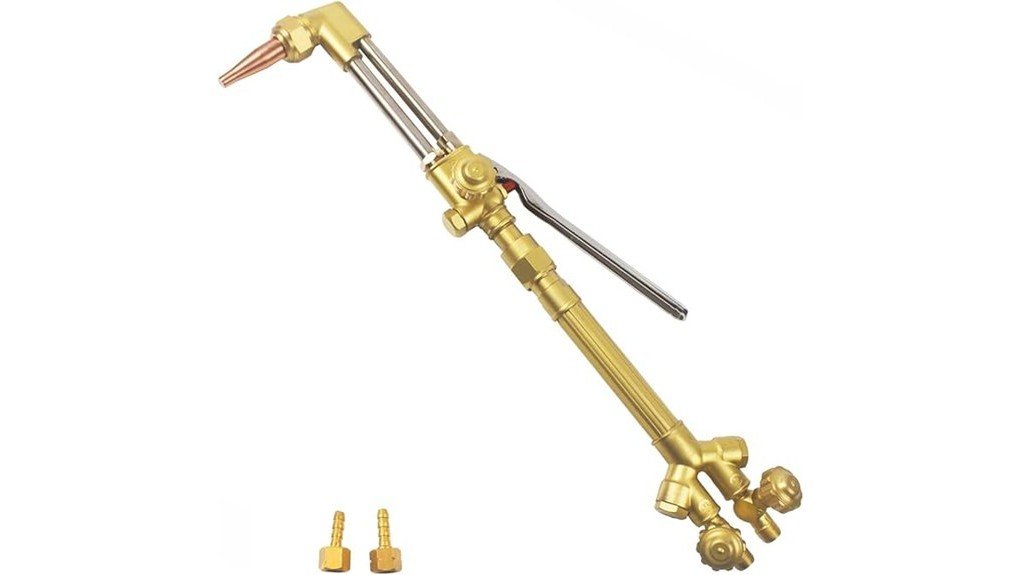
Cutting thick steel safely takes more than a hot flame. You need a torch that fits your gas setup, accepts the right cutting tip, and gives you enough control to keep the cut steady. The JZWELD 300 Series Cutting Torch pairs a CA2460 cutting attachment with a 315FC torch handle and 1-1-101 cutting tip for oxygen-acetylene cutting work. This review helps you decide whether it fits your shop, what you still need to verify before buying, and where its safety and setup limits matter most.
Quick Verdict
Rating: Recommended with caveats, 8/10
Best For: Fabrication users, repair shops, farm shops, and experienced DIY welders who already understand oxygen-acetylene setup
Bottom Line: This JZWELD torch offers a practical heavy-duty cutting layout with a CA2460 attachment, 315FC handle, and included 1-1-101 tip. The main tradeoff is that safe performance depends on correct gas pressure, proper flashback protection, and the right tip for your material thickness.
Key Specifications
| Specification | Detail |
|---|---|
| Brand | JZWELD |
| ASIN | B0CZ32L761 |
| Product Type | Oxygen-acetylene cutting torch outfit |
| Main Components | CA2460 cutting attachment, 315FC torch handle, 1-1-101 cutting tip/nozzle, check valves, and flint striker |
| Material | Brass, heavy-duty stainless steel, and high-strength alloy |
| Color | Gold |
| Item Weight | 1.63 kg |
| Maximum Temperature | 2000°F listed maximum temperature |
| Connection Detail | Outlet nipple and nut listed as 9/16-18 |
| Gas Setup | Designed for oxygen and acetylene cutting use |
| Cutting Capacity Note | Seller-stated cutting range depends on tip size, gas pressure, steel type, and operator setup |
| Best Use | Workshop cutting, fabrication, repair work, dismantling, and heavy steel prep when used with proper safety gear |
What Is the JZWELD 300 Series Cutting Torch?
The JZWELD 300 Series Cutting Torch is a handheld oxygen-acetylene cutting outfit built around a CA2460 cutting attachment and 315FC torch handle. It includes a 1-1-101 cutting tip/nozzle, check valves, and a flint striker, so it gives you the main torch-side components needed for oxy-fuel cutting.
This is not a small hobby torch for thin craft metal. It makes more sense for users cutting steel plate, bolts, brackets, structural pieces, or scrap sections in a controlled shop setting. You still need the correct regulators, hoses, cylinders, PPE, and pressure settings for your gas setup.
The strongest appeal is the familiar 300-series style layout, split design, brass construction, and standard 9/16-18 connection detail. The biggest limitation is that the listing does not turn this into a complete ready-to-cut station by itself, so you need to confirm the rest of your equipment before buying.
Who Should Buy It?
Best For
- Metal fabrication users who already have oxygen-acetylene regulators, hoses, and cylinders
- Repair shops that need a torch handle and cutting attachment for steel cutting jobs
- Experienced DIY welders who understand tip selection, flame adjustment, and gas safety
Skip If
- You need a full beginner kit with regulators, hoses, cylinders, goggles, and storage cart included
- You do not know how to set oxygen and acetylene pressure safely
- You mainly cut thin sheet metal where a lighter tool may be easier to control
Build Quality and Materials
The torch uses brass, heavy-duty stainless steel, and high-strength alloy materials. Brass helps with corrosion resistance and heat handling, while the steel and alloy parts support a tougher shop-use feel.
The CA2460 cutting attachment and 315FC torch handle give the tool a familiar split torch layout. That design helps with storage, setup, and replacement because the handle and cutting attachment are separate components rather than one fixed piece.
The 90-degree solid forged head helps hold the 1-1-101 cutting tip in a stable position. That matters when you are cutting thicker steel because tip movement can make the kerf uneven and waste oxygen.
Setup and Compatibility
This torch connects to oxygen and acetylene equipment and uses an outlet nipple and nut listed as 9/16-18. That connection detail is useful if your current hose setup uses the same thread style, but you should still verify your regulators, hose ends, and local gas fittings before ordering.
The included 1-1-101 cutting tip gives you a starting point for cutting work. The listing also notes that other cutting tip models may be used depending on your needs, so the torch can adapt to different material thicknesses when you choose the correct tip.
Before You Buy: Confirm what comes in the package and what you already own. This listing centers on the torch handle, cutting attachment, tip, check valves, and striker, so do not assume it includes regulators, hoses, gas cylinders, or all required protective equipment.
Cutting Performance and Control
The article-supported cutting range reaches into heavy steel work, but real cutting capacity depends on the tip, oxygen pressure, fuel gas pressure, steel type, and operator skill. Treat any maximum thickness claim as a planning guide, then match your tip and gas settings to the manufacturer’s chart or your shop procedure.
When set up correctly, this torch should suit steel plate prep, dismantling jobs, bracket removal, and general fabrication cuts. The rear-mounted pressure handle switch gives you a clear control point when you need to start or stop the oxygen cutting stream.
You should not expect clean results from the torch alone. A proper preheat, steady travel speed, clean tip orifice, and correct standoff distance all affect cut quality as much as the hardware itself.
Safety and Gas Handling
Oxygen-acetylene cutting creates flame, sparks, molten metal, and gas-related hazards. The included check valves help reduce backflow risk, but they are not a reason to skip required flashback protection, leak checks, ventilation, or PPE.
Before each use, inspect hoses, regulators, torch connections, tip condition, and cylinder valves. Keep oil and grease away from oxygen fittings, secure cylinders upright, and use the torch only in a well-ventilated area away from combustible material.
Beginners should train with an experienced welder or follow a formal shop procedure before using this tool. A cutting torch can become unsafe quickly when the wrong pressure, damaged hose, loose fitting, or blocked tip is ignored.
Ease of Use and Maintenance
The split design makes the torch easier to store than a long one-piece cutting setup. You can attach the CA2460 cutting attachment to the 315FC handle, install the correct tip, connect your hoses, and then complete your normal leak and pressure checks.
Maintenance is simple but important. Keep the cutting tip clean, check the seat for damage, remove slag from the tip face, and store the torch where fittings stay clean and dry.
Pro Tip: Test the flame and cut on scrap steel before working on the final piece. That quick test helps you catch poor gas balance, a dirty tip, or slow travel speed before you damage the workpiece.
How It Performs in Real Use
For Fabrication Work
In a fabrication shop, this torch makes sense for cutting heavier steel parts, trimming plate, or preparing sections before grinding and fit-up. The 1.63 kg weight gives it a solid feel, but longer cuts still require steady hand control.
For Repair and Dismantling
For repair jobs, it can help cut seized bolts, brackets, worn structural pieces, and scrap sections that are difficult to remove mechanically. You should clear nearby fuel, paint, wiring, and hoses before lighting the torch.
For Farm or Garage Shops
In a farm or garage shop, the torch can be useful for occasional heavy cutting when you already own a safe oxygen-acetylene setup. It may be too much tool if your work is limited to thin sheet, small brackets, or light craft projects.
For Training and Supervised Use
For supervised learning, the separate handle and attachment layout can help new users understand how oxy-fuel cutting hardware fits together. It should still be used only with direct instruction because pressure settings and shutdown order matter.
Common Mistakes to Avoid
- Using the wrong tip size: Match the tip to the material thickness instead of relying on one tip for every job.
- Skipping leak checks: Test connections before lighting the torch, especially after changing hoses, regulators, or cylinders.
- Assuming check valves do everything: Use the protective devices required by your torch manufacturer, workplace, and local safety rules.
- Cutting near combustibles: Sparks and slag can travel, so clear the work area before you start.
- Running a dirty tip: A blocked or damaged tip can cause an unstable flame and poor cut quality.
Pros and Cons
Pros
- Verified JZWELD listing with CA2460 cutting attachment and 315FC torch handle
- Includes a 1-1-101 cutting tip/nozzle, check valves, and flint striker
- Brass, stainless steel, and high-strength alloy construction supports shop use
- Split design helps with setup, storage, and component handling
- 9/16-18 connection detail may fit many common oxy-acetylene hose setups
Cons
- Not a complete beginner kit if you still need regulators, hoses, cylinders, and PPE
- Cutting thickness depends on tip size, gas pressure, material, and operator skill
- Not ideal for users who have no training with oxygen-acetylene equipment
Is It Worth the Price?
The JZWELD 300 Series Cutting Torch is worth considering if you need a torch-side cutting outfit and already have the supporting oxygen-acetylene equipment. Its value comes from the included handle, cutting attachment, tip, check valves, striker, and durable material mix.
It is not the best fit if you are shopping for a complete starter package. Buyers who need regulators, hoses, goggles, storage, and a full instruction path may get better value from a complete torch kit instead.
The strongest value is for users who understand gas cutting and want a replacement or upgrade-style torch setup. You get less value if you need a plug-and-play package or if you only cut light metal occasionally.
How It Compares to Alternatives
Compared with lighter medium-duty torch kits, this JZWELD setup makes more sense for buyers focused on heavier steel cutting and a 300-series style handle layout. A smaller 100FC/CA1350-style kit may feel easier for lighter work or users who do not need a heavy-duty cutting attachment.
Compared with full oxygen-acetylene kits, this product is more focused. Full kits may include hoses, regulators, goggles, tips, and a case, while this option is better when you already own compatible shop equipment and only need the torch-side components.
Frequently Asked Questions