Lighting an oxyacetylene torch safely takes more than opening a fuel valve and striking a flame. You need to inspect the equipment, pressurize the system in the correct order, leak-test every connection, purge each hose separately, set the pressure for the installed tip, and create a stable neutral flame before welding, brazing, heating, or cutting.
Quick Answer
To light an oxyacetylene torch safely, inspect and leak-test the system, open the oxygen cylinder slowly and fully, open acetylene about three-quarters of a turn, set tip-specific pressures while purging each hose separately, then ignite acetylene with a striker and add oxygen until the flame is neutral. Follow your torch manual for shutdown order.
Key Takeaways
- Keep cylinders upright and secured, and keep oxygen equipment completely free of oil and grease.
- Use the tip chart in your equipment manual. Never guess regulator pressure from the flame alone.
- Open the oxygen cylinder slowly and then fully. Open the acetylene cylinder about three-quarters of a turn, never more than 1.5 turns.
- Purge oxygen and acetylene separately before lighting, and use a spark lighter rather than matches or a pocket lighter.
- Stop immediately for a gas odor, repeated backfire, a sustained flashback, damaged hoses, or an unstable flame.
At a Glance
| Time Required | About 5 to 10 minutes for inspection, leak testing, purging, lighting, and flame adjustment |
| Difficulty | Intermediate; hands-on instruction is strongly recommended for first-time users |
| Tools Needed | Complete oxyacetylene outfit, correct tip, striker, approved leak-detection solution, tip cleaner, PPE, and fire extinguisher |
| Cost | No added cost when your outfit and PPE are complete; replacement safety devices and consumables vary by system |
Essential Safety Checks for Oxyacetylene Use
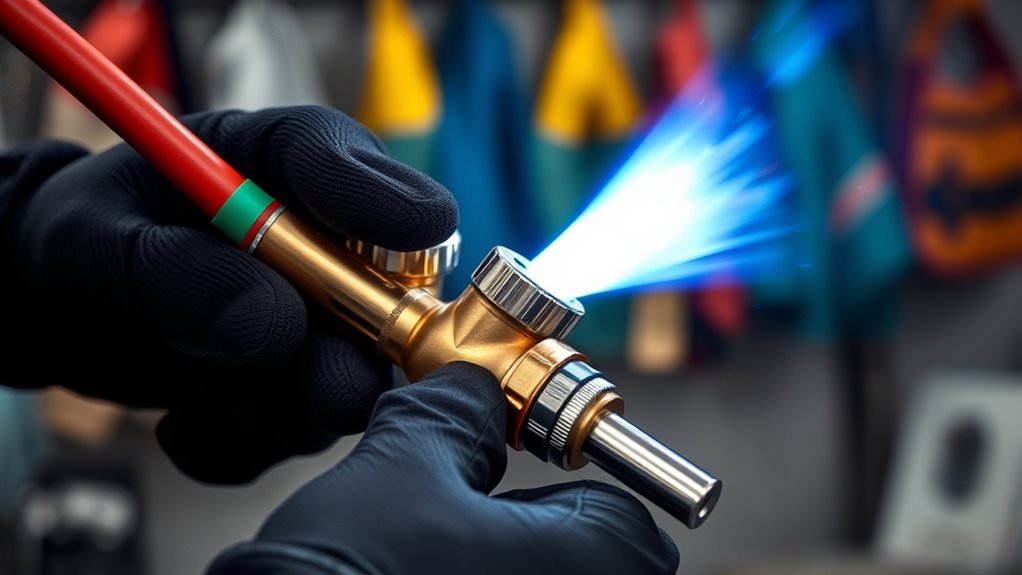
Complete a full safety check before you pressurize the outfit. The OSHA oxygen-fuel gas standard requires careful cylinder handling and warns that oxygen cylinders, valves, regulators, hoses, and fittings must stay free of oily or greasy substances.
- Secure both cylinders upright. Keep them away from sparks, hot slag, flame, and traffic that could knock them over.
- Keep oil and grease away from oxygen equipment. Do not handle oxygen valves or fittings with oily hands or gloves.
- Inspect the torch and hoses. Replace cracked, burned, cut, blistered, or badly worn hose. Check tip seats, O-rings, fittings, and valves for damage.
- Verify safety devices. Use reverse-flow check valves or flashback arrestors in the locations and combinations specified by the torch manufacturer. A check valve limits reverse flow; a flashback arrestor is designed to stop flame propagation.
- Clear the hot-work area. Remove or shield combustible material. OSHA uses 35 feet as an important fire-prevention distance when sparks or slag could reach combustibles.
- Ventilate the area. Good airflow reduces fume exposure and prevents combustion gases from collecting. Never take oxygen or acetylene cylinders into a confined space.
Wear welding gloves, flame-resistant clothing, sturdy leather footwear, and suitable welding eye protection. OSHA lists minimum filter shades by task: shade 4 for light gas welding, shade 5 for medium gas welding, shade 6 for heavy gas welding, and shades 3 to 5 for oxygen cutting depending on plate thickness. Use side protection and follow the higher shade recommendation in your equipment or workplace procedure.
Test the assembled system with an approved oxygen-compatible leak-detection solution or oil-free soap and water. If bubbles form, close the cylinder valves, release pressure safely, and repair or replace the leaking part before continuing. Proper ventilation to mitigate toxic fumes remains important during welding and cutting.
Warning: Never use a flame to find a gas leak. Never use oxygen to blow dust from clothing or equipment, and never let oxygen contact oil, grease, or other petroleum products.
What You’ll Need Before Lighting the Torch
Gather the safety gear and torch parts before gas starts flowing. A prepared setup prevents rushed adjustments near an open flame.
- Oxyacetylene torch handle with the correct welding, heating, brazing, or cutting attachment
- Correct tip for the material thickness and task
- Oxygen and acetylene cylinders secured upright
- Gas-specific regulators and compatible oxygen and acetylene hoses
- Manufacturer-approved check valves or flashback arrestors
- Spark lighter or striker
- Approved oxygen-compatible leak-detection solution or oil-free soap and water
- Tip cleaner sized for the installed tip
- Welding gloves, task-appropriate shaded eye protection, flame-resistant clothing, and sturdy footwear
- Clean, well-ventilated work area with combustibles removed or shielded
- Suitable, inspected fire extinguisher within reach
Estimated total time: Plan for about 5 to 10 minutes to inspect, leak-test, purge, light, and adjust the torch before work begins.
Products Worth Considering

Powerful Flame Temperature Heat up to 5252°F (2900°C)

Complete Kit: Ideal for HVAC & Light Duty Brazing - Designed specifically for light-duty brazing and welding jobs, this kit is your go-to tool for HVAC repairs, metal crafts, and other precision tasks. Its portable design is perfect for on-the-go professionals

Multiple Application - Oxygen acetylene torch kit can be used for various types of welding and cutting, such as surface hardening portable welding and metal heating processes, rivet cutting, etc. Precision welding, cutting, brazing, soldering, hand facing and more! It'll cut up to 6" and weld or braze up to 1/2 " with appropriate tips
Understand the Controls Before You Start
The cylinder valves control the gas supply. The regulator adjusting screws control delivery pressure. The torch valves control gas flow at the handle or attachment. Do not use a torch valve as a substitute for setting the regulator correctly.
Pressure requirements change with the torch model, tip style, tip size, hose length, and task. Use the manufacturer’s tip chart, not a generic pressure copied from another outfit. Keep acetylene delivery pressure below 15 psig under all conditions.
Note: A cutting attachment often has a separate preheat-oxygen valve and cutting-oxygen lever. Its lighting procedure can differ from a one-piece welding or heating tip, so identify your controls before opening gas.
Set Up, Pressurize, and Purge the System
The original lighting sequence begins only after the outfit has been assembled, pressurized, leak-tested, and purged. The following sequence follows common oxyacetylene practice and Miller’s published setup guidance, but your equipment manual remains the final authority.
- Close both torch valves. Back both regulator adjusting screws out until they turn freely and no spring pressure remains.
- Check the cylinder outlets and regulator connections. Keep every oxygen connection clean and oil-free. Attach the correct regulator to each cylinder and tighten it as the manufacturer directs.
- Connect the hoses and safety devices. Confirm oxygen and fuel connections go to the correct ports. Do not force mismatched threads.
- Install the correct torch tip or cutting attachment. Inspect the seating surfaces and tip orifices before assembly.
- Open the oxygen cylinder slowly. Stand to the side of the regulator, not in front of it. After the regulator pressurizes, open a standard double-seat oxygen cylinder valve fully.
- Open the acetylene cylinder slowly. Open it about three-quarters of a turn so you can close it quickly. OSHA says never more than 1.5 turns.
- Leak-test every connection. Apply approved leak solution to the cylinder, regulator, hose, safety-device, torch, and attachment joints. Remove the system from service if tightening does not stop a leak.
- Set oxygen pressure while oxygen flows. Open the torch oxygen valve slightly, turn the oxygen regulator screw in until the tip chart’s working pressure appears, let oxygen purge the hose, then close the torch valve.
- Set acetylene pressure while acetylene flows. Open the torch fuel valve slightly, set the manufacturer’s working pressure, purge the fuel hose separately, then close the valve. Never purge both gases at the same time.
- Recheck the gauges and work area. Confirm stable delivery pressure, correct hose routing, clear escape access, and no source of ignition near the cylinders.
Pro Tip: Purge time depends on hose length and manufacturer instructions. A few seconds may be enough for a short shop hose, but long hoses require more time to replace the gas inside completely.
Step-by-Step Guide to Lighting the Torch
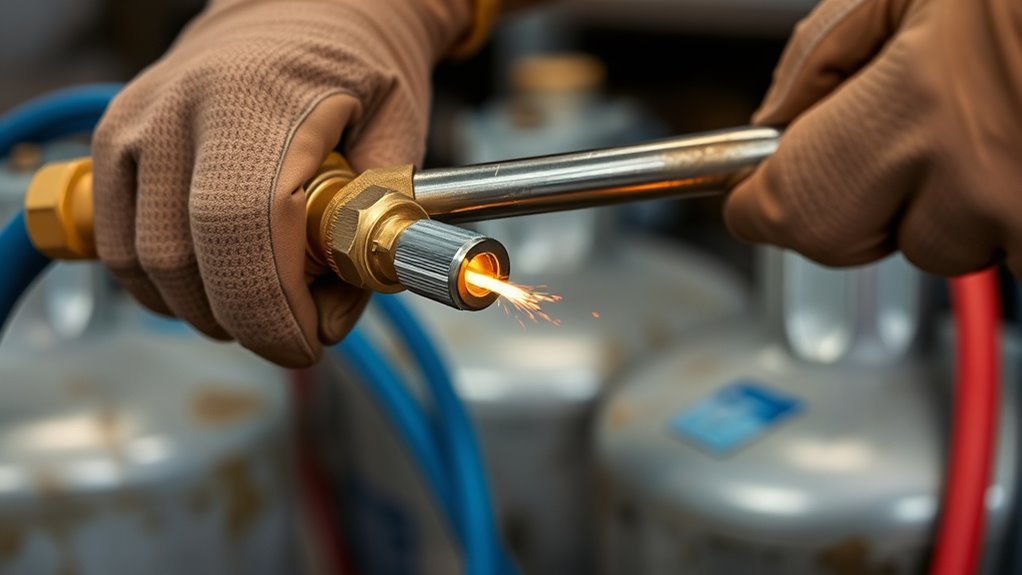
Lighting an oxyacetylene torch requires a careful order. Keep the tip pointed away from people, cylinders, hoses, and combustible material. Hold the striker in front of the tip while keeping your body to the side.
Lighting a Welding, Brazing, or Heating Tip
- Confirm the system is pressurized, leak-free, and purged. Both torch valves should be closed before ignition.
- Open the acetylene torch valve slightly. Start with a small flow rather than a large rush of fuel.
- Ignite the acetylene with a spark lighter. Never use matches, a cigarette, or a pocket lighter.
- Adjust the acetylene flame. Increase fuel gradually until the flame burns steadily and heavy black smoke disappears. Do not let the flame lift far from the tip.
- Open the oxygen valve gradually. Add oxygen slowly. The yellow flame will shorten and turn blue.
- Set a neutral flame. Stop adding oxygen when the acetylene feather disappears and the inner cone becomes sharp and well defined.
- Check flame stability. The flame should remain attached to the tip without popping, sputtering, or changing shape.
As you work, monitor the flame and make small corrections. A properly balanced flame supports steadier heat, better bead appearance, and more consistent penetration.
Lighting a Cutting Attachment
Cutting attachments differ. On many combination torches, you fully open the oxygen valve on the torch handle, then use the attachment’s preheat-oxygen valve to adjust the preheat flame. Do not press the cutting-oxygen lever while lighting. Follow the exact sequence printed in the manual for your handle and attachment.
Warning: If the flame goes inside the tip with a sharp pop, whistle, or squeal, close the torch valves immediately. If you can do so safely, close the cylinder valves, let the equipment cool, and inspect it before relighting.
Adjust Your Flame for Best Performance
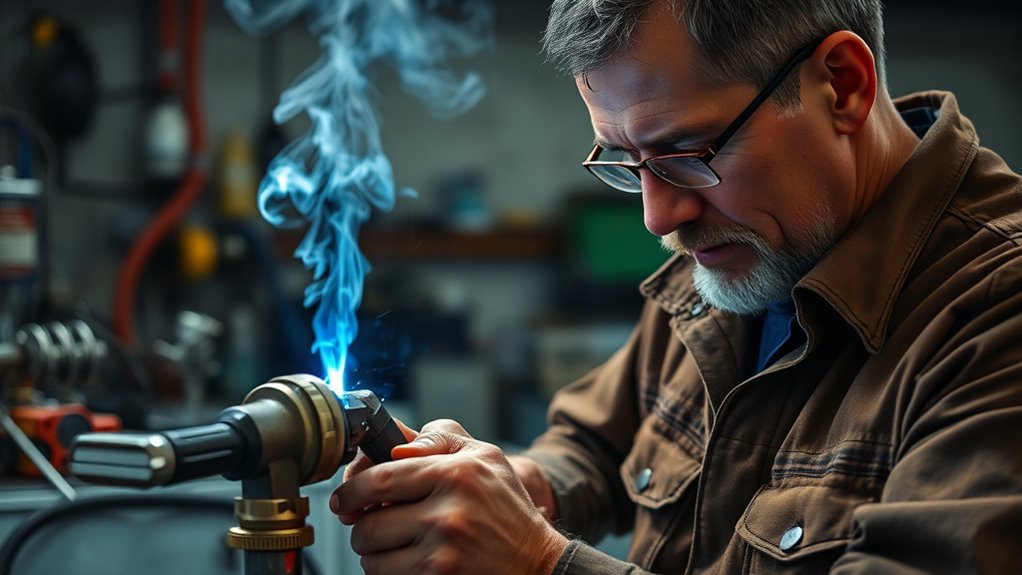
For most oxyacetylene welding on mild steel, you want a neutral flame. It gives balanced oxygen and acetylene at the tip and limits unnecessary oxidation or carbon pickup.
| Flame Type | What It Looks Like | What It Means |
| Neutral | Sharp light-blue inner cone with no visible acetylene feather | Balanced flame used for most mild-steel welding and general heating |
| Carburizing | A distinct whitish acetylene feather extends beyond the inner cone | Excess acetylene; used only when the process or material specifically calls for it |
| Oxidizing | Short, pointed inner cone with a sharper sound | Excess oxygen; can oxidize many weld metals and should not be used unless the procedure requires it |
A correct flame starts with the correct tip and flowing pressure. Do not compensate for an undersized tip by opening the valves farther or increasing pressure beyond the manufacturer’s chart.
Choose the tip and flame size for the workpiece. Larger tips suit thicker material and heating jobs, while smaller tips give better control on thin metal. Proper fillet weld sizing also supports joint quality when the torch is used for welding.
Check the flame’s color, sound, and shape during the job. If gas pressure, torch temperature, or tip condition changes, stop and correct the cause rather than chasing the flame with large valve movements.
Common Problems and Solutions for Oxyacetylene Torches
Even with careful setup, an oxyacetylene torch can develop flame or cutting problems. Change one variable at a time and stop whenever the symptom suggests a leak or flashback.
- Flame blows out: Confirm the correct tip, flowing pressure, and gas supply. Do not simply raise pressure beyond the tip chart.
- Smoky flame: Increase acetylene flow slightly before adding oxygen, or add oxygen gradually as you move toward a neutral flame. Heavy smoke after adjustment can point to poor fuel flow or a dirty tip.
- Flame lifts from the tip: Gas velocity may be too high, the tip may be damaged, or the pressure may be wrong.
- Slag does not clear: Confirm the steel has reached kindling temperature, the cutting-oxygen stream is clean, the tip is correct, and travel speed is steady before increasing cutting oxygen.
- Wide or rough cut: Correct torch height, travel speed, tip size, and tip cleanliness. Avoid overheating the cut line.
- Frequent backfire: Stop and check tip cleanliness, tip-to-work distance, pressure, loose tip seating, overheating, and low gas flow.
Strong ventilation in confined spaces is not enough by itself. OSHA requires cylinders to remain outside confined spaces, with additional ventilation, rescue, and monitoring controls as applicable.
Products Worth Considering

【Save Your Time and Convenience】Will you be troubled by some small spaces that cannot be cleaned up? Our welding tip cleaner tools can just solve your troubles. 13 cleaning lines with different diameters, 10 cleaning needles with different diameters, 5 nylon brushes with different widths, and 1 pointed pick. This spray gun cleaning kit can easily help you clean up the corners that trouble you,making your work easier.
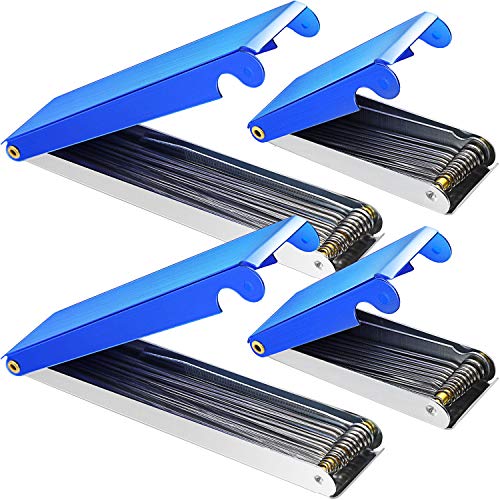
What You Will Get: 2 pieces 5 inches (130 mm) and 2 pieces 3 inches (75 mm) tip cleaners; Each welding tip cleaner includes 13 wire files in different lengths, which can meet your different need; All includes a flat file

What You Will Get: 6 pieces 5 inches (130 mm) and 6 pieces 3 inches (75 mm) tip cleaners; Each welding tip cleaner includes 13 wire files in different lengths, which can meet your different need; All includes a flat file
Backfire Versus Flashback
As ESAB explains in its oxy-fuel safety guidance, a backfire is a momentary pop when the flame briefly enters the tip and usually goes out or relights at the tip. A flashback is more serious: the flame continues burning inside the tip, torch, or hose and may produce a whistle or squeal. For either condition, close the torch valves immediately. For a sustained flashback, shut the cylinder valves if it is safe, move away, let the system cool, and have the equipment inspected before reuse.
Pro Tip: Clean the torch tip with the correct-size tip cleaner before blaming the regulators. An enlarged or damaged orifice can be as unsafe as a blocked one, so never force an oversized cleaner through the opening.
How to Safely Shut Down Your Torch
Shut down the oxyacetylene torch in a controlled sequence. Torch-valve order is manufacturer-specific. Victor and ESAB procedures commonly close the oxygen torch valve first and then the acetylene valve, while other equipment manuals may specify a different order. Follow the manual for your exact torch.
- Extinguish the flame using the specified torch-valve order. Close each valve gently. Do not overtighten it.
- Close both cylinder valves. Close the oxygen cylinder, then the acetylene cylinder, unless your manual directs otherwise.
- Bleed the oxygen line separately. Open the oxygen torch valve until both oxygen gauges read zero, then close the valve.
- Bleed the acetylene line separately. Open the fuel torch valve until both fuel gauges read zero, then close the valve.
- Back out both regulator adjusting screws. Turn them counterclockwise until spring pressure is released.
- Confirm the system is off. Make sure the torch valves are closed, regulator gauges read zero, and the hot workpiece is marked or isolated.
- Store the outfit securely. Coil hoses without sharp bends and keep the torch, tips, and regulators clean and protected.
Wear proper protective clothing during setup, use, and shutdown. Regular maintenance of the torch, hoses, regulators, fittings, check valves, and flashback arrestors supports safer future operation.
Acetylene Pressure and Cylinder Withdrawal Limits
Two different limits matter. First, never use acetylene at a pressure above 15 psig. Second, keep the gas withdrawal rate within the cylinder supplier’s limit so liquid solvent does not enter the regulator, hose, or torch.
The familiar 1/7 rule is an older rule of thumb. Harris Products Group notes that current CGA guidance uses a more conservative 1/10 of cylinder capacity per hour for intermittent use, with an even lower rate for continuous full-cylinder withdrawal. Check the supplier label and current manual for your cylinder. If a large heating tip needs more flow, use a larger cylinder or a properly designed manifold rather than exceeding the withdrawal limit.
When to Stop and Get Professional Help
Stop using the torch if you hear repeated popping, a sustained whistle or squeal, smell gas, see damaged hoses, notice a regulator that creeps upward, find a leak that tightening does not stop, or cannot keep a stable flame. Close the gas supply if you can do so safely, ventilate the area, and move away from ignition sources.
Ask a trained welding professional, gas supplier, or authorized equipment technician to inspect the outfit before you use it again. Do not keep adjusting a torch that may have a leaking valve, damaged regulator, restricted tip, failed safety device, or flashback damage.
Frequently Asked Questions
How do you properly adjust an oxy-acetylene torch?
Use the correct tip and set both regulator pressures while gas flows. Light a small acetylene flame with a striker, increase acetylene until it burns steadily without heavy smoke, then add oxygen slowly until the acetylene feather disappears and a sharp neutral inner cone remains.
What is the correct way to light an oxy-acetylene torch?
Inspect, assemble, pressurize, leak-test, and purge the outfit first. Open the fuel valve slightly, ignite acetylene with a spark lighter, stabilize the fuel flame, then add oxygen until the flame becomes neutral. A cutting attachment may require a different control sequence, so follow its manual.
What is the 1/7 rule for acetylene?
The 1/7 rule is an older limit on how quickly gas should leave an acetylene cylinder. Harris Products Group reports that newer CGA guidance uses a more conservative 1/10 of cylinder capacity per hour for intermittent use. Follow the current supplier and equipment instructions for your cylinder.
How do you adjust the flame on a torch?
Make small valve changes. Begin with a stable acetylene flame, then add oxygen until the inner cone is clear and the acetylene feather disappears. If the cone becomes very short and the flame sounds harsh, reduce oxygen because the flame has become oxidizing.
Why does my oxyacetylene torch pop or backfire?
Common causes include a dirty or damaged tip, low gas flow, incorrect pressure, loose tip seating, an overheated tip, or holding the tip too close to the work. Stop and inspect the system if popping repeats. A sustained whistle or squeal can signal flashback and requires immediate shutdown.
Should the oxygen cylinder valve be fully open?
For a standard oxygen cylinder with a double-seat valve, open it slowly and then fully. This seats the valve correctly and provides full flow. Follow the cylinder supplier’s instructions if your valve design differs.
Can you light an oxyacetylene torch with a cigarette lighter?
No. Use a purpose-built spark lighter or striker. A match or pocket lighter places your hand too close to the tip and can ignite leaking or accumulated gas.
Safety Disclaimer: This article is for informational purposes only and does not replace hands-on training from a qualified welding instructor or safety professional. Follow your equipment manual, gas supplier instructions, workplace rules, and local safety requirements before using an oxyacetylene torch.
Conclusion
A safe oxyacetylene setup starts with inspection, correct regulator setup, leak testing, separate hose purging, and the right lighting order. Build the flame slowly and confirm a stable neutral cone before you weld or cut.
Use the same care during shutdown. Follow the manufacturer’s torch-valve order, close both cylinders, bleed each hose separately, back out the regulator screws, and stop work whenever the torch behaves unsafely. With hands-on training and consistent habits, you can improve torch control while reducing fire, leak, and flashback risks.
Sources
- OSHA 29 CFR 1910.253: Oxygen-Fuel Gas Welding and Cutting — cylinder handling, oil and grease restrictions, valve opening, and acetylene pressure limits
- OSHA 29 CFR 1910.252: General Welding and Cutting Requirements — fire prevention, PPE, ventilation, and confined-space controls
- OSHA 29 CFR 1910.133: Eye and Face Protection — minimum filter shade guidance for gas welding and oxygen cutting
- Miller: 10 Steps for Safe Oxy-Fuel Torch Setup — check valves, flashback arrestors, cylinder opening, leak testing, pressure setting, and purging
- ESAB: Proper Torch Shutdown — torch shutdown, line bleeding, and storage
- Harris Products Group: What Is the 1/7 Acetylene Rule? — updated acetylene cylinder withdrawal guidance