Disclosure: As an Amazon Associate, we earn from qualifying purchases. If you click a link on this page and make a purchase, we may receive a small commission at no extra cost to you.
Building a safe, stable 18650 battery pack depends on more than the cells you choose. You also need the right connector material, correct spacing, and a clean weld that can handle current without adding unnecessary resistance. The SUIDI Pure Nickel Strip is made for DIY battery pack welding where you want real nickel instead of cheaper nickel-plated steel. This review explains its verified specs, best use cases, safety limits, and whether it makes sense for your battery project.
Quick Verdict
Rating: 8/10 (Recommended with caveats)
Best For: DIY 18650 battery pack builders, hobby spot welding setups, small battery repair projects, and custom e-bike or tool battery layouts
Bottom Line: The SUIDI Pure Nickel Strip gives you verified 99.96% nickel material in a useful 2P layout for 18650 pack welding. It is a strong pick if you already have the right spot welding tools, but it is not a safe shortcut for solder-only battery work.
| Specification | Detail |
|---|---|
| Brand | SUIDI |
| Model | 0.15x23x18.5mm |
| Product Type | Pure nickel strip for battery welding |
| Design | 2P nickel strip layout for cylindrical battery cells |
| Material | 99.96% pure nickel |
| Thickness | 0.15 mm |
| Width | 23 mm |
| Cell Spacing | 18.5 mm |
| Length | 2 meters, about 6.6 feet |
| Item Weight | 2.18 ounces |
| Package Dimensions | 5.16 x 3.11 x 1.69 inches |
| Item Package Quantity | 1 |
| Compatibility | Primarily for 18650 battery pack spot welding |
| Batteries Included | No |
| Manufacturer | Shenzhen Hong Yang Technology Co., Ltd |
| Best Use | DIY battery packs, small tests, repairs, experiments, and custom cell connections |
| Safety Note | Use with proper spot welding equipment and battery safety practices |
What Is the SUIDI Pure Nickel Strip?
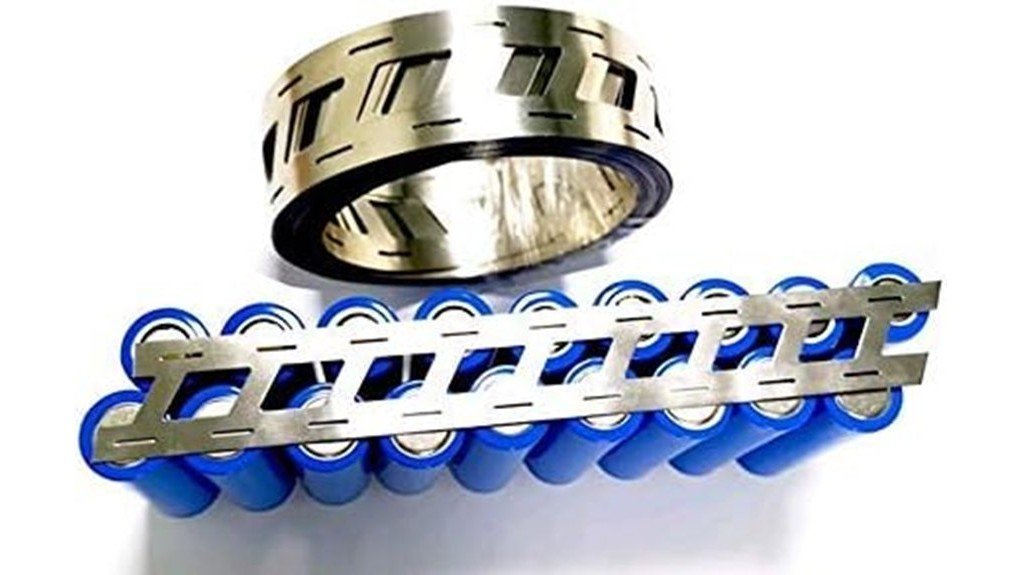
The SUIDI Pure Nickel Strip is a 2P nickel connector strip made for spot welding cylindrical battery cells, especially 18650 lithium battery packs. The verified size is 0.15 mm thick, 23 mm wide, and spaced at 18.5 mm, with a 2-meter roll length for cutting custom sections.
Its main job is to connect battery cells in series or parallel using spot welds. That matters because battery pack connections need low resistance, clean contact, and enough material strength to stay stable through normal vibration and charge cycles.
The listing identifies the strip as 99.96% pure nickel, not nickel-plated steel. That makes it more appealing for battery builders who care about corrosion resistance and predictable current flow.
Who Should Buy It?
Best For
- DIY builders making small 18650 lithium battery packs
- Hobbyists using a battery spot welder with pulse control
- Repair users who need a 2P nickel strip layout with 18.5 mm spacing
- Projects where corrosion resistance matters more than the lowest material cost
Skip If
- You do not have a proper battery spot welder
- Your pack layout needs a different strip width or cell spacing
- You need pre-cut tabs instead of a roll you cut yourself
- You are not comfortable working safely around lithium battery cells
Key Features and Build Quality
99.96% Pure Nickel Material
The biggest reason to choose this SUIDI strip is the material. Pure nickel is preferred over nickel-plated steel in many battery builds because it resists corrosion and helps maintain stable conductivity between cells.
The product page also notes that nickel has weak magnetic properties. A weak magnet response alone does not prove a strip is fake, so you should not judge purity by magnet testing only.
0.15 mm Thickness
The 0.15 mm thickness sits in a practical range for many small 18650 pack builds. It is thin enough for hobby spot welders to work with, but still gives more connection area than very narrow tabs.
Your actual current capacity depends on the pack design, strip path, weld quality, and how many parallel strips you use. Do not assume one strip layout fits every high-drain battery build.
23 mm Width and 18.5 mm Spacing
The 23 mm width gives you broad contact across a 2P cell layout. The 18.5 mm spacing is useful when your cells and holders match that layout, but it can become a problem if your battery holder uses different spacing.
Before buying, compare the strip pattern against your actual cell holder, pack plan, or existing battery layout. A small spacing mismatch can lead to poor contact or awkward bends.
2-Meter Roll Format
The 2-meter roll gives you room to cut custom lengths for small repairs, prototypes, and test packs. This is more flexible than fixed short tabs when you are still planning a layout.
The tradeoff is that you must cut, deburr, and place each section cleanly. Rough edges can create fit issues or increase the chance of accidental contact inside a pack.
Before You Buy: This strip is not a complete battery-building kit. You still need a proper spot welder, safe cells, insulation, correct pack design, and the right protection electronics for your battery project.
Compatibility and Safety
This SUIDI nickel strip is mainly designed for 18650 battery pack spot welding. It may also fit other cylindrical cell projects only when the cell spacing, layout, current path, and welding method match your design.
Do not treat the nickel strip as a replacement for a battery management system, insulation rings, fish paper, fusing, or safe pack design. It only creates the electrical and physical connection between cells.
You should also avoid direct soldering onto lithium cells with a standard soldering iron. Excess heat can damage cells, and poor solder joints can create resistance, heat, or failure points.
How It Performs in Real Use
For 18650 Battery Packs
The strip makes the most sense for 18650 pack layouts where the 2P pattern lines up cleanly with the cells. When welded with the right pulse setting, it can create stable tabs for series or parallel connections.
For DIY E-Bike Battery Projects
For e-bike battery packs, the material quality is useful, but design matters more than the strip alone. High-current packs may need multiple strips, wider current paths, or a different nickel layout based on the pack builder’s plan.
For Power Banks and Portable Packs
In smaller power bank or portable battery projects, the 2-meter length helps you cut only what you need. This reduces waste when you are testing a few layouts instead of building many identical packs.
For Repairs and Small Experiments
The strip works well for controlled repairs where you are replacing similar nickel tabs. It is less ideal when you need a pre-shaped strip or when the old pack used a different spacing or current path.
Installation and Usage Tips
Spot Welding Setup
Use a spot welder designed for battery tabs and start with conservative pulse settings. Test on scrap material first so you can check weld strength without overheating a live cell.
A good weld should hold firmly without burning through the strip or leaving excessive discoloration. Weak welds can loosen under vibration, while overheated welds can damage the battery cell.
Cutting and Handling
Cut the strip with clean metal snips and remove sharp corners where needed. Keep the strip flat so it sits evenly against the cell terminals before welding.
Handle the strip with dry, clean tools. Oil, dirt, or oxidation on the contact surface can make welds less consistent.
Common Mistakes to Avoid
Do not bridge positive and negative terminals while measuring or positioning the strip. Also avoid stacking random strip layers without understanding how the current will move through the pack.
If you are new to lithium battery work, practice on safe scrap material and study battery pack safety before touching live cells. A nickel strip can only perform well when the full pack design is safe.
Pro Tip: Match the 18.5 mm spacing to your cell holder before ordering, then make a paper template of the pack layout before cutting the nickel strip.
Pros and Cons
Pros
- 99.96% pure nickel material supports stable conductivity and corrosion resistance
- 0.15 mm thickness works with many hobby battery spot welders
- 23 mm width gives useful contact area for 2P cell layouts
- 2-meter length gives flexibility for small custom builds and tests
- Verified listing notes batteries are not included, which helps set clear expectations
Cons
- Requires proper spot welding equipment and safe battery handling
- 18.5 mm spacing may not match every holder or pack layout
- Roll format requires careful cutting and placement
- Not enough by itself for a complete or protected battery pack
Need a pure nickel strip for your next 18650 build?
Is It Worth the Price?
The SUIDI Pure Nickel Strip sits in the practical DIY category. It is worth considering if you build small 18650 packs and want verified pure nickel material instead of taking a chance on nickel-plated steel.
You get the most value if you already own a spot welder and need a 2P strip layout with 23 mm width and 18.5 mm spacing. The 2-meter length also helps when you want enough material for several small tests or repairs.
It is not the best fit if you only need one tiny repair, do not have welding equipment, or need a different pre-cut tab shape. In those cases, a pre-cut strip kit or professional battery repair service may make more sense.
How It Compares to Alternatives
Compared to nickel-plated steel strips, the SUIDI pure nickel strip is the better choice when corrosion resistance and electrical consistency matter. Nickel-plated steel may cost less, but it can add more risk in higher-drain or long-term battery projects.
Compared with pre-cut nickel tabs, this roll gives you more layout flexibility but requires more careful measuring and cutting. Compared with wider industrial nickel strip, it is easier for many hobby welders to handle, but it may not suit every high-current pack design.
Frequently Asked Questions
Can this SUIDI nickel strip be soldered instead of welded?
Spot welding is the better method for this type of battery strip. Direct soldering onto lithium cells can add too much heat and may damage the cell or create an unsafe connection.
Is this strip real pure nickel?
The listing identifies it as 99.96% pure nickel. It also notes that nickel can have weak magnetic properties, so a magnet response alone should not be your only test.
What battery size is it mainly made for?
It is mainly made for 18650 battery pack welding. The 2P design, 23 mm width, and 18.5 mm spacing should match your pack layout before you buy.
Does the package include batteries?
No. The listing states that batteries shown in product images are for display only, so you are buying the nickel strip, not battery cells.
How long is the nickel strip?
The strip length is 2 meters, which is about 6.6 feet. That gives you enough material for small tests, repairs, and custom cuts.
Will it work for e-bike battery packs?
It may work for e-bike battery packs when the strip size and layout match the pack design. For high-current packs, you should confirm the full current path, weld plan, insulation, and battery management setup before building.
How should you store unused nickel strip?
Store it in a dry place away from moisture, dust, and loose metal parts. Keeping the surface clean helps improve weld consistency when you use it later.
Who should not buy this nickel strip?
Skip it if you need a plug-and-play battery kit, a solder-only solution, or a strip with different spacing. It is also not a good choice if you are not prepared to follow safe lithium battery handling practices.
The Bottom Line
The SUIDI Pure Nickel Strip is a dependable choice for DIY builders who need 99.96% pure nickel material for 18650 spot welding projects. Its best strengths are the verified nickel material, 2-meter roll length, and practical 2P layout, while its main limitation is that it requires the right welding tools and pack design.
Buy it if you know your cell spacing and already have a safe spot welding setup. Skip it if you need a complete battery kit, pre-cut tabs, or a solder-based repair option.