Quick Answer
The best small welding shop hacks solve repeat problems: holding parts, controlling heat, organizing hardware, and keeping sparks contained. Start with a simple tubing jig, copper backing for thin metal, stop tabs for repeat cuts, and magnetic trays for small parts.
Key Takeaways
- Use jigs and stop tabs when you need square, repeatable parts.
- Use copper backing to support thin metal and reduce burn-through.
- Keep magnets away from the weld arc when arc blow could affect bead control.
- Control sparks and dust before you start grinding near tools or flammable items.
- Practice each hack on scrap before you use it on finished work.
Warning: Welding and grinding can cause burns, eye injury, fire, fumes, and electric shock, so use proper personal protective equipment and follow your tool manuals.
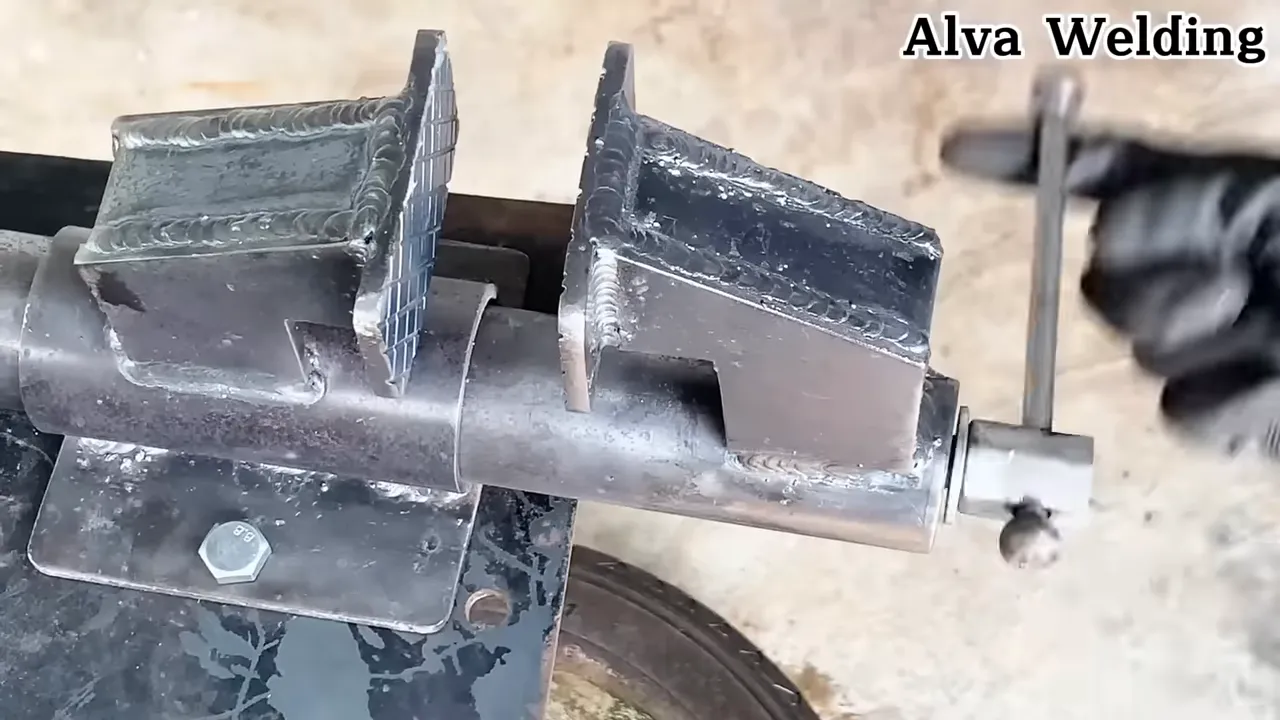
1. Clamp and jig for holding square and round tubing 🔩
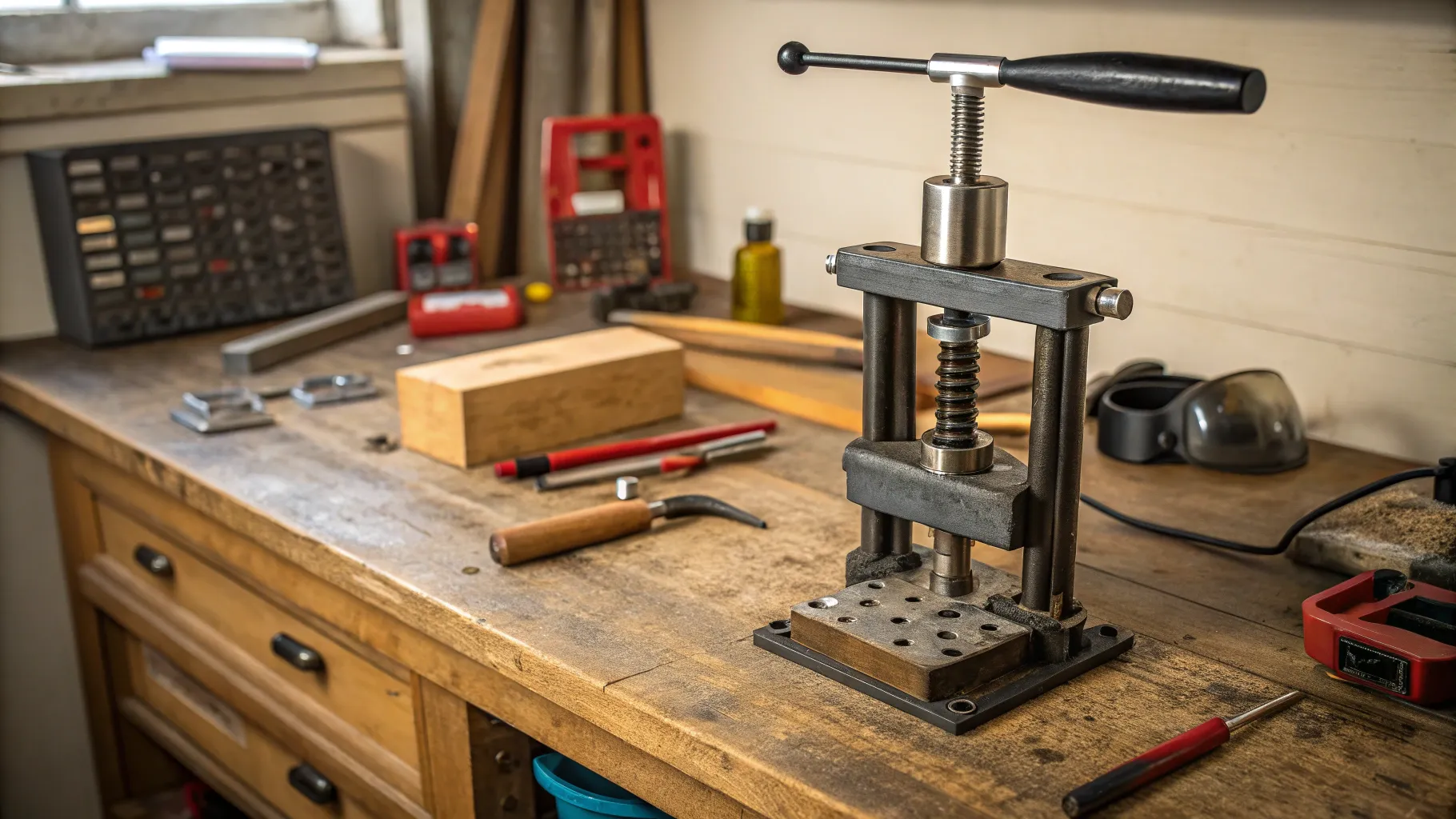
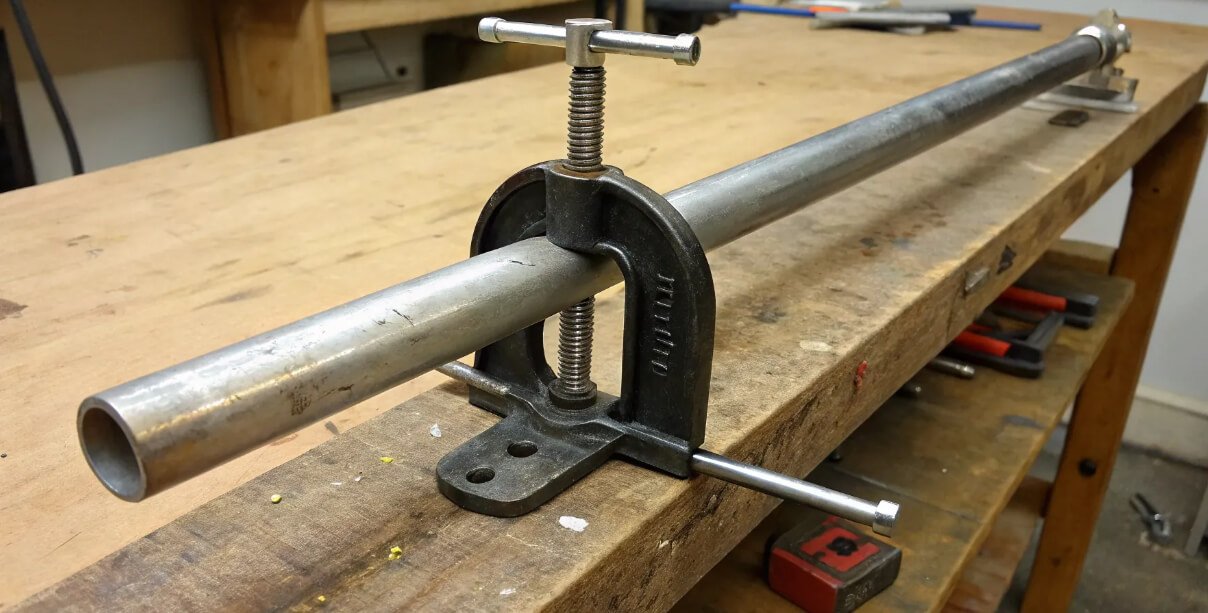
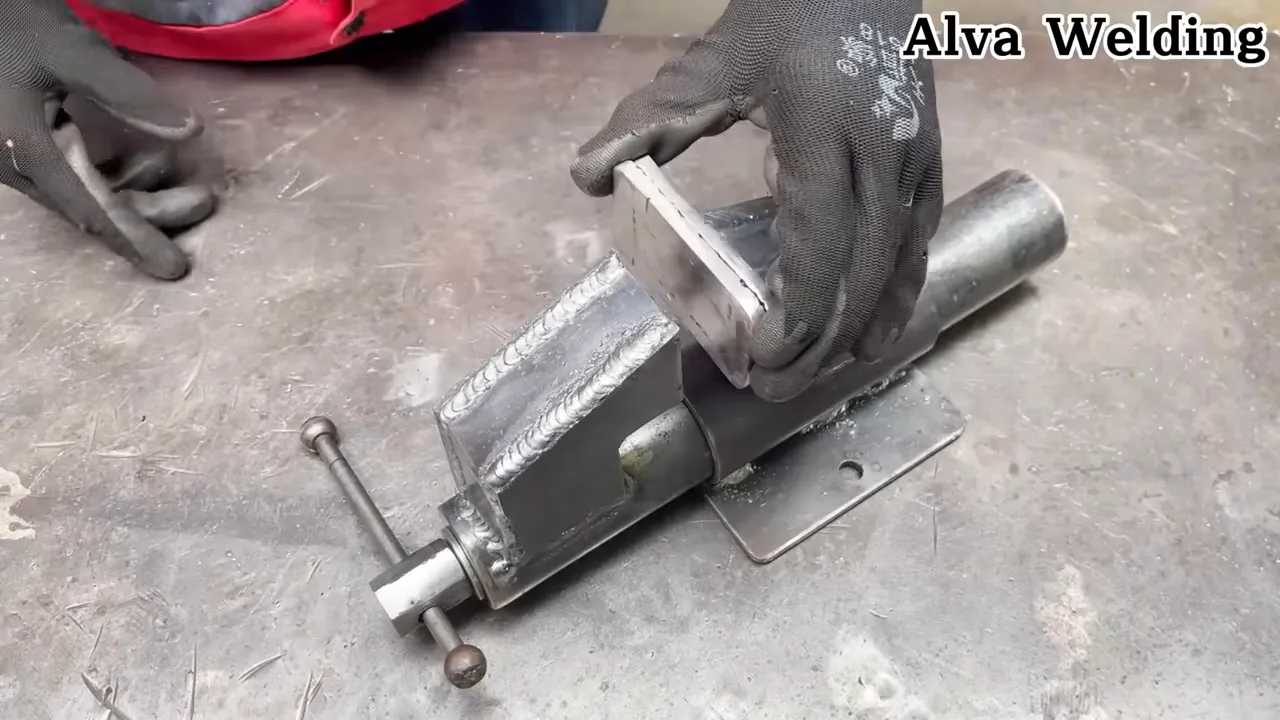
Holding round or square tubing steady when you tack or weld can be frustrating. Build a lightweight, adjustable clamp/jig from scrap steel so it grips both shapes and keeps parts aligned for repeatable welds.
Materials
- Flat bar and a short threaded rod
- Two small plates for jaws
- Wing nut, standard nut, or wrench
How to use it
- Cut two matching jaw plates and weld them to a short flat bar so they close around the tubing.
- Drill holes and thread a rod through the plates so the jaws tighten with a wing nut.
- Adjust the jaw faces for square or round stock, then clamp the workpiece before tacking.
Tips
- Line the jaws with copper, aluminum, or leather to protect finished surfaces.
- Avoid rubber near the weld zone because heat and sparks can damage it.
- Make two matching jigs when you need mirrored parts.
Products Worth Considering

Package Content: 5 x Flow Control Hose Clamp. For Tube Outside Diameter: 6-12mm/ 1/4" - 1/2".

Material: The tubing clamps is made of high quality pom plastic, not easy to corrode, good elasticity, durable and not easy to be damaged
2. Magnetic socket and bit holder from old magnets 🧲
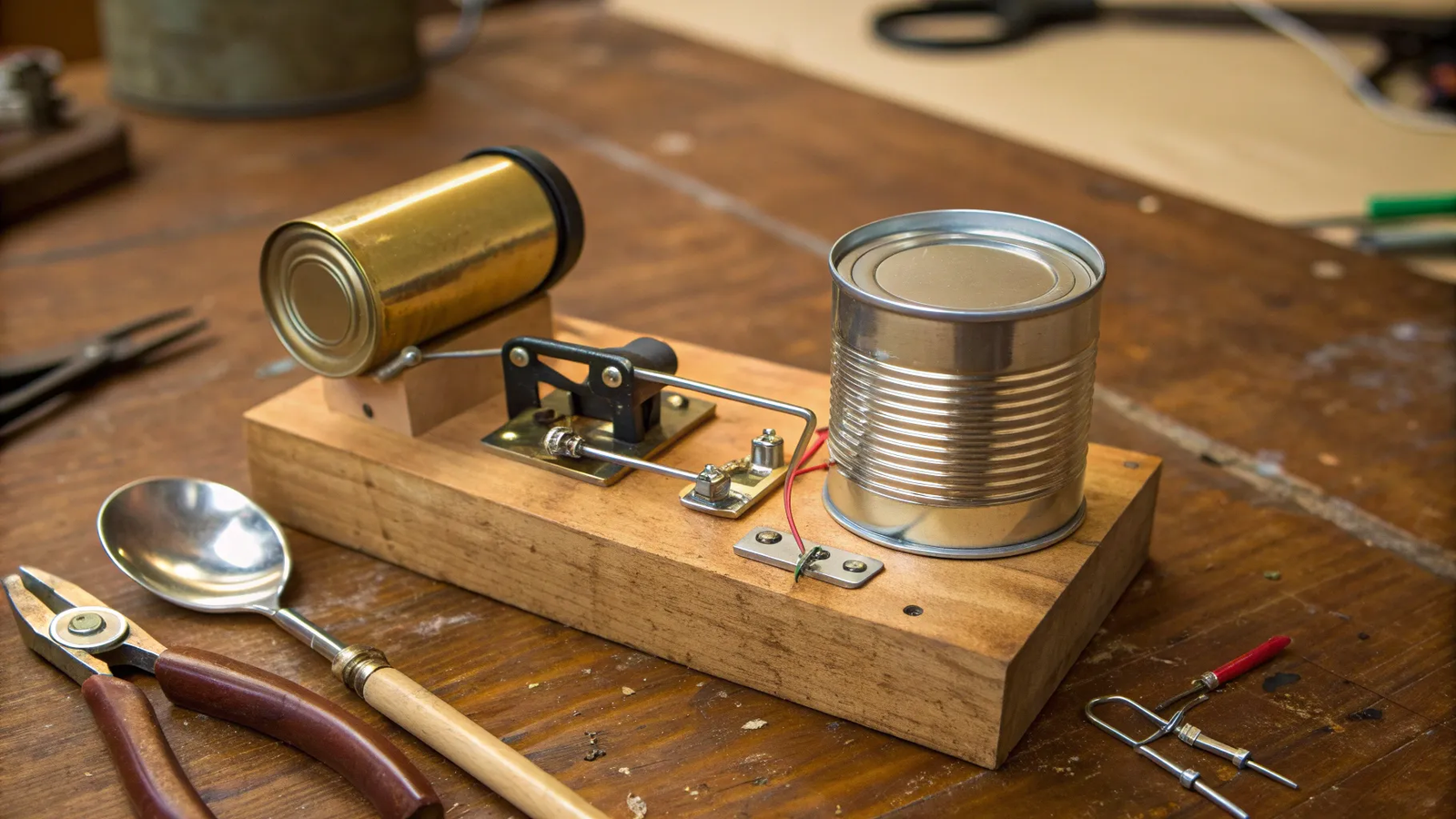
Keep sockets, bits, and small steel parts organized by gluing strong magnets to a scrap steel strip or small tin. This keeps fasteners within reach and stops them from rolling off the bench.
Materials
- Small neodymium magnets
- Short steel strip or recycled metal can
- Epoxy or strong adhesive
How to use it
- Glue magnets evenly across the strip, leaving enough space for sockets and bits.
- Mount the strip on a pegboard, bench edge, or tool cart.
- Drop nuts, screws, and sockets onto it during work so you can see them at a glance.
Tips
- Wrap a magnet in painter’s tape to make a quick magnetic pickup tool.
- Keep one magnetic tray in your tool bag for mobile work.
- Keep strong magnets away from the weld arc to reduce the chance of arc blow.
Note: Magnets work well for storage, but clamps and fixtures give better control close to the weld.
Products Worth Considering

MAGNETIC TOOL ORGANIZER: Declutter your workspace and store wrenches, screwdrivers, knives, and more within easy reach. Ideal for garage storage or as a kitchen knife holder, this magnetic bar keeps your space cleaner, safer, and more efficient.
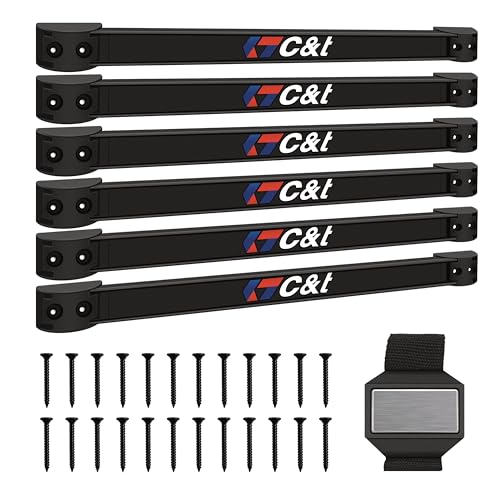
【Package Include】Magnetic Storage Organizer Tool Holder Set Include 6-Pack Magnetic Tool Bar,1-Pack Wrist Magnetic Holder.

EXCEPTIONAL DURABILITY - Boasting of high-quality alloy steel construction, this Magnetic Tool Holder Storage Organizer provides unmatched sturdiness and longevity. The power magnet strip is a heavy-duty solution for tool organization.
3. Copper backing to weld thin metals without burn-through 🥇
Thin sheet metal and thin-walled tubing can burn through easily. Use a copper backing bar as a heat sink and backer when you weld thin materials.
Materials
- Copper flat bar or strip
- Clamps or non-magnetic hold-downs
How to use it
- Place the copper behind the joint so it supports the molten metal.
- Clamp the copper in place so it sits flush behind the weld.
- Use lower heat settings and a steady travel speed with metal inert gas (MIG) or tungsten inert gas (TIG) welding.
Tips
- Copper usually does not fuse to weld metal, so it lifts away after the joint cools.
- Use a flush clamp system or screws when you need repeatable backing.
- Do not weld the copper backing to the workpiece.

4. Welded stop tabs for repeatable cuts and angles 📐
When you need repeatable lengths or identical angles, weld small stop tabs or locators onto your fixture. This saves measuring time and helps you keep matching parts consistent.
Materials
- Small scraps of flat bar
- Clamps
- Square or angle guide
How to use it
- Position the first part against a square and mark where the stop should sit.
- Tack a tab to the fixture, then check the part fit before you finish-weld it.
- Label stops for different part lengths or angles so you do not mix them up.
Tips
- Make removable stop blocks when you switch between jobs often.
- Grind a chamfer into angled stops so the part seats snugly.
- Check stop tabs often because heat and hard use can shift them.
5. Chamfer and bevel guide for clean weld prep 🔧
Good edge prep makes welding easier and helps the joint fit better. A simple guide keeps the grinder at a steady angle so you can chamfer edges quickly and evenly.
Materials
- Short length of angle iron
- Clamps
- Grinder with a flap disc
How to use it
- Clamp the guide to the workpiece at the angle you want.
- Run the grinder along the guide to create a steady bevel or chamfer.
- Check the fit often so you do not remove too much metal.
Tips
- Use a file or flap disc for better control on thin materials.
- Mark your bevel width so you can match it on the mating part.
- Deburr the edge after grinding so the parts seat cleanly.

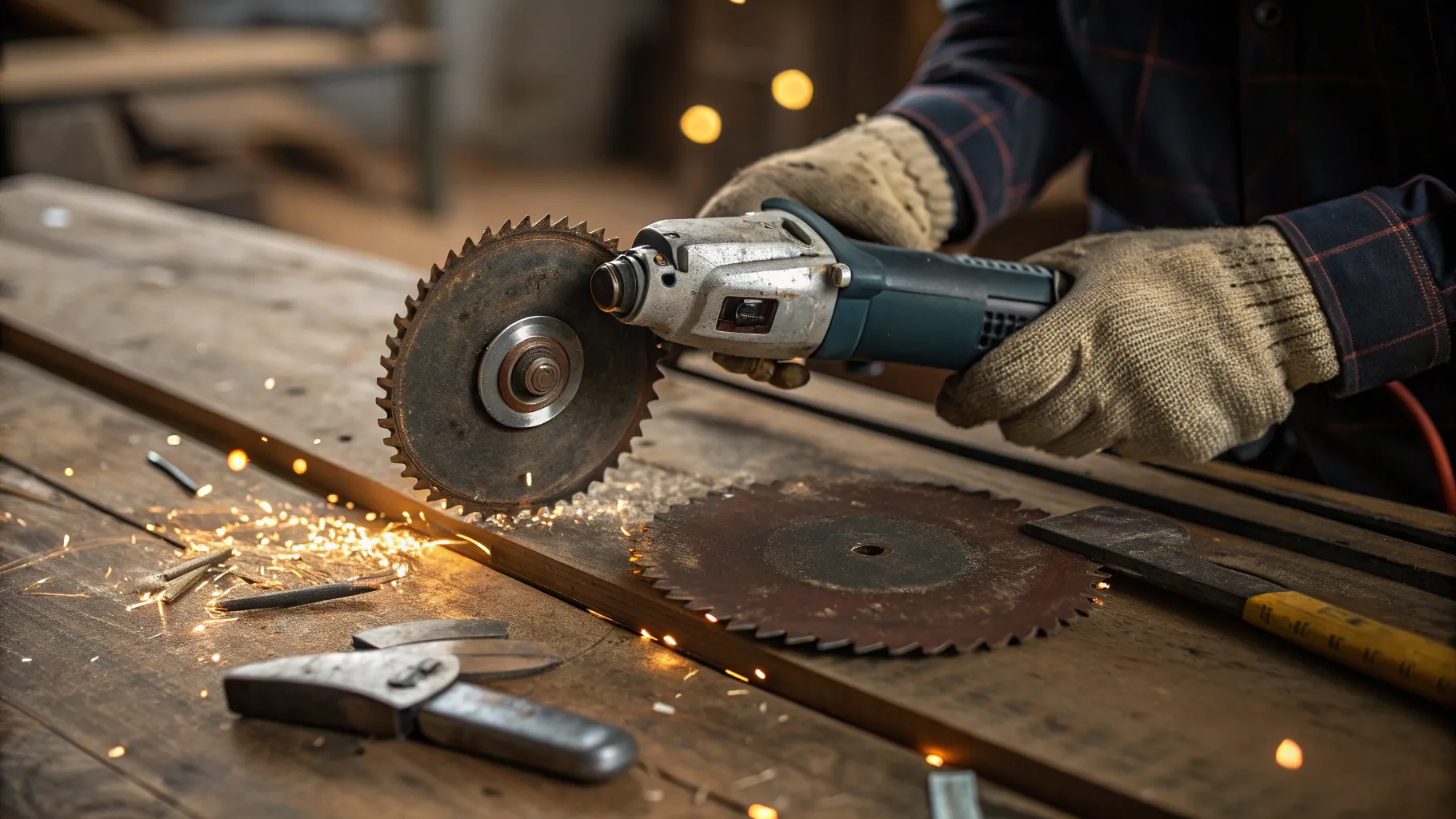
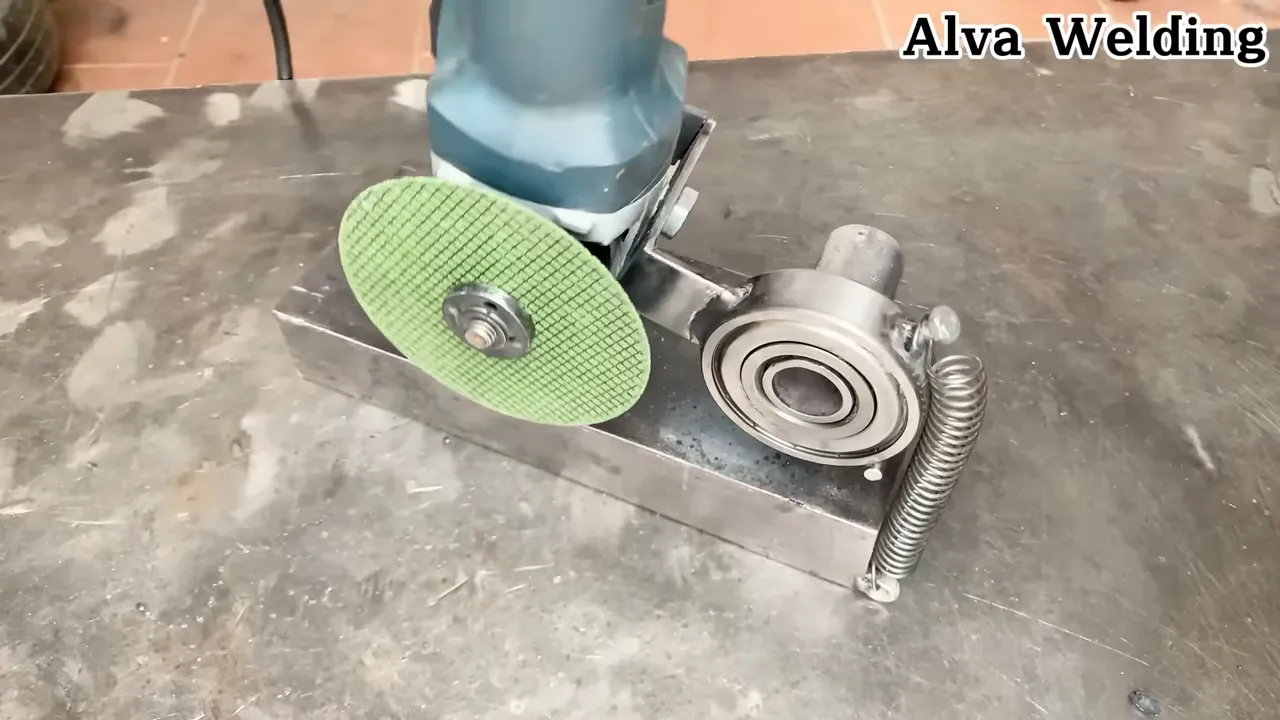
6. Portable grinding shield and debris catcher 🛡️
Grinders throw sparks, grit, and dust across the bench. A quick shield made from curved scrap steel or a steel splash guard helps direct sparks away from tools, cords, and finished parts.
Materials
- Curved steel shield or half-cylinder scrap
- Clamps or a simple stand
How to use it
- Set the shield between the grinder and the rest of the bench area.
- Clamp it to the bench or place it on a stable stand.
- Angle it so sparks land in a safe area, not near fuel, sawdust, rags, or cords.
Tips
- Wear eye protection, hearing protection, gloves, and a face shield when grinding.
- Keep a fire extinguisher nearby and clear the bench before you start.
- Use dust control when grinding coatings, paint, or unknown metals.
7. Magnetic parts tray to stop losing small hardware 🧰
Lost nuts, bolts, washers, and tacks slow down simple jobs. Keep a magnetic parts tray and a few labeled containers near your work area.
Materials
- Small steel dish or tin
- Strong magnet or magnets
- Optional labels
How to use it
- Stick magnets under the dish so it holds to the bench or trolley.
- Sort hardware by type as you work so sizes do not get mixed.
- Use one tray per job to keep job-specific fasteners together.
Tips
- Keep one tray near the welding table and another near the grinder or drill press.
- Use magnetic trays to hold drill bits during bit changes.
- Empty each tray after the job so old hardware does not confuse the next project.

Before you try these welding shop hacks
Match each hack to the material, tool, and job in front of you. A jig that works well for square tubing may need wider jaws for round stock or thicker padding for finished surfaces.
Test clamping pressure, fit-up, and heat settings on scrap first. Small changes can affect weld quality, especially on thin metal.
Pro tip: Keep a scrap notebook with your best jig dimensions, bevel widths, and thin-metal settings.
Wrapping up ✅
These seven ideas make shop work simpler, cleaner, and more repeatable. They cost little, use common scrap, and solve problems that show up on many welding and repair jobs. If you often work with thin metal, square tubing, round tubing, or general repairs, adapt these hacks to your workflow.
Safety comes first. Wear the right personal protective equipment (PPE), keep flammable materials away from welding and grinding, and practice on scrap before you work on finished parts.
Frequently Asked Questions
What basic safety gear do I need for welding and grinding?
Wear a welding helmet with the correct shade, welding gloves, flame-resistant clothing, hearing protection, and safety glasses. Use a respirator when grinding or working with painted metals and keep a fire extinguisher nearby.
Can beginners make these jigs and use these tips?
Yes. These ideas suit beginners because they use basic shop tools and simple materials. Start slowly, practice on scrap, and ask a skilled welder for help when you feel unsure.
Which tools are essential to try these hacks?
A basic grinder, MIG or TIG welder, clamps, drill, vise, and angle grinder with a flap disc will handle most of these projects.
Do these ideas work for both square and round tubing?
Yes. Several of these jigs can hold both square and round tubing, but you may need to adjust the jaw shape. Test the fit before tacking so the tube does not twist.
Where can I learn more about welding thin metals and pipe techniques?
Look for beginner welding tutorials, machine setup guides, and fabrication lessons that focus on thin sheet metal, square tubing, and round tubing. Hands-on practice on scrap will help you improve fastest.