Disclosure: As an Amazon Associate, we earn from qualifying purchases. If you click a link on this page and make a purchase, we may receive a small commission at no extra cost to you.
Clean metal joints depend on more than heat. You need the right filler alloy, clean surfaces, proper flux, and enough control to let the solder flow without burning the workpiece. The Essmetuin Silver Solder Brazing Alloy 45% is made for higher-strength brazing jobs where ordinary soft solder may not hold up. This review helps you decide where it fits, what tools you need, and when a lower-heat or different alloy makes more sense.
Quick Verdict
Rating: 8/10, Recommended with caveats
Best For: Jewelry repair, copper tubing work, stainless steel joining, and small metal fabrication projects
Bottom Line: This 45% silver brazing alloy is worth considering when you need strong, clean metal joints and better flow than basic soft solder. It is not a beginner-proof product, and it requires correct surface prep, flux, ventilation, and torch control.
| Specification | Detail |
|---|---|
| Brand | Essmetuin |
| Product Name | Silver Solder Brazing Alloy 45% |
| Product Type | Silver brazing solder alloy |
| Silver Content | 45% |
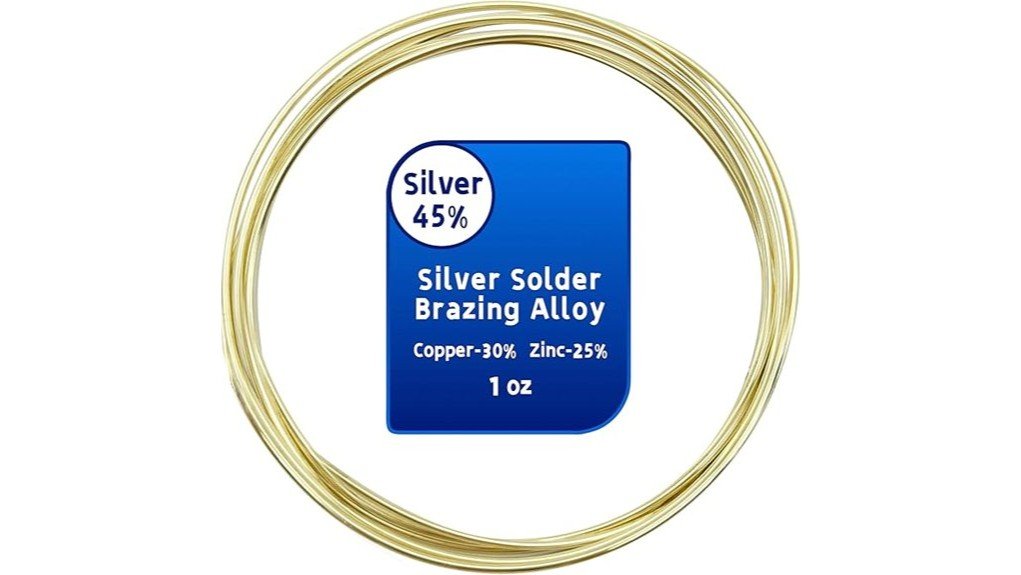
| Article-Stated Composition | 45% silver, 30% copper, 25% zinc |
| Thickness | 1/16 inch |
| Package Size | 1.1 oz |
| Best Use | Jewelry repair, copper tubing, stainless steel, brass, and small metal joining projects |
| Material Compatibility | Copper, brass, silver, stainless steel, and selected ferrous or non-ferrous metals |
| Not For | Aluminum, circuit-board soldering, plastic, wood, or low-temperature soft solder jobs |
| Required Supplies | Torch, compatible brazing flux, clean joint surfaces, clamps or fixtures as needed |
| Safety Note | Use ventilation, eye protection, heat-resistant gloves, and follow the product label and local code requirements |
What Is the Essmetuin Silver Solder Brazing Alloy 45%?
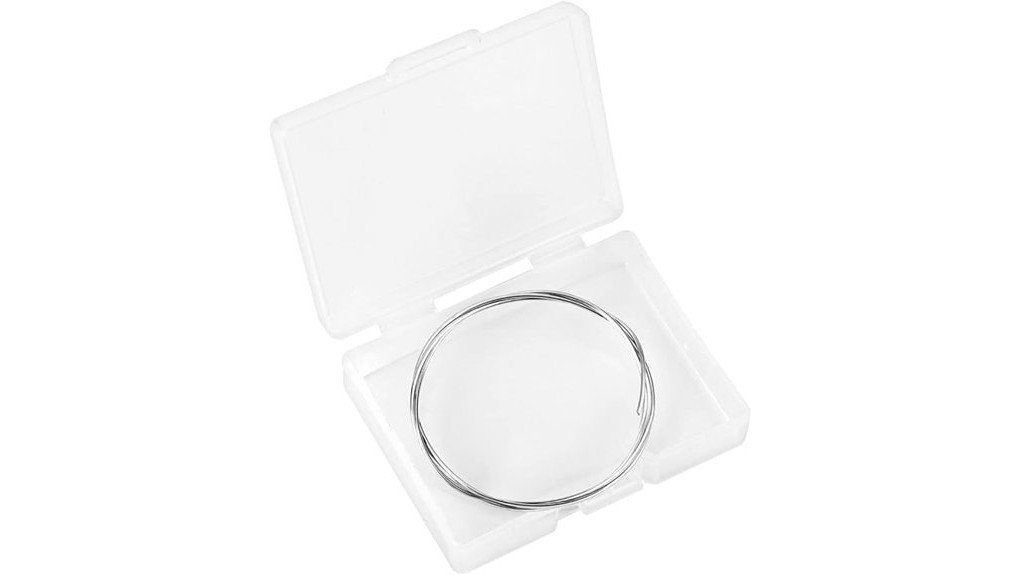
The Essmetuin Silver Solder Brazing Alloy 45% is a hard solder or brazing filler metal for joining compatible metals at higher temperatures than soft solder. The listing identifies it as a 45% silver alloy in a 1/16-inch thick, 1.1 oz package.
It is made for users who need stronger joints than typical tin-based solder can provide. That makes it useful for jewelry repair, copper tubing, stainless steel work, and small fabrication jobs where the joint needs clean flow and better mechanical strength.
This is not the same type of solder you would use for circuit-board repairs. It needs a torch, compatible flux, careful heat control, and clean joint gaps so the alloy can flow through capillary action.
Key Features and How They Affect Performance
45% Silver Content for Stronger Metal Joints
The 45% silver content is the main reason buyers consider this alloy. Silver helps the filler metal flow into tight joint gaps and improves the finished joint compared with basic soft solder.
That higher silver content also makes it more suitable for visible or precision work, such as jewelry repair or neat tubing joints. You still need proper fit-up because silver brazing filler is not meant to fill large gaps like putty.
1/16-Inch Thickness for Controlled Placement
The 1/16-inch thickness gives you a manageable size for small to medium brazing tasks. It is easier to place along a prepared seam than very thin wire when you need a steady feed.
For delicate jewelry work, you may need to cut smaller pieces before heating. For tubing or stainless work, the thicker profile can help you control how much filler enters the joint.
Good Capillary Flow When the Joint Is Prepared Correctly
This alloy works best when the base metals fit closely, stay clean, and have the right flux applied before heating. Capillary action pulls the molten alloy into the joint when the metal reaches brazing temperature.
Poor surface prep can ruin the result. Oil, oxidation, paint, or a loose joint gap can leave you with weak bonding, uneven flow, or extra cleanup.
Useful Ductility for Vibration-Prone Metal Work
A good silver-brazed joint can handle more stress than a soft-soldered joint when you use the alloy correctly. That matters for small automotive brackets, fittings, and metal assemblies that see light vibration.
It still has limits. This alloy does not replace welding for structural repairs, suspension parts, pressure-critical systems, or safety-related automotive work.
Before You Buy: This is a high-heat brazing alloy, not a low-temperature electronics solder. Do not use it on aluminum or on projects where the base material cannot tolerate torch heat.
Who Should Buy It?
Best For
- Jewelry makers repairing silver, copper, brass, or similar compatible metals
- Plumbers or HVAC users working on copper tubing where brazing is appropriate
- Metalworkers who need a clean 45% silver alloy for stainless steel or small fabrication jobs
Skip If
- You need aluminum compatibility or a filler made for aluminum brazing
- You want low-heat solder for circuit boards, wires, or small electronics
- You do not have flux, a proper torch, ventilation, and basic brazing practice
Compatibility and Safety
The strongest fit for this alloy is metal-to-metal joining on compatible materials such as copper, brass, silver, stainless steel, and selected steel parts. It is not designed for aluminum, plastic, wood, painted surfaces, or general craft repairs.
You should also check the job requirements before using it on plumbing, pressure systems, food-contact items, or any safety-related repair. Local codes, material rules, and professional standards may require a specific filler alloy, flux, or certified process.
Use eye protection, heat-resistant gloves, and ventilation whenever you braze. Flux fumes, hot metal, and open flame can create real hazards, so keep flammable materials away from the work area.
Heat Control and Flux Requirements
Silver brazing alloys need more heat than common soft solder. Comparable 45% silver, copper, and zinc brazing alloys are often listed with a solidus near 1225°F and a liquidus near 1370°F, but you should follow the product label for the exact working range.
Flux matters because it helps reduce oxidation and supports better filler flow. Without compatible brazing flux, the alloy may bead up, flow poorly, or fail to bond evenly.
Heat the base metal, not just the solder. When the joint reaches the proper temperature, the alloy should flow into the seam instead of sitting on top as a blob.
How It Performs in Real Use
Jewelry Repair
For jewelry work, this alloy is useful when you need a strong repair on compatible metals and can protect nearby details from overheating. The 1/16-inch thickness may need cutting into smaller pieces for fine seams, rings, or decorative parts.
Copper Tubing and Plumbing Work
For copper tubing, the alloy can create a strong joint when the pipe and fitting are cleaned, fluxed, and heated evenly. It is better suited to users who already understand brazing temperatures and local plumbing requirements.
Stainless Steel and Small Fabrication
For stainless steel and small metal fabrication, this alloy helps when welding would be too aggressive or when you need a clean filler joint. Stainless steel often needs careful cleaning and the right flux, so trial pieces are smart before the final repair.
Automotive and Shop Repairs
For light automotive shop work, the alloy can help with non-structural brackets, fittings, or metal assemblies that need a stronger joint than soft solder. Do not use it for load-bearing safety parts unless a qualified professional confirms the repair method.
How to Use It Correctly
Start by cleaning both metal surfaces until they are free of oil, oxidation, coating, and loose debris. A clean surface gives the alloy a better chance to wet the metal and flow into the joint.
Apply compatible brazing flux to the joint area before heating. Then secure the pieces with clamps, a jig, or a stable work surface so the joint does not shift when the alloy begins to flow.
Use steady torch heat and watch the flux and base metal instead of melting the solder directly with the flame. When the joint reaches brazing temperature, feed or place the alloy so it flows into the seam.
Pro Tip: Practice on scrap metal of the same type before your final repair. This helps you judge heat, flux behavior, and solder flow without ruining the finished part.
Common Mistakes to Avoid
The most common mistake is trying to use this alloy like low-temperature soft solder. Silver brazing needs higher heat, proper flux, and a joint gap that allows capillary flow.
Another mistake is overheating the joint. Too much heat can burn flux, oxidize the base metal, and leave you with poor wetting or a rough-looking joint.
You should also avoid using this alloy as a gap filler. Tight, well-fitted joints usually produce better results than loose joints with excess filler metal.
Pros and Cons
Pros
- 45% silver content supports strong, clean brazed joints
- 1/16-inch thickness works well for controlled placement on small metal projects
- Useful for jewelry repair, copper tubing, stainless steel, and brass work
- Flows well when surfaces are clean, fluxed, and fitted closely
- Better suited to strength-focused repairs than basic tin-based soft solder
Cons
- Requires a torch, compatible flux, ventilation, and careful heat control
- Not suitable for aluminum, electronics soldering, or low-heat repairs
- May be harder for beginners than soft solder or pre-fluxed rods
Need a 45% silver brazing alloy for metal repair?
Is It Worth the Price?
This silver brazing alloy sits closer to the premium side because silver content usually drives material cost. It makes the most sense when the repair needs strength, clean flow, and a better finished joint than soft solder can provide.
You get the most value from it if you already have a torch, compatible flux, and experience with brazing. If you only need to solder small wires or make a quick low-heat repair, a basic soft solder product will be easier and cheaper to use.
For jewelry, copper tubing, stainless steel, and small shop repairs, it is worth considering if you want a compact amount of 45% silver alloy without buying a larger package.
How It Compares to Alternatives
Compared with standard tin-based soft solder, this alloy needs much higher heat but can create a stronger metal joint. Soft solder is better for electronics and low-temperature work, while this product is better for compatible metal brazing.
Compared with lower silver-content brazing rods, a 45% silver alloy can offer better flow and cleaner results on many small joints. Compared with pre-fluxed rods, this product gives you more flux control, but it also requires you to choose and apply the correct flux yourself.
Frequently Asked Questions
Is this the same as regular soft solder?
No. This is a silver brazing alloy that needs higher heat than common soft solder. It is made for compatible metal joints, not for low-temperature electronics soldering.
Can you use it on aluminum?
No. This alloy is not the right choice for aluminum. Use a filler and flux system made specifically for aluminum brazing if that is your project.
Do you need flux with this silver brazing alloy?
Yes, you should use compatible brazing flux unless the product label says otherwise. Flux helps clean the joint during heating and supports smoother flow into the seam.
What metals can it join?
It is best suited for compatible metals such as copper, brass, silver, stainless steel, and selected steels. Always test first when joining dissimilar metals or parts with coatings.
Is it safe for plumbing systems?
It can be used for copper tubing work when the alloy, flux, and method match the job requirements. For potable water, pressure systems, or code-regulated work, confirm local rules before using it.
Is it beginner friendly?
It can work for beginners who practice first, but it is less forgiving than soft solder. You need clean metal, correct flux, a stable torch, and enough heat control to avoid burning the joint.
Can you use it for automotive repairs?
It can be useful for some non-structural shop repairs, fittings, and small metal assemblies. Do not use it for safety-critical automotive parts unless a qualified professional confirms the repair method.
What is the biggest mistake to avoid?
The biggest mistake is heating the solder directly while the base metal stays too cool. Heat the workpiece evenly, use flux, and let the alloy flow into a clean, close-fitting joint.
The Bottom Line
The Essmetuin Silver Solder Brazing Alloy 45% is a solid pick if you need a 1/16-inch, 1.1 oz silver brazing alloy for jewelry repair, copper tubing, stainless steel, or small shop work. Its main strength is clean, strong flow on compatible metals, but its main limitation is the need for proper flux, torch heat, and surface preparation. Skip it if you need aluminum brazing, electronics soldering, or a low-heat beginner repair product.