Disclosure: As an Amazon Associate, we earn from qualifying purchases. If you click a link on this page and make a purchase, we may receive a small commission at no extra cost to you.
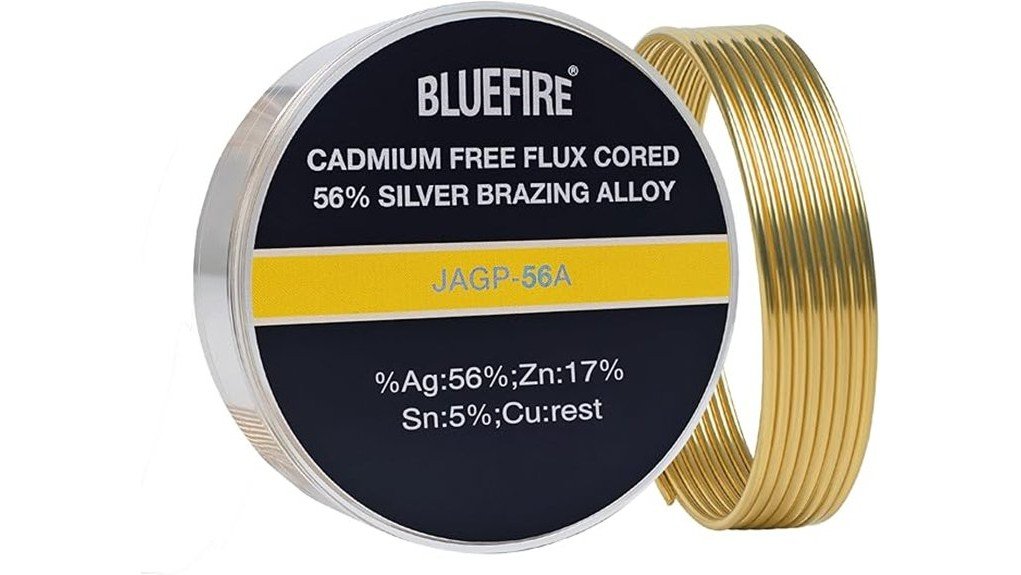
Strong brazed joints depend on the right filler metal, clean joint fit-up, and safe heat control. The BLUEFIRE JAGP-56A is a 1/16 in flux-cored safety brazing alloy coil made for buyers who want a high-silver, cadmium-free filler that flows well into tight joints. This review helps you decide whether its 56% silver content, flux-cored design, and low brazing temperature fit your repair or fabrication work. It is a strong choice for compatible metals, but it is not the right filler for aluminum or every food-contact repair.
Quick Verdict
Rating: 8.4/10
Best For: Users who need a high-silver, flux-cored brazing alloy for copper, brass, steel, stainless steel, and similar compatible metals.
Bottom Line: BLUEFIRE JAGP-56A is worth considering if you want strong capillary flow, cadmium-free composition, and simple torch use without applying separate flux in many jobs. Skip it if you need an aluminum brazing rod, a low-cost general solder, or a filler for an application that requires formal approval from a code inspector or manufacturer.
| Specification | Detail |
|---|---|
| Brand | BLUEFIRE |
| Model | JAGP-56A |
| Product type | Flux-cored safety brazing alloy coil |
| Diameter | 1/16 in |
| Silver content | 56% silver |
| Alloy composition | 56% silver, 17% zinc, 5% tin, copper balance |
| Cadmium content | Cadmium-free |
| Solidus temperature | 1145°F (618°C) |
| Liquidus temperature | 1208°F (about 652°C) |
| Working brazing range | 1205°F to 1400°F (650°C to 760°C) |
| Supported standards in article | ANSI/AWS A5.8 BAg-7 and NSF Standard 51 |
| Compatible materials noted | Brass, steel, copper, stainless steel, and other compatible brazing metals |
| Not ideal for | Aluminum, dirty joints, incorrect clearances, or jobs that require a different certified filler metal |
Key Takeaways
- The BLUEFIRE JAGP-56A uses a 56% silver alloy, which helps it flow into tight gaps and form neat brazed joints when the base metals fit properly.
- Its cadmium-free composition makes it a safer choice than older cadmium-bearing silver brazing alloys, though you still need ventilation and protective gear.
- The flux-cored design reduces the need for separate flux in many suitable jobs, which can make small repairs faster and cleaner.
- Its 1145°F solidus temperature and 1208°F liquidus temperature put it in a low-temperature range for high-silver brazing filler metals.
- It is best for compatible metals such as copper, brass, steel, and stainless steel, not aluminum.
What Is the BLUEFIRE JAGP-56A?
The BLUEFIRE JAGP-56A is a flux-cored silver brazing alloy coil. It is designed to melt below the base metals and flow into the joint by capillary action, which is different from welding. You use it as a filler metal, not as a structural weld bead.
The main appeal is its 56% silver content. Higher silver content usually improves flow, ductility, and joint penetration when the metal surfaces are clean and the gap is controlled. The coil format also makes it easier to carry, cut, and use for smaller repairs compared with loose straight rods.
This alloy fits buyers who work on copper tubing, brass fittings, steel parts, stainless steel components, electrical connectors, and similar compatible materials. It is not a universal repair product, so you should match it to the base metal, joint design, and applicable code before using it.
Before You Buy: BLUEFIRE JAGP-56A is a brazing alloy, not an aluminum repair rod or soft solder. Check your base metal, required standard, joint clearance, and heat source before ordering.
Who Should Buy It?
Best For
- Plumbing, HVAC, shop, or repair users who need a high-silver brazing filler for compatible metals.
- Buyers who want a cadmium-free alloy for cleaner safety handling compared with cadmium-bearing fillers.
- Users who prefer a flux-cored coil because it reduces separate flux steps in suitable applications.
Skip If
- You need to braze aluminum or another metal that requires a different filler alloy.
- Your job requires a documented filler certificate, inspector approval, or manufacturer-specific repair material.
- You only need low-temperature soft solder for light electrical or hobby work.
Performance Features and Benefits
56% Silver Content and Flow
The 56% silver content is the most important performance feature. It helps the alloy flow smoothly when the joint reaches brazing temperature, which supports better capillary action in tight, clean joints. This matters when you need the filler to pull into a seam instead of sitting on the surface.
The alloy’s high silver level also supports ductility. That is useful on small parts, thin tubing, fittings, and assemblies where some thermal movement or vibration may occur after the joint cools. You still need proper surface prep, because silver content cannot fix oil, oxidation, poor fit, or overheating.
Flux-Cored Design
The flux-cored design means the flux is built into the filler. This can make the process simpler because you do not always need to brush on separate flux before heating. For field repairs, small shop work, or quick fitting jobs, that can reduce mess and setup time.
Flux still has limits. The joint surfaces should be clean, the heat should be controlled, and the filler should be matched to the base metal. If the job has heavy scale, contaminated metal, or a special code requirement, follow the product label or a qualified brazing procedure instead of relying on the flux core alone.
Low Brazing Temperature
BLUEFIRE JAGP-56A has a solidus temperature of 1145°F and a liquidus temperature around 1208°F. In practical terms, it becomes workable at a lower temperature than many lower-silver or brass brazing fillers. That can help reduce heat stress on smaller parts when you use the correct torch technique.
The stated working range of 1205°F to 1400°F gives you a useful window for torch brazing. A propane torch may work on small, thin, or well-prepared parts, but larger assemblies can draw heat away quickly. For heavier steel or large fittings, you may need a stronger torch setup and better heat control.
Cadmium-Free Composition
The cadmium-free formula is a real safety advantage. Older cadmium-bearing silver brazing alloys can create serious fume concerns, so many buyers prefer cadmium-free fillers for general repair, food-equipment-related work, and shop use. This does not remove the need for ventilation, eye protection, gloves, and safe torch handling.
Because the article notes ANSI/AWS A5.8 BAg-7 and NSF Standard 51 compliance, the alloy is positioned for professional use cases where material selection matters. For regulated work, you should still confirm the exact product documentation before using it in a critical system.
Material Composition and Properties
The article-supported composition is 56% silver, 17% zinc, 5% tin, and the balance copper. This silver-copper-zinc-tin blend is common in BAg-7 style high-silver brazing filler metals. The high silver content helps with flow, while tin and zinc help lower the melting range.
Its solidus temperature is 1145°F (618°C), and its liquidus temperature is about 1208°F (652°C). That narrow melting range helps the filler transition from solid to flowing liquid quickly once the joint reaches temperature. This is useful when you want controlled flow without spending too much time heating the surrounding base metal.
For best results, the base metals should fit closely enough for capillary action to work. A wide gap can weaken the joint, while a joint that is too tight may not let the filler enter properly. Clean metal, proper clearance, and steady heat matter as much as the alloy itself.
Pro Tip: Cut only the amount of coil you need, clean the joint until it is bright, and heat the base metal evenly. Let the hot joint draw the filler in instead of melting the alloy directly in the flame.
Applications Across Industries
BLUEFIRE JAGP-56A works best in applications where you need a clean, strong, high-silver brazed joint on compatible metals. Common examples include copper and brass fittings, small steel repairs, stainless steel assemblies, and electrical connectors. Its low melting range and capillary flow make it useful when joint precision matters.
Plumbing and Tubing Repairs
For copper and brass tubing work, the alloy’s flow can help fill close-fitting joints. It is best for clean, properly fitted parts where the filler can wick into the seam. You should follow local plumbing codes and product instructions, especially on potable water, gas, or pressure systems.
Food-Equipment-Related Work
The article notes NSF Standard 51 compliance, which is relevant for food-equipment materials. That makes the alloy worth considering for suitable food-processing or storage equipment repairs. It does not automatically approve every repair, so confirm the design, cleaning process, and regulatory requirements before use.
Electrical and Instrument Work
The alloy can be useful for connectors, waveguides, and precision metal parts where a clean joint matters. The silver color can also blend well with stainless or silver-colored components. Use care around heat-sensitive electronics, insulation, coatings, and nearby components that could melt or degrade.
General Shop and Maintenance Work
For a repair kit, the coil format is practical. You can keep it in a toolbox and cut sections as needed for small repairs. It is most useful for trained users who already understand brazing temperature, joint clearance, and torch safety.
How It Performs in Real Use
For Small Torch Brazing Jobs
On small compatible parts, the low melting range helps you reach flow temperature without extreme heat. A propane torch can be enough for smaller joints if the part does not absorb heat too quickly. The flux-cored design also keeps the process simpler than using bare filler plus separate flux.
For Tight Joints and Capillary Flow
This alloy performs best when two clean metal surfaces have a close, even fit. The 56% silver content helps the molten filler pull through the joint. If the gap is too wide, dirty, or uneven, the alloy may not create the reliable bond you expect.
For Stainless Steel and Food-Service Repairs
The alloy’s silver color and NSF Standard 51 reference make it attractive for stainless steel and food-equipment-related tasks. Still, food-contact work needs more caution than general shop work. You should confirm that the final repair, cleaning method, and filler documentation meet the job requirement.
For Field Repairs and Toolboxes
The coil shape is easy to store and cut, which makes it convenient for mobile repair work. It also takes less space than a tube of long rods. Keep the coil dry and protected so the flux core and filler surface stay clean for the next job.
How to Use It Correctly
Start by cleaning the joint area with an abrasive pad, brush, or proper cleaner that matches the base metal. Remove oil, paint, oxide, and dirt before heating. Brazing filler flows by capillary action, so surface prep is not optional.
Fit the parts closely, then apply heat to the base metal rather than only to the filler. When the joint reaches the right temperature, touch the alloy to the joint and let it flow in. Do not overheat the filler, because burning the flux or boiling the alloy can hurt the joint quality.
After cooling, remove any flux residue according to the product instructions. This is especially important on parts exposed to moisture, food-equipment cleaning, or electrical contact areas. Store the remaining coil in a dry place away from shop grime and moisture.
Compatibility and Safety
BLUEFIRE JAGP-56A is suitable for many ferrous and non-ferrous metals, including copper, brass, steel, and stainless steel, when the joint design is appropriate. It is not listed as an aluminum brazing filler in the article, so do not use it as an aluminum repair rod. Aluminum usually needs a different alloy and different surface preparation.
Cadmium-free does not mean risk-free. Brazing uses high heat, open flame, flux chemistry, and metal fumes. Use safety glasses or a face shield, heat-resistant gloves, fire-safe work surfaces, and good ventilation. Keep flammable items away from the torch area.
For pressure systems, food-processing equipment, gas lines, refrigeration systems, or structural parts, get professional guidance. The filler metal may be only one part of the required repair procedure. Base metal, joint design, cleaning, pressure testing, and code compliance can all matter.
Pros and Cons
Pros
- 56% silver content supports strong flow and capillary action in close-fitting joints.
- Cadmium-free formula is safer than older cadmium-bearing silver brazing alloys.
- Flux-cored coil can reduce the need for separate flux in suitable brazing jobs.
- Low brazing temperature helps limit unnecessary heat exposure on smaller compatible parts.
- Coil format is easy to cut, store, and carry for repair work.
Cons
- Not suitable for aluminum or metals that require a different filler alloy.
- Still requires proper cleaning, joint clearance, heat control, ventilation, and PPE.
- May not be enough for large heat-sinking parts when using only a small propane torch.
Is It Worth the Price?
BLUEFIRE JAGP-56A sits in the premium side of brazing filler choices because it uses 56% silver. You buy it for flow, low melting temperature, ductility, and a cleaner cadmium-free formula, not because it is the cheapest way to join metal.
It offers strong value if you need a high-silver alloy for precise repair work, stainless steel parts, copper or brass joints, or applications where BAg-7 style performance matters. It is less appealing if you only need general soft solder, basic hobby filler, or a low-cost rod for noncritical work.
The main value limit is compatibility. You will not get good value from this product if your base metal is wrong, your joint is dirty, or your heat source cannot bring the joint to brazing temperature.
How It Compares to Alternatives
Compared with bare 56% silver brazing rods, BLUEFIRE JAGP-56A is easier to use in many quick jobs because the flux is built into the coil. Bare rods can still be a better choice when you need a specific flux type, a formal procedure, or tighter control over flux application.
Compared with lower-silver brazing alloys, this product should flow more readily into tight joints but may cost more. Compared with aluminum brazing rods, it serves a different purpose entirely. Choose BLUEFIRE JAGP-56A when you need a high-silver, cadmium-free filler for compatible metals and controlled torch brazing.
Compliance and Standards
The article identifies BLUEFIRE JAGP-56A as compliant with ANSI/AWS A5.8 BAg-7 and NSF Standard 51. These references matter because they help buyers connect the alloy to recognized filler-metal and food-equipment material expectations.
For professional work, do not rely on a product description alone. Save the product label, seller documentation, or certificate if your job requires traceability. When an inspector, customer, or manufacturer requires a specific filler, confirm that this product meets that exact requirement before you braze.
Frequently Asked Questions
Is BLUEFIRE JAGP-56A a welding rod or a brazing alloy?
It is a brazing alloy, not a welding rod in the strict sense. It melts and flows into the joint while the base metals stay solid, so joint fit and surface cleaning are very important.
Can BLUEFIRE JAGP-56A be used on aluminum?
No, this product is not the right choice for aluminum based on the article-supported compatibility details. Use a filler alloy made for aluminum and follow the correct aluminum brazing process.
Do you need extra flux with this alloy?
The alloy is flux-cored, so it is designed to reduce or eliminate separate flux application in many suitable jobs. You still need clean metal and proper heating, and some specialized jobs may require a specific flux or procedure.
Is BLUEFIRE JAGP-56A safe for food-equipment repairs?
The article states that it meets NSF Standard 51, which is relevant for food-equipment materials. That does not automatically approve every repair, so confirm the full application, cleaning process, and local requirements before using it on food-contact equipment.
Will a propane torch work with BLUEFIRE JAGP-56A?
A propane torch can work on smaller parts that do not pull heat away too quickly. Larger steel parts, heavy fittings, or thick assemblies may need more heat than a small propane torch can deliver.
How should you store the coil?
Store it in a cool, dry place away from moisture, oil, and grinding dust. Keep the coil protected so the filler surface and flux core stay clean for the next brazing job.
Who should skip BLUEFIRE JAGP-56A?
Skip it if you need aluminum filler, low-temperature soft solder, or a filler metal with documentation that this seller does not provide. Also skip it if you are not comfortable using a torch safely.
The Bottom Line
BLUEFIRE JAGP-56A is a strong pick if you want a high-silver, cadmium-free, flux-cored brazing alloy for compatible metals such as copper, brass, steel, and stainless steel. Its main strength is smooth flow at a relatively low brazing temperature, while its main limitation is that it still requires correct metal compatibility, joint prep, and heat control.
Buy it if you need a premium brazing filler for clean, precise work. Skip it if you need aluminum compatibility, a basic soft solder, or a fully documented filler for a regulated repair process.