Disclosure: As an Amazon Associate, we earn from qualifying purchases. If you click a link on this page and make a purchase, we may receive a small commission at no extra cost to you.
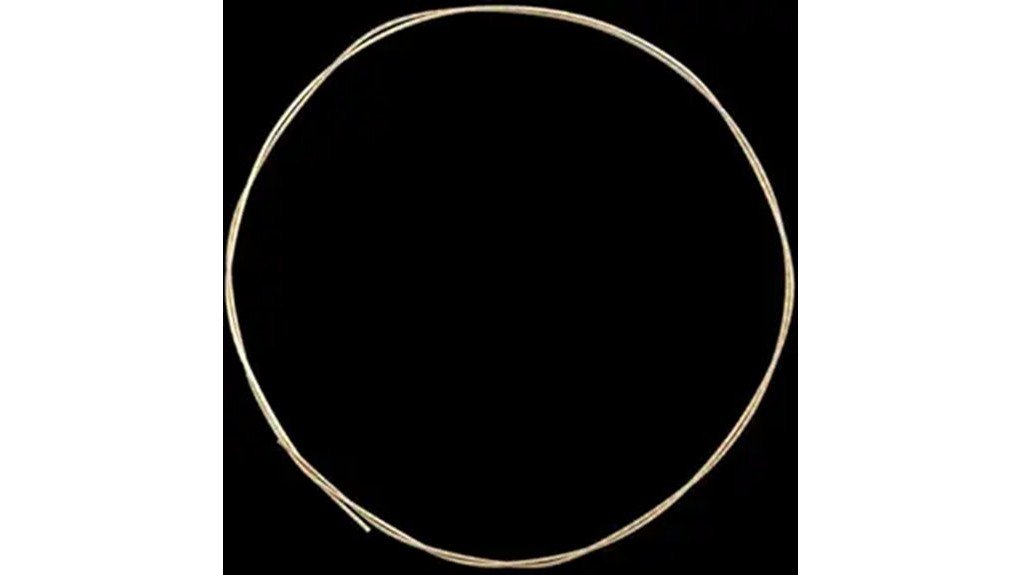
Small metal repairs can fail quickly when the solder is too bulky, too hot, or hard to control. The Alpinleux 1 Pcs Silver Solder Wire is a fine 0.5mm solder wire made for detailed work such as jewelry repair, craft metalwork, and small component fixes. Its main appeal is precision: you get a narrow wire that is easier to place on tiny joints than thicker solder forms. The tradeoff is that it is not a structural welding product, and the listed 750-800°F working range should be confirmed on the live Amazon listing before use.
Quick Verdict
Rating: 7.6/10, Recommended with caveats
Best For: Jewelry repair, fine craft metalwork, and small non-structural component repairs
Bottom Line: This 0.5mm silver solder wire is useful when you need controlled placement on small joints. It is not the right choice for load-bearing repairs, plumbing, or large metal bonding jobs.
| Specification | Detail |
|---|---|
| Brand | Alpinleux |
| Product Name | 1 Pcs Silver Solder Wire, Silver Jewelry Soldering Kit |
| ASIN | B0F6N98RBJ |
| Product Type | Silver solder wire |
| Package Quantity | 1 piece |
| Length | 19.6 inches / 50 cm |
| Diameter | 0.02 inches / 0.5 mm |
| Listed Working Range | 750-800°F in the source article, confirm the exact listing before use |
| Primary Use | Jewelry repair, small metal crafts, component repair, and precision DIY work |
| Material Compatibility | Copper alloys, brass, gold, silver, and small components as described in the source article |
| Not For | Structural welding, load-bearing repairs, plumbing, or large metal fabrication |
| Storage Note | Keep dry and sealed to reduce oxidation before soldering |
What Is the Alpinleux Silver Solder Wire?
The Alpinleux Silver Solder Wire is a thin soldering wire designed for small, controlled joints. The listed size is 19.6 inches long and 0.02 inches in diameter, which makes it better for detail work than broad bonding or high-volume soldering.
This product is aimed at jewelry makers, craft users, and repair hobbyists who need a narrow solder wire for rings, chains, small decorative pieces, and light component work. It gives you more placement control than thicker solder, but it still requires a clean surface, proper heat control, and the right soldering method for your material.
The product listing positions it as silver solder wire, but the exact alloy composition is not clearly verified in the submitted article. For valuable jewelry, safety-critical repairs, or professional work, confirm the alloy, flux needs, and working temperature before you start.
Who Should Buy It?
Best For
- Jewelry makers repairing small rings, chains, clasps, charms, or decorative metal pieces
- DIY users who need a fine wire for controlled solder placement on small joints
- Craft and component repair work where precision matters more than bulk strength
Skip If
- You need structural welding, load-bearing metal repair, or high-stress bonding
- You need plumbing solder rated for water lines or potable-water systems
- You want a complete kit with verified flux, torch, soldering tools, and alloy documentation
Key Feature Breakdown
Fine 0.5mm Diameter for Small Joints
The 0.5mm wire diameter is the strongest practical feature here. It lets you place a small amount of solder at the joint instead of flooding the work area. That helps with jewelry seams, tiny craft components, and narrow repair points where excess solder would create cleanup work.
The narrow wire also makes it easier to cut small pieces before heating. This can help you avoid wasting material, especially when you only need a tiny chip of solder for a clasp, ring seam, or decorative metal detail.
19.6-Inch Length for Light Repair Work
The 19.6-inch length gives you enough material for several small repairs, depending on how much solder each joint needs. It is not a bulk roll, so heavy users may run through it quickly. For occasional jewelry repairs or hobby projects, the amount makes more sense.
Listed Low Working Range
The source article lists the melting range as 750-800°F. That range is presented as a benefit for users who want lower heat than some brazing rods or hard silver solders. Because some indexed listings show the temperature as “750-800 degrees” without clear unit details, you should confirm the current Amazon listing and follow the product instructions before using it on valuable parts.
Smooth Flow for Controlled Bonding
The main performance claim is smooth flow across small metal joints. Smooth flow matters because uneven solder can leave gaps, weak spots, or messy buildup around jewelry seams. You still need clean metal, correct heat, and the right flux for the material if your soldering process requires it.
Compatibility With Common Jewelry Metals
The article supports use with copper alloys, brass, gold, and silver. That makes it useful for mixed small-metal repair work. Still, compatibility does not mean every finish, plating, gemstone setting, or base metal will tolerate the same heat, so test carefully and protect heat-sensitive areas.
Before You Buy: Do not treat this as a heavy-duty welding product. It is best for small, non-structural joints, and the listed temperature range should be checked on the current Amazon listing before you use it.
How It Performs in Real Use
For Jewelry Repair
This wire is best matched to small jewelry jobs where placement matters. You can cut a short piece, position it on a clean joint, and heat the area with more control than you get from thicker solder. It works best on simple repairs such as chain links, clasps, charms, and small seams.
For Craft Metalwork
For DIY craft projects, the thin wire can help you create cleaner joints on small decorative parts. It is useful when you want a tidy connection without using a large rod or thick solder. It is less suitable for large pieces that need broad heat coverage or high mechanical strength.
For Small Component Repairs
The product title and article both point toward component repair use. For small metal tabs, contacts, or light-duty repair points, the fine wire can be practical. Avoid using it on safety-critical electrical parts unless you understand the solder, the heat limit of the component, and the correct repair method.
For Electronics and Circuit Boards
The article mentions circuit board use, but you should be cautious. Many electronics jobs use lower-temperature electronics solder and temperature-controlled irons. If you plan to use this near a PCB, confirm the temperature range, avoid overheating pads, and choose standard electronics solder when the repair requires it.
How to Use It Correctly
Start by cleaning both surfaces until they are free of oil, oxidation, old solder residue, and loose debris. Dirty metal can stop solder from flowing evenly, which leads to weak joints. A small brush, appropriate abrasive, or proper cleaner can make a big difference before heating.
Cut only the amount of wire you need for the joint. Small pre-cut pieces are easier to control than feeding too much wire into the repair area. Use the heat source, flux, and setup recommended for your material, and avoid heating gemstones, plated finishes, plastic parts, or sensitive electronics directly.
Let the joint cool naturally after soldering. Moving the work too soon can weaken the bond or create a dull, rough joint. Once cool, inspect the joint for gaps, excess solder, or signs that the solder did not fully flow.
Pro Tip: For jewelry repair, cut a tiny piece of solder first and place it exactly where the joint should close. Adding too much solder usually creates more cleanup than strength.
Safety and Material Notes
Soldering involves heat, fumes, and hot metal. Work in a well-ventilated area, use eye protection, and keep flammable materials away from your work surface. The wire may look small, but the tools used to heat it can damage skin, finishes, gemstones, plastic, and electronics.
Do not use this solder for plumbing unless the current listing clearly states that it is rated for that purpose. Do not use it for food-contact items, pressurized systems, or load-bearing repairs unless the manufacturer confirms the material and rating. When in doubt, use a product specifically made for that application.
For valuable jewelry, professional repairs are safer than trial-and-error soldering. Heat can loosen stones, discolor finishes, or damage plated surfaces. If the piece has sentimental or high cash value, consider a jeweler instead of a DIY repair.
Pros and Cons
Pros
- Fine 0.5mm diameter supports controlled placement on small joints
- 19.6-inch length works well for occasional jewelry and craft repairs
- Useful for copper alloys, brass, gold, and silver applications described in the article
- Better suited to detail work than thick solder rods or bulkier repair materials
- Small format is easy to store in a toolbox, jewelry bench, or hobby kit
Cons
- Not suitable for structural welding, load-bearing repairs, or large metal joints
- Temperature-unit details should be checked on the current listing before use
- May not include flux or the extra tools needed for a complete soldering setup
Think It Fits Your Repair?
Check the current listing details, size, and temperature information before you buy.
Is It Worth the Price?
This silver solder wire is worth considering if you need a small amount of fine solder for jewelry, crafts, or light component repair. It makes the most sense for occasional users who value control and do not need a large spool.
The value depends on your project. If you only need to repair a clasp, chain, charm, or small metal joint, the compact size is practical. If you solder often, a larger roll or a verified professional jewelry solder from a known alloy series may offer better long-term value.
It is not the best fit if you need a full soldering kit. You may still need flux, tweezers, a heat source, cleaning tools, safety gear, and practice material before making a clean repair.
How It Compares to Alternatives
Compared with standard electronics solder, this product is more focused on jewelry and small metal bonding. Standard electronics solder may be easier and safer for typical circuit board repairs because it usually works with lower-temperature soldering irons and electronics-specific flux.
Compared with hard silver solder or brazing rods, this wire is easier to handle for tiny jobs but not as appropriate for high-strength or large-area repairs. If your priority is small-joint control, this Alpinleux wire makes sense. If your priority is certified alloy content, high-strength joining, or professional jewelry production, compare it with a documented jewelry solder from a specialty supplier.
Frequently Asked Questions
What is this silver solder wire best used for?
It is best for small, non-structural repairs such as jewelry seams, clasps, charms, and light craft metalwork. The 0.5mm diameter helps you place solder more precisely than thicker solder forms.
How long is the wire?
The listed length is 19.6 inches, or about 50 cm. That is enough for several small repairs, but it is not a bulk spool for frequent shop use.
What diameter is the solder wire?
The listed diameter is 0.02 inches, or 0.5 mm. This fine size is useful when you need controlled placement on small joints.
Can beginners use it?
Beginners can use it for practice, but soldering still requires surface prep, heat control, and the right tools. Practice on scrap material before repairing jewelry or valuable parts.
Is it safe for electronics repair?
Use caution around electronics. The article mentions component and circuit board repair, but standard electronics solder is often the better match for typical PCB work. Confirm the temperature range and avoid overheating pads or sensitive components.
Does it work on gold and silver jewelry?
The source article lists gold and silver among compatible materials. For valuable jewelry, confirm the alloy and heat tolerance first, since soldering can damage stones, plating, or delicate finishes.
Can this solder wire be used for plumbing?
No, not unless the live product listing clearly says it is rated for plumbing. Use a plumbing solder that matches your pipe material, code requirements, and potable-water needs.
How should you store it?
Store the wire in a dry, sealed container away from moisture and shop dust. Keeping it clean reduces oxidation and helps the solder flow better during small repairs.
The Bottom Line
The Alpinleux Silver Solder Wire is a practical pick for small jewelry repairs, craft metalwork, and light component fixes where a fine 0.5mm wire gives you better control. Skip it if you need structural strength, plumbing approval, a complete soldering kit, or verified professional alloy documentation. Its best feature is precision placement, while its main limitation is the need to verify temperature and application details before use.