Disclosure: As an Amazon Associate, we earn from qualifying purchases. If you click a link on this page and make a purchase, we may receive a small commission at no extra cost to you.
Choosing solder wire for small DIY work can be confusing because the wrong size or flow can make clean joints harder to achieve. This Silver Solder Wire is a simple 1 mm wire supplied in a 50 cm length, making it better suited to small repairs, jewelry work, and detailed hobby projects than large fabrication jobs. Its main appeal is the article-supported low melting point, smooth flow, and quick soldering speed. The tradeoff is that the listing details available here are limited, so you should confirm the current product label and compatibility before using it on critical repairs.
Quick Verdict
Rating: Recommended with caveats
Best For: DIY users who need a fine solder wire for jewelry making, appliance touch-ups, and small electronics-style repair tasks.
Bottom Line: This 1 mm x 50 cm silver solder wire makes sense if you want a compact soldering material that flows smoothly for small, precise work. Skip it if you need verified industrial specs, a large roll, or a product with fully confirmed brand and technical documentation.
| Specification | Detail |
|---|---|
| Product type | Silver solder wire |
| Diameter | 1 mm |
| Length | 50 cm |
| Design | Thin wire format for controlled placement on small joints |
| Article-supported feature | Low melting point for smoother solder flow |
| Best use | Jewelry making, small DIY repairs, appliance touch-ups, and delicate soldering tasks |
| Safety note | Use ventilation, eye protection, gloves, and clean work surfaces during soldering |
| Storage note | Store in a cool, dry place away from moisture and surface contamination |
What Is the Silver Solder Wire?
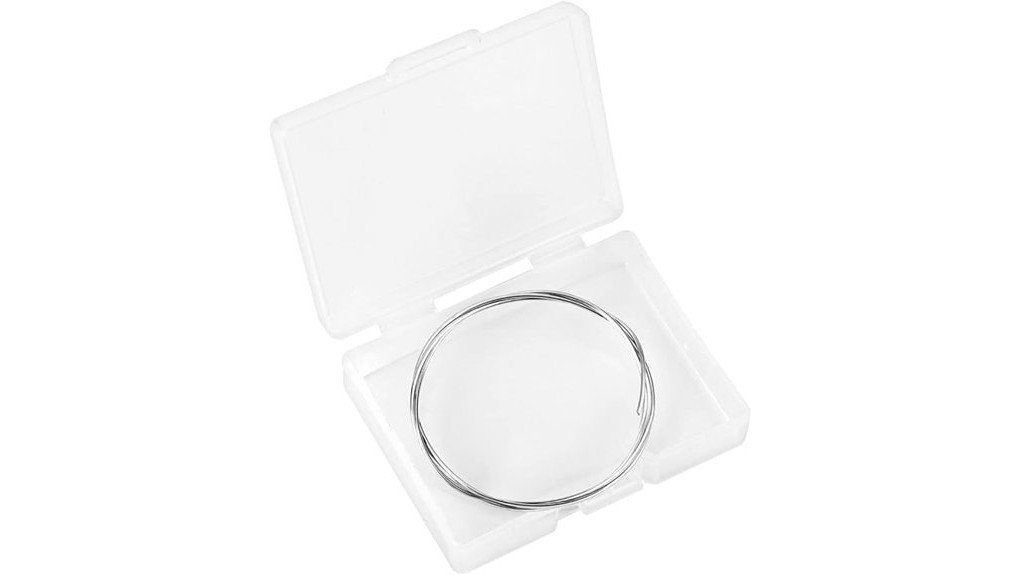
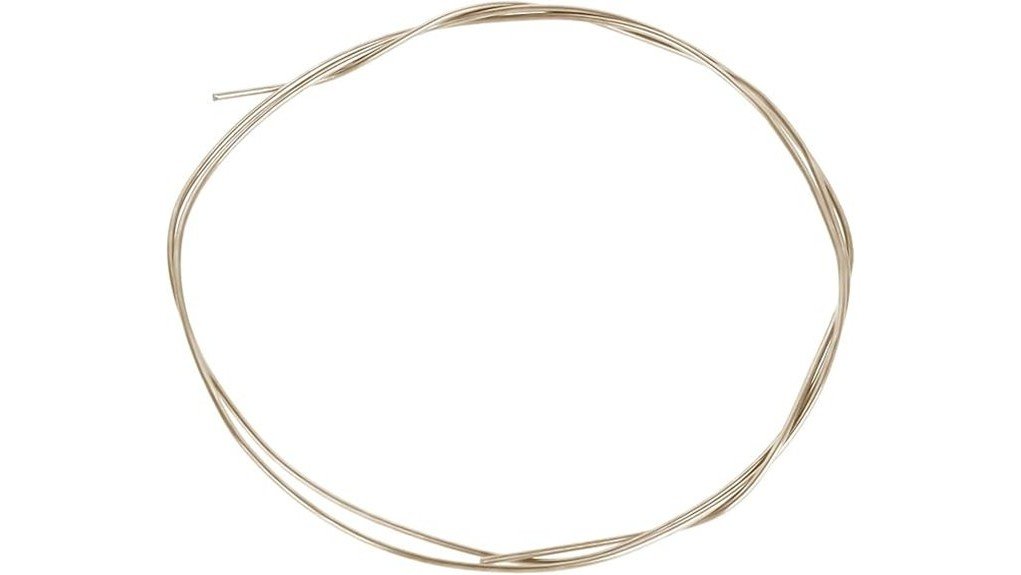
This product is a short length of silver solder wire designed for controlled, small-scale soldering. The article lists a 1 mm diameter and a 50 cm length, so it is better suited to precise placement than to high-volume shop work.
The low melting point and smooth flow make it useful when you need solder to move into small gaps without excessive heat. That matters for jewelry work, light appliance repairs, and delicate hobby projects where you want a neat joint and less cleanup afterward.
Because the available product details are limited, treat this as a practical DIY soldering material rather than a fully documented industrial consumable. If you need a specific alloy, melting temperature, strength rating, or code-approved repair material, confirm those details on the current product page before buying.
Before You Buy: The article supports the 1 mm diameter, 50 cm length, low melting point, and smooth flow, but it does not provide a verified alloy percentage, exact melting temperature, brand, or warranty. Do not choose it for critical structural, plumbing, food-contact, or safety-rated repairs unless the current product label confirms it is suitable.
Who Should Buy It?
Best For
- DIY crafters who need a fine wire for rings, pendants, and small metal pieces.
- Home repair users who want a compact solder option for light appliance or hobby repairs.
- Beginners who want manageable 1 mm wire instead of a thicker solder format.
Skip If
- You need a large spool or enough material for repeated shop use.
- You need verified alloy content, exact melting temperature, or certification details before purchase.
- You are repairing a load-bearing, pressurized, food-contact, or safety-critical part.
Key Features of Silver Solder Wire
The main feature is the fine 1 mm wire size. That diameter gives you better control when feeding solder into small joints, which is helpful when you are working around thin metal, small jewelry parts, or compact repair areas.
The 50 cm length gives you enough material for several small tasks, but it is not a bulk supply. That makes it a better fit for occasional DIY use than for a busy bench where you need long rolls of solder on hand.
The article-supported low melting point is another useful detail. In practice, a lower melting solder can reduce the amount of heat you need to apply, which may help when working near delicate parts. You still need to use the correct tool, heat control, and preparation for the material you are joining.
Flow, Melting, and Joint Quality
Good solder flow matters because it helps the solder move into the joint instead of sitting in a raised lump on the surface. The article describes this wire as having excellent fluidity, which is useful for intricate soldering tasks where neatness matters.
For best results, the joint should be clean before you heat it. Oils, oxidation, dirt, or old residue can keep solder from bonding well. This is especially important for jewelry work, where a weak joint can fail during polishing, shaping, or daily wear.
The fast soldering speed mentioned in the article can help your workflow, but speed should not replace careful setup. A clean surface, steady heat, and proper fit between parts will usually matter more than rushing the soldering step.
Ease of Use for DIY Projects
The thin wire format makes this solder easier to position than a chunky stick or oversized solder piece. You can trim a small amount, place it close to the joint, and control how much material you use.
This is helpful for projects where too much solder would create extra cleanup. A pendant bail, ring detail, small bracket, or light appliance contact point may only need a small amount of solder to create a tidy joint.
The main limitation is that soldering still depends on technique. If the surface is dirty, the heat is uneven, or the parts do not fit closely, even a smooth-flowing solder wire may not create a strong result.
Jewelry Making and Craft Use
For jewelry making, the 1 mm size is the biggest advantage. It gives you a manageable amount of material for small joins, including rings, charms, pendants, and decorative metal pieces.
The low melting point can also help when you are working on delicate assemblies. It may reduce the heat stress compared with harder, higher-temperature joining methods, although you still need to match the solder to your base metal.
Use careful heat control and avoid overheating small parts. Too much heat can discolor metal, loosen nearby joints, or make thin components harder to finish cleanly.
Repair and Appliance Use
The article also positions this solder wire for appliance repairs. For light repairs, a thin wire can help you place solder exactly where it is needed instead of flooding the area with excess material.
That said, not every appliance repair is a safe DIY soldering job. Avoid using this product on pressurized systems, electrical repairs you are not trained to handle, or parts that require a manufacturer-approved repair method.
For basic non-critical repairs, the smooth flow and quick soldering behavior can be useful. For anything connected to power, heat, water, pressure, or safety controls, follow the appliance manual or get professional help.
How It Performs in Real Use
For Small Jewelry Projects
This solder wire is best when you need controlled placement on small metal pieces. The 1 mm diameter helps you avoid adding too much solder, which can reduce filing and finishing time after the joint cools.
For Home DIY Repairs
For light household repair work, the compact 50 cm length is easy to store and simple to cut. It is a practical size if you only solder occasionally and do not want to keep a large roll on your workbench.
For Intricate Soldering Tasks
The article-supported smooth fluidity should help when you are working around narrow gaps or detailed parts. You still need close contact between the pieces, clean surfaces, and steady heat for the solder to flow where you want it.
For Occasional Long-Term Use
If stored properly, solder wire can remain usable for a long time. Keep it dry, covered, and away from contamination so the surface stays clean enough for reliable flow during future projects.
How to Use It Correctly
Start by cleaning both surfaces before soldering. Remove dirt, oils, oxidation, and old residue so the solder can wet the joint rather than bead up on top of the metal.
Cut only the amount of wire you need for the joint. A small piece is often easier to control than feeding too much solder at once, especially on jewelry or small appliance parts.
Apply heat evenly and watch the solder flow into the joint. Do not keep adding heat after the solder has flowed, because overheating can weaken nearby parts, discolor the workpiece, or make cleanup harder.
Pro Tip: Test a small piece on scrap material before using it on your final project. This helps you learn how quickly the wire melts, how it flows, and how much solder your joint actually needs.
Safety and Material Notes
Soldering creates heat, fumes, and burn risks, so use basic protection every time. Wear eye protection, use heat-resistant gloves when needed, and work in a well-ventilated area.
The source article says the solder wire is lead-free, but you should still confirm the current product label before use if that detail matters for your project. Do not use solder on food-contact items, drinking water systems, jewelry for sensitive skin, or safety-rated parts unless the material is confirmed for that use.
Keep solder, tools, and hot parts away from children and pets. Let the work cool fully before handling, sanding, polishing, or testing the joint.
Storage and Care Tips
Store the wire in a cool, dry place. Moisture and surface contamination can make solder harder to use and may affect the way it flows during heating.
A small sealed bag, parts box, or drawer organizer can help keep the wire clean. Labeling the wire is also smart if you keep more than one solder type in your workspace.
Avoid bending and rebending the same section too often. Keeping the wire neat makes it easier to cut, position, and measure for small projects.
Pros and Cons
Pros
- 1 mm wire size gives you better control on small solder joints.
- 50 cm length is convenient for occasional DIY and craft use.
- Low melting point supports smoother work on delicate projects.
- Good fluidity helps with intricate soldering tasks.
- Useful for jewelry making, small repairs, and hobby work.
Cons
- Not a bulk roll, so it may run out quickly for frequent users.
- Exact alloy content and melting temperature are not verified in the available article details.
- Not suitable for every repair, especially critical, structural, or safety-rated work.
Is It Worth the Price?
This silver solder wire is worth considering if you need a small amount of solder for detailed DIY tasks. The 1 mm diameter, 50 cm length, and smooth-flow description make it a practical pick for users who value control more than bulk quantity.
It offers the strongest value for occasional use, jewelry work, and small repair jobs where you only need a short length of solder. If you solder often, a larger roll or a clearly documented alloy may be a better long-term buy.
The biggest value limitation is the lack of verified technical details in the available article. If your project depends on a specific alloy, temperature range, or compliance requirement, confirm those details before you rely on this wire.
How It Compares to Alternatives
Compared with thicker solder wire, this 1 mm option should be easier to control on small joints. Thicker wire may be better for larger repairs where speed and volume matter more than fine placement.
Compared with a full spool, this 50 cm length is easier to store and cheaper to try, but it is not as practical for frequent bench work. The Silver Solder Wire makes the most sense if you want a compact, detail-friendly solder material for occasional projects.
Frequently Asked Questions
What is this silver solder wire best used for?
It is best for small DIY soldering tasks, jewelry making, light appliance repairs, and detailed hobby work. The 1 mm wire size helps you place solder more carefully on small joints.
How much solder wire do you get?
The article lists the wire as 50 cm long with a 1 mm diameter. That is enough for several small joints, but it is not a bulk roll for frequent soldering.
Is this solder wire good for beginners?
Yes, it can be beginner-friendly for small projects because the thin wire is easier to control. Beginners should practice on scrap material first and avoid critical repairs until they understand heat control and surface preparation.
Does the surface need to be cleaned before use?
Yes. Clean metal surfaces help solder flow and bond more reliably. Dirt, oil, oxidation, and old residue can lead to weak joints or uneven solder flow.
Is the solder wire lead-free?
The source article describes it as lead-free. Because product listings can change, confirm the current product label before using it where lead-free status is required.
Can you use it outdoors?
It may be used for some outdoor projects, but the finished joint may need protection from moisture, corrosion, or movement. For long-term outdoor exposure, check whether the solder and base material are suitable for that environment.
What safety gear should you use while soldering?
Use eye protection, work in a ventilated area, and consider gloves when handling hot tools or heated metal. Keep children and pets away from the workspace until all tools and parts are cool.
Who should skip this solder wire?
Skip it if you need a large roll, exact alloy documentation, verified melting temperature, or a solder for safety-critical repairs. It is better for small DIY and craft work than for industrial or code-sensitive applications.
The Bottom Line
The Silver Solder Wire is a smart buy for everyday DIY users who need a fine 1 mm solder wire for jewelry, craft, and small repair tasks. Its main strengths are controlled placement, smooth flow, and a compact 50 cm length, while its main limitation is the lack of verified technical specs in the available article details. Choose it for small, non-critical projects, but skip it if your repair requires certified material data or a larger supply.