Disclosure: As an Amazon Associate, we earn from qualifying purchases. If you click a link on this page and make a purchase, we may receive a small commission at no extra cost to you.
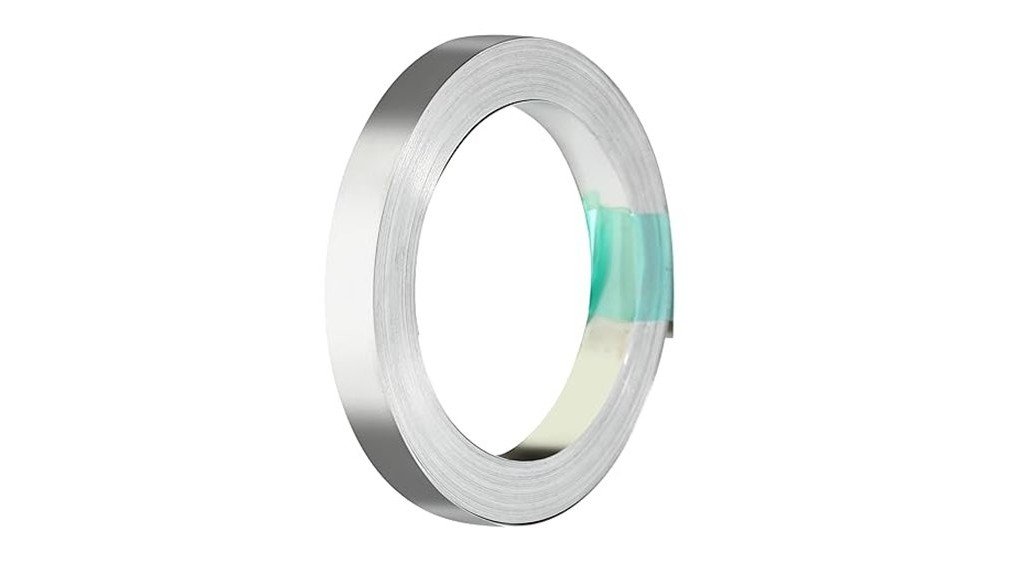
Battery pack work leaves little room for weak connections, excess heat, or the wrong strip material. These nickel strips for battery welding are made for spot welding lithium-ion cells into DIY packs, repairs, and small energy projects where clean electrical paths matter. The 0.15mm x 7mm size and 10-meter roll length make the strip easy to cut, shape, and test across multiple layouts. This review helps you decide where it fits well, where it may fall short, and what to check before using it in a battery build.
Quick Verdict
Rating: 7.5/10 (Recommended with caveats)
Best For: DIY battery builders, small pack repairs, e-bike service work, and workshop prototyping
Bottom Line: This strip offers a practical 0.15mm x 7mm format for spot welding lithium-ion battery connections. The main caution is material clarity, because the stated 37% nickel content means it should not be treated the same as certified 99.6% pure nickel for high-load or commercial packs.
Key Specifications
| Specification | Detail |
|---|---|
| Brand | Not clearly confirmed |
| Product Type | Nickel strip for battery welding |
| Thickness | 0.15mm |
| Width | 7mm |
| Roll Length | 10 meters |
| Item Weight | About 0.5 lb / 230 g, based on fallback listing data |
| Material Note | Nickel strip with approximately 37% nickel content as stated |
| Primary Use | Lithium-ion battery pack welding and repair |
| Common Cell Types | 18650, 21700, and similar cylindrical battery cells when the pack design supports this strip size |
| Best Use | DIY packs, small repairs, prototyping, and moderate-load layouts |
| Safety Note | Use a proper spot welder, test settings first, and match strip size to your battery current requirements |
What Is This Nickel Strip?
This nickel strip is a conductive metal connector used to join lithium-ion battery cells with a spot welder. Instead of soldering directly to the cell terminal, you weld the strip to the battery ends so current can move between cells in a series or parallel layout.
The 0.15mm thickness gives you a workable balance between flexibility and weldability. It can bend around common pack layouts without feeling too stiff, yet it has enough structure for clean tabs when your spot welder is set correctly.
The 7mm width gives the connection more contact area than very narrow tabs. That can help with weld placement and current distribution, but it does not remove the need to calculate current needs for your exact battery pack.
Before You Buy: Do not assume this is certified pure nickel. The stated 37% nickel content makes it better suited to DIY and moderate-load use than high-current commercial battery packs that require verified pure nickel strip.
Who Should Buy It?
Best For
- DIY users building small 18650 or 21700 battery packs
- Repair technicians replacing damaged battery interconnect strips
- Workshop users testing pack layouts before moving to certified materials
Skip If
- You need certified 99.6% pure nickel for a high-current pack
- You do not have a proper battery spot welder
- Your project requires documented industrial-grade material specs
Material Quality and Conductivity
The listing-supported size is clear: 0.15mm thick, 7mm wide, and 10 meters long. That makes the strip practical for small batch work because you can cut exact lengths for cell groups, bridge connections, and test pieces without buying many short pre-cut tabs.
The most important detail is the stated nickel content. Around 37% nickel can still support corrosion resistance and reasonable conductivity for many DIY builds, but it should not be described as the same thing as verified pure nickel strip.
For low to moderate loads, this strip can make sense when the build is designed carefully. For high-drain e-bike, power tool, or energy storage packs, you should confirm the expected current, cell layout, BMS rating, and strip material before you weld anything permanently.
Welding Performance and Weld Quality
The 0.15mm thickness is common for battery spot welding because many hobby-grade and bench spot welders can handle it with the right pulse setting. It is thin enough to weld without extreme power, but thick enough to feel more durable than very light tab material.
Good welds depend on clean surfaces, steady electrode pressure, and correct pulse timing. A weak weld can loosen under vibration, while too much heat can burn through the strip or stress the battery cell.
This strip works best when you start with test welds on scrap pieces. After each test weld, check whether the strip tears slightly before the weld pops loose. If it lifts off cleanly with little force, your settings or surface preparation may need adjustment.
Pro Tip: Cut a few short test strips before building the pack. Dial in your spot welder on scrap material first, then move to cells only after the weld marks look consistent and the strip holds under a light pull test.
Compatibility and Current Planning
The strip can be used with common cylindrical lithium-ion cells such as 18650 and 21700 formats when the pack layout supports 7mm-wide tabs. That width fits many cell holders and direct-cell layouts, but tight battery cases may need careful measurement before you cut the strip.
Current planning matters more than roll length. A 10-meter roll gives you plenty of material, but the safe electrical load depends on strip material, thickness, width, number of parallel connections, cell rating, and pack design.
For demanding packs, you may need layered strips, wider strips, copper busbars, or certified pure nickel depending on your design. Do not use this strip as a shortcut for proper battery engineering.
Safety and Battery-Build Notes
Lithium-ion battery work can be risky if cells are shorted, overheated, punctured, reversed, or connected without proper protection. This strip is only one part of the build, so you still need correct cell matching, insulation, spacing, fusing where appropriate, and a properly rated BMS.
Spot welding is usually preferred over soldering directly to lithium-ion cells because it applies heat in a smaller area for a shorter time. Direct soldering can overheat the cell terminal and may damage the cell if you do not have the right skill and equipment.
Before you use the finished pack, inspect every joint, add insulation rings where needed, check polarity, and confirm the pack voltage with a meter. When in doubt, ask a qualified battery technician to review the design before charging or using the pack.
How It Performs in Real Use
DIY Battery Packs
For small DIY battery packs, the 10-meter roll gives you enough material for several layouts and test pieces. The strip cuts easily and bends into common series and parallel bridges, which helps when you are building a custom shape.
E-Bike Battery Repairs
For e-bike repairs, it can work for replacing damaged interconnects in moderate-load sections when the original pack design supports a similar strip size. You should not use it blindly as a replacement for thicker, wider, layered, or certified pure nickel material in high-current areas.
Small Solar Storage Projects
For small solar storage or backup projects, the strip can help connect cell groups during early builds and repairs. The key is to match the strip to your expected discharge current, charge current, and BMS rating before the pack goes into service.
Workshop Prototyping
For prototyping, this roll is useful because you can test pack spacing, tab routing, weld settings, and connection patterns without wasting expensive certified strip. Once the design is finalized, commercial or high-current packs may still need higher-grade material.
How to Use It Correctly
Measure the cell layout before cutting the strip. Leave enough length for full terminal contact, but avoid long loose sections that could bend, rub, or touch nearby cells.
Keep the battery terminals and strip surface clean before welding. Dirt, oil, or oxidation can weaken weld quality and create inconsistent resistance between cells.
Use short, controlled weld pulses and check the result often. You want a strong bond without burned edges, deep craters, or excessive heat marks around the weld points.
After welding, inspect the pack for sharp strip edges, exposed positive terminals, loose joints, and accidental contact points. Add insulation and protective fish paper where the pack design requires it.
Pros and Cons
Pros
- 0.15mm thickness is practical for many hobby-grade spot welders
- 7mm width gives a useful contact area for common cylindrical cells
- 10-meter roll supports multiple repairs, test welds, and small builds
- Easy to cut and shape for custom battery layouts
- Good fit for DIY packs, repair work, and workshop prototyping
Cons
- Stated 37% nickel content is not the same as verified pure nickel
- Not ideal for high-current industrial or commercial battery packs
- Requires a proper spot welder and test welds before real use
Need a practical strip for DIY battery welding?
Is It Worth the Price?
This nickel strip sits in the budget-to-mid-range category for battery welding material. It offers strong value for DIY users who need a flexible roll for small repairs, practice welds, and moderate battery pack work.
You get the most value if you are building small packs or repairing interconnects and you already understand your pack’s current requirements. The 10-meter length also helps if you expect to cut test strips before welding the final layout.
It is not the best fit if your project requires certified material data, high-current discharge, or commercial battery production standards. In those cases, verified pure nickel strip or a more robust busbar solution is worth comparing.
How It Compares to Alternatives
Compared with certified 99.6% pure nickel strip, this option is less reassuring for high-current packs because the stated nickel content is lower. Pure nickel is usually the better choice when low resistance, corrosion resistance, and documented material quality are top priorities.
Compared with basic nickel-plated steel tabs, this strip may be a more practical middle-ground option for DIY users who want workable battery welding material without moving straight to premium certified rolls. The best choice depends on your pack load, safety margin, and how much documentation your project requires.
Frequently Asked Questions
Is this strip pure nickel?
The article-supported material note says approximately 37% nickel content. That means you should not treat it as certified 99.6% pure nickel unless the live product listing or seller documentation clearly confirms otherwise.
Can this nickel strip be used for 18650 battery packs?
Yes, the 0.15mm x 7mm size is commonly used in DIY cylindrical-cell pack layouts, including many 18650 builds. You still need to match the strip to your pack current, cell layout, and BMS rating.
Do you need a spot welder to use it?
Yes, a battery spot welder is strongly recommended. Direct soldering to lithium-ion cells can add too much heat and may damage the cell if done incorrectly.
Can you cut the strip to custom lengths?
Yes, you can cut the roll to match your cell spacing and pack layout. Use clean cuts, avoid sharp exposed ends, and check that each piece sits flat before welding.
Is 0.15mm thick enough for an e-bike battery?
It may be enough for some moderate-load sections, but you should not decide by thickness alone. E-bike packs can pull high current, so check the original pack design, current path, number of parallel strips, and BMS rating before using it.
What common mistake should you avoid?
Do not weld the final pack before testing your spot welder settings on scrap strip. Weak welds, burned tabs, and uneven weld points can create resistance, heat, and long-term reliability problems.
Is this better than nickel-plated steel?
It may be a better choice for some DIY users, but the exact answer depends on the actual material and your battery load. If you need maximum confidence, compare it against verified pure nickel strip with clear material documentation.
Who should skip this strip?
Skip it if you are building a commercial pack, a very high-current pack, or any battery system that requires certified pure nickel documentation. You should also skip it if you do not have the tools to spot weld and test connections safely.
The Bottom Line
This nickel strip is a practical choice for DIY battery builders, repair work, and workshop prototyping when you need a 0.15mm x 7mm strip in a 10-meter roll. Its main strength is easy cutting and spot-welding flexibility, while its main limitation is the stated 37% nickel content.
Buy it for moderate, non-commercial projects where you can test your welds and verify your current needs. Skip it for high-current or certified battery builds where pure nickel documentation matters.