Disclosure: As an Amazon Associate, we earn from qualifying purchases. If you click a link on this page and make a purchase, we may receive a small commission at no extra cost to you.
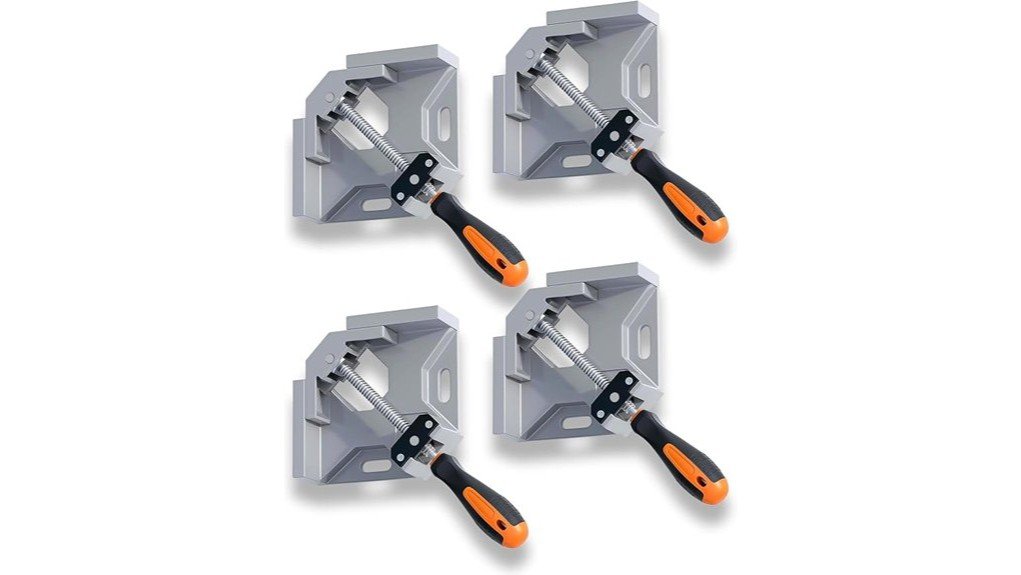
A clean 90-degree joint is hard to get when boards, metal pieces, frame parts, or panels shift while you work. The TANYO Corner Clamp gives you a compact way to hold two pieces at a right angle before you drill, fasten, glue, or tack weld. This review helps you decide whether its 70mm clamping capacity, aluminum alloy body, adjustable swing jaw, and TPR coated handle fit your projects. It is useful for many DIY and light workshop jobs, but it is not a heavy fabrication fixture or a one-size-fits-all clamp.
Quick Verdict
Rating: 8.1/10, recommended with caveats
Best For: DIY woodworkers, home repair users, frame builders, cabinet hobbyists, and light workshop projects that need 90-degree alignment.
Bottom Line: The TANYO Corner Clamp is a practical right-angle clamp for joining wood, metal, glass, or acrylic within its stated capacity. Skip it if your workpieces are thicker than 70mm, if you need verified warranty support, or if you need a heavy industrial fixture for large fabrication work.
| Specification | Detail |
|---|---|
| Brand | TANYO |
| Product name | TANYO Corner Clamp |
| ASIN | B0F1Y4M1SV |
| Product type | Corner clamp / right-angle clamp |
| Angle support | Designed for 90-degree right-angle fixation |
| Clamping capacity | 70mm, about 2.75 inches |
| Jaw width | 95mm, about 3.74 inches |
| Jaw depth | 35mm, about 1.4 inches |
| Main material | Aluminum alloy |
| Surface treatment | Heat-treated anti-rust coating, based on supplied article details |
| Handle | Non-slip TPR coated handle |
| Adjustment design | Adjustable swing jaw with bi-directional rotating single-handle design |
| Package note | Search result shows a 4-piece listing, but confirm the current seller package before ordering |
| Supported materials | Wood, metal, glass, and acrylic, based on the article content |
| Best use | Woodworking, framing, drilling, cabinet assembly, furniture projects, and welding setup |
| Safety note | Use as a positioning clamp only. Do not use it for lifting, suspended loads, or heavy structural support. |
What Is the TANYO Corner Clamp?
The TANYO Corner Clamp is a right-angle clamping tool made to hold two workpieces at a 90-degree angle. It is designed for tasks where alignment matters, such as box building, frame assembly, cabinet work, drilling, gluing, and light metal setup.
The clamp uses an aluminum alloy body and an adjustable aluminum alloy swing jaw to help secure different material thicknesses. Its 70mm clamping capacity gives you room for many common DIY boards, panels, and frame pieces, but it is not meant for oversized lumber, large pipe, or heavy production fabrication.
The single-handle design rotates in both directions, which helps you tighten or loosen the clamp without juggling several adjustment points. That can save time when you need to keep two pieces square before adding screws, glue, fasteners, dowels, or tack welds.
Before You Buy: Measure your material thickness and joint shape first. This clamp is listed with a 70mm clamping capacity, so thicker stock, round parts, warped boards, or unusual shapes may not seat securely in the jaws.
Who Should Buy It?
Best For
- DIY users who need cleaner 90-degree alignment for small to medium projects.
- Woodworkers building frames, boxes, cabinets, drawers, shelves, or simple furniture.
- Workshop users who want a compact clamp for holding wood, metal, glass, or acrylic during setup.
Skip If
- You need to clamp material thicker than the stated 70mm capacity.
- You need a heavy industrial fixture for large structural welding or production fabrication.
- You need verified warranty, replacement-part, or exact package-count details before buying.
Product Features and Specifications
The strongest selling point of the TANYO Corner Clamp is its practical mix of capacity, adjustability, and material support. The 70mm clamping capacity gives you enough range for many common DIY materials, while the 95mm jaw width helps spread pressure across the workpiece.
The 35mm jaw depth is useful for edge alignment and corner work where you need the clamp to hold the joint without covering too much of the working area. That matters when you still need space for drilling, fastening, marking, gluing, or checking the angle.
The clamp is built around a 90-degree joining purpose, so it works best when you want two pieces held square. It is not a replacement for careful measuring, accurate cuts, or a separate square, but it can reduce movement while you make final adjustments.
Fit, Capacity, and Jaw Design
The 70mm capacity is the key number to check before you buy. It can handle many small boards, frame pieces, trim sections, panels, and light workshop parts, but it will not fit every thick rail, post, or stacked assembly.
The adjustable swing jaw helps the clamp accept different material thicknesses on each side of a joint. This is useful when you are joining uneven stock, trim pieces, or panels that do not share the exact same profile.
The jaw design works best when the contact surfaces sit flat against the material. Warped wood, rounded metal, uneven acrylic, or angled cuts may need extra setup time, padding, or a different fixture.
Build Quality and Materials
The article states that the clamp uses premium aluminum alloy, which helps keep the tool lighter than many steel fixtures while still offering solid support for routine DIY use. Aluminum alloy also makes sense for a hand tool you may reposition many times during a project.
The listed heat-treated anti-rust coating adds a useful durability benefit, especially if you store tools in a garage, shed, or workshop where humidity can be a problem. You should still wipe the clamp clean after dusty, wet, or metalworking tasks to protect the moving parts.
The non-slip TPR coated handle improves grip when you tighten the clamp by hand. That helps when you are wearing work gloves or trying to hold two pieces in place while making a quick adjustment.
Adjustable Design and Ease of Use
The adjustable swing jaw is one of the most useful features because many DIY jobs involve materials that are not perfectly matched. You can place both pieces into the clamp, lightly snug the handle, then make your final alignment before tightening.
The bi-directional rotating single-handle design makes the clamp easier to operate than a more complicated multi-point fixture. You can focus on lining up the joint instead of adjusting several screws at once.
For best results, bring both pieces into rough alignment before applying full clamping pressure. If you tighten too early, the clamp may pull the joint out of position instead of correcting it.
Pro Tip: Check the corner with a separate square after clamping. A right-angle clamp helps hold alignment, but your cut quality, material shape, and clamping pressure still affect the final 90-degree fit.
Compatibility and Project Use
The supplied article lists wood, metal, glass, and acrylic as compatible material types. That makes the TANYO Corner Clamp useful across home repair, craft, workshop, and light fabrication projects.
For wood projects, it can help with cabinet corners, small frames, drawer boxes, shelves, and basic furniture assembly. For metal work, it can help hold pieces in position before fastening or tack welding, but you should use proper welding safety gear and avoid relying on the clamp as a structural support.
Glass and acrylic require extra care because both can chip, crack, or scratch under uneven pressure. If you use the clamp on delicate material, tighten gradually and use suitable protective padding when needed.
How It Performs in Real Use
For Woodworking and Frames
For woodworking, the clamp’s 90-degree design helps keep corners aligned while glue dries or while you drill pilot holes. It is most useful on small to medium projects where the workpieces fit comfortably inside the 70mm capacity.
For Cabinet and Drawer Assembly
When you build small cabinets, drawer boxes, or shelf corners, the clamp can hold two pieces steady while you check the joint and add fasteners. It works best as an alignment helper, not as your only method for keeping a full cabinet square.
For Furniture Assembly
When assembling simple furniture, the clamp can hold two parts in position while you add screws or fasteners. This is especially useful when you do not have a second person to help hold the joint steady.
For Light Metal Setup
For metal projects, the clamp can help position pieces before welding or fastening. It should not be treated as a replacement for proper welding fixtures on heavy, load-bearing, or heat-intensive jobs.
For Delicate Materials
For acrylic or glass, the clamp may help with careful alignment, but pressure control matters. Tighten slowly, protect the contact area, and stop if the material starts to shift, flex, chip, or crack.
Setup Tips Before First Use
Before using the TANYO Corner Clamp, open and close the jaw to confirm that the adjustment feels smooth. Check that the handle moves cleanly and that no debris blocks the jaw from seating flat against the workpiece.
Place both pieces in the clamp before fully tightening the handle. Lightly snug the clamp, adjust the joint, verify the angle, then finish tightening only enough to hold the pieces steady.
Do not overtighten delicate materials. Extra pressure can mark softwood, dent edges, or damage glass and acrylic. If surface protection matters, use scrap material or padding between the jaw and the workpiece.
Common Mistakes to Avoid
Do not assume the clamp will fix a bad cut. If your board ends, miter cuts, or metal edges are not square, the clamp may hold the pieces together but still leave a gap.
Do not clamp over wet glue, sawdust, metal chips, or hardened debris. Small particles can hold the jaws away from the surface and reduce the accuracy of the joint.
Do not use the clamp as a lifting point, hanging support, or structural brace. It is a positioning tool for assembly work, not a load-rated safety device.
Cleaning and Maintenance
Basic care can help the clamp last longer. After dusty woodworking or metalworking tasks, wipe the clamp with a dry cloth so sawdust, grit, or metal particles do not build up around the moving jaw.
If the adjustment starts to feel stiff, inspect the moving parts and use a suitable light lubricant where appropriate. Avoid leaving the clamp wet, and store it in a dry tool area to support the anti-rust coating.
Check the jaw faces before each project. Small chips, debris, or hardened glue can affect how the clamp contacts your material and may reduce accuracy.
Compatibility and Safety
This clamp is a positioning and holding tool, not a safety support or lifting device. Do not use it to hold heavy suspended material, support body weight, or secure any load where failure could cause injury.
If you use the clamp around welding, grinding, drilling, or cutting, follow the safety instructions for your main tool and wear appropriate protection. Keep the handle and jaw away from direct heat, sparks, and sharp edges when possible.
For glass or acrylic projects, protect the contact points and apply pressure slowly. These materials can fail suddenly if clamped too tightly or unevenly.
Pros and Cons
Pros
- 70mm clamping capacity works for many common DIY boards, panels, and small workpieces.
- 95mm jaw width helps spread pressure across the contact area.
- Aluminum alloy construction keeps the clamp sturdy while staying manageable by hand.
- Adjustable swing jaw helps fit different material thicknesses.
- Bi-directional rotating handle makes tightening and releasing more convenient.
- Non-slip TPR coated handle improves grip during setup.
Cons
- Not suitable for workpieces thicker than the stated 70mm capacity.
- Warranty and replacement-part details are not clearly supported in the supplied article.
- Package quantity may vary by seller, so you should confirm the current listing before ordering.
- Delicate materials may need padding to avoid surface marks, chips, or cracks.
Is It Worth the Price?
The TANYO Corner Clamp looks like a strong value for the price if you regularly build frames, boxes, shelves, cabinets, or light workshop projects. Its main value comes from the 70mm capacity, adjustable swing jaw, aluminum alloy build, and simple single-handle operation.
It makes the most sense for buyers who care about better corner alignment without buying a large dedicated fixture. If you only need a clamp once, it may be less essential, but it can save time on repeated assembly tasks.
The biggest value limitation is capacity. If your work often involves larger stock, irregular shapes, heavy metal parts, or production fabrication, you may need a larger corner clamp or a more specialized fixture.
How It Compares to Alternatives
Compared with basic plastic corner clamps, the TANYO Corner Clamp offers a more robust aluminum alloy design and a more workshop-ready feel. Compared with larger steel or cast-iron angle fixtures, it should be easier to handle, but it may not offer the same heavy-duty holding power for large metalwork.
If you want a compact clamp for routine woodworking and assembly, this TANYO model makes sense. If you want premium auto-adjusting pressure, compare it with a Kreg-style 90-degree clamp. If you want a more jobsite-focused clamp from a major tool brand, compare it with a DEWALT or BESSEY corner clamp before deciding.
Frequently Asked Questions
What is the clamping capacity of the TANYO Corner Clamp?
The supplied article lists the clamping capacity as 70mm, or about 2.75 inches. Measure your material before buying because thicker pieces may not fit securely.
Can you use it for woodworking?
Yes, it is well suited for woodworking tasks such as frames, small cabinets, drawer boxes, shelves, and furniture assembly. It helps hold two pieces at a 90-degree angle while you glue, drill, or fasten them.
Can the TANYO Corner Clamp be used for welding?
The article lists welding tasks as a possible use, mainly for positioning pieces before fastening or tack welding. For heavy or structural welding, use proper welding fixtures and follow all safety guidance for your equipment.
Will it work with metal, glass, or acrylic?
The supplied article says the clamp can accommodate wood, metal, glass, and acrylic. Use extra care with glass and acrylic because too much pressure can scratch, chip, or crack delicate surfaces.
Does the clamp guarantee a perfect 90-degree joint?
No clamp can fix inaccurate cuts, warped material, or uneven pressure by itself. Use the clamp to hold the joint, then confirm the angle with a separate square before fastening or gluing.
How do you get the best 90-degree result?
Start by roughly aligning both pieces, then lightly tighten the clamp and check the angle with a separate square. Make final adjustments before applying full clamping pressure.
How should you clean and maintain the clamp?
Wipe off sawdust, metal particles, glue, or moisture after use. Inspect the moving jaw and handle regularly, and use a suitable light lubricant if the adjustment starts to feel stiff.
Are replacement parts available?
Replacement-part availability is not clearly supported by the supplied article. Check the seller listing or contact the manufacturer before buying if replacement jaws, handles, or hardware matter to you.
Who should skip this corner clamp?
Skip it if you need to clamp material thicker than 70mm, need a heavy fabrication fixture, or require verified warranty details before purchase. It is better for everyday DIY alignment than large industrial clamping jobs.
The Bottom Line
The TANYO Corner Clamp is worth considering if you want a compact right-angle clamp for woodworking, framing, furniture assembly, and light workshop setup. Its main strengths are the 70mm capacity, adjustable swing jaw, aluminum alloy construction, and comfortable TPR coated handle.
Skip it if your projects require more clamping capacity, verified replacement-part support, or heavy-duty industrial fixturing. For typical DIY jobs that need cleaner 90-degree alignment, it earns a recommended-with-caveats verdict.
Ready to Buy?
Check the latest price, package details, and seller information before you decide.