Disclosure: As an Amazon Associate, we earn from qualifying purchases. If you click a link on this page and make a purchase, we may receive a small commission at no extra cost to you.
Reaching a tight TIG weld joint can be awkward when a straight torch body locks your hand into one angle. The TIG Welding Torch Head Body 17FV is made for welders who want a flexible head for better access without replacing their whole TIG setup. This review looks at its 17FV flex-head design, article-supported 150-amp use, gas lens setup support, and compatibility with torch series 17, 18, and 26. It can be a practical upgrade for tight corners and bench work, but fitment matters because this is a torch head body, not a complete ready-to-weld torch kit.
Quick Verdict
Rating: 8.2/10
Best For: TIG welders who already use compatible 17, 18, or 26 series parts and need better torch positioning in tight areas.
Bottom Line: The 17FV torch head body is worth considering if you need a flexible head for angled joints, tubing, brackets, or small repair work. The main tradeoff is fitment risk, since you still need the right handle, cable, gas lens parts, cup, collet, back cap, tungsten, and machine setup.
| Specification | Detail |
|---|---|
| Model | 17FV |
| Product type | TIG welding torch head body |
| Design | Flexible torch head with non-slip handle design, according to the source article |
| Amperage note | Article-supported use up to 150 amps, not independently verified during this edit |
| Compatibility | Torch series 17, 18, and 26, according to the source article |
| Gas lens use | Designed for gas lens setups, according to the source article |
| Materials mentioned for use | Stainless steel, copper alloys, and aluminum are mentioned in the source article or FAQ context |
| Package scope | Torch head body only, not treated as a full TIG torch kit |
| Not included by default | Handle, cable, cups, collets, back caps, tungsten, hose, and machine setup should be confirmed separately |
| Best use | TIG welding in tight spaces, angled joints, tubing, brackets, bench work, and controlled hand positioning |
| Verification note | Exact brand, material, weight, included parts, and warranty terms were not independently verified during this edit |
What Is the TIG Welding Torch Head Body 17FV?
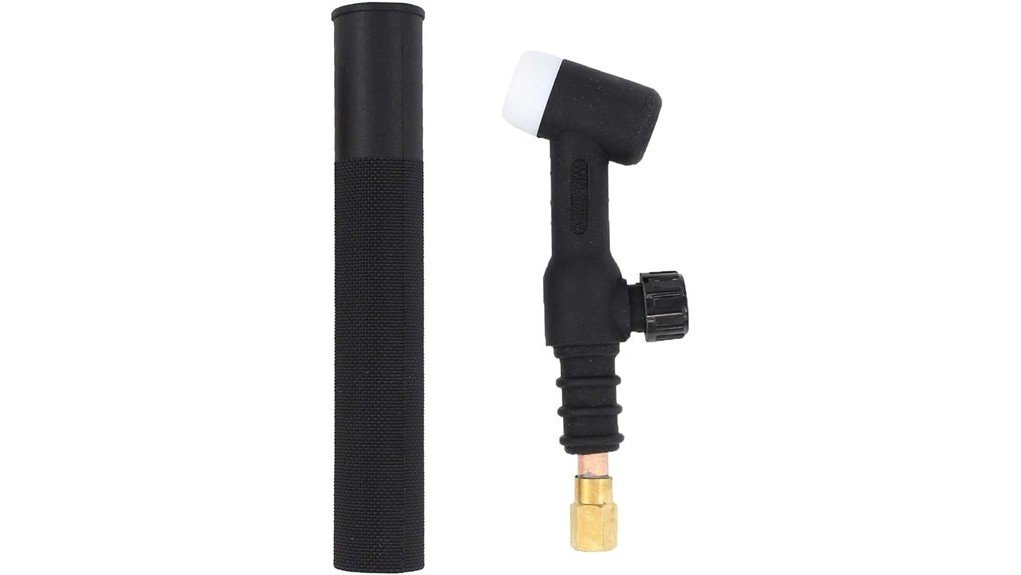
The TIG Welding Torch Head Body 17FV is a replacement-style torch head body built around a flexible head. Instead of forcing you to hold the torch at one fixed angle, the bendable head helps you approach a weld from a more comfortable position.
The source article supports compatibility with torch series 17, 18, and 26 and notes use with gas lens setups. That makes it most useful for welders who already own compatible TIG torch parts and want a head body that gives them more reach and control.
This is best viewed as a focused TIG accessory, not a full welding torch kit. You still need the correct handle, cable, consumables, tungsten, cup, collet, back cap, shielding gas, and machine settings for your welding task.
Who Should Buy It?
Best For
- Welders who need a flex head for corners, tubing, brackets, and tight repair areas.
- Users with compatible 17, 18, or 26 series TIG torch setups.
- Shops or home welders who want better hand positioning during bench work or small fabrication jobs.
Skip If
- You need a complete TIG torch kit with cable, hose, handle, and consumables included.
- Your current torch setup does not match 17, 18, or 26 series parts.
- You need verified brand, material, exact weight, or warranty details before purchase.
Before You Buy: Confirm your torch series, cable connection, handle, gas lens parts, cup, collet, back cap, and tungsten setup before ordering. A flex head can improve access, but it will not fix a mismatch between your torch, machine, cable, or consumables.
Design and Build Quality
The main design feature is the flexible head. This matters when you are trying to keep a steady torch angle near a corner, inside a small repair area, or around tubing where a straight torch body can feel restrictive.
The article also highlights a non-slip handle design. For you, that can mean a steadier grip during longer beads or repeated tack welds, especially when gloves, heat, and body position make torch control harder.
The exact material and weight are not verified from an independent source, so the safest claim is that the product is described as lightweight. That lighter feel can help reduce hand strain, but buyers who need a precise weight should check the current seller details before ordering.
Fit and Compatibility
The 17FV is listed in the article as compatible with torch series 17, 18, and 26. That range is useful because many TIG welders already own consumables or parts in those common torch families.
Compatibility still needs a careful check. A torch head body may share a series number, but your handle, cable, gas lens, collet body, back cap, cup, and machine setup still need to work together.
Pro Tip: Before you order, compare your current torch number and consumable size against the listing. If your current setup uses a gas lens, check the cup, collet, collet body, back cap style, and cable connection at the same time.
Gas Lens Use and Shielding Control
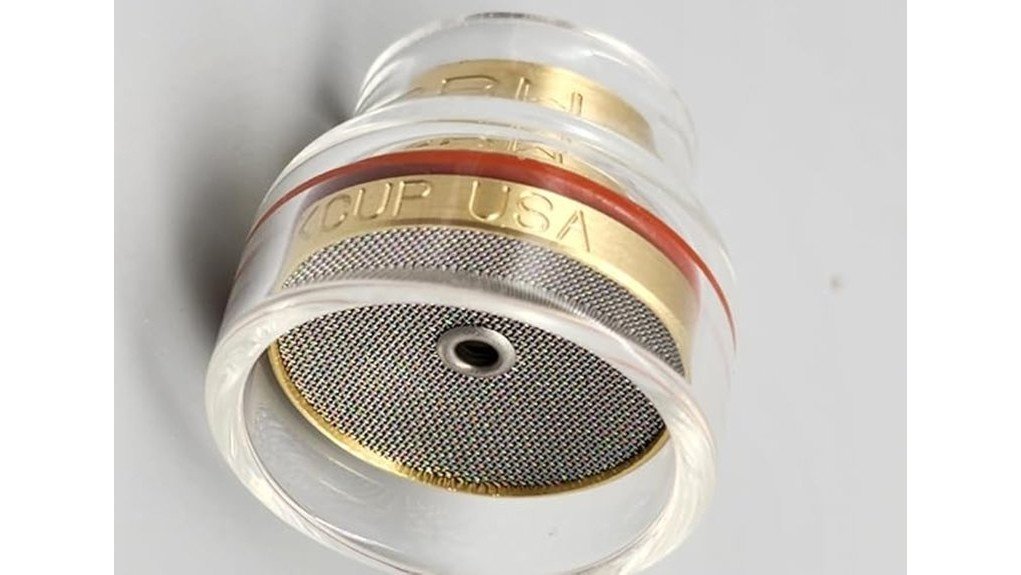
The source article notes that this torch head is designed for gas lens setups. A gas lens can help smooth shielding gas flow around the weld area when you use the right cup and consumables.
For you, that can help on stainless steel, small fabrication jobs, and welds where visibility and controlled shielding matter. Still, the torch head alone does not guarantee cleaner welds. Your gas flow, cup size, tungsten prep, travel speed, torch angle, and base metal cleaning all affect the result.
This is also where fitment matters again. If your gas lens parts do not match the torch series or head body, you may run into poor threading, poor gas coverage, or loose consumable fit.
Performance and Heat Limits
The article supports use up to 150 amps. That makes the 17FV a practical option for many light to medium TIG welding jobs, assuming the rest of your torch setup and machine settings are suitable for the metal and thickness you are welding.
The flex head is the biggest performance advantage. Better angle control can help you keep the tungsten positioned correctly, maintain a steadier arc length, and reduce awkward wrist movement.
The tradeoff is durability management. Any flex head should be adjusted with care, because repeated hard bending can shorten the life of flexible torch components over time.
Setup Tips Before First Use
Inspect the torch head before installing it. Look for clean threads, secure connections, and any visible damage from shipping or storage.
Install it only with compatible TIG torch parts. Keep connections snug, but do not overtighten small threaded parts because damaged threads can lead to poor fitment, unstable consumable seating, or gas leaks.
After setup, test gas flow and arc stability on scrap metal before starting a finished part. This helps you catch fitment problems, shielding issues, or a poor tungsten setup before they affect the real weld.
Compatibility and Safety Notes
This product works around heat, electricity, shielding gas, and sharp tungsten, so basic TIG safety still matters. Use proper gloves, eye protection, ventilation, and machine settings for your project.
Do not exceed the limits of your torch setup. The article-supported 150-amp figure should be treated as a practical guide, not permission to push an incompatible machine, cable, torch, or duty cycle beyond its safe range.
The article mentions a three-year warranty, but that warranty detail was not independently verified during this edit. Check the live seller listing before purchase if warranty coverage is important to your decision.
How It Performs in Real Use
For Tight Spaces
This is where the 17FV makes the most sense. The flex head can help you reach around small assemblies, inside corners, tubing, and awkward bench setups without twisting your wrist as much.
For Stainless Steel Work
The article mentions stainless steel as a suitable material. A flex head with gas lens support can be useful when you need steady torch control and clean shielding, but surface prep, gas coverage, and heat control are still essential.
For Copper Alloy Projects
The original FAQ notes use with copper alloys. Because copper can demand careful heat control, you should match amperage, filler, shielding gas, and technique to your specific alloy and thickness.
For Aluminum Welding
The source article says it can be used for aluminum welding. For aluminum, confirm that your TIG machine supports the correct process and that your tungsten type, shielding gas, filler, AC settings, and torch setup match the job.
For Longer Welding Sessions
The lightweight feel and non-slip handle design can make repeated welding tasks more comfortable. This benefit is strongest for users who often reposition the torch or work from less comfortable angles.
Cleaning and Maintenance
Keep the nozzle, cup, tungsten area, and threaded connections clean. Dirty or damaged parts can affect arc stability, shielding gas coverage, and the way your consumables seat inside the torch head.
Check the head before important welding jobs, especially if you bend it often. Look for heat damage, looseness, poor thread engagement, cracked cups, worn collets, and gas flow problems before you start a finished part.
Pros and Cons
Pros
- Flex head design helps you reach tight weld areas with less awkward wrist positioning.
- Article-supported 150-amp capability fits many light to medium TIG welding tasks.
- Compatible with 17, 18, and 26 series torch setups, according to the source article.
- Gas lens support adds flexibility for welders who use controlled shielding setups.
- Non-slip handle design can improve grip comfort during longer sessions.
Cons
- Not a complete TIG torch kit, so you may need existing compatible parts.
- Exact brand, material, weight, and warranty details were not independently verified during this edit.
- Compatibility must be checked carefully because torch series, consumables, and cable setups can vary.
Is It Worth the Price?
The TIG Welding Torch Head Body 17FV is a smart buy for everyday use if your main need is better torch angle control in tight work areas. It gives you a clear feature upgrade without requiring a full torch replacement, as long as your existing setup is compatible.
Its value is strongest for welders who already use 17, 18, or 26 series parts and want a flexible head for bench work, repairs, small fabrication, or stainless projects. It is not the best fit if you need a complete torch package or verified manufacturer-level specifications before purchase.
Because this is a compatibility-focused accessory, the real value depends on whether it fits the parts you already own. If you have to buy several extra consumables or a different cable setup to make it work, the total cost may change the buying decision.
How It Compares to Alternatives
Compared with a fixed-head TIG torch body, the 17FV gives you more angle flexibility and can be easier to position in tight spaces. A fixed head may still be better if you prefer a stiffer, simpler setup with fewer flexible parts to manage.
Compared with buying a full TIG torch kit, this head body is a more focused upgrade. Choose the 17FV if your current torch system is already compatible and you only need the flex-head benefit. Choose a complete kit if you need the head, cable, handle, hose, and consumables together.
Frequently Asked Questions
Is the 17FV torch head a complete TIG torch?
No. This review treats it as a TIG torch head body, not a full torch kit. You should confirm whether you need a handle, cable, cups, collets, back caps, tungsten, hose, or other consumables.
What torch series does it fit?
The source article says it is compatible with torch series 17, 18, and 26. You should still compare your current torch setup, cable connection, and consumables against the live listing before ordering.
Can it be used with a gas lens setup?
Yes, the article states that the torch head is designed for gas lens setups. Make sure your gas lens parts, cup, collet, collet body, and back cap match the torch series you are using.
What materials can you weld with it?
The original article mentions stainless steel and copper alloys, and it also notes aluminum use. Your results depend on the welding machine, amperage, filler, tungsten, shielding gas, material thickness, and your technique.
Is the 150-amp rating enough for every TIG job?
No. The article-supported 150-amp figure makes more sense for many light to medium TIG tasks, but it is not a universal limit for every setup. Match your torch, cable, machine duty cycle, metal thickness, and process settings before welding.
Is the 17FV suitable for beginners?
It can be suitable for beginners who already understand basic TIG setup and safety. A flex head can make positioning easier, but it does not replace practice with arc length, travel speed, tungsten prep, gas coverage, and heat control.
How do you maintain the torch head?
Keep the nozzle, cup, electrode area, and threaded connections clean. Check for wear, poor fitment, heat damage, loose connections, cracked cups, and gas flow problems before each important welding job.
Who should skip this torch head?
Skip it if you need a complete ready-to-weld torch kit or if your current setup does not match 17, 18, or 26 series parts. Also skip it if you need fully verified brand, material, exact weight, included accessory, or warranty details before buying.
The Bottom Line
The TIG Welding Torch Head Body 17FV is recommended with caveats for welders who want a flex head body for tighter access, better hand positioning, and gas lens use with compatible 17, 18, or 26 series setups. Its main strength is control in awkward weld positions, while its main limitation is that it is not a complete TIG torch kit. Skip it if you cannot confirm fitment with your current TIG parts.