Disclosure: As an Amazon Associate, we earn from qualifying purchases. If you click a link on this page and make a purchase, we may receive a small commission at no extra cost to you.
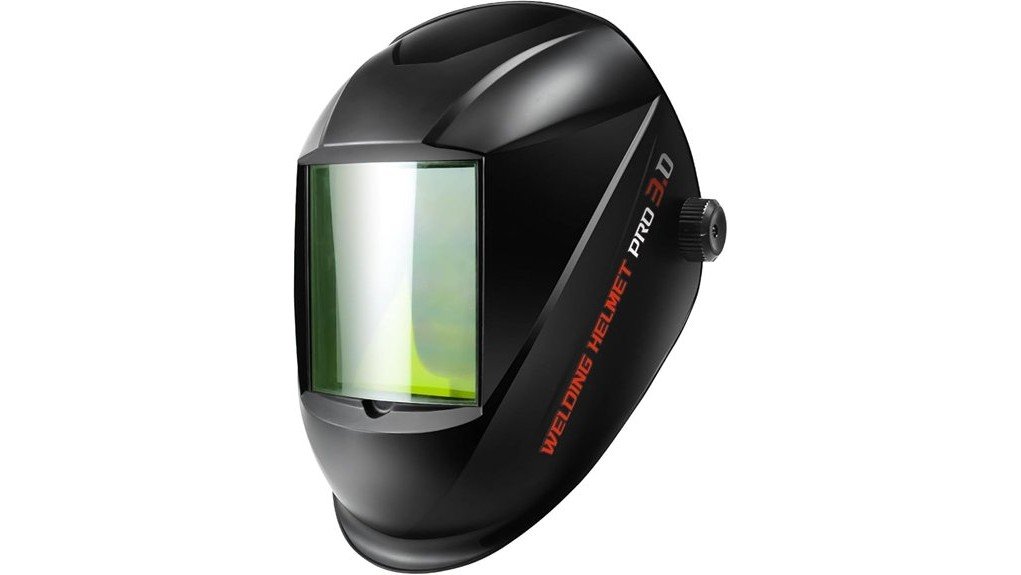
Laser welding and laser cutting can expose your eyes to intense light, so your helmet choice should be based on protection details, fit, and the specific laser range you use. The TRQWH Laser Welding Helmet is built around an optical density rating of OD 8+, lightweight polycarbonate construction, and a listed 900-1100nm wavelength range. This review helps you decide whether it fits your work, what details you should verify before buying, and where its main strengths and limits sit.
Quick Verdict
Rating: Recommended with caveats
Best For: Buyers who need OD 8+ laser eye protection for supported 900-1100nm laser applications.
Bottom Line: The TRQWH Laser Welding Helmet is worth considering if your work matches its listed wavelength range and you want a lightweight polycarbonate helmet. The main tradeoff is that you should confirm compatibility, certification details, and replacement lens support on the live product page before relying on it for a specific laser setup.
| Specification | Detail |
|---|---|
| Brand | TRQWH |
| Product Type | Laser welding helmet |
| Listed Optical Density | OD 8+ |
| Listed Wavelength Range | 900-1100nm |
| Visible Light Transmittance | 30% |
| Material | Polycarbonate |
| Design | Lightweight helmet with ergonomic fit |
| Listed Standards | US FDA and CE EN207 references listed in the source article |
| Best Use | Laser welding, laser cutting, industrial cutting, scientific research, and semiconductor-related laser work within the supported range |
| Safety Note | Confirm your laser wavelength, power, exposure risk, and required OD rating before use. |
What Is the TRQWH Laser Welding Helmet?
The TRQWH Laser Welding Helmet is a protective helmet designed for laser-related work where eye protection matters more than a standard welding hood. Its key listed protection details are an OD 8+ optical density rating and a 900-1100nm wavelength range.
The helmet uses lightweight polycarbonate, which helps reduce fatigue during longer sessions. That matters if you spend time aligning parts, checking a work area, or moving between cutting and welding tasks.
Its 30% visible light transmittance gives you some visibility while the lens filters intense laser light in the supported range. You should still match the helmet to your exact laser system, because the wrong wavelength or OD rating can leave you underprotected.
Before You Buy: Do not choose this helmet by product name alone. Confirm that your laser wavelength, output power, exposure distance, and required optical density match the helmet’s listed protection range.
Who Should Buy It?
Best For
- Users working with compatible 900-1100nm laser applications.
- Buyers who want OD 8+ protection in a lightweight polycarbonate helmet.
- Workshops, labs, or industrial users who need laser protection for welding, cutting, or research tasks.
Skip If
- Your laser operates outside the listed 900-1100nm range.
- You need a helmet with verified dimensions, exact weight, or a documented warranty term before ordering.
- You need general arc welding protection rather than laser-specific eye protection.
Key Features of the TRQWH Laser Welding Helmet
The main feature is its listed OD 8+ laser protection. Optical density matters because it describes how much laser light a filter can reduce at a stated wavelength range.
The source details also list a 30% visible light transmittance rating. In practical terms, that can help you see your work area better than a lens with very low visible light transmission, but it does not remove the need to verify laser compatibility.
The helmet is also described as complying with US FDA and CE EN207 standards. Since laser safety depends on exact testing conditions, you should review the live listing, packaging, or documentation for the specific marking that matches your equipment.
Material and Design Quality
The TRQWH helmet uses polycarbonate, a common material for protective eyewear and face protection. Polycarbonate helps keep weight down while offering impact-resistant structure for daily shop handling.
A lighter helmet can reduce neck strain during longer sessions. This matters most when you need to wear the helmet while positioning material, inspecting a seam, or moving around a bench or station.
The article describes an ergonomic fit and an adjustable system for different head sizes. That is useful, but fit comfort still depends on your head shape, glasses, and how long you wear the helmet at one time.
Certification Standards and Safety Ratings
The listed protection details include OD 8+, a 900-1100nm wavelength range, and references to US FDA and CE EN207. These details are important because laser protection is not universal across all laser types.
For laser work, the wavelength range is just as important as the OD number. A helmet rated for one wavelength band may not be safe for another laser system.
You should also look for clear markings on the product, packaging, or included documentation. If your workplace has a laser safety officer, ask them to confirm whether the helmet matches your laser class and task.
Compatibility and Safety
This helmet makes the most sense for applications that fall within its listed 900-1100nm range. That may include certain laser welding, laser cutting, industrial cutting, scientific research, and semiconductor-related work, depending on the actual equipment.
Do not treat this helmet as a one-size-fits-all laser shield. Laser safety depends on wavelength, power, pulse duration, distance, exposure angle, and whether reflected light is a risk.
If you use multiple laser systems in the same workspace, label your protective gear clearly. That helps prevent a user from grabbing the wrong helmet for a different laser range.
Pro Tip: Before your first use, compare the helmet’s marked wavelength and OD rating with your laser equipment manual. Store the helmet where it cannot be confused with standard welding helmets or lower-rated laser glasses.
Ideal Applications for the Helmet
Laser welding helmets are most useful when the job exposes you to intense laser light, glare, or reflected light. The TRQWH model is designed for laser-related tasks, not as a generic shop helmet for every welding process.
| Application | How It Helps |
|---|---|
| Laser Welding | Helps protect your eyes from intense laser light during compatible welding tasks. |
| Industrial Cutting | Supports safer viewing and positioning around compatible laser cutting work. |
| Scientific Research | Useful in controlled environments where laser wavelength and exposure risks are known. |
| Semiconductor Work | May suit specific laser tasks when the equipment falls within the helmet’s listed protection range. |
How It Performs in Real Use
For Laser Welding
During laser welding, the helmet’s OD 8+ rating is the key buying factor. It is designed to reduce harmful laser light in the listed range while letting you maintain enough visibility to work with control.
For Laser Cutting
For cutting tasks, the lightweight polycarbonate build can make the helmet easier to wear while you position material and monitor the work area. You still need to avoid direct exposure and follow your machine’s safety instructions.
For Lab or Research Use
In a lab, the helmet is most useful when your setup has known wavelength and OD requirements. It should be part of a broader safety plan that includes beam control, barriers, signage, and task-specific procedures.
For Longer Sessions
The ergonomic fit and lightweight design should help reduce discomfort during extended use. If you wear prescription glasses, test the fit carefully so the helmet sits correctly and does not push your eyewear out of position.
Fit, Setup, and Use Tips
Start by adjusting the headgear so the helmet sits stable without pressure points. A secure fit helps keep the lens aligned with your viewing angle, which matters when you move between the workpiece and controls.
If you wear glasses under the helmet, check for comfort and fogging before starting a live laser task. Poor fit or lens fog can reduce visibility and distract you during precision work.
Keep the lens clean with a microfiber cloth and a mild cleaning solution when needed. Avoid harsh chemicals or rough shop towels that can scratch the viewing area and reduce clarity.
Customer Support and Quality Assurance
The original product information describes responsive customer support and quality inspections. Those points are helpful, but the exact warranty length is not stated in the source article.
Before you order, check the live product page for the seller’s warranty terms, return window, and replacement lens availability. This is especially important for safety gear because you may need documentation for workplace use.
Pros and Cons
Pros
- OD 8+ rating gives a clear protection benchmark for compatible laser tasks.
- Listed 900-1100nm range helps buyers compare it against their laser equipment.
- Polycarbonate construction keeps the helmet lightweight for longer sessions.
- 30% visible light transmittance can help with work-area visibility.
- Suitable for several supported laser applications, including welding, cutting, research, and semiconductor work.
Cons
- Not suitable for lasers outside the listed 900-1100nm range.
- Exact dimensions, weight, and warranty length are not provided in the source article.
- You must verify compatibility before using it for workplace or high-risk laser applications.
Is It Worth the Price?
The TRQWH Laser Welding Helmet is worth considering if you need laser-specific protection and your equipment matches its listed wavelength range. Its strongest value comes from the OD 8+ rating, polycarbonate construction, and support for several laser-related work settings.
It is not the best fit if you need fully verified measurements, a clearly stated warranty period, or confirmed replacement lens details before buying. For professional workplaces, those missing details may matter as much as the protection rating.
Overall, it looks like a practical buy for compatible laser welding or cutting tasks, as long as you verify the safety markings and match it to your equipment before use.
How It Compares to Alternatives
Compared with standard welding helmets, the TRQWH Laser Welding Helmet is focused on laser eye protection in a stated wavelength range. A normal auto-darkening welding helmet should not be used as a replacement unless it is specifically rated for your laser application.
Compared with laser safety glasses, a helmet can offer more facial coverage and a more stable work position. Glasses may be better for lighter-duty inspection or setups where full helmet coverage is not needed, but the correct choice depends on the laser and task.
Frequently Asked Questions
What laser range is the TRQWH Laser Welding Helmet made for?
The source article lists the helmet for 900-1100nm wavelengths with an OD 8+ rating. You should compare those details with your laser equipment manual before use.
Can I use it for regular arc welding?
This review covers it as a laser welding helmet. Do not assume it replaces a standard arc welding helmet unless the product documentation clearly supports that use.
Is the helmet adjustable for different head sizes?
The article describes an ergonomic fit and an adjustable system. You should still check the fit before active use, especially if you wear glasses or work for long sessions.
Can I wear glasses under the helmet?
The source article says the helmet can accommodate glasses. Test for comfort, fogging, and lens alignment before starting any laser task.
How should I clean and maintain it?
Use a microfiber cloth and a mild cleaning solution. Avoid abrasive towels or harsh chemicals because scratches can reduce visibility and make the helmet harder to use safely.
Are replacement lenses available?
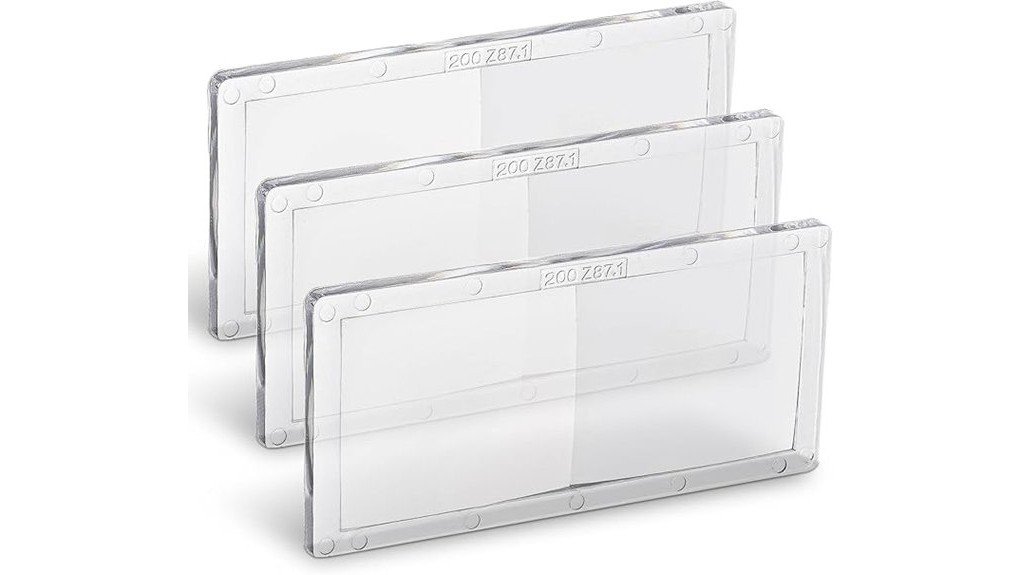
The original article mentions replacement lens options. Since availability can vary by seller, check the live product page before buying if replacement lenses are important to you.
What warranty does it include?
The article mentions warranty support but does not state a specific warranty period. Review the seller’s current warranty and return policy before placing your order.
Who should skip this helmet?
Skip it if your laser falls outside the listed wavelength range or if your workplace requires documented markings that you cannot verify. You should also skip it if you need standard welding protection rather than laser-specific protection.
The Bottom Line
The TRQWH Laser Welding Helmet is a solid option for buyers who need OD 8+ laser protection in the listed 900-1100nm range and want a lightweight polycarbonate helmet. It is not ideal if you cannot confirm your equipment compatibility or need verified dimensions, exact weight, and warranty terms before purchase.
Choose it for compatible laser welding, cutting, research, or semiconductor-related tasks, but verify the safety markings and documentation before relying on it in a high-risk environment.