Disclosure: As an Amazon Associate, we earn from qualifying purchases. If you click a link on this page and make a purchase, we may receive a small commission at no extra cost to you.
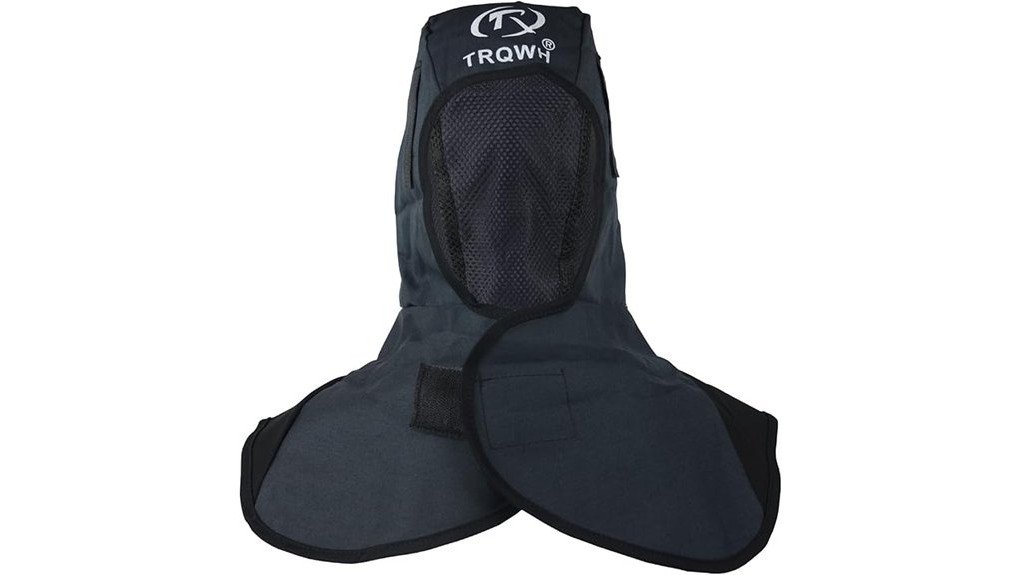
Neck protection matters when sparks, heat, and stray arc light can reach the gap below your welding helmet. The TRQWH Welding Hood Neck Protection is made for welders who want lightweight add-on coverage without switching to a full cape or heavier leather bib. It uses durable cloth, a breathable mesh lining, and an adjustable Velcro buckle to help you get a closer fit around different helmet setups. This review looks at comfort, coverage, fit, care, and the main tradeoffs so you can decide if it belongs in your welding gear.
Quick Verdict
Rating: Recommended with caveats, 7.6/10
Best For: Welders who want lightweight neck coverage that works with most welding helmets.
Bottom Line: The TRQWH Welding Hood Neck Protection is a practical add-on if your helmet leaves your neck exposed during welding, cutting, or metalwork. Its main tradeoff is that it should not replace a proper welding helmet, jacket, cape, gloves, or job-specific PPE.
| Specification | Detail |
|---|---|
| Brand | TRQWH |
| Product type | Welding hood neck protection |
| ASIN reference | B0DG7XW6FH |
| Design | Lightweight neck guard with adjustable Velcro buckle |
| Dimensions | 5.31 x 5.28 x 1.57 inches |
| Weight | 6.7 ounces |
| Material | Durable cloth construction |
| Contact layer | Breathable mesh lining |
| Compatibility | Designed to work with most welding helmets |
| Care note | Washable design, air drying and gentle cleaning are recommended |
| Best use | Extra neck coverage during welding, cutting, grinding-adjacent work, and metalworking tasks |
What Is the TRQWH Welding Hood Neck Protection?
The TRQWH Welding Hood Neck Protection is an add-on guard that helps cover the neck area below a welding helmet. It is not a full helmet, welding jacket, or face shield. Instead, it fills a common exposure gap that can matter during shop work, especially when sparks or light reach under the helmet edge.
The product uses cloth material with a mesh lining, so it aims to balance coverage with comfort. At 6.7 ounces, it should feel light enough for longer sessions compared with bulkier add-ons. The adjustable Velcro buckle also helps you fine-tune the fit around different head sizes and helmet styles.
Key Takeaways
- The TRQWH Welding Hood Neck Protection is best viewed as add-on neck coverage, not a replacement for core welding PPE.
- Its cloth construction, mesh lining, and 6.7-ounce weight make it a lightweight option for welders who dislike bulky neck guards.
- The adjustable Velcro buckle helps you improve fit, but you should still check compatibility with your helmet before relying on it.
- The 5.31 x 5.28 x 1.57-inch size makes it compact for storage in a welding bag, toolbox, or truck kit.
- The washable design helps with upkeep, but you should inspect the fabric after cleaning and replace it if it shows damage.
Who Should Buy It?
Best For
- Welders whose helmet leaves the front or side neck area exposed.
- DIY users and shop workers who want lightweight extra coverage without a full cape.
- Buyers who want a washable, compact neck guard that stores easily with welding gear.
Skip If
- You need a certified welding cape, jacket, or heavy leather bib for high-spatter work.
- Your helmet shape does not leave enough room for a Velcro-attached neck guard.
- You want one product to replace your welding helmet, jacket, gloves, or face protection.
Before You Buy: This neck guard is an add-on safety layer. Use it with proper welding PPE, and do not treat it as a certified replacement for a welding helmet, jacket, cape, respirator, gloves, or eye protection.
Material and Comfort Features
The main comfort advantage is the lighter cloth build. A 6.7-ounce neck guard should create less pull around your helmet than many heavier leather add-ons, which can help during longer work sessions. The compact 5.31 x 5.28 x 1.57-inch size also makes it easy to keep in your welding bag when you only need it for certain jobs.
The breathable mesh lining helps reduce the heavy, closed-in feel that some neck protection can create. That matters when you work in a warm shop or move between welding, setup, and cleanup. You still need to manage heat carefully, because any extra protective layer can feel warmer during extended use.
The adjustable Velcro buckle gives you some control over fit. A closer fit can reduce shifting when you tilt your head, but it should not feel tight around your neck or limit safe movement. Before work starts, turn your head, lift the helmet, and check that the guard does not snag.
Protection Capabilities
The TRQWH Welding Hood Neck Protection is designed to add coverage against common welding hazards such as sparks, splashes, and stray arc light reaching the neck area. It can be especially useful when your helmet protects your face well but leaves the lower neck exposed.
Use realistic expectations. This product helps cover a vulnerable gap, but it does not create full upper-body protection. For heavy spatter, overhead welding, tight-position work, or industrial jobs, you may still need a welding jacket, cape sleeves, leather bib, or jobsite-required PPE.
| Protection Area | How It Helps | Important Limitation |
|---|---|---|
| Neck coverage | Helps cover the exposed area below the helmet. | Does not replace a welding jacket or cape. |
| Spark exposure | Adds a cloth barrier between your skin and small sparks. | Heavy spatter may require heavier PPE. |
| Stray light | Helps reduce open neck exposure near the helmet edge. | Your helmet lens and eye protection remain essential. |
| Comfort coverage | Mesh lining can feel less harsh against the skin than rougher materials. | Fit and comfort depend on your helmet and neck size. |
Compatibility and Maintenance
Compatibility is one of the main reasons to consider this guard. It is designed to work with most welding helmets, which makes it more flexible than a brand-specific accessory. Still, helmet shape, headgear adjustment, shell size, and your preferred fit can affect how well it sits.
Before using it for a full session, attach it to your helmet and test it in normal working positions. Check how it behaves when you nod, turn your head, lift the helmet, and look down at the workpiece. If it pulls, slips, or blocks movement, adjust the Velcro or choose heavier PPE that fits your setup better.
The washable design helps with dust, sweat, and shop grime. Use gentle cleaning, avoid harsh detergents, and let it air dry fully before storage. After each wash, inspect the fabric, seams, and Velcro area for thinning, tearing, loose stitching, or heat damage.
Pro Tip: Test the guard with your helmet before the arc starts. If you can turn your head, lower your hood, and look down without tugging or bunching, you are more likely to keep it positioned correctly during work.
How It Performs in Real Use
For Daily Shop Welding
For routine shop welding, the TRQWH neck guard gives you a simple way to cover a common exposure gap. The lightweight cloth and mesh lining should help if you wear protection for repeated short sessions. It is most useful when your helmet fits well but still leaves the neck area open.
For Tight or Awkward Positions
When you bend, crouch, or look down at a workpiece, the neck area can become more exposed. The adjustable Velcro helps you tighten the fit enough to reduce movement. Still, tight-position welding can send sparks in unpredictable directions, so you may need a welding jacket, cape, or leather protection for more coverage.
For Outdoor or Garage Work
This guard can work for outdoor or garage welding tasks where you want compact coverage that is easy to put on and remove. Do not use it as general sun protection or as a substitute for proper arc-rated eye and face protection. The welding helmet remains the main defense for your eyes and face.
For Storage and Travel
The small dimensions make it easy to store with a helmet, gloves, and small welding tools. It should take less space than a full cape or jacket. That makes it useful as backup gear, but you should avoid packing it while damp or dirty because moisture and grime can shorten fabric life.
Fit Tips Before You Buy
Start by checking your helmet style. A helmet with enough rear and lower-edge clearance will usually work better with an add-on neck guard. If your headgear already feels tight, an extra cloth guard may create bunching or pressure.
Next, think about your work position. Flat bench work may only need light neck coverage, while overhead or vertical work often needs more complete protection. Match the guard to the job instead of expecting one small accessory to cover every welding situation.
- Check that the Velcro can close securely without pulling the guard too tight.
- Make sure the lower edge covers the neck area you want protected.
- Test helmet movement before welding, not after sparks start.
- Stop using the guard if heat damage, holes, or loose attachment points appear.
Material Safety and Comfort
The cloth material and mesh lining are useful for comfort, but welding safety depends on the full PPE system you wear. Use this neck guard with a proper welding helmet, correct filter shade, gloves, protective clothing, and ventilation that matches your task. If your workplace has PPE rules, follow those requirements first.
Because this product touches the neck area, comfort and skin feel matter. If you notice rubbing, heat buildup, irritation, or restricted movement, pause and adjust the fit. Do not keep using any protective item that distracts you or makes safe head movement harder.
Pros and Cons
Pros
- Lightweight 6.7-ounce design helps reduce bulk around your helmet.
- Adjustable Velcro buckle helps you fine-tune fit around different head sizes.
- Breathable mesh lining improves comfort during longer wear.
- Compact 5.31 x 5.28 x 1.57-inch size makes storage simple.
- Washable design helps with routine shop maintenance.
Cons
- Not a replacement for a welding helmet, jacket, cape, or leather bib.
- Fit may vary depending on helmet shape and headgear setup.
- Cloth construction may not be enough for heavy-spatter or high-abrasion jobs.
Is It Worth the Price?
The TRQWH Welding Hood Neck Protection is worth considering if you want a simple add-on for neck coverage without buying a full cape or jacket. Its value comes from the lightweight build, adjustable fit, washable design, and helmet-friendly shape.
It makes the most sense for everyday welding tasks where your main concern is the exposed gap below your helmet. It is not the best fit if you need heavy-duty leather coverage, certified jobsite PPE, or protection for your shoulders, chest, and arms.
How It Compares to Alternatives
Compared with a standard welding helmet used alone, this guard adds useful neck coverage. Compared with a full leather bib or cape, it should feel lighter and easier to store, but it may not offer the same heavy-duty feel for harsh spatter or abrasion.
Compared with a welding jacket or cape sleeves, the TRQWH guard covers a smaller area. Choose it when your main issue is neck exposure. Choose broader PPE when the job creates sparks, heat, or spatter across the shoulders, chest, or arms.
Frequently Asked Questions
Will the TRQWH Welding Hood Neck Protection fit every welding helmet?
It is designed to work with most welding helmets, but fit can still vary by helmet shell, headgear, and adjustment style. Test the Velcro attachment and head movement before using it during active welding.
Is this a replacement for a welding helmet or jacket?
No. This is add-on neck protection, not a replacement for a welding helmet, proper filter lens, jacket, gloves, cape, or other required PPE. Use it as part of your gear setup, not as your only protection.
How does the adjustable Velcro buckle help?
The Velcro buckle lets you adjust the guard around your helmet and head position. A better fit can reduce slipping, but it should not feel tight or limit safe head movement.
Can you wash this welding neck guard?
Yes, the article-supported details describe it as washable. Use gentle cleaning, let it air dry fully, and inspect the fabric and Velcro after washing before you use it again.
Is cloth neck protection enough for heavy welding work?
It can help with added neck coverage, but heavy-spatter or high-abrasion jobs may need leather protection, a welding cape, or a full jacket. Match your PPE to the process, position, and workplace rules.
Can you use it for metalworking besides welding?
It may be useful around certain metalworking tasks where neck coverage helps, such as cutting or grinding-adjacent work. Always choose the right face, eye, respiratory, and body protection for the specific task.
Who should skip the TRQWH Welding Hood Neck Protection?
Skip it if you need certified jobsite PPE, full shoulder coverage, or heavy leather protection for severe spatter. You may also want another option if your helmet does not work well with Velcro-style add-ons.
The Bottom Line
The TRQWH Welding Hood Neck Protection is a smart add-on for welders who want lightweight neck coverage, a breathable lining, and an adjustable fit. Buy it if your helmet leaves your neck exposed during routine welding or metalworking, but skip it if you need heavy-duty leather coverage or certified full-body PPE.