Disclosure: As an Amazon Associate, we earn from qualifying purchases. If you click a link on this page and make a purchase, we may receive a small commission at no extra cost to you.
Repairing cracked plastic can save money, but only if the tool heats quickly, stays comfortable in your hand, and works with the plastic you need to fix. The 150W Rapid Heating Plastic Welder is built for small to medium plastic repairs on items such as car bumpers, dashboards, kayaks, and plastic toys. This review helps you decide if its 150W power, 20-second heat-up claim, included PP and TPO rods, and 1.2-pound design fit your repair needs. It looks practical for hands-on fixes, but you should check material compatibility before using it on plastic that is not PP or TPO.
Quick Verdict
Rating: 8.1/10
Best For: DIY users who want a compact plastic welder kit for bumper, dashboard, kayak, toy, and household plastic repairs.
Bottom Line: The 150W Rapid Heating Plastic Welder is easy to handle, heats quickly, and includes rods and tips for common plastic repair jobs. Its biggest limit is compatibility, since the article-supported rod details focus on PP and TPO rather than every plastic type.
| Specification | Detail |
|---|---|
| Product name | 150W Rapid Heating Plastic Welder |
| Amazon ASIN from link | B0DJX3NB66 |
| Product type | Electric plastic welder repair kit |
| Power | 150W |
| Heat-up claim | Reaches working temperature in about 20 seconds |
| Heating technology | Built-in heating ceramic technology |
| Weight | 1.2 pounds |
| Design | Compact, ergonomic, pen-shaped design |
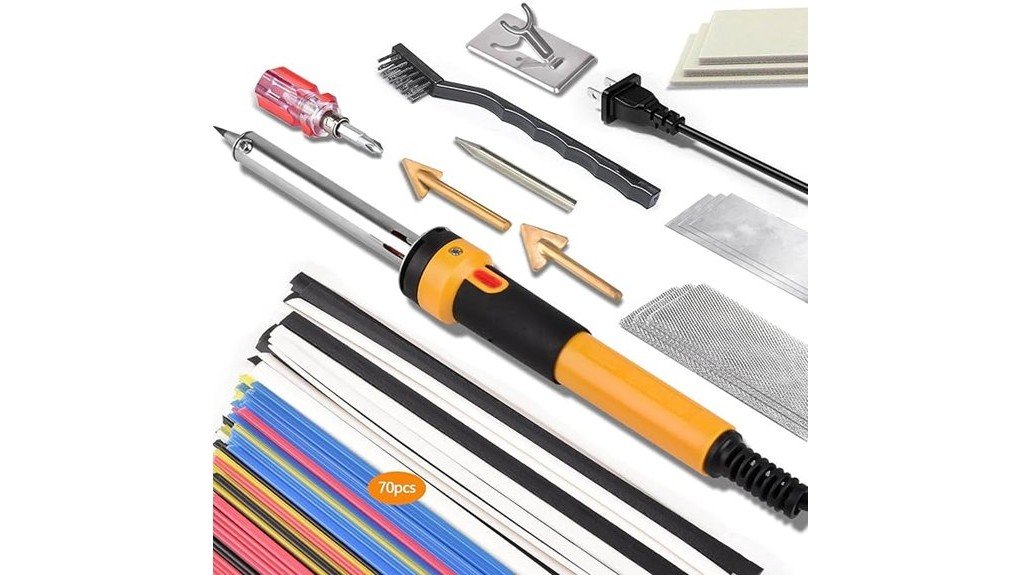
| Included welding rods | 50 PP rods and 20 TPO rods |
| Included accessories | Three soldering iron tips, sandpaper, and aluminum foil tape |
| Best use | Plastic repairs on car bumpers, dashboards, kayaks, plastic toys, and similar items |
| Power source | Electric |
| Cool-down note | Allow about 15 to 30 minutes before handling after use |
| Support note | Article states lifetime after-sale service and warranty coverage, but terms should be checked on the listing before purchase |
Before You Buy: Confirm that the plastic you plan to repair matches the rod type and product instructions. The supported article details name PP and TPO rods, so this kit should not be treated as a guaranteed fix for every plastic material.
Key Takeaways
- The 150W power and ceramic heating technology are the main reasons this welder is built for quick plastic repair sessions.
- The 20-second heat-up claim helps when you need to handle several small cracks or tabs without waiting long between repairs.
- The 1.2-pound, pen-shaped design should be easier to control than bulkier repair tools during detailed work.
- The included 50 PP rods, 20 TPO rods, three soldering iron tips, sandpaper, and aluminum foil tape give you a stronger starter kit than a bare tool.
- You should use it with good ventilation and allow 15 to 30 minutes of cool-down time before handling the hot tool or tips.
What Is the 150W Rapid Heating Plastic Welder?
The 150W Rapid Heating Plastic Welder is an electric repair tool made to soften and join compatible plastic parts. It uses built-in heating ceramic technology and is described as reaching working temperature in about 20 seconds. That makes it useful for quick repair jobs where slow warm-up time would interrupt your workflow.
The kit is aimed at DIY repair users who want to fix cracked or damaged plastic instead of replacing the whole item. The article-supported use cases include car bumpers, dashboards, kayaks, and plastic toys. It is most convincing for buyers who want a compact kit with rods, tips, and basic prep accessories included.
The product name does not list a verified brand in the source article, and the Amazon page could not be fully verified during this edit. For that reason, this review does not add unverified brand, dimensions, certifications, ratings, or review counts.
Who Should Buy It?
Best For
- DIY users who repair plastic bumpers, dashboards, kayak parts, toys, or other compatible plastic items.
- Buyers who want a lightweight 1.2-pound tool for controlled, hand-guided plastic welding.
- Anyone who wants a starter kit with PP rods, TPO rods, tips, sandpaper, and aluminum foil tape included.
Skip If
- You need verified compatibility with plastics beyond the included PP and TPO rod types.
- You want a tool with verified brand, exact dimensions, certification details, or a detailed printed warranty in the article.
- You are not comfortable working with heated tools, fumes, and plastic repair prep.
Feature-by-Feature Review
Heating Performance
The headline feature is the 150W power rating paired with built-in heating ceramic technology. The article states that the tool reaches ideal working temperature in about 20 seconds, which helps when you need to make a quick repair or move between several small weld points.
Fast heat-up is useful, but it also means you need to work carefully. Let the tool reach temperature, make controlled passes, and avoid pressing too long in one spot. Too much heat can deform thin plastic or make a visible repair messier than needed.
Design and Handling
The welder uses a compact, ergonomic, pen-shaped design and weighs 1.2 pounds. That matters because plastic repair often requires small movements around cracks, tabs, seams, or curved edges. A lighter tool can help reduce hand fatigue during longer repair sessions.
The pen shape should feel more natural for detail work than a large gun-style tool. It may still require practice if you have never welded plastic before. Start on scrap material when possible so you can learn the heat, angle, and pressure before touching the part you care about.
Rod Compatibility and Included Accessories
The kit includes 50 PP plastic welding rods and 20 TPO rods. PP and TPO are common in many plastic repair situations, but you should still identify the material before you weld. Using the wrong rod can lead to a weak bond or a repair that fails under stress.
You also get three soldering iron tips, sandpaper, and aluminum foil tape. The sandpaper helps prep the surface, while the tape can help manage the repair area during certain jobs. The included accessories make the kit more useful out of the box than a tool-only purchase.
Repair Range and Practical Use
The article-supported applications include car bumpers, dashboards, kayaks, and plastic toys. These are useful examples because they cover both automotive and household repairs. The tool is best suited to plastic parts where you can clean the area, access the damaged section, and work safely without nearby heat-sensitive materials.
This is not a magic fix for every crack. Large structural damage, safety-critical vehicle parts, or plastics you cannot identify may need a professional repair or replacement. Treat this welder as a hands-on repair tool, not a substitute for proper inspection.
Customer Support and Warranty
The source article states that the product includes lifetime after-sale service and warranty coverage. That is useful because new users may need help with tips, rods, setup, or replacement parts. However, warranty length, coverage limits, and claim steps can vary by seller, so check the live Amazon listing before you rely on those terms.
Pro Tip: Before your first repair, look for a material marking on the plastic part, clean and sand the repair area, and test the rod on a hidden or scrap section when possible.
How It Performs in Real Use
For Car Bumper and Dashboard Repairs
For bumper and dashboard work, the compact design is the main advantage. You can guide the tip around cracks, edges, and small tabs with better control than a larger tool. The PP and TPO rods may be useful for many automotive plastic repairs, but you should confirm the part material before starting.
For Kayaks and Outdoor Plastic Items
Kayak repairs can benefit from a tool that heats quickly and includes welding rods. The 20-second heat-up claim helps when you are doing small patch work or touching up a damaged edge. Because outdoor gear can face flex, water, and impact, test the repair before relying on it in the field.
For Plastic Toys and Household Items
For toys and household items, the low tool weight and pen-shaped design help with small, careful repairs. You should avoid using the tool near batteries, electronics, painted surfaces, or thin plastic that could melt too quickly. Keep children away from the work area and allow the part to cool fully before handling.
For Small Workshop or Emergency Repair Use
This kit makes sense as a small repair option in a garage, workshop, or home tool shelf. Since it includes rods, tips, sandpaper, and foil tape, you do not have to gather every basic accessory separately. The main limitation is that replacement rods and tips should match the tool and the plastic type you plan to repair.
How to Use It Correctly
- Identify the plastic first. Match the repair rod to the plastic whenever possible. The article-supported rod types are PP and TPO.
- Clean the damaged area. Remove dirt, oils, and loose plastic so the weld has a better chance to bond.
- Sand the surface lightly. Use the included sandpaper to roughen the repair area where needed.
- Heat the tool fully. The article states that it reaches working temperature in about 20 seconds.
- Use steady pressure. Move slowly and avoid holding the hot tip in one spot too long.
- Let it cool. Allow the tool and repaired plastic to cool before touching, trimming, sanding, or testing the repair.
Compatibility and Safety Notes
This tool uses heat to soften plastic, so ventilation matters. The original FAQ notes that indoor use should include adequate ventilation because plastic fumes may be released during operation. Work in an open, well-ventilated area and follow the product instructions.
Allow about 15 to 30 minutes of cool-down time after use, depending on the room and work conditions. Do not touch the heated tip, freshly softened plastic, or nearby metal accessories until they are safe to handle. Keep the tool away from children, pets, flammable materials, and surfaces that can melt.
If a repair affects vehicle safety, load-bearing strength, watertight performance, or electrical parts, consider professional guidance. A plastic welder can restore many items, but some damaged parts should be replaced instead of repaired.
Pros and Cons
Pros
- 150W power supports practical plastic welding for common DIY repair jobs.
- About 20-second heat-up helps reduce waiting during quick repairs.
- 1.2-pound, pen-shaped design improves control for detailed work.
- Includes 50 PP rods, 20 TPO rods, three tips, sandpaper, and aluminum foil tape.
- Useful for several article-supported applications, including bumpers, dashboards, kayaks, and plastic toys.
Cons
- Brand, dimensions, certifications, and detailed warranty terms were not verified from the source article.
- Material compatibility depends on matching the rod and plastic type correctly.
- Requires ventilation, cool-down time, and careful handling around heat and fumes.
Is It Worth the Price?
The 150W Rapid Heating Plastic Welder looks like a strong value for the price if you need a compact starter kit rather than a bare heating tool. The included PP rods, TPO rods, tips, sandpaper, and foil tape add practical value because they help you begin common repair jobs sooner.
It is worth considering if you care most about fast heat-up, lightweight handling, and basic accessory coverage. It is not the best fit if you need verified compatibility with many plastic types, a known brand name, or detailed published warranty terms before you buy.
How It Compares to Alternatives
Compared with a simple adhesive repair kit, this plastic welder gives you a heat-based repair method and included rods, which can be better for compatible plastics that need a more integrated bond. Compared with larger hot air plastic welders, this pen-shaped tool should be easier to control for small repairs, but it may not be the best choice for broad, professional body-shop work.
Hot stapler kits are another common option for cracked plastic tabs and bumper damage. The 150W Rapid Heating Plastic Welder makes the most sense if you want a compact electric kit with rods and tips for general DIY repair rather than a single-purpose fastening tool.
Frequently Asked Questions
What plastics does the 150W Rapid Heating Plastic Welder work with?
The article-supported kit details include 50 PP rods and 20 TPO rods. For other plastics, check the product instructions and the material marking on the item before you weld.
How fast does it heat up?
The source article states that the tool reaches working temperature in about 20 seconds. Let it heat fully before starting, then use steady pressure instead of forcing the tip into the plastic.
Can you use it for car bumper repairs?
Yes, car bumpers are one of the article-supported use cases. You should still confirm the bumper material and avoid repairing safety-critical damage without proper inspection.
Is it safe to use indoors?
The original article says indoor use requires adequate ventilation because plastic fumes may be released. Work in a ventilated area, keep the hot tool away from flammable materials, and follow the product instructions.
How long does it take to cool down after use?
The article gives a cool-down range of about 15 to 30 minutes, depending on the environment. Do not touch the tip or freshly softened plastic until they are safe to handle.
What comes in the kit?
The article lists 50 PP welding rods, 20 TPO welding rods, three soldering iron tips, sandpaper, and aluminum foil tape. Check the current Amazon listing before purchase in case package contents vary by seller or listing update.
Are replacement tips available?
The source article says replacement tips are available for purchase. Before ordering, confirm tip compatibility with this exact tool or contact customer support for the correct replacement option.
The Bottom Line
The 150W Rapid Heating Plastic Welder is recommended with caveats for DIY users who want fast heat-up, light handling, and a starter set of PP and TPO rods for compatible plastic repairs. Skip it if you need verified brand details, broad plastic compatibility, or a professional solution for safety-critical damage. Its strongest advantage is the complete starter-kit feel, while its main limitation is the need to confirm material fit before each repair.