Disclosure: As an Amazon Associate, we earn from qualifying purchases. If you click a link on this page and make a purchase, we may receive a small commission at no extra cost to you.
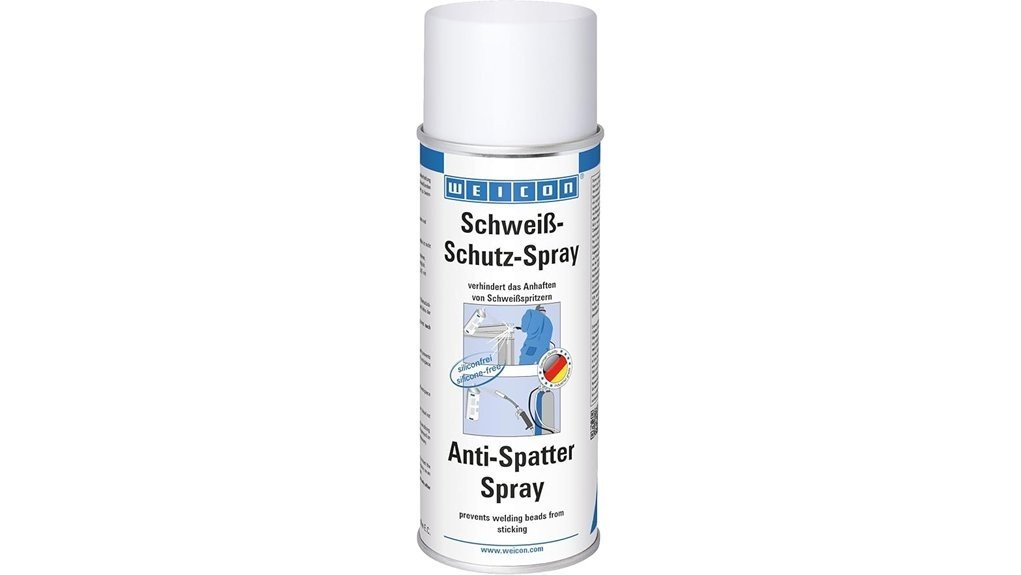
Welding spatter can turn a clean job into extra scraping, grinding, and nozzle maintenance. The WEICON Anti-Spatter Spray is made to help stop weld spatter from sticking to gas nozzles and nearby workpiece surfaces. This review looks at how its silicone-free, SLV-tested formula fits real shop use, where it helps most, and where you still need proper prep and safety habits. It is a practical add-on for cleaner welding, but it does not replace correct welding technique, ventilation, or surface inspection.
Quick Verdict
Rating: Recommended with caveats, 8.2/10
Best For: Welders who want cleaner nozzles, easier surface cleanup, and a silicone-free anti-spatter option.
Bottom Line: WEICON Anti-Spatter Spray is a useful choice if you want to reduce spatter adhesion during welding and keep after-treatment steps easier. The main tradeoff is that it still requires correct application distance, safe spray handling, and surface checks before painting or galvanizing.
| Specification | Detail |
|---|---|
| Brand | WEICON |
| Product | Anti-Spatter Spray |
| Product type | Welding anti-spatter spray |
| Formula note | Silicone-free, based on the article details |
| Testing note | SLV-tested, based on the article details |
| Primary use | Helps prevent welding spatter from sticking to gas nozzles and workpiece surfaces |
| Application distance | About 15 cm for welding nozzles and about 25 cm for workpiece surfaces, as stated in the article |
| Coverage guidance | Protects about 10 cm to the right and left of the weld seam when applied correctly, based on the article details |
| Best use | Shop, fabrication, repair, and welding tasks where cleaner nozzles and easier after-treatment matter |
What Is the WEICON Anti-Spatter Spray?
WEICON Anti-Spatter Spray is a welding support product designed to reduce spatter adhesion. You apply it to the gas nozzle or to the workpiece area near the weld seam before welding. When used correctly, it helps keep molten spatter from bonding strongly to those treated surfaces.
The article-supported details point to three main strengths: a silicone-free formula, SLV-tested quality, and use on both nozzles and workpiece surfaces. Those details make it more useful for welders who need a cleaner work area and smoother after-treatment steps, such as painting or galvanizing.
This is not a welding performance upgrade by itself. It will not fix poor settings, bad fit-up, contaminated metal, or weak technique. Think of it as a cleanup and protection aid that works best when your welding process is already under control.
Who Should Buy It?
Best For
- Welders who want to reduce spatter buildup on gas nozzles.
- Shop users who need cleaner workpiece surfaces before painting or galvanizing.
- Fabricators who prefer a silicone-free anti-spatter spray for routine welding tasks.
Skip If
- You need verified can size, quantity, or warranty details before buying.
- You expect a spray to solve spatter caused by poor machine settings or dirty base metal.
- You cannot follow aerosol safety instructions, ventilation needs, and surface-prep steps.
Before You Buy: This spray helps reduce spatter adhesion, but it does not replace proper welding setup or final cleaning. Always check the product label and test on a small area before using it on surfaces that will be painted, coated, or galvanized.
Product Features and Benefits
Spatter Prevention on Nozzles
The main benefit of WEICON Anti-Spatter Spray is simple: it helps stop welding spatter from sticking to the gas nozzle. That matters because nozzle buildup can affect shielding gas flow, visibility, and general work quality. Keeping the nozzle cleaner can also reduce the time you spend scraping spatter between passes.
The article states that the spray should be applied from about 15 cm away when treating welding nozzles. That distance helps you apply a more even layer without flooding the surface. A light, controlled application is usually more useful than overspraying.
Workpiece Surface Protection
The spray is also described for use on workpiece surfaces near the weld seam. The article gives a workpiece application distance of about 25 cm and notes coverage about 10 cm to the right and left of the weld seam. This makes it useful when you want to reduce stuck-on spatter around the welded area.
That cleaner surface can help after the weld, especially when the part needs later finishing. If you plan to paint, galvanize, or coat the part, inspect the surface carefully and follow all cleaning instructions before finishing. Anti-spatter spray can reduce cleanup, but it does not remove the need for proper surface prep.
Silicone-Free Formula
The article identifies this spray as silicone-free. That detail is important for buyers who want to avoid silicone contamination around surfaces that may later be painted or treated. Silicone-free does not mean you can skip cleaning, but it does make the product more suitable for finish-sensitive work than many general-purpose sprays.
You should still follow the product label and the requirements of your finishing process. Paint systems, coatings, and galvanizing processes can have strict surface-prep rules. When the finished appearance matters, test first and avoid heavy overspray.
SLV-Tested Quality Claim
The article also describes the spray as SLV-tested. For a welding accessory, that gives the product a stronger quality signal than a generic shop spray with no testing claim. It supports the idea that WEICON designed this product for welding-related use, not just general lubrication or surface treatment.
That said, testing claims should be treated as one part of your decision. You should still choose the product based on your welding process, material, surface finish needs, and shop safety rules.
Application and Usage Instructions
Correct use matters with any anti-spatter spray. For welding nozzles, the article recommends applying from about 15 cm away. For workpiece surfaces, it recommends about 25 cm. Those distances help you apply a controlled film instead of a heavy wet layer.
When treating the workpiece, focus on the area close to the weld seam. The article-supported guidance covers about 10 cm to the right and left of the seam. That gives nearby surfaces some protection without coating more of the workpiece than needed.
Pro Tip: Apply a light, even coat before welding, then inspect the surface after the job. Use the 15 cm nozzle distance and 25 cm workpiece distance as practical starting points, and avoid spraying areas that do not need protection.
How It Performs in Real Use
For Routine Shop Welding
In regular shop use, the spray is most helpful when you want to spend less time cleaning spatter from nozzles and nearby surfaces. It is especially useful on repeat tasks where spatter buildup slows the work. You still need correct gas flow, settings, and technique for the best result.
For Nozzle Maintenance
Gas nozzles can collect spatter quickly during welding. By helping reduce adhesion, WEICON Anti-Spatter Spray can make nozzle maintenance easier. This does not mean the nozzle will stay spotless, but it can make buildup less stubborn.
For Workpieces That Need Finishing
The spray is useful when a welded part will later be painted or galvanized. Less stuck-on spatter can mean less grinding and scraping before finishing. Because finishing work is sensitive, you should still clean and inspect the surface according to the finishing requirements.
For Cleaner Work Habits
A cleaner welding area can improve speed and consistency, especially when you work on several parts in one session. The biggest benefit is not only less visible mess. It is the time saved when you do not have to fight spatter that bonded tightly to treated areas.
Compatibility and Safety
The article supports use on gas nozzles and workpiece surfaces, but it does not verify every metal, coating, or finish type. For that reason, you should test on a small area when surface appearance or later coating quality matters. This is especially important on painted, coated, polished, or finish-critical parts.
Because this is a spray product used around welding work, follow the product label closely. Use it with suitable ventilation, keep it away from unsafe heat or ignition conditions as directed by the label, and avoid spraying more than needed. If your workplace has specific welding safety rules, follow those rules first.
Pros and Cons
Pros
- Helps prevent spatter from sticking to gas nozzles and workpiece surfaces.
- Silicone-free formula is useful for finish-sensitive welding work.
- Article-supported application distances make it easier to use correctly.
- Can reduce cleanup before later painting or galvanizing steps.
- SLV-tested claim gives it a stronger welding-use quality signal.
Cons
- Can size, quantity, and warranty details were not verified from the supplied article.
- Still requires correct welding settings, clean base metal, and safe spray handling.
- May require surface testing before painting, coating, or galvanizing critical parts.
Quality Assurance and Compliance
WEICON Anti-Spatter Spray stands out in the original article because of its silicone-free and SLV-tested claims. Those details help position it as a welding-focused product rather than a basic shop aerosol. The article also notes compliance with physical, safety, toxicological, and ecological requirements, which supports its use as a more responsible workshop choice.
Even with those claims, you should treat safety and compatibility as part of your own workflow. Read the label, use the spray only as directed, and check whether your workplace or finishing process has extra requirements. A good anti-spatter spray should make cleanup easier, not create new surface-prep problems.
Is It Worth the Price?
WEICON Anti-Spatter Spray is worth considering if you want a cleaner welding process and prefer a silicone-free product. It offers the most value for welders who often deal with spatter on nozzles or workpieces and want to reduce cleanup time.
It is a smart buy for everyday use if you weld often enough for nozzle cleaning and surface scraping to become a recurring problem. Casual users may still benefit, but the value is strongest when you use it regularly and apply it correctly.
The main limitation is missing verified package detail in the supplied article. Before buying, check the current Amazon listing for can size, quantity, shipping details, and any seller-specific information.
How It Compares to Alternatives
Compared with basic nozzle dip products, a spray can be easier to apply across both a gas nozzle and a nearby workpiece surface. Compared with general workshop sprays, WEICON Anti-Spatter Spray makes more sense because the article specifically identifies it as silicone-free and intended for welding spatter control.
If you want the least mess, a spray format may be more convenient than dipping. If you need long-lasting protection for a very specific industrial process, compare it with other welding anti-spatter products and check the technical data before committing.
Frequently Asked Questions
What is WEICON Anti-Spatter Spray used for?
It is used to help prevent welding spatter from sticking to gas nozzles and workpiece surfaces. This can reduce scraping, grinding, and cleanup after welding.
Is WEICON Anti-Spatter Spray silicone-free?
Yes, the supplied article identifies the product as silicone-free. That matters if you want to avoid silicone contamination around surfaces that may later be painted, coated, or galvanized.
How far away should you spray it?
The article recommends about 15 cm for welding nozzles and about 25 cm for workpiece surfaces. A light, even coat is usually better than heavy overspray.
Can it be used before painting or galvanizing?
The article notes that cleaner surfaces can help with later processes such as painting or galvanizing. You should still clean, inspect, and prepare the surface according to the finishing process before applying any coating.
Does it stop all welding spatter?
No anti-spatter spray can guarantee a perfectly clean job. It helps reduce adhesion, but your welding settings, base-metal condition, shielding gas, and technique still affect how much spatter you get.
Is it safe for every metal type?
The article supports use on welding nozzles and workpiece surfaces, but it does not verify every metal or finish. Test first when working on coated, painted, polished, or finish-critical materials.
Who should skip this product?
Skip it if you need verified package size, quantity, or warranty details before purchase. You should also skip it if you expect a spray to fix welding problems caused by poor setup, dirty metal, or incorrect settings.
The Bottom Line
WEICON Anti-Spatter Spray is a practical choice for welders who want cleaner nozzles and less spatter stuck around the weld seam. Its strongest points are the silicone-free formula, SLV-tested claim, and clear article-supported use on nozzles and workpiece surfaces.
You should skip it if you need fully verified package details before buying or if your real problem is welding setup rather than cleanup. For regular shop use, it is recommended with caveats because it can save cleanup time when applied correctly.