Disclosure: As an Amazon Associate, we earn from qualifying purchases. If you click a link on this page and make a purchase, we may receive a small commission at no extra cost to you.
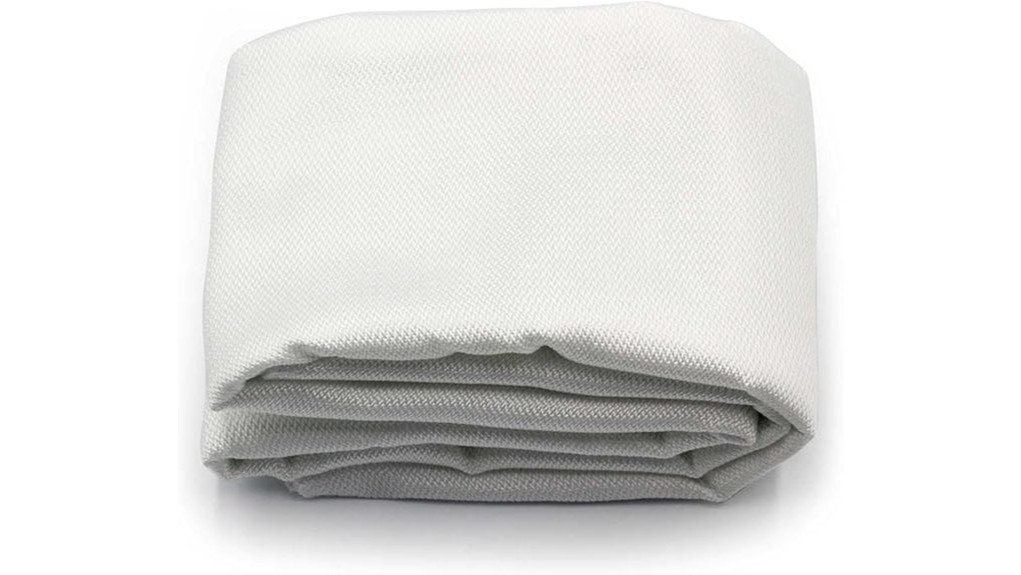
Hot work can damage nearby benches, walls, tools, and stored materials faster than you expect. The Heavy Duty Fiberglass Fire Blanket gives you a 60 x 40 inch fiberglass shield for sparks, splatter, and short-term heat exposure during welding, grinding, cutting, and repair work. Its listed heat resistance of up to 1400°F makes it useful for focused protection in a garage or small workshop. The main tradeoff is coverage, since this size works better as a targeted barrier than a full welding enclosure.
Quick Verdict
Rating: Recommended with caveats
Best For: Garage welders, DIY metal fabrication, small shop spark shielding
Bottom Line: This fiberglass blanket is worth considering if you need a flexible heat and spark barrier for localized work. It is not the right choice if you need documented industrial fire-barrier certification or enough coverage for a full wall, booth, or room.
| Specification | Detail |
|---|---|
| Product Type | Heavy duty welding and fire blanket |
| Dimensions | 60 x 40 inches |
| Material | Fiberglass |
| Max Temperature Resistance | Up to 1400°F (750°C) |
| Flame Resistance | Listed as 100% flame retardant |
| Design | Flexible sheet for draping, hanging, or laying flat |
| Use Surface | Vertical and horizontal applications |
| Best Use | Localized spark, splatter, and heat shielding during welding, grinding, and cutting |
| Coverage Note | Best for small zones, benches, equipment, and partial wall protection |
| Safety Note | Wear gloves when handling fiberglass and follow workshop fire-safety practices |
| Brand | Not specified in the supplied product details |
What Is the Heavy Duty Fiberglass Fire Blanket?
The Heavy Duty Fiberglass Fire Blanket is a heat-resistant safety sheet made for shielding surfaces, equipment, and nearby work areas during hot work. You can use it as a temporary barrier when welding, torch cutting, grinding, or doing small fabrication repairs that throw sparks.
The key details are its fiberglass construction, 60 x 40 inch size, and listed resistance up to 1400°F. That combination gives you a flexible layer you can position around a specific work zone without building a permanent enclosure.
It makes the most sense for controlled shop tasks where you already know the spark path and need extra protection around benches, tools, cords, or nearby surfaces. It should not replace proper fire prevention, fire watch practices, ventilation, personal protective equipment, or a certified welding curtain system when your job requires one.
Who Should Buy It?
Best For
- DIY welders who need a portable spark shield for garage projects
- Small fabrication jobs involving grinding, cutting, or tack welding
- Protecting benches, tools, flooring, and nearby equipment from hot debris
Skip If
- You need full-room, full-wall, or booth-style welding enclosure coverage
- Your workplace requires documented industrial fire-barrier certification
- You need a thicker mat for heavy abrasion, dragging parts, or rough floor use
Before You Buy: Measure the area you need to protect before ordering. A 60 x 40 inch blanket can cover a bench section or small shield zone, but it will not cover a large wall, doorway, vehicle, or complete welding bay.
Key Features and Protection Performance
Fiberglass Heat Resistance
The fiberglass construction is the main reason this blanket works for welding and shop protection. Fiberglass resists flame and high heat better than ordinary cloth, so it can block sparks and hot particles before they reach nearby surfaces.
The listed maximum temperature resistance is up to 1400°F (750°C). That rating supports common shielding tasks around welding, grinding, and cutting, but you should still avoid pressing the blanket directly against a sustained heat source longer than necessary.
Spark and Splatter Control
Grinding sparks and weld spatter can mark painted surfaces, burn plastic, damage cords, and create fire risk around dust or flammable clutter. The dense fiberglass layer helps stop those particles from landing directly on the items you want to protect.
This matters most in small workspaces where tools, shelves, cardboard, wood, or stored gear sit close to your metalworking area. The blanket gives you a simple way to create separation when you cannot move everything away from the job.
Flexible Placement
You can use this blanket flat on a bench, behind a workpiece, under a cutting area, or hanging as a small curtain. That flexibility is useful because spark direction changes based on grinder angle, torch position, and part shape.
The 60 x 40 inch size also keeps it manageable for one person. You can move it from job to job without dealing with a large industrial curtain, but the smaller footprint means placement matters.
Pro Tip: Place the blanket beyond the expected spark path, not just beside the workpiece. If you use more than one blanket, overlap the edges slightly so sparks do not slip through gaps.
Placement Tips for Better Results
Start by clearing loose flammable materials from the area, then place the blanket between the work and the surfaces you want to protect. Do not rely on the blanket as your only safety step if rags, paper, fuel, sawdust, or solvents remain nearby.
For bench work, lay the blanket under or behind the hot zone while keeping the workpiece stable. For vertical shielding, secure the blanket so it cannot swing into the arc, torch, grinder, or moving part.
Leave a small air gap between the blanket and sensitive surfaces when the setup allows it. The gap can reduce direct heat transfer and gives the protected surface more room to cool.
How It Performs in Real Use
For MIG and Stick Welding
During small MIG or stick welding jobs, the blanket works best as a nearby shield for surfaces that sit just outside your weld area. It can help protect a bench edge, tool cart, wall section, or stored equipment from stray spatter.
For Grinding and Cutting
Grinding and cutting often send sparks farther than welding. Positioning the blanket behind the work area or under the spark stream can reduce burn marks on flooring, paint, plastic, and nearby tools.
For Garage Safety
Home garages often mix metalwork with storage, vehicles, chargers, wood shelves, and household items. This blanket adds a useful barrier, but you still need to move flammable items away and keep a suitable fire extinguisher accessible.
For Temporary Heat Shielding
The blanket can help during short repair or fabrication tasks when you need fast, movable protection. It is better for temporary shielding than permanent installation because the article does not confirm hardware, grommets, mounting specs, or certification details.
Material Safety and Comfort
This blanket uses fiberglass, so you should handle it with gloves instead of bare hands. Fiberglass fibers can irritate skin, and moving or folding the blanket may release loose fibers from the surface.
Long sleeves, gloves, and eye protection make handling safer, especially when the blanket has been exposed to sparks, slag, or shop dust. Store it away from clean clothing, upholstery, and surfaces where loose fibers would be a problem.
Do not use this as a personal escape blanket, kitchen fire blanket, or child-safe safety blanket unless the product label specifically approves that use. For welding and fabrication, treat it as a shop shield, not a substitute for PPE or fire-safety planning.
Cleaning, Storage, and Maintenance
Let the blanket cool fully before you fold, shake, or store it. Trapped heat, hot slag, or embedded particles can damage nearby surfaces if you put it away too soon.
After use, inspect the fiberglass surface for cuts, heavy burn-through, brittle areas, or spots that no longer lie flat. Replace the blanket if damage creates gaps where sparks can pass through.
Store it dry and folded loosely when possible. Keeping it away from moisture, sharp tools, and heavy parts can help the fiberglass layer stay usable longer.
Pros and Cons
Pros
- Rated for high heat exposure up to 1400°F (750°C)
- Fiberglass construction helps block sparks, slag, and spatter
- Flexible design works in vertical and horizontal positions
- 60 x 40 inch size is manageable for garage and bench use
- Useful for welding, grinding, cutting, and temporary heat shielding
Cons
- Limited 60 x 40 inch coverage will not protect a full workspace
- Fiberglass may irritate skin if you handle it without gloves
- Not ideal for jobs that require certified industrial enclosure documentation
Need a focused welding shield?
Is It Worth the Price?
This fiberglass welding blanket fits a practical mid-range safety category. It is worth considering if you need a flexible shield for occasional welding, garage fabrication, repair work, or grinding jobs that create sparks near valuable surfaces.
You get the most value if your main need is targeted protection rather than a large enclosure. The 60 x 40 inch size is easy to place and store, but it limits how much surface area you can protect at one time.
It is not the best fit if your shop needs a thicker abrasion-resistant mat, a larger welding curtain, or documented compliance for industrial hot-work areas.
How It Compares to Alternatives
Compared with silicone-coated welding mats, this fiberglass blanket is usually lighter and easier to drape, but it may offer less abrasion resistance when dragged across rough metal or concrete. Compared with larger welding curtains, it is easier to move and store, but it covers far less area.
Carbon felt pads or thicker welding mats may suit bench-top soldering, brazing, or repeated contact with sharp parts. This Heavy Duty Fiberglass Fire Blanket makes the most sense when you want flexible, localized spark and heat shielding for general workshop use.
Frequently Asked Questions
Can this blanket be used for overhead welding protection?
Yes, it can be used as overhead shielding in small setups if you secure it properly. Keep it stable so it cannot swing into the work area, arc, torch, grinder, or operator.
Is fiberglass safe to handle directly?
You should avoid direct skin contact because fiberglass fibers can irritate your skin. Wear gloves and long sleeves when placing, folding, or storing the blanket.
Can it be used for cutting and grinding work?
Yes, it is suitable for cutting and grinding tasks where sparks and hot debris are present. Place it behind or under the spark path for better surface protection.
What is the maximum heat resistance?
The article-supported rating is up to 1400°F (750°C). Use that as a shielding guideline, not as permission to leave the blanket in direct, sustained contact with a heat source.
Is the 60 x 40 inch size large enough for a workshop?
It is large enough for targeted protection around a bench, tool cart, small wall section, or floor area. It is not large enough for full-room, full-wall, or booth-style protection.
Can this replace a welding curtain or full enclosure?
No, not for large or regulated work areas. Use it as an add-on shield for localized sparks and heat, not as a complete replacement for a proper welding curtain, screen, or certified enclosure.
How should you store it after use?
Let it cool completely, inspect it for damage, then fold it loosely and store it in a dry area. Keep it away from clean fabrics and surfaces if loose fiberglass fibers are a concern.
Who should skip this fiberglass fire blanket?
Skip it if you need a large industrial curtain, certified barrier documentation, or a thick mat for heavy abrasion. It is better for targeted garage and workshop shielding than full-area containment.
The Bottom Line
The Heavy Duty Fiberglass Fire Blanket is a practical choice if you need localized spark and heat protection for welding, grinding, cutting, or small fabrication work. Its strongest points are the fiberglass construction, 60 x 40 inch flexibility, and listed 1400°F heat resistance, while its biggest limitation is the small coverage area.
Buy it for focused garage or workshop shielding. Skip it if you need full enclosure coverage, certified industrial documentation, or a heavier abrasion-resistant mat.