Disclosure: As an Amazon Associate, we earn from qualifying purchases. If you click a link on this page and make a purchase, we may receive a small commission at no extra cost to you.
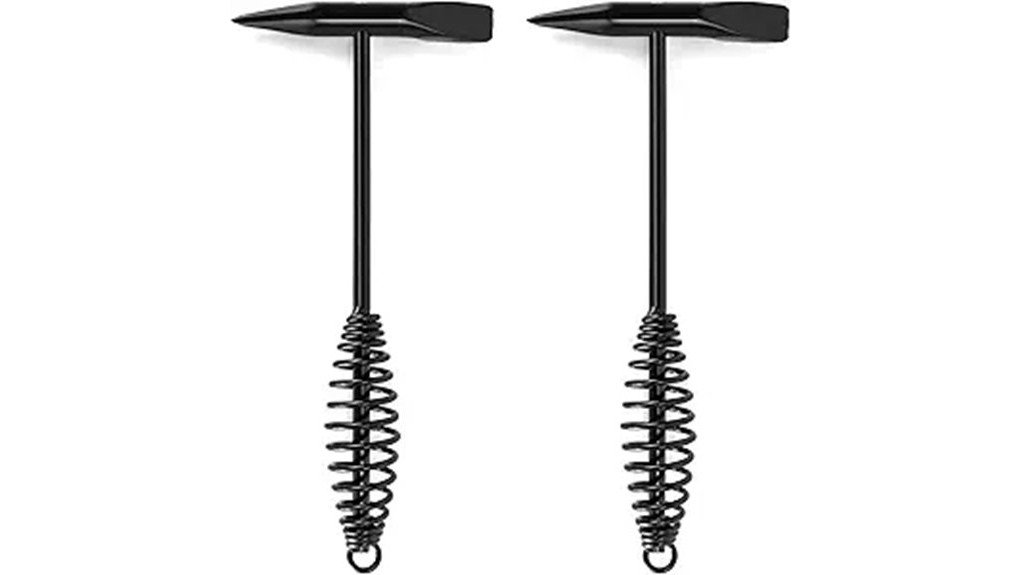
Cleaning slag from a weld looks simple until a weak hammer slows you down, chips poorly, or sends sharp debris in the wrong direction. The QWORK Welding Chipping Hammer is made for welders who need a compact manual tool for slag removal, weld seam cleanup, and light surface work. Its 10.5-inch two-head design, high-carbon steel body, and spring handle give it a useful mix of control and impact for everyday shop tasks. This review helps you decide whether it is enough for your welding bench or too light for your workload.
Quick Verdict
Rating: 8/10, Recommended with caveats
Best For: Welders, fabrication workers, maintenance users, and DIY metalworkers who need a compact slag removal hammer
Bottom Line: The QWORK Welding Chipping Hammer offers solid control, a useful two-head layout, and a spring handle that helps reduce hand fatigue. Its main tradeoff is impact power, so it fits weld cleanup better than demolition or thick concrete work.
| Specification | Detail |
|---|---|
| Brand | QWORK |
| Model / ASIN | B0B6ZTH7W8 |
| Product Type | Manual welding chipping hammer |
| Design | Two-head hammer with tapered chipping tip and broader striking end |
| Length | 10.5 inches |
| Weight | Approx. 1.5 lbs |
| Material | High-carbon steel |
| Handle | Spring vibration-absorbing handle |
| Power Source | Manual hand tool |
| Best Use | Weld slag removal, weld seam cleaning, light masonry residue cleanup, and small surface breaking tasks |
| Care Note | Clean after use and lightly oil the metal surface to help reduce rust |
| Safety Note | Use gloves and eye protection when chipping slag or striking hard surfaces |
What Is the QWORK Welding Chipping Hammer?
The QWORK Welding Chipping Hammer is a manual cleanup tool for removing slag after welding. It uses a two-head design, so you can use the tapered end for more focused chipping and the broader end for loosening debris across a wider area.
The 10.5-inch size makes it easy to control around weld beads, corners, and tighter work areas. At about 1.5 lbs, it has enough weight for light-to-moderate cleanup without feeling like a large demolition hammer.
The high-carbon steel construction gives the tool better resistance to repeated metal contact than a softer general-purpose hammer. The spring handle also helps reduce vibration transfer when you use repeated short taps during weld cleanup.
Who Should Buy It?
Best For
- Welders who need a dedicated hand tool for slag removal after stick welding or flux-core work
- DIY metalworkers who want a compact hammer for garage fabrication projects
- Maintenance users who need a simple tool for light surface cleanup, small debris, and weld seam preparation
Skip If
- You need a heavy demolition hammer for concrete, brick removal, or structural breaking
- You want a powered needle scaler, air chisel, or electric cleanup tool for large production work
- You prefer a heavier hammer head for maximum impact instead of hand control
Design and Build Quality
High-Carbon Steel Body
The hammer uses high-carbon steel, which suits a tool that strikes slag, welded joints, and hard residue. This material choice matters because slag removal creates repeated metal-on-metal contact, and a softer tool can wear faster over time.
The tapered end helps you focus force on a smaller area when you need to chip slag from a weld bead. The broader end gives you more surface contact when you want to loosen debris or clean rough edges.
10.5-Inch Size and Control
The 10.5-inch length gives you enough reach for bench work, pipe work, repair jobs, and tight weld zones. It stays compact enough to keep near your welding setup instead of feeling like a large shop hammer.
This size works best when you value accuracy over brute force. You can make short, controlled strikes around the bead instead of swinging hard and risking damage to the finished weld.
Spring Handle Comfort
The spring handle is one of the tool’s more useful comfort features. It reduces some vibration before it reaches your hand, which helps during repeated cleanup after multiple weld passes.
You should still expect normal hand fatigue because this is a manual hammer. The spring handle helps with comfort, but it does not remove the effort needed for stubborn slag or thicker residue.
How It Performs in Real Use
For Welding Slag Removal
The QWORK hammer makes the most sense for slag removal after welding. The tapered tip lets you target slag along the bead, while the broader end can help loosen flakes and rough buildup after the first pass.
For best results, use controlled taps and work along the weld instead of striking randomly. This gives you better cleanup and lowers the risk of marking the surrounding metal.
For Weld Seam Prep and Inspection
After slag comes off, the hammer can help clear debris before brushing, grinding, or visual inspection. This is useful when you need to check the bead shape, find trapped slag, or prepare the surface for another pass.
It should not replace a wire brush or grinder for finishing work. Think of it as the first cleanup step, not the final finishing tool.
For Light Masonry Residue
The hammer can handle light masonry cleanup, such as small brick residue or thin mortar buildup. The compact size gives you more control than a large masonry hammer when the job is small.
It is not the right tool for breaking thick concrete, removing large mortar sections, or doing demolition work. Those tasks need a heavier hammer or a powered tool.
For Extended Workshop Use
The spring handle helps when you clean several welds in one session. It reduces some vibration and gives the hammer a practical feel for repeated shop use.
The tradeoff is impact power. If you work in a high-volume fabrication setting with heavy slag all day, you may prefer a heavier chipping hammer or a powered scaler.
Pro Tip: Start with light taps along the edge of the slag, then increase force only if needed. This gives you more control and helps protect the weld bead from unnecessary marks.
How to Use It Correctly
Hold the hammer firmly, keep your face away from the strike path, and chip in short passes instead of using long, heavy swings. Slag can break loose quickly, so controlled movement is safer and cleaner than aggressive striking.
Use the tapered tip when you need precision around the weld bead. Use the broader end when you want to loosen larger flakes or knock residue away from a wider surface.
After chipping, follow with a wire brush if you need a cleaner surface for inspection, grinding, painting, or another weld pass. The hammer removes hard slag, while brushing clears smaller particles left behind.
Before You Buy: This is a compact welding cleanup hammer, not a demolition tool. Choose a heavier hammer, air chisel, or powered scaler if you need to break thick concrete, heavy brick, or large industrial buildup.
Safety and Material Notes
Chipping slag can send small metal fragments into the air. Always wear gloves and eye protection before striking a weld, even if the cleanup looks minor.
Keep the workpiece stable before you start. A loose part can shift when struck, which makes the tool harder to control and increases the chance of a poor hit.
After use, wipe the hammer clean and remove any stuck slag or debris. A light coat of oil on the metal surface can help reduce rust during storage, especially if you keep your tools in a humid garage or shop.
Pros and Cons
Pros
- High-carbon steel body supports repeated slag removal and metal striking
- Two-head design gives you both precision chipping and wider debris removal
- 10.5-inch length works well in tight weld zones and small shop spaces
- Spring handle helps reduce vibration during repeated cleanup work
- Manual design needs no battery, air compressor, cord, or setup time
Cons
- Not suitable for heavy industrial demolition or thick concrete breaking
- Manual tool requires effort during long cleanup sessions
- May feel too light if you prefer maximum striking force over control
Is It Worth the Price?
The QWORK Welding Chipping Hammer sits in the budget-to-mid-range category for welding hand tools. It offers strong value for the price if you need a simple, compact hammer for slag removal and light cleanup tasks.
You get the most value from it if you weld at home, maintain equipment, or handle small fabrication jobs where a manual hammer is enough. It is a smart buy for everyday use when you care more about control, portability, and quick access than heavy impact force.
It is not the best fit if your work involves thick concrete, large-scale demolition, or constant production cleanup. In that case, a heavier chipping hammer or powered scaler may save more time.
How It Compares to Alternatives
Compared with a basic wire brush, the QWORK hammer is better for knocking off hard slag before final cleaning. A brush is still useful afterward, but it does not provide the same focused impact.
Compared with a pneumatic needle scaler or air chisel, this hammer is slower but much simpler. It needs no compressor, power source, hose, or setup, so it makes more sense for smaller jobs, quick weld checks, and portable tool kits.
Compared with a heavier masonry hammer, this QWORK tool gives you better control around welds but less breaking force. Choose it for weld cleanup, not for major masonry or demolition work.
Frequently Asked Questions
Is the QWORK Welding Chipping Hammer good for beginners?
Yes, it is simple enough for beginners who need to clean slag after welding. Use light, controlled taps and wear gloves and eye protection during every cleanup session.
Can it replace a full-size demolition hammer?
No, it is designed for weld cleanup and light surface tasks. Use a heavier hammer or powered tool for concrete breaking, structural removal, or heavy masonry work.
What is the tapered end used for?
The tapered end is best for focused slag removal along a weld bead. It helps you chip smaller areas with more control than the broader striking end.
Does the spring handle remove all vibration?
No, the spring handle helps reduce vibration, but it does not eliminate hand impact. You may still feel fatigue during longer cleanup sessions or stubborn slag removal.
Can I use it for light masonry cleanup?
Yes, it can handle small residue or light mortar cleanup. It is not a replacement for a proper masonry hammer when you need heavy impact or larger breaking power.
How should I maintain the hammer?
Wipe it clean after use, remove stuck slag, and keep the striking surfaces free of heavy buildup. Lightly oil the metal surface before storage if rust is a concern.
Who should skip this welding hammer?
Skip it if you need heavy demolition force, powered cleanup speed, or a larger hammer head for tough impact work. It is better for controlled weld cleanup than high-force breaking.
The Bottom Line
The QWORK Welding Chipping Hammer is a practical choice if you need a compact, manual tool for slag removal, weld seam cleanup, and light surface work. Its best strengths are the two-head design, high-carbon steel construction, and spring handle comfort.
Buy it if you want a simple welding cleanup hammer for everyday shop or DIY use. Skip it if you need industrial impact force, powered speed, or a tool for heavy demolition.