Disclosure: As an Amazon Associate, we earn from qualifying purchases. If you click a link on this page and make a purchase, we may receive a small commission at no extra cost to you.
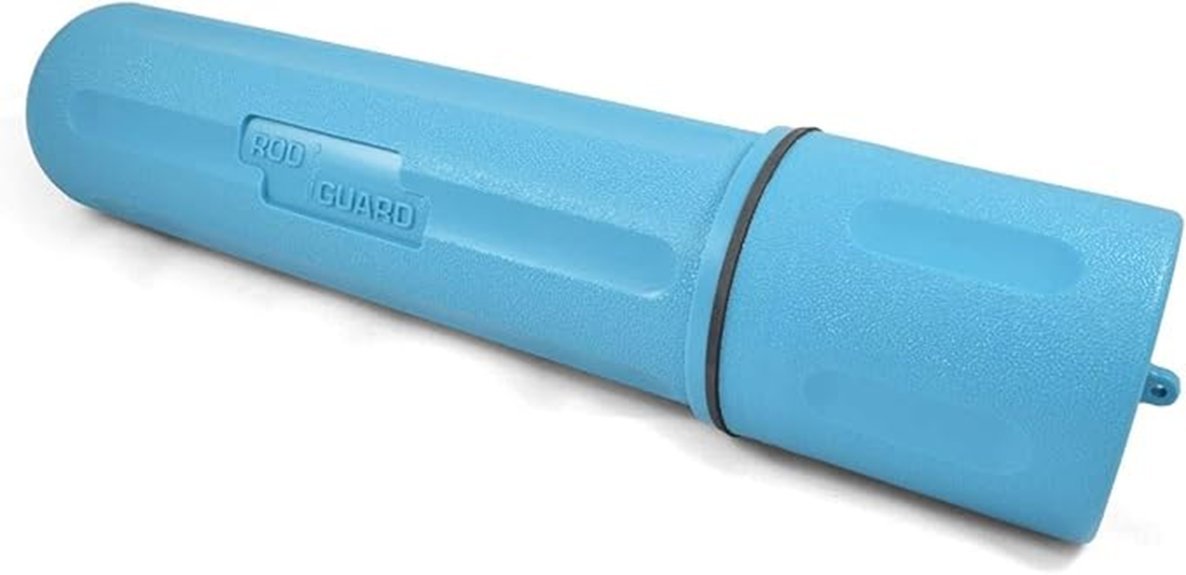
Keeping welding electrodes clean, organized, and protected from atmospheric moisture can be difficult when open boxes are sitting around your shop or truck. The Rod Guard RG100-4 Welding Electrode Storage Canister 4-Pack gives you four separate 14-inch containers for storing common 12-inch and 14-inch stick electrodes. Each canister holds up to 10 lb and uses a threaded cap with a sealing system designed to limit moisture contamination. The main limitation is important: these are storage canisters, not heated electrode ovens, so some low-hydrogen electrodes may still require controlled heated storage.
Quick Verdict
Rating: 8.5/10, Recommended with caveats
Best For: Welders who want separate, portable storage for 12-inch and 14-inch stick electrodes.
Bottom Line: The four-canister design gives you useful capacity, durable polyethylene construction, and better protection than leaving electrodes in open packaging. It is not a substitute for a heated rod oven when your electrode manufacturer, welding procedure, or code requires controlled low-hydrogen storage.
| Specification | Detail |
|---|---|
| Brand | Rod Guard |
| Model / Pack | RG100-4 |
| Product Type | Welding electrode storage canisters |
| Quantity | 4 canisters |
| Canister Length | 14 inches |
| Electrode Compatibility | 12-inch and 14-inch electrodes |
| Capacity | Up to 10 lb per canister |
| Material | High-impact polyethylene |
| Closure | Threaded cap with neoprene seal |
| Temperature Rating | Up to 225°F |
| Construction Note | Certified chloride-free |
| Country of Manufacture | USA |
What Is the Rod Guard RG100-4?
The Rod Guard RG100-4 is a four-pack of reusable storage tubes made for stick welding electrodes. Each tube measures 14 inches long and can hold up to 10 lb of 12-inch or 14-inch electrodes, giving you enough room to separate several electrode types instead of mixing them together in one container.
The canisters are made from high-impact polyethylene. A threaded cap and neoprene seal help isolate the contents from atmospheric moisture and shop contaminants. The design is simple, but that simplicity is useful when you need portable electrode storage without electrical power or a permanent cabinet.
Who Should Buy It?
Best For
- Shop welders who keep several types of 12-inch or 14-inch electrodes on hand.
- Mobile welders who want a tougher container than an opened cardboard electrode box.
- Buyers who want four separate containers for organizing rods by classification or job.
Skip If
- You mainly use electrodes longer than 14 inches.
- You need a heated holding oven for low-hydrogen electrode compliance.
- You only need one small container and have no reason to buy a four-pack.
Features and Benefits of the Welding Electrode Rod Guard Holder
Four-Canister Storage Design
The four-pack is more useful than a single tube when you work with several electrode classifications. You can dedicate one canister to each rod type and avoid repeatedly sorting mixed electrodes before a job.
Each canister can hold up to 10 lb. That capacity is substantial for portable storage while still keeping the rods divided into manageable containers.
High-Impact Polyethylene Construction
Rod Guard uses high-impact polyethylene for the canister body. This material is intended to protect electrodes from physical damage during normal workshop, storage, and transport use while keeping the container light enough to move around easily.
The reusable design also makes more sense than repeatedly relying on opened cardboard electrode packaging once the original package has been unsealed.
Threaded Cap and Neoprene Seal
The threaded cap uses a neoprene seal to help keep atmospheric moisture and contaminants away from the electrodes. A screw-on closure also gives you a more secure storage system than an open box or loosely fitted lid.
The seal still depends on correct use. Dirt on the sealing surface, a damaged gasket, or a cap that is not fully tightened can reduce its effectiveness.
Pro Tip: Label each canister with the electrode classification and size you keep inside. You can then identify the correct rods without repeatedly opening every container and exposing its contents to shop air.
Durability and Performance in Various Conditions
The high-impact polyethylene construction makes these canisters suitable for normal shop and job-site handling. They are also rated to withstand temperatures up to 225°F.
That temperature specification describes the canister’s heat tolerance. It does not mean the product heats, dries, or reconditions welding electrodes. The canister contains no heating element.
The main performance benefit is therefore protective storage. When the cap and seal are in good condition, the canister gives your electrodes a closed environment that reduces exposure to atmospheric moisture, dirt, and everyday shop contamination.
Before You Buy: Do not treat this canister as a replacement for a rod oven. Low-hydrogen electrodes such as E7018 can have specific storage and atmospheric-exposure requirements, especially for code work. Follow the electrode manufacturer’s instructions and the welding procedure or code that applies to your job.
How It Performs in Real Use
For Daily Shop Use
In a fabrication or repair shop, four separate canisters make rod organization straightforward. You can keep frequently used electrodes divided by type or size and bring only the container you need to the work area.
For Mobile and Job-Site Use
The polyethylene body and screw-on closure are useful when rods need to ride in a service truck, welding cart, or job box. The container protects the electrodes more effectively than leaving an opened cardboard package loose with other tools.
You should still keep the canisters away from standing water and inspect the cap and seal after rough handling.
For Organizing Multiple Electrode Types
The four-pack becomes especially practical when your jobs require several electrode classifications. Instead of mixing rods in one large holder, you can separate them and mark each canister so the correct electrode is easier to identify.
For Low-Hydrogen Electrodes
The sealed design can help limit additional exposure to atmospheric moisture, but it does not provide controlled heated storage. If you use low-hydrogen electrodes in applications with strict storage requirements, follow the electrode manufacturer’s directions rather than assuming a plastic storage tube satisfies those requirements.
Storage Tips for Better Results
- Start with properly stored electrodes. A sealed canister should not be expected to restore rods that have already absorbed excessive moisture.
- Keep the sealing area clean. Check the cap threads and neoprene seal before closing the container.
- Tighten the cap fully. The seal can only do its job when the cap is properly seated.
- Label the tubes. Marking electrode classification and size reduces unnecessary opening.
- Check electrode length first. This model is intended for 12-inch and 14-inch electrodes.
- Inspect damaged containers. Replace a canister or seal if cracking, deformation, or seal damage prevents proper closure.
- Follow electrode-specific storage rules. Storage requirements can vary by electrode classification and welding procedure.
Ease of Use and Organization
The biggest day-to-day advantage is simple organization. Four individual canisters let you create a basic storage system without installing a cabinet or rack. You can keep different rods separate and carry only the amount or type needed at the work area.
The screw-on cap requires more effort than flipping open a loose lid, but the more secure closure is part of what helps protect the contents. For welders who move rods between a shop, truck, and work site, that tradeoff is reasonable.
Pros and Cons
Pros
- Four separate canisters make it easier to organize multiple electrode types.
- Each canister holds up to 10 lb of 12-inch or 14-inch electrodes.
- High-impact polyethylene construction provides reusable physical protection.
- Threaded cap and neoprene seal help reduce exposure to atmospheric moisture.
- Rated to withstand temperatures up to 225°F.
Cons
- The 14-inch design is not suitable for longer filler rods or electrodes.
- The canisters do not heat or re-dry moisture-contaminated electrodes.
- A four-pack may be unnecessary if you store only one small quantity of rods.
Is It Worth the Price?
The RG100-4 makes the most sense when you can use all four canisters. You are getting a reusable storage system that lets you divide electrode types while adding a sealed polyethylene barrier between your rods and normal shop conditions.
Its value is less convincing if you need only one rod tube. It is also not the right purchase when your real requirement is heated low-hydrogen storage. In that situation, spending money on the correct electrode oven or holding equipment is more appropriate.
How It Compares to Alternatives
The Lincoln Electric KH550 is another 14-inch polyethylene storage container with a 10 lb capacity and a 225°F temperature rating. It can make more sense when you need only one container instead of a four-pack.
The Lincoln Electric Hydro Guard K3166-1 is another portable 14-inch, 10 lb electrode canister, but it uses impact-resistant nylon and a rubber gasket with a non-roll body design. For much longer TIG filler metals, a product such as the Rod Guard RG-300 is a better size match because it is designed for 36-inch rods.
Frequently Asked Questions
How many canisters are included?
The RG100-4 package contains four electrode storage canisters. Having four containers lets you separate different electrode classifications or keep rods assigned to different jobs.
What size welding electrodes fit inside?
The 14-inch RG100 canister is designed for 12-inch and 14-inch electrodes. Longer rods require a longer storage container.
How much electrode weight can each canister hold?
Each canister is rated to hold up to 10 lb of compatible electrodes. The four-pack is therefore useful when you need several separate storage containers instead of one large mixed supply.
Does the Rod Guard canister keep electrodes dry?
The threaded cap and neoprene seal are designed to protect stored electrodes from atmospheric moisture and contaminants. The condition of the cap and seal matters, so inspect them and close the canister properly.
Can this replace a rod oven for E7018 electrodes?
No. This is an unheated storage canister. Low-hydrogen electrodes can have manufacturer, procedure, or code requirements for heated holding and limited atmospheric exposure, so follow the requirements that apply to your welding work.
What are the canisters made from?
The canister bodies are made from high-impact polyethylene. They use threaded caps with neoprene seals and are rated to withstand temperatures up to 225°F.
How should you clean and maintain the canisters?
Remove loose dirt with a clean cloth and keep the cap threads and sealing surface free of debris. Before storing electrodes again, make sure the inside is clean and dry and that the neoprene seal is not damaged.
The Bottom Line
The Rod Guard RG100-4 is a practical choice when you want four durable containers for organizing and protecting 12-inch or 14-inch stick electrodes. Its strongest features are the 10 lb capacity, high-impact polyethylene body, and threaded neoprene-sealed cap, while its main limitation is that it provides passive storage rather than heated electrode conditioning.
Buy it for portable organization and moisture-resistant storage. Skip it if you need longer rod storage or equipment that satisfies a specific heated-storage requirement for low-hydrogen electrodes.