Disclosure: As an Amazon Associate, we earn from qualifying purchases. If you click a link on this page and make a purchase, we may receive a small commission at no extra cost to you.
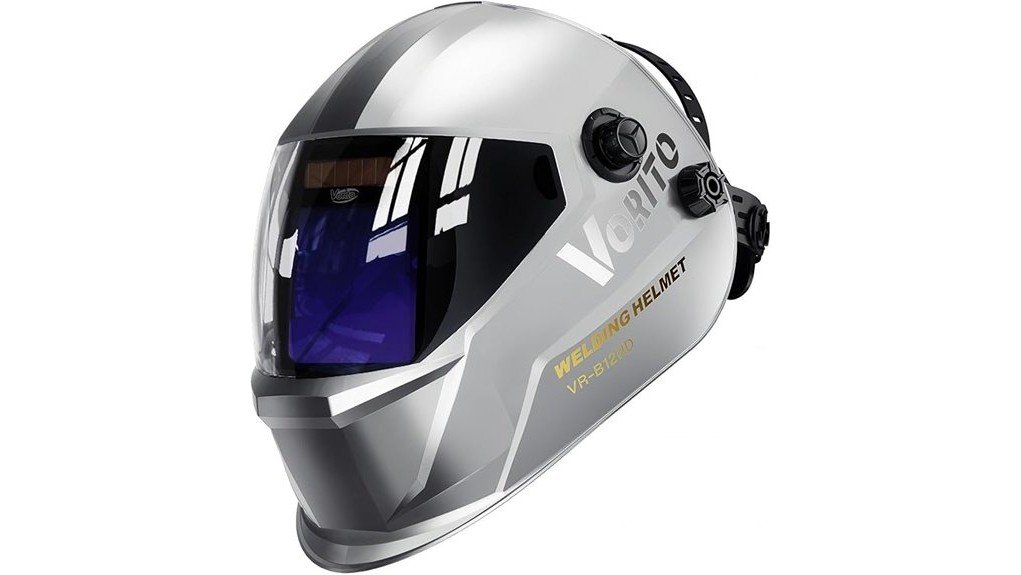
Choosing a welding helmet is not only about seeing the weld pool clearly. You also need fast arc response, a shade range that matches your process, and a comfortable fit that does not distract you during longer sessions. This Auto-Darkening Welding Helmet is listed with a 4 to 13 adjustable shade range, 1/1/1/1 optical clarity, and a large 3.94” x 3.23” viewing area for TIG, MIG, and ARC work. This review helps you decide if it makes sense for garage projects, repair work, and light shop use, or if you should move up to a more established industrial helmet.
The main appeal is simple: you get fast auto-darkening protection and true color visibility without stepping into a premium helmet category. The tradeoff is that brand-specific build details, long-term durability, and certification markings should be checked carefully on the current Amazon listing before you rely on it for daily production work.
Quick Verdict
Rating: 8/10
Best For: Hobby welders, DIY repair work, and light-to-moderate shop use
Bottom Line: This helmet gives you fast auto-darkening response, a wide shade range, and a roomy viewing area for common welding processes. It is less ideal if you need a fully verified brand platform, heavy-duty production durability, or documented workplace PPE approval.
| Specification | Detail |
|---|---|
| Product Type | Auto-darkening welding helmet |
| Design | Protective welding hood with automatic light-to-dark lens switching |
| Shading Range | 4 to 13 adjustable tint levels |
| Response Time | Up to 1/30,000 second sensor activation |
| Clarity Rating | 1/1/1/1 optical clarity |
| Viewing Area | 3.94” x 3.23” |
| Lens Style | True color lens technology |
| Welding Modes | TIG, MIG, and ARC compatible |
| Shell Material | Impact-resistant PP shell |
| Weight | Lightweight design, 18 oz stated in the source article |
| Best Use | DIY welding, garage projects, light repair work, and moderate shop use |
| Safety Note | Confirm current safety markings, lens condition, and workplace PPE requirements before using it in a professional environment |
What Is This Auto-Darkening Welding Helmet?
This welding helmet is a protective face shield built for arc welding tasks where your eyes and face need protection from bright light, sparks, and flying debris. Its auto-darkening filter is designed to switch from a lighter viewing state to a darker welding shade when the sensors detect an arc.
The listed 4 to 13 shade range makes it flexible enough for common TIG, MIG, and ARC work. Lower shade settings can help with lighter tasks and setup visibility, while higher settings help when the arc is brighter. You should still match the shade to your process, amperage, and workplace guidance.
The true color lens and 3.94” x 3.23” viewing area are the main comfort features. They help you see the workpiece, joint line, and weld pool with less of the heavy green tint found on many older fixed-shade helmets.
Auto-Darkening Performance and Shade Control
The helmet’s strongest listed performance feature is its fast 1/30,000 second sensor activation. That response time is useful during repeated tack welds because you do not need to flip the hood up and down between short arcs.
The 4 to 13 shade range also gives you more control than a fixed-shade helmet. For lighter TIG work, you may prefer a lower shade setting so you can see the puddle without over-darkening the lens. For brighter MIG or stick welding, a higher shade can make the arc more comfortable to view.
Auto-darkening does not remove the need for setup checks. Before you strike an arc, test the controls, inspect the lens, and make sure the helmet switches consistently. If the lens delays, flickers, or stays too light, stop using it until you identify the cause.
Visibility, Clarity, and Eye Comfort
The listed 1/1/1/1 optical clarity rating is a strong point for a helmet in this category. A clearer lens can reduce distortion, which helps when you need to track a narrow joint, start cleanly, or keep a consistent travel angle.
The 3.94” x 3.23” viewing area gives you a wider look at the work zone than many compact budget helmets. That helps when you are positioning clamps, checking part alignment, or welding in a tight garage setup where your head angle is not always perfect.
True color lens technology can also improve contrast. Instead of seeing the workpiece through a heavy green cast, you get a more natural view of edges, tack points, and the weld pool. That can reduce eye fatigue during longer sessions, but it does not replace proper shade selection.
Before You Buy: Do not rely on the product title alone for workplace safety. Check the current listing, packaging, and helmet markings for applicable safety standards before using it for professional or employer-required PPE.
Build Quality, Fit, and Comfort
The helmet uses an impact-resistant PP shell, which keeps the design light while still giving your face coverage from sparks and small workshop debris. PP is common in budget and mid-range protective shells because it balances weight, shape, and basic impact resistance.
The source article states an 18 oz lightweight design. That matters during longer weld sessions because heavier helmets can strain your neck and make it harder to hold a steady position. A lighter hood can feel easier to wear when you are tacking, grinding between passes, or working at odd angles.
Fit still depends on the headgear adjustment. If the strap sits too loose, the helmet can shift when you nod it down. If it sits too tight, pressure points can build around your forehead. Spend time adjusting the headband before judging comfort.
Compatibility and Safety Notes
This helmet is presented for TIG, MIG, and ARC welding, which covers many common home garage and shop tasks. That range makes it practical if you switch between small repairs, fabrication practice, and general metalwork.
Compatibility should still be treated carefully. Match the shade setting to your welding process and amperage, and follow your welder manual, jobsite rules, or safety supervisor guidance. Arc brightness changes by process, electrode size, current level, and viewing angle.
Inspect the shell, lens, cover plate, and headgear before use. Cracked lenses, damaged shells, weak straps, or delayed darkening can reduce protection. Replace worn parts when the listing or manual recommends it.
How It Performs in Real Use
For Garage Repairs
For home repair jobs, the wide viewing area helps you line up brackets, patch panels, and small steel parts before striking the arc. The auto-darkening filter saves time because you can keep the helmet down while positioning the torch or electrode.
For Repeated Tack Welding
The fast sensor response is most useful during repeated tack welds. You can move from one tack to the next without lifting the helmet each time, which helps you stay aligned and reduces wasted motion.
For TIG and Detail Work
The 1/1/1/1 clarity rating and true color lens are helpful for TIG work because small puddle changes matter. The helmet should give you a clearer view than basic fixed-shade masks, especially when you need to watch filler rod placement.
For Longer Shop Sessions
The lightweight shell can reduce fatigue during longer jobs, but comfort still depends on headgear adjustment. If the helmet slips, pinches, or feels front-heavy, pause and adjust the fit before continuing.
Setup Tips Before First Use
Start by adjusting the headgear so the helmet sits stable without squeezing your forehead. Then check that the lens, outer cover plate, and shell are clean and free from cracks.
Set the shade level before welding instead of guessing mid-job. A safe approach is to begin with a darker setting, then move lighter only as needed while staying within the recommended range for your process.
Test the auto-darkening function before you start real work. Some helmets let you test the lens with a test button or bright light source. Follow the product instructions for the correct method.
Pro Tip: Keep spare cover lenses nearby if you weld often. A scratched cover plate can make even a clear 1/1/1/1 lens feel blurry and harder to trust.
Who Should Buy It?
Best For
- DIY welders working on garage repairs, brackets, carts, and basic fabrication projects
- Light to moderate shop users who want auto-darkening convenience without premium pricing
- Users who switch between TIG, MIG, and ARC welding and want one adjustable helmet
Skip If
- You need verified industrial-grade PPE for daily production welding
- You require a known brand, documented warranty terms, and easy replacement parts
- You cannot confirm the current safety markings on the listing, packaging, or helmet
Pros and Cons
Pros
- Fast 1/30,000 second auto-darkening response supports repeated tack welding
- 4 to 13 shade range works across common TIG, MIG, and ARC tasks
- 1/1/1/1 clarity rating helps reduce distortion during detailed work
- 3.94” x 3.23” viewing area gives you a larger look at the weld zone
- Lightweight 18 oz design can reduce neck fatigue during longer sessions
Cons
- Brand, model, and long-term durability details may vary by listing batch
- Not the best fit for heavy industrial production unless safety markings are confirmed
- Fit comfort depends on head size, strap adjustment, and how long you wear it
Want to Compare the Current Listing?
Check the latest product details, safety markings, and included accessories before you decide.
Is It Worth the Price?
This welding helmet fits best in the budget-to-mid-range category. It offers strong value for the price if you want auto-darkening, true color viewing, and adjustable shade control for general shop tasks.
You get the most value if you weld occasionally or use the helmet for home repairs, learning, and moderate project work. The large viewing area and listed clarity rating make it easier to use than many basic fixed-shade helmets.
It is not the best fit if you need a helmet with a verified premium brand, detailed warranty support, and fully documented certification for an employer-controlled welding environment.
How It Compares to Alternatives
Compared to entry-level fixed-shade helmets, this model should feel more convenient because the lens darkens automatically when the arc starts. That can save time and help you keep both hands positioned before welding.
Compared with higher-end helmets from brands such as Lincoln Electric, Miller, or 3M Speedglas, this helmet may not offer the same brand support, accessory ecosystem, or proven long-term durability. It makes the most sense if you want modern auto-darkening features for lighter use and can confirm the current listing details before buying.
Frequently Asked Questions
Can this helmet be used for TIG welding?
Yes, the article-supported details list TIG compatibility. Use the correct shade and sensitivity settings for your amperage, especially when working with lower-amperage TIG arcs.
Is the 3.94” x 3.23” viewing area large enough?
Yes, that viewing area is roomy for general welding, tack work, and many precision tasks. It gives you more context around the weld zone than smaller budget lenses.
What does the 4 to 13 shade range mean?
The shade range tells you how dark the lens can become during welding. Lower settings help with lighter work and setup, while higher settings help with brighter arcs.
Does true color technology reduce eye strain?
It can make the weld area easier to see by reducing the heavy green tint found in older lenses. Eye comfort still depends on correct shade settings, clean cover lenses, and proper work lighting.
Is it suitable for professional welding?
It may work for light professional tasks if the current product markings meet your shop requirements. For daily production welding, choose a helmet with clearly verified safety standards, warranty support, and replacement parts.
What should you check before using it for the first time?
Check the shell, headgear, lens, cover plate, and shade controls. Test the auto-darkening function before welding, and stop using the helmet if the lens does not darken correctly.
Who should skip this helmet?
Skip it if you need a fully verified industrial helmet from a known brand with documented certification and warranty terms. You should also skip it if the current listing does not clearly show the safety markings your work requires.
The Bottom Line
This Auto-Darkening Welding Helmet is a strong fit for hobby welders, garage projects, and light-to-moderate shop use where fast lens response and clear visibility matter. Its best features are the 1/30,000 second response time, 4 to 13 shade range, 1/1/1/1 clarity rating, and large viewing area.
You should skip it for heavy production welding unless you can confirm the current safety markings, brand details, and workplace PPE compliance. The 8/10 rating fits buyers who want good value and practical features, but still understand the verification limits.