Disclosure: As an Amazon Associate, we earn from qualifying purchases. If you click a link on this page and make a purchase, we may receive a small commission at no extra cost to you.
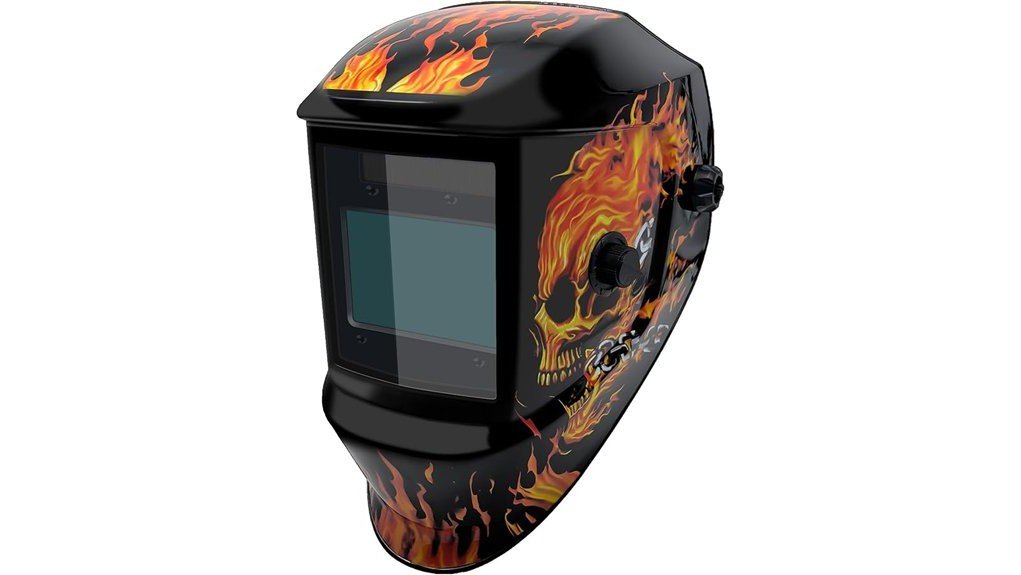
Choosing a welding helmet is not just about comfort. You need a lens that reacts fast, a fit that stays stable, and protection that helps reduce exposure during repeated arc starts. This auto darkening welding helmet focuses on a 0.00004-second response time, four arc sensors, a 3.94″ x 2.64″ viewing area, and a lightweight 1.2 lb build. This review helps you decide whether those core features are enough for your MIG, TIG, and general workshop welding needs. The main strength is fast, simple protection, while the main limitation is its more basic feature set compared with premium professional helmets.
Quick Verdict
Rating: Recommended with caveats (8/10)
Best For: Hobby welders, small workshop users, repair work, and light-to-medium fabrication
Bottom Line: This helmet gives you fast lens response, four arc sensors, and lightweight comfort for common welding jobs. It is not the best fit if you need premium optics, advanced shade tuning, or heavy production durability.
| Specification | Detail |
|---|---|
| Product Type | Auto-darkening welding helmet |
| Best Use | MIG, TIG, general fabrication, repairs, and light-to-medium workshop welding |
| Response Time | 0.00004 seconds |
| Viewing Area | 3.94″ x 2.64″ |
| Protection | 98% UV and IR protection |
| Weight | 1.2 lbs |
| Power System | Solar + battery hybrid |
| Battery Life | Up to 1 year with replaceable lithium battery |
| Arc Sensors | 4 independent arc sensors |
| Shell Material | High-impact polypropylene shell |
| Fit Features | Adjustable headband with breathable padding |
| Certifications | ANSI Z87.1, CE standards |
| Warranty | 1-year warranty |
| Safety Note | Best suited for light-to-medium welding, not heavy industrial production |
What Is This Auto Darkening Welding Helmet?
This is an auto darkening welding helmet made to switch its lens shade automatically when it detects an arc. It is built for welders who want faster protection than a basic fixed-shade helmet during MIG, TIG, and general fabrication work.
The helmet uses a solar-assisted power system with a replaceable lithium battery. That setup helps support longer welding sessions while reducing how often you need to think about battery changes.
Because the source article does not confirm a specific brand or model name, this review focuses on the article-supported specs: 0.00004-second response time, four arc sensors, 98% UV and IR protection, 1.2 lb weight, and ANSI Z87.1 and CE compliance.
Who Should Buy It?
Best For
- Hobby welders who need auto-darkening protection for occasional MIG or TIG work
- Small workshop users who want a lightweight 1.2 lb helmet for repairs and fabrication
- Welders who value fast arc detection, four sensors, and a wider 3.94″ x 2.64″ viewing area
Skip If
- You need advanced shade controls, premium optical tuning, or high-end digital settings
- You weld in heavy industrial or continuous production settings every day
- You want a fully verified brand and model before buying
Lens Response and Arc Detection
The main performance feature is the 0.00004-second response time. A fast lens reaction helps reduce the brief flash exposure that can happen during repeated starts, tacks, and position changes.
The helmet also uses four independent arc sensors. More sensors can help the helmet detect the arc from different angles, especially when your torch, workpiece, or head position blocks a direct line of sight.
This matters most when you are moving around a project instead of welding from one clean bench position. It gives you a better chance of consistent darkening during awkward jobs, although it still does not replace proper setup and safe welding habits.
Viewing Area and Visibility
The 3.94″ x 2.64″ viewing area gives you more room to track the puddle, filler position, and joint line than many very small viewing windows. That can help you keep better bead control during routine fabrication.
The helmet also lists 98% UV and IR protection. That protection is one of the most important reasons to use a proper welding helmet instead of relying on general eyewear or a basic face shield.
The limitation is that the article does not confirm premium optical clarity ratings or advanced color technology. If you care about the sharpest possible lens view, compare it with higher-end helmets before you buy.
Comfort, Fit, and Build Quality
At 1.2 lbs, this helmet is light enough for longer shop sessions without adding too much neck strain. That weight matters if you often lift and lower the helmet or move between welding and fitting tasks.
The adjustable headband lets you fine-tune the fit before your first weld. A stable fit helps keep the viewing window aligned with your eyes, which matters when you are welding overhead, kneeling, or leaning into a tight space.
The breathable padding improves comfort in warm workshop conditions. It will not remove heat from the welding area, but it can make the helmet easier to wear during repeated short welds.
Power System and Durability
The solar + battery hybrid system helps support the auto-darkening lens during active use. Solar assistance can reduce battery strain in brighter environments, while the replaceable lithium battery gives the lens a dedicated power source.
The article lists battery life at up to 1 year. That is useful for occasional welders, but you should still check the lens function before every session and keep the battery replacement schedule in mind.
The high-impact polypropylene shell is designed for normal workshop use. It supports basic impact and heat resistance for standard welding tasks, but the article does not position it as a heavy industrial helmet.
Compatibility and Safety Notes
This helmet is described for MIG, TIG, and general fabrication work. Those are common welding uses where auto-darkening technology can improve convenience because you do not need to flip the helmet up and down as often.
The article lists ANSI Z87.1 and CE standards. Those certifications are important because welding helmets must protect against bright arc light, UV/IR exposure, sparks, and impact hazards.
Still, you should match the helmet settings and shade range to your welding process, amperage, and work conditions. Follow the product instructions, inspect the shell and lens before use, and stop using the helmet if the lens does not darken correctly.
Before You Buy: This helmet is best suited for light-to-medium welding tasks. If you need verified premium optics, advanced shade customization, or professional industrial features, compare it with higher-end models before buying.
Setup Tips Before First Use
Before welding, adjust the headband so the helmet sits firmly without pressure points. A loose helmet can shift during bead work and make it harder to keep the viewing area centered.
Check that the auto-darkening lens reacts correctly before you start a full project. You should also inspect the shell, lens cover, headband, and padding for damage or loose parts.
For outdoor work, remember that bright sunlight and reflections can affect how a helmet feels during use. Test visibility in your actual work area before starting long welds.
Pro Tip: Set the headband tension and viewing angle before striking an arc. A stable fit improves your line of sight and helps reduce neck fatigue during longer welds.
How It Performs in Real Use
For Daily Workshop Welding
The 0.00004-second lens response helps during repeated arc starts, tack welds, and small repair jobs. This makes it useful for routine shop work where you move between setup, welding, and inspection.
For Overhead or Tight Space Welding
The four arc sensors are helpful when your head position or the workpiece blocks part of the arc. This can improve detection during awkward angles, although you still need to position your body and work area safely.
For Longer Welding Sessions
The 1.2 lb weight and breathable padding help reduce fatigue during extended fabrication work. The helmet should feel easier to wear than heavier models, especially for hobby welders who are not used to long sessions.
For Outdoor Use
The solar-assisted power system and UV/IR protection make it practical for outdoor welding in changing light. You should still test the lens and visibility before welding because outdoor glare can make bead tracking harder.
Pros and Cons
Pros
- 0.00004-second lens response helps reduce brief arc flash exposure
- Four independent arc sensors improve detection from different welding angles
- 3.94″ x 2.64″ viewing area gives you a practical view of the weld zone
- 1.2 lb weight helps reduce neck fatigue during longer sessions
- Solar + battery hybrid power supports reliable auto-darkening operation
Cons
- Brand and model details are not confirmed in the source article
- Limited advanced customization compared with premium welding helmets
- Not ideal for heavy industrial or continuous production welding
Want to compare the current listing details?
Is It Worth the Price?
This helmet fits the budget to mid-range category based on its feature set. It focuses on core safety and usability instead of premium optics, advanced digital controls, or industrial-grade adjustability.
It is a smart buy for everyday use if you want fast auto-darkening response, a light shell, four sensors, and a practical viewing area. Hobby welders and small workshop users will likely get the most value from those features.
It is not the best fit if you need a helmet for daily production welding, specialized shade tuning, or verified premium lens technology. In that case, compare it with higher-end helmets before you decide.
How It Compares to Alternatives
Compared with a basic fixed-shade helmet, this model offers more convenience because the lens darkens automatically when it detects an arc. That can save time and reduce the need to repeatedly lift and lower the helmet between setup and welding.
Compared with premium helmets from brands like 3M Speedglas, Lincoln Electric, or Miller, this helmet appears more focused on essential auto-darkening performance than advanced optical tuning. It makes the most sense if you want a practical helmet for light-to-medium work instead of a premium production setup.
Frequently Asked Questions
Can this helmet be used for MIG and TIG welding?
Yes, the article describes it for MIG, TIG, and general fabrication work. The auto-darkening lens is designed to react when it detects arc light, which helps during common welding tasks.
How fast does the lens react?
The listed response time is 0.00004 seconds. That fast reaction helps reduce brief exposure during arc starts, tack welds, and repeated strikes.
Is it comfortable for long welding sessions?
The 1.2 lb weight and breathable padding make it better suited for extended wear than many heavier helmets. You should still adjust the headband before welding so the shell stays stable.
Does it work outdoors?
Yes, the helmet is described with UV/IR protection and a solar-assisted power system. Test the lens and visibility before outdoor welding because sunlight and glare can affect your view.
What safety standards are listed?
The article lists ANSI Z87.1 and CE standards. You should still inspect the helmet before use and follow the product instructions for your welding process and amperage.
Is this suitable for professional industrial use?
It is better suited for general and light-to-medium welding tasks. For heavy production welding, a higher-end helmet may offer stronger durability, better lens tuning, and more advanced controls.
What should you check before using it?
Check the lens response, shell condition, headband fit, and battery status before welding. Do not use the helmet if the lens fails to darken or if the shell or viewing area is damaged.
The Bottom Line
This auto darkening welding helmet is a solid choice for hobby welders and light workshop users who need fast lens response, four arc sensors, and lightweight comfort. You should skip it if you need premium optical tuning, verified brand/model details, or a helmet built for heavy industrial production. The 8/10 rating fits its practical feature set, but the caveat is clear: it is better for everyday welding than demanding professional use.