Disclosure: As an Amazon Associate, we earn from qualifying purchases. If you click a link on this page and make a purchase, we may receive a small commission at no extra cost to you.
Choosing a welding helmet is not just about blocking bright light. You also need a fit that stays comfortable, a lens shade that matches your work, and face coverage that helps protect against sparks, heat, and debris. This fixed-shade welding helmet focuses on shade level 9 protection, lightweight comfort, and a wide viewing area for general welding tasks. It is worth considering for hobby and light workshop use, but it is not the best fit if you need adjustable auto-darkening controls or verified industrial-grade specifications.
Quick Verdict
Rating: 7.5/10, Recommended with caveats
Best For: Beginner to intermediate welders who want lightweight, fixed-shade face protection for general workshop tasks
Bottom Line: This helmet gives you a lighter feel, simple operation, and article-stated UV and IR protection. Its main tradeoff is the fixed shade level 9 lens, which may not match every welding process, amperage range, or professional setting.
| Specification | Detail |
|---|---|
| Product Type | Fixed-shade welding helmet |
| Shade Level | Shade level 9 |
| Material | High molecular polymers, as stated in the article |
| Weight Claim | Approximately half the weight of comparable helmets, manufacturer claim not independently verified |
| Eye Protection Claim | Blocks up to 99% of infrared and ultraviolet radiation, article-stated claim |
| Comfort Features | Adjustable headgear, 3mm high-density foam backing, 5mm sponge layer, sweat ventilation holes |
| Viewing Area | Ultra-wide viewing area, as stated in the article |
| Best Use | Hobby welding, light fabrication, maintenance tasks, and general workshop protection |
| Safety Note | Match shade level to your welding process, arc current, and workplace safety requirements |
| Package Note | Package contents may vary by seller |
What Is the Welding Helmet?
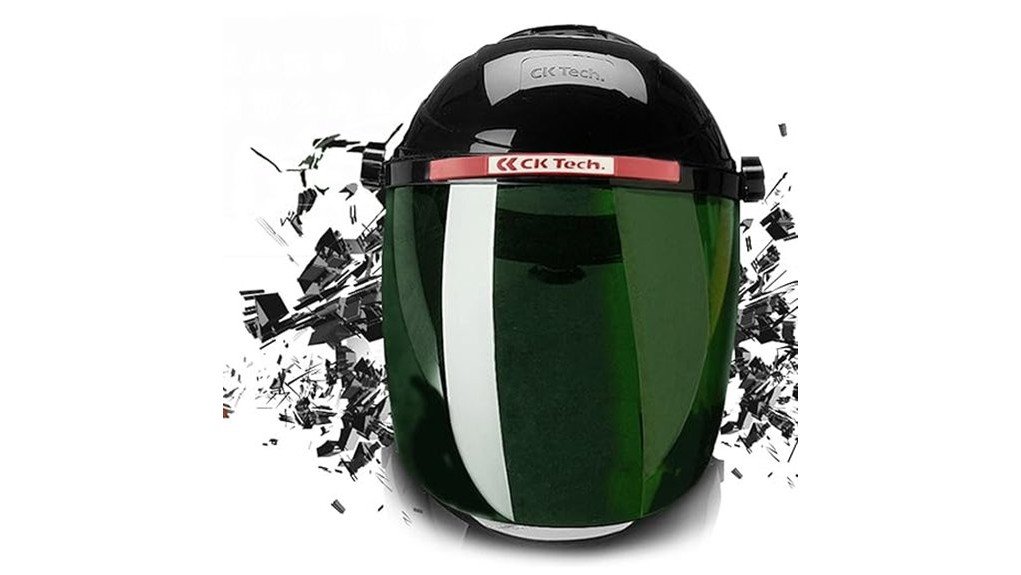
This welding helmet is protective headgear made to shield your eyes and face during welding, cutting, and related shop tasks. The article describes it as a lightweight, fixed-shade helmet with a shade level 9 lens, an ultra-wide viewing area, and comfort-focused padding.
Its main appeal is simplicity. You do not need batteries, sensors, or electronic shade controls to use it, which can make it easier for beginners and occasional welders. The tradeoff is that a fixed shade lens gives you less flexibility than an auto-darkening helmet when you switch between different welding processes or arc intensities.
The helmet also uses adjustable headgear and layered foam support to reduce pressure on your forehead. That comfort focus matters if you spend time on repeated tack welds, repairs, or overhead work where a heavier helmet can strain your neck.
Key Features Explained
Lightweight Design for Reduced Fatigue
The article states that this helmet weighs much less than many comparable helmets. A lighter shell can reduce neck fatigue during repeated welding tasks, especially when you raise and lower the helmet often.
This benefit matters most for hobby welders, home garage users, and maintenance workers who need protection without extra bulk. If you weld all day in a professional shop, you may still prefer a helmet with a verified weight, stronger headgear details, and advanced lens controls.
Shade Level 9 Eye Protection
The fixed shade level 9 lens helps reduce arc brightness while keeping the design simple. It may suit some lower-intensity or specific welding and cutting tasks, but shade needs vary by process and amperage.
Before you use this helmet, confirm that shade 9 matches your work. Many welding tasks require a different shade level, and the safest choice depends on the process, current, electrode size, and visibility needs.
Radiation, Heat, and Impact Protection
The article states that the helmet blocks up to 99% of infrared and ultraviolet radiation. It also describes protection against heat, impact, and chemical splashes, which makes it useful as basic face coverage in a workshop setting.
Those claims should still be treated with care. If you need certified protection for a jobsite or employer-required PPE program, check the helmet markings, product label, and safety documentation before relying on it.
Comfort-Focused Interior Design
The helmet includes 3mm high-density foam backing and a 5mm sponge layer. These contact points help reduce forehead pressure and make the helmet more comfortable during longer sessions.
Sweat ventilation holes can also help in warm work areas. They will not replace proper shop ventilation or heat control, but they can make short and medium welding sessions more manageable.
Wide Viewing Area
The article describes the helmet as having an ultra-wide viewing area. A wider view can help you see the workpiece, clamp position, and surrounding workspace with less head movement.
That matters when you work around tight corners, small repair areas, or awkward angles. Still, fixed-shade visibility can feel darker before the arc starts, so setup and workpiece positioning matter.
Pro Tip: Set your workpiece, clamps, and torch position before lowering the helmet. A fixed shade lens can make pre-arc visibility harder, so a clean setup helps you avoid missed starts and awkward repositioning.
Who Should Buy It?
Best For
- Hobby welders doing light to medium garage projects
- Beginners who want simple fixed-shade protection without electronic controls
- Users who value low weight, forehead padding, and wide viewing comfort
Skip If
- You need auto-darkening controls for changing arc intensity
- You work in heavy industrial or employer-regulated welding environments
- You need confirmed brand, certification, lens rating, and warranty details before buying
Before You Use It
Because this is a safety-related product, do not choose it based only on comfort or price. Check the helmet, lens, and packaging for safety markings, shade information, and manufacturer instructions before your first use.
You should also inspect the lens, shell, headgear, and foam before each welding session. Cracks, loose headgear, damaged lenses, or missing parts can reduce protection and make the helmet unsafe to use.
If you weld in a workplace, follow your employer’s PPE rules and any applicable safety requirements. If you are unsure which shade level you need, ask a qualified welding instructor, safety manager, or experienced professional before starting.
Before You Buy: This helmet uses a fixed shade level 9 lens. It may not suit welding processes or amperage ranges that require a different shade, and the article does not verify ANSI markings, brand, model, or warranty details.
Fit Tips Before You Buy
A welding helmet only works well when it stays stable on your head. The adjustable headgear should hold the shell in place without creating pressure points across your forehead or the back of your head.
Before welding, adjust the tension so the helmet does not drop too fast or sit too loose. A loose helmet can shift while you work, while an overtightened one can cause discomfort during longer sessions.
If you wear prescription glasses, a respirator, ear protection, or a welding cap, test the fit with those items in place. Extra PPE can change how the helmet sits and may affect comfort or viewing angle.
How It Performs in Real Use
For Daily Workshop Repairs
For routine garage repairs, small fabrication jobs, and occasional welding practice, the helmet’s simple design can be a benefit. You can put it on, adjust the headgear, and work without managing batteries or shade settings.
For Longer Welding Sessions
The layered foam and lighter build help reduce pressure during longer sessions. This makes the helmet more comfortable than a bulky fixed-shade option, although professional welders may still want stronger headgear, better balance, and verified optical specs.
For Outdoor or Bright Work Areas
The UV and IR protection claim supports outdoor use, but visibility can still change with sun angle, workpiece glare, and arc brightness. A fixed shade lens may feel less convenient when you move between shaded and bright work areas.
For General Maintenance Work
In maintenance settings, the helmet can help protect your face during intermittent welding and cutting tasks. It makes the most sense when your work is occasional and predictable, not when you need one helmet for many processes and amperage ranges.
Materials and Build Quality
The article lists high molecular polymers as the shell material. This type of material is commonly used when a product needs a balance of low weight and heat-resistant structure, but the article does not provide a verified thickness, certification, or exact polymer type.
The comfort system is more specific. The listed 3mm high-density foam backing and 5mm sponge layer give the helmet a softer contact surface, which can reduce irritation during repeated use.
The main limitation is the lack of confirmed brand and model details. That does not automatically make the helmet a poor choice, but it does mean you should inspect the listing carefully before buying.
Cleaning, Care, and Storage
Keep the viewing area clean so you can see the weld zone clearly. Use a soft cloth and follow the product label for cleaning, since harsh chemicals can damage plastic surfaces or lens coatings.
Store the helmet away from heavy tools, sharp edges, direct heat, and welding debris. A scratched or cracked lens can affect visibility and may reduce protection.
Check the headgear adjustment points over time. If the helmet starts slipping, feels uneven, or no longer holds its position, inspect the straps and pivot points before using it again.
Pros and Cons
Pros
- Lightweight design can reduce neck fatigue during repeated tasks
- Shade level 9 fixed lens keeps operation simple for basic use
- Foam backing and sponge layer improve forehead comfort
- Wide viewing area helps you see more of the work zone
- No battery or sensor setup required for basic fixed-shade use
Cons
- Fixed shade level 9 is not right for every welding process
- No auto-darkening controls for changing arc conditions
- Brand, model, certification, and warranty details are not verified in the article
Want to Compare the Listing?
Review the product details, shade information, and seller notes before you choose.
Is It Worth the Price?
This welding helmet fits the budget to mid-range value category because it focuses on basic protection and comfort rather than advanced electronics. You get the most value if you need a simple fixed-shade helmet for light-duty welding, garage repairs, or occasional shop use.
Its strongest value point is comfort. The lighter build, adjustable headgear, foam backing, sponge layer, and wider viewing area make it more practical than a bare-bones fixed-shade helmet.
It is not the best fit if you need a helmet for professional daily welding, changing arc intensities, or safety programs that require documented certifications. In those cases, a verified auto-darkening helmet or a helmet with clearer safety documentation may be a better investment.
How It Compares to Alternatives
Compared to auto-darkening welding helmets, this model is simpler and may cost less, but it does not adjust shade automatically when the arc starts. That makes it less flexible for welders who switch between MIG, TIG, stick welding, cutting, and different amperage ranges.
Compared to basic fixed-shade helmets, this one stands out for its comfort-focused padding, lighter feel, and wider viewing claim. It makes the most sense if you want a simple helmet for general tasks and you are willing to confirm shade suitability before use.
Frequently Asked Questions
Is this welding helmet suitable for beginners?
Yes, it can suit beginners who need a simple fixed-shade helmet for light welding practice or garage projects. It has no auto-darkening settings to learn, but you still need to confirm that shade level 9 matches your specific work.
Does it protect against UV and IR radiation?
The article states that the helmet blocks up to 99% of infrared and ultraviolet radiation. Before relying on it for jobsite or professional use, check the product label and safety markings for confirmed protection details.
Is shade level 9 enough for all welding?
No. Shade needs depend on welding process, arc current, electrode size, and visibility needs. Treat shade 9 as a specific fixed shade, not a universal choice for every welding job.
Can it be used for professional welding?
It may work for light professional or maintenance tasks when shade 9 is appropriate. It is not ideal for heavy industrial work, changing arc conditions, or workplaces that require documented PPE certifications.
How comfortable is it for long use?
The article lists adjustable headgear, 3mm high-density foam backing, and a 5mm sponge layer. Those features should help reduce pressure during longer sessions, but full-day professional use may still require a more advanced helmet.
Does it fit all head sizes?
The adjustable headgear is designed to fit most adult users, but comfort can vary by head shape and extra PPE. Test the fit with your welding cap, glasses, respirator, or hearing protection if you use them.
Who should skip this helmet?
Skip it if you need auto-darkening, verified certification details, a known brand and model, or a lens shade that changes with different welding tasks. It is better for simple, light-duty use than demanding professional work.
The Bottom Line
This welding helmet is best for hobbyists, beginners, and light-duty users who want a simple fixed-shade helmet with a lightweight feel and comfort padding. You should skip it if you need auto-darkening controls, confirmed safety documentation, or a helmet for heavy industrial welding.
Its biggest strength is comfort-focused simplicity. Its biggest limitation is the fixed shade level 9 design, which may not match every welding process or current range.