Disclosure: As an Amazon Associate, we earn from qualifying purchases. If you click a link on this page and make a purchase, we may receive a small commission at no extra cost to you.
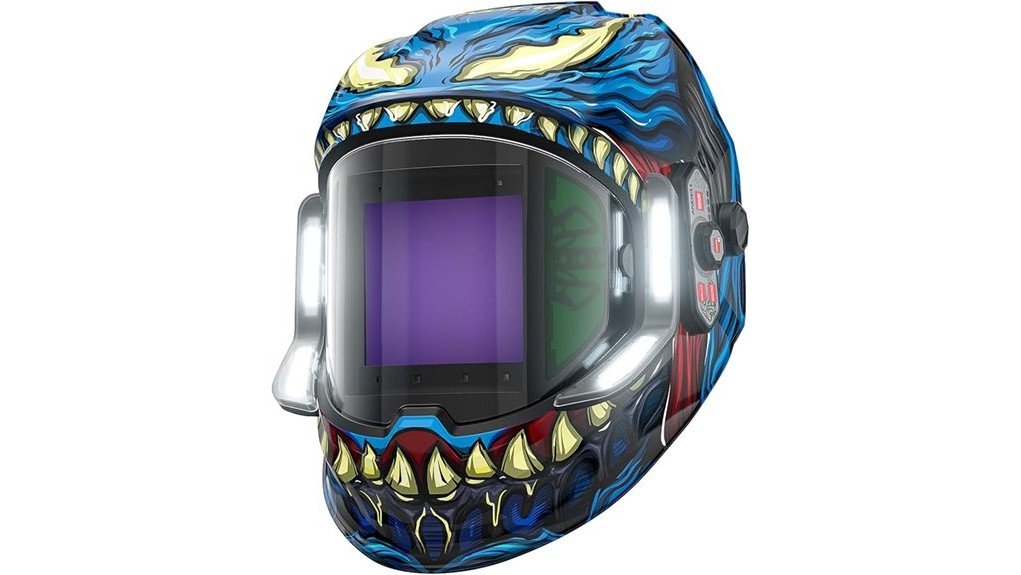
Poor visibility can make welding slower, less accurate, and more tiring, especially when you work in a dim garage or shaded fabrication area. The ANDELI Welding Helmet addresses that problem with four built-in LED lights, a wide 180° viewing design, and six ARC sensors for auto-darkening protection.
This review helps you decide if those visibility upgrades are worth choosing over a more traditional compact helmet. The helmet looks strongest for hobby welders and light shop use, but you should still check fit, lighting needs, and jobsite requirements before you buy.
Quick Verdict
Rating: Recommended with caveats
Best For: Hobby welders, garage users, and low-light fabrication work
Bottom Line: The ANDELI Welding Helmet makes sense if you want a wider view and extra light around the workpiece. It may not be the best fit if you need a compact helmet or verified jobsite-specific certification documentation.
| Specification | Detail |
|---|---|
| Brand | ANDELI |
| Product | ANDELI Welding Helmet |
| Product Type | Auto-darkening welding helmet |
| Viewing Design | Panoramic 180° viewing area |
| Screen Size | 3.94 x 3.74 in screen |
| Lighting | 4 built-in LED lights, up to 400 lumens |
| Sensors | 6 ARC sensors |
| Weight | 1.32 lbs (0.6 kg) |
| Protection | UV/IR protection up to DIN16 |
| Best Use | MIG, TIG, garage welding, and light fabrication work |
| Safety Note | Confirm lens condition, shade setup, and required PPE before welding. |
What Is the ANDELI Welding Helmet?
The ANDELI Welding Helmet is an auto-darkening protective helmet made for MIG, TIG, and general fabrication work. Its main focus is visibility, using a panoramic 180° viewing layout and four built-in LED lights to help you see the joint, workpiece, and surrounding area more clearly.
The helmet also uses six ARC sensors to detect welding brightness and support quick shading changes. That sensor setup can help when your work angle changes or when you move between small tack welds and longer beads.
At 1.32 lbs, it stays light enough for longer garage or workshop sessions. The tradeoff is that the wider helmet shape may feel bulkier than a compact traditional welding helmet.
Who Should Buy It?
Best For
- Hobby welders working in garages, sheds, or small shops
- Users who need extra visibility around the weld joint in low-light areas
- MIG or TIG users who want a wider viewing area for setup and alignment
Skip If
- You need a very compact helmet for tight overhead or confined-position work
- Your workplace requires specific certification paperwork before use
- You already have strong shop lighting and prefer a simpler lightweight hood
Key Feature Breakdown
Lighting and Visibility
The four LED lights produce up to 400 lumens, which can help reduce shadows around the weld joint. This matters most when you work under a vehicle, inside a frame, in a dim garage corner, or near dark metal surfaces.
The lights should be viewed as support lighting, not a full replacement for safe shop lighting. You still need enough room lighting to see hazards, cables, clamps, and nearby materials before you strike an arc.
Auto-Darkening Sensors
The helmet includes six ARC sensors to detect welding brightness and trigger auto-darkening. More sensors can help maintain detection when your hands, torch angle, workpiece, or fixture partially blocks the lens area.
This is useful for TIG starts, tack welding, and repositioning between short welds. For best results, check the product instructions before use and test the helmet response in a safe setup.
Wide Viewing Comfort
The 180° panoramic design and 3.94 x 3.74 inch screen give you more side awareness than a small viewing window. That wider view can help when you align long joints, check clamp position, or move between two nearby weld points.
The downside is size. A panoramic helmet can feel wider on your head, so it may take more adjustment if you are used to a narrow traditional hood.
Weight and Ergonomics
At 1.32 lbs, the helmet stays light enough for many home and shop welding tasks. Less weight can reduce neck strain during repeated tack welds, longer bead work, and extended setup sessions.
Comfort still depends on headgear adjustment. Tightening one side too much can create pressure points, while a loose fit can make the helmet shift when you nod it down.
Pro Tip: Adjust the head strap evenly on both sides before tightening fully. A balanced fit helps the wide viewing area stay aligned without creating pressure during longer sessions.
Setup Tips Before First Use
Before your first weld, inspect the viewing lens, front cover lens, headgear, and LED light area for shipping damage or loose parts. A scratched or dirty cover lens can reduce visibility, even when the lights and sensors work correctly.
Test the helmet in a safe setting before starting real work. Confirm that the auto-darkening function reacts to the arc, then adjust the fit so the helmet sits securely without pressing hard on your forehead or jaw.
Keep extra light available for larger fabrication areas. The built-in LEDs can help at the joint, but they do not remove the need to see your full work area, tools, clamps, cords, and hot metal.
Welding Safety and Fit Checks
The helmet lists UV/IR protection up to DIN16, which is one of its most important safety-related details. Still, you should match the shade setup to your welding process and follow the product manual before use.
A welding helmet is only one part of your protection. You still need suitable gloves, sleeves or jacket, eye protection when grinding, ventilation, and safe handling of hot workpieces.
If you weld in a workplace, school, or professional shop, confirm that this helmet meets the rules required by that environment. Do not assume a helmet is approved for every jobsite without checking the listing, manual, or safety officer requirements.
Before You Buy: The built-in lights improve visibility near the weld area, but they do not replace safe shop lighting, correct PPE, or any certification requirements your workplace may have.
How It Performs in Real Use
Garage Welding
In a home garage, the LED lights help you see the weld joint when ceiling lights cast shadows over the bench. This can make setup easier when you are repairing brackets, frames, small tools, or metal fixtures.
Low-Light Fabrication
The built-in lighting and wide lens are useful when your work area has poor side lighting. You can see more of the surrounding workpiece, which helps when you need to track a seam or keep the torch angle steady.
TIG and Detail Work
For TIG work, the wide view helps with filler rod placement and joint alignment. The six ARC sensors also support arc detection when you move between small starts, stops, and repositioning steps.
Longer Workshop Sessions
The 1.32 lb weight helps keep the helmet manageable during longer sessions. You may still need to fine-tune the headgear because the wider helmet shape can feel different from a compact hood.
Pros and Cons
Pros
- Four built-in LED lights add useful visibility in dim work areas
- Panoramic 180° viewing design helps reduce blind spots around the joint
- Six ARC sensors support auto-darkening detection from more work angles
- 1.32 lb weight helps reduce fatigue during repeated shop tasks
- UV/IR protection up to DIN16 gives a clear safety detail to verify before use
Cons
- LED lights may not replace proper lighting across a full shop or fabrication bay
- Panoramic shape may feel bulkier than a compact traditional helmet
- Fit may require trial and error before the helmet feels balanced
Compare the Details
Check the current listing, included parts, and product details before you decide.
Is It Worth the Price?
The ANDELI Welding Helmet fits best as a value-focused visibility upgrade for hobby welders and light workshop users. Its strongest reason to buy is the combination of LED lighting, a wide viewing area, six ARC sensors, and a manageable 1.32 lb weight.
It is worth considering if you often weld in low-light areas or want a broader view around the joint. It is not the best fit if your main priority is the smallest possible helmet or a model with clearly documented jobsite certification requirements.
How It Compares to Alternatives
Compared with standard auto-darkening helmets from brands such as Lincoln Electric or YESWELDER, the ANDELI model focuses more on visibility support. The LED lights and panoramic design stand out more than compact size.
If you want a smaller helmet for tight spaces, a traditional compact hood may feel easier to wear. If you care more about seeing the work area in dim conditions, the ANDELI Welding Helmet is the more targeted option.
Frequently Asked Questions
Is the ANDELI Welding Helmet suitable for TIG welding?
Yes, the article-supported use cases include TIG welding. The wide view can help with filler rod control and joint alignment during detailed work.
Do the built-in LED lights replace shop lighting?
No. The four LED lights can improve visibility near the weld joint, but you still need safe lighting across the full work area.
How heavy is the helmet?
The listed weight is 1.32 lbs, or about 0.6 kg. That makes it manageable for many garage and workshop tasks, although fit still depends on headgear adjustment.
What does the 180° viewing area help with?
The 180° viewing design gives you more side awareness than a narrow lens. That can help when you line up longer welds, check clamp position, or move between nearby weld points.
Can the protective lens cover be replaced?
Yes, the protective lens cover can be replaced if it becomes damaged. Replacing scratched covers helps preserve visibility and extend the helmet’s useful life.
What should you check before welding with it?
Check the lens cover, headgear fit, LED light area, and auto-darkening response before you start. You should also confirm the shade setup and use the right gloves, clothing, and ventilation.
Who should skip this helmet?
Skip it if you want the smallest possible helmet for tight spaces or if your jobsite requires specific certification documents. You may also prefer a simpler helmet if your shop already has strong lighting.
The Bottom Line
The ANDELI Welding Helmet is a strong choice for welders who want more visibility from built-in LED lights, a 180° viewing design, and six ARC sensors. It is best for hobby welders, garage users, and light fabrication work, but it may not suit buyers who need a compact helmet or specific workplace approval paperwork.
Its main strength is visibility support in low-light work areas. Its main limitation is that the wider shape and built-in lights still require proper fit adjustment, safe shop lighting, and the right protective gear.