Disclosure: As an Amazon Associate, we earn from qualifying purchases. If you click a link on this page and make a purchase, we may receive a small commission at no extra cost to you.
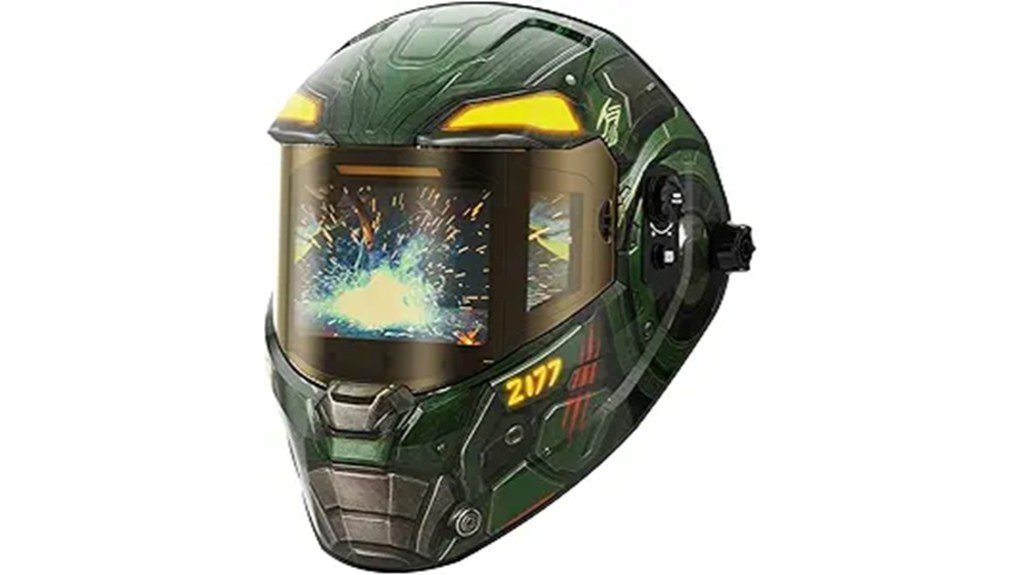
Choosing a welding helmet is not just about darkening the lens. You need enough visibility to track your weld, enough eye protection for bright arcs, and enough comfort to keep the helmet on during longer work sessions. The ANDELI Welding Helmet aims to solve those needs with a 180° panoramic viewing area, digital shade controls, five arc sensors, and a rechargeable battery system. This review breaks down what it offers, where it works best, and what you should consider before buying.
Quick Verdict
Rating: Recommended with caveats
Best For: Welders who want a wide viewing area, digital controls, rechargeable power, and better side visibility during welding, grinding, or cutting tasks.
Bottom Line: The ANDELI Welding Helmet is strongest for visibility, adjustability, and long battery life. It may not be the right pick if you want a very simple analog helmet with fewer settings to manage.
Key Takeaways
- The ANDELI welding helmet has a 7.2-inch wide viewing layout with a main lens and two side lenses for a panoramic view.
- The digital interface supports up to nine custom presets and shade adjustments within ±9 levels.
- The lens system includes two layers of LCD auto-darkening glass and an optical filter for UV/IR protection up to Shade DIN16.
- The 500mAh rechargeable lithium-polymer battery uses solar assist and Type-C charging.
- The helmet is designed with cushioned headgear, six contact points, and five arc sensors for fast switching.
ANDELI Welding Helmet Specifications
| Specification | Detail |
|---|---|
| Brand | ANDELI |
| Product Type | Auto-darkening welding helmet |
| Viewing Design | 180° panoramic viewing layout |
| Total Viewing Area | 7.2 inches wide by 3.2 inches high |
| Main Lens | 4.6 inches by 3.2 inches |
| Side Lenses | Two side lenses, each 1.3 inches by 2.5 inches |
| Controls | Digital interface with LCD display |
| Custom Settings | Up to nine custom presets |
| Shade Adjustment | ±9 levels |
| Arc Sensors | Five arc sensors |
| Switching Speed | 1/30,000 second |
| Eye Protection | UV/IR protection up to Shade DIN16 |
| Lens System | Two layers of LCD auto-darkening glass and an optical filter |
| Battery | 500mAh rechargeable lithium-polymer battery with solar assist |
| Charging | Type-C fast charging, about 2.5 to 3 hours |
| Battery Runtime | Over 1200 hours of continuous welding and 16,000 hours standby time, based on the article details |
What Is the ANDELI Welding Helmet?
The ANDELI Welding Helmet is an auto-darkening welding helmet built for welders who want a wider field of view than a standard front-window helmet. Its viewing setup includes a main lens and two side lenses, giving you a broader look at your work area while still shielding your eyes from welding light.
Its main feature is the 180° panoramic viewing area. That wider layout can help you see your weld zone, nearby tools, and side details without turning your head as much. The helmet also includes digital controls, custom presets, and shade adjustments so you can adapt it to different lighting conditions and tasks.
The helmet is made for welding, grinding, and cutting use, based on the article details. It is best suited for users who value visibility and control, but it does require you to learn the settings before you get the most from it.
Before You Buy: This helmet gives you many digital settings, which is helpful for control but less ideal if you prefer a very basic helmet with only simple manual adjustments. Check the product details and your welding process needs before buying.
Design and Viewing Area Features
The ANDELI Welding Helmet uses a wide viewing area that measures 7.2 inches wide by 3.2 inches high. This layout includes a 4.6-inch by 3.2-inch main lens and two side lenses, each measuring 1.3 inches by 2.5 inches.
This configuration gives you a clear front view and added side visibility. For welding work, that can help you keep track of the weld pool, nearby edges, clamps, and workpiece alignment without losing focus.
The helmet’s 180° visibility is especially useful when you need better peripheral awareness. It can reduce the feeling of looking through a narrow window, which is one of the common limits of basic welding helmets.
Digital Customization Options
The ANDELI helmet uses an advanced digital interface that lets you adjust the helmet for different tasks and lighting conditions. The article lists up to nine custom presets, which can help if you switch between welding modes or work environments often.
The shade adjustment range is listed as ±9 levels. That level of control can be useful when you need the lens to respond differently based on brightness, material, position, or surrounding light.
The user-friendly LCD display helps make these adjustments easier to access. Still, you should take time to learn the settings before starting important work, since incorrect settings can affect comfort and visibility.
- Switch between welding modes more easily
- Save preferred settings with custom presets
- Adjust shade and delay for different tasks
- Use the LCD display for quicker control access
Pro Tip: Before your first full welding session, test the shade, sensitivity, and delay settings on scrap material. This helps you find a comfortable setup before working on a finished project.
Safety and Eye Protection Technology
Safety and eye protection are central to any welding helmet. The ANDELI helmet includes a dynamic eye protection system that is designed to reduce visual flicker and keep the view more stable during welding.
The article also lists radiation shielding against harmful afterglow radiation. The helmet’s premium lens system includes two layers of LCD auto-darkening glass and an optical filter, with UV/IR protection up to Shade DIN16.
That protection matters because welding produces intense light that can harm your eyes if your helmet is not set up and used correctly. You should always follow the helmet instructions, inspect the lens before use, and avoid using damaged protective equipment.
Battery Life and Charging Efficiency
Welders often care about battery life because a weak or unreliable helmet can interrupt work. The ANDELI welding helmet includes a 500mAh rechargeable lithium-polymer battery with solar assist.
The article lists a charging time of about 2.5 to 3 hours. It also lists over 1200 hours of continuous welding and 16,000 hours of standby time, which makes the helmet practical for longer work sessions when charged and maintained properly.
- Type-C fast charging support
- Solar assist for better energy efficiency
- Over 1200 hours of continuous welding use
- 16,000 hours of standby time
Reliable battery performance helps you focus on your weld instead of stopping often to recharge your helmet.
Comfort and Usability for Welders
A welding helmet needs to protect your eyes, but it also needs to feel manageable during long sessions. The ANDELI helmet uses a lightweight design and cushioned headgear with six contact points to help spread pressure across your head.
The helmet also includes five arc sensors with ultra-fast switching at 1/30,000 second. Fast switching is useful because it helps the lens react quickly when the arc starts.
The 180° panoramic view also improves usability by giving you a wider view of the work area. This can be helpful when positioning materials, checking your work angle, or moving between welding, grinding, and cutting tasks.
Who Should Buy It?
Best For
- Welders who want a wider viewing area than a standard front-lens helmet
- Users who switch between welding, grinding, and cutting tasks
- Buyers who want digital presets, shade adjustment, and rechargeable power
Skip If
- You prefer a very basic helmet with simple manual controls
- You do not need side visibility or a panoramic viewing layout
- You want to avoid managing charging, presets, and digital settings
How It Performs in Real Use
For General Welding Work
For regular welding tasks, the wide viewing area is the helmet’s most useful feature. The front lens gives you a clear look at the weld, while the side lenses help you stay aware of the surrounding area.
For Grinding and Cutting
The article states that the helmet can be used for grinding and cutting tasks. That makes it more versatile than a helmet made only for one welding process, but you should still choose the correct mode and settings before each task.
For Bright Outdoor Conditions
The adjustable brightness sensitivity can help when working in bright outdoor conditions. This is useful because sunlight and reflected glare can affect how comfortable the lens feels during work.
For Longer Work Sessions
The cushioned headgear, six contact points, and lightweight design are helpful for longer sessions. The rechargeable battery and solar assist also reduce the chance of stopping often for power issues.
Setup Tips Before First Use
Before using the helmet, charge the battery fully and inspect the lenses for damage, dirt, or obstruction. A clean lens helps maintain visibility, especially when you rely on the side lenses for a wider view.
Set up the helmet fit before starting work. Adjust the headgear so it sits securely without creating pressure points. A loose helmet can shift while you work, while an overly tight fit can become uncomfortable during longer sessions.
Test the shade, sensitivity, delay, and mode settings on a safe practice piece. This is especially important if you plan to move between welding, grinding, and cutting.
Pros and Cons
Pros
- 7.2-inch wide viewing layout gives you a broader look at your work area
- 180° panoramic design improves side visibility
- Digital interface supports up to nine custom presets
- Five arc sensors and 1/30,000-second switching improve response speed
- Rechargeable battery with solar assist supports long use between charges
Cons
- Digital settings may require some learning before first use
- Not ideal if you want a simple low-tech helmet
- Charging and battery maintenance are still part of ownership
Is It Worth the Price?
The ANDELI Welding Helmet is worth considering if you want a feature-rich helmet with panoramic visibility, digital controls, rechargeable power, and fast lens switching. It fits best as a practical choice for welders who care about visibility and adjustability.
Its value comes from the wide viewing setup, five arc sensors, and customizable interface. These features are more useful if you weld often or switch between different tasks.
It may not be the best fit if you only need a basic helmet for occasional use. In that case, the extra controls may feel more complex than necessary.
How It Compares to Alternatives
Compared with a standard auto-darkening welding helmet, the ANDELI helmet stands out for its 180° viewing layout and side lenses. A basic helmet may be easier to use, but it usually does not give you the same peripheral view.
Compared with analog helmets, this model offers more digital control through presets, shade adjustment, and an LCD interface. The tradeoff is that you need to manage settings and battery charging.
Frequently Asked Questions
Is the ANDELI Welding Helmet suitable for beginner welders?
Yes, it can work for beginner welders because it offers helpful visibility, digital controls, and adjustable settings. Beginners should take time to learn the shade, sensitivity, and delay settings before starting important welds.
Can I use this helmet for different welding processes?
The article describes the helmet as suitable for welding, grinding, and cutting. Use the correct mode and settings for each task, and follow the product instructions for safe use.
How does the helmet perform in bright outdoor conditions?
The adjustable brightness sensitivity can help with outdoor visibility when sunlight or glare affects the work area. You should test and adjust the settings before welding in bright conditions.
Does it provide protection during grinding or cutting tasks?
The article states that the helmet can be used for grinding and cutting. Make sure you select the correct mode and inspect the helmet before use.
How wide is the viewing area?
The article lists a total viewing area of 7.2 inches wide by 3.2 inches high. That includes a 4.6-inch by 3.2-inch main lens and two side lenses that measure 1.3 inches by 2.5 inches each.
How long does the battery take to charge?
The article lists a charging time of about 2.5 to 3 hours through Type-C fast charging. It also describes the helmet as using a 500mAh rechargeable lithium-polymer battery with solar assist.
What is the warranty period for the ANDELI Welding Helmet?
The source article mentions warranty coverage in general terms but does not provide a specific warranty length. Check the current Amazon listing or seller details before buying if warranty coverage is important to you.
Who should skip this welding helmet?
Skip it if you want the simplest possible helmet with minimal controls. You may also want another option if you do not need the panoramic view, side lenses, or rechargeable battery setup.
The Bottom Line
The ANDELI Welding Helmet is a strong choice if you want panoramic visibility, digital customization, fast switching, and rechargeable power in one helmet. Its biggest strength is the wide 180° viewing layout, while its main tradeoff is that the digital controls require some setup and learning.
It makes the most sense for welders who want more visibility and control than a basic helmet provides. Skip it if you prefer a simpler helmet with fewer settings and less battery management.