Disclosure: As an Amazon Associate, we earn from qualifying purchases. If you click a link on this page and make a purchase, we may receive a small commission at no extra cost to you.
A loose welding hood can distract you at the exact moment you need steady focus. These welding hood helmet fasteners are small replacement hardware pieces designed to help tighten and stabilize compatible helmet headgear. They use lightweight aluminum and a nonslip silicone washer, which makes them a stronger upgrade than many fragile plastic fasteners. This review helps you decide whether they are a practical fix for your helmet or whether you should replace the headgear instead.
Quick Verdict
Rating: 7.6/10
Best For: Welders replacing worn plastic helmet fasteners on compatible welding hood headgear.
Bottom Line: These fasteners make sense if your helmet movement comes from loose or worn side hardware. The main tradeoff is compatibility, because they may not fit every helmet brand, shell, or headgear design.
| Specification | Detail |
|---|---|
| Product Type | Welding hood helmet fasteners |
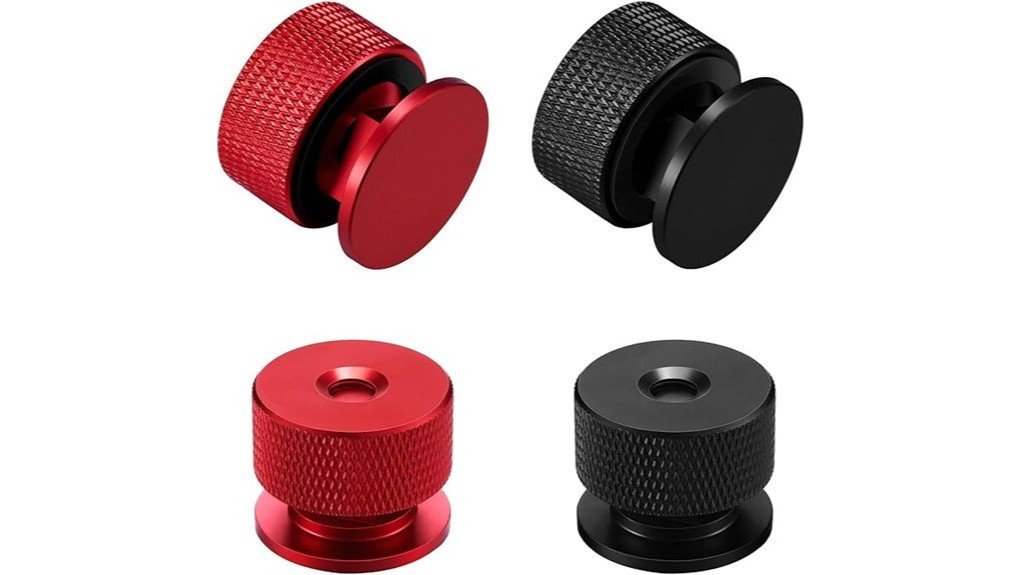
| Material | Lightweight aluminum |
| Washer Type | Nonslip silicone washer |
| Approximate Size | About 2.5 x 2.5 x 2 cm |
| Color Options | Black and red options mentioned in the source article |
| Compatibility | Article states compatibility with welding helmet 100 series, flip, and fiber metal headgear styles |
| Best Use | Replacing worn, loose, or fragile plastic helmet fasteners |
| Safety Note | Confirm fit before welding and replace damaged headgear when fasteners cannot restore secure helmet movement. |
What Are These Welding Hood Helmet Fasteners?
These welding hood helmet fasteners are replacement side hardware pieces for compatible welding helmets. They help hold the helmet shell and headgear together so the hood can stay tighter during use.
The key upgrade is the aluminum construction. Plastic fasteners can crack or strip after repeated adjustment, while aluminum offers better toughness for regular shop use. The nonslip silicone washer adds friction at the contact point, which helps reduce unwanted movement and noise.
This is not a full replacement headgear system. It is a small hardware upgrade for welders whose helmet fasteners are worn, loose, or uncomfortable but whose helmet shell and headgear are still usable.
Who Should Buy It?
Best For
- You have a welding hood with loose or worn side fasteners.
- You want a tougher replacement than basic plastic helmet hardware.
- You use compatible welding helmet 100 series, flip, or fiber metal headgear styles.
Skip If
- Your helmet shell, ratchet band, or headgear frame is cracked or unsafe.
- Your helmet uses a brand-specific fastener shape that does not match this design.
- You need confirmed manufacturer-approved replacement parts for a regulated jobsite.
Before You Buy: Check the fastener hole size, side-knob shape, and headgear style on your helmet before ordering. These fasteners are useful replacement hardware, but they may not fit every welding hood brand or every helmet generation.
Key Takeaways
- Lightweight aluminum construction gives these fasteners better toughness than many plastic replacements.
- The nonslip silicone washer helps add grip between the fastener and helmet contact point.
- The approximate 2.5 x 2.5 x 2 cm size makes them compact enough for common helmet side hardware use.
- They are best for compatible welding helmet 100 series, flip, and fiber metal headgear styles.
- They may not solve helmet movement if the headgear, shell, or adjustment band is already damaged.
Material Quality and Durability
Material quality matters because welding helmets go through constant lifting, lowering, tightening, and adjustment. These fasteners use lightweight aluminum, which gives them a stronger feel than the plastic fasteners often found on budget or older hoods.
Aluminum also helps resist corrosion during regular shop storage. That matters if your helmet sits near moisture, grinding dust, or changing temperatures. A cleaner, stronger fastener can help the side hardware hold tension for longer.
The silicone washer adds another useful layer. It sits at the contact point and helps reduce slipping between parts. It can also cut down on small rattles or clicks that happen when a worn fastener no longer grips well.
Comfort and Stability in Use
A welding helmet that shifts while you work can strain your neck and interrupt your view. These fasteners are designed to create a more secure fit, so your hood feels less loose during repeated lifts and drops.
The compact size, about 2.5 x 2.5 x 2 cm, helps keep the hardware from feeling bulky on the side of the helmet. That is useful when you work in tighter positions or turn your head often while fitting, tacking, or checking your weld.
The main comfort benefit comes from steadier helmet movement. When the side hardware holds better, you can focus more on the weld puddle and less on adjusting your hood between passes.
Compatibility With Welding Helmets
The source article states that these fasteners work with welding helmet 100 series, flip, and fiber metal headgear styles. That gives them useful range, especially if you use a common hood design with replaceable side fasteners.
Compatibility still deserves careful checking. Welding helmets do not all use the same side knob, washer, groove, or thread design. A fastener that fits one hood may feel loose, tight, or misaligned on another.
Before buying, compare your current fastener shape with the product photos and measurements. Also check both sides of your helmet, because wear can sometimes damage the holes or headgear bracket, not only the fastener itself.
Installation and Setup Tips
Start by removing the old fasteners and checking the helmet holes for cracks, worn edges, or stripped parts. If the shell or headgear bracket is damaged, new fasteners may not restore safe performance.
Align the replacement fastener with the existing side hole and washer position. Tighten it enough to hold the helmet steady, but avoid forcing it. Over-tightening can stress the helmet shell or make the hood harder to raise and lower.
Pro Tip: After installation, raise and lower the hood several times before welding. The helmet should move smoothly, stay where you set it, and not wobble when you turn your head.
Compatibility and Safety Notes
Helmet fasteners are small parts, but they affect comfort and control. A loose helmet can shift your viewing angle, and a poorly fitted fastener can make the hood harder to adjust.
Do not use these fasteners as a patch for broken protective equipment. If your helmet shell, lens holder, ratchet band, or headgear frame is cracked, replace the damaged part or the full helmet according to the manufacturer’s guidance.
After any hardware change, inspect your welding hood before using it. Confirm that the lens, shell, headgear, and side fasteners all sit securely. The fasteners should improve fit, not hide a larger safety problem.
How It Performs in Real Use
For Daily Shop Use
For everyday welding tasks, these fasteners are most useful when your hood still works but feels loose at the side pivots. The aluminum build should handle repeated adjustments better than brittle plastic hardware.
For Frequent Helmet Lifting
If you lift and lower your helmet often between welds, steadier side hardware can make the hood feel more controlled. The silicone washer helps add grip, which may reduce small shifts during repeated movement.
For Repairing an Older Helmet
These fasteners can be a practical way to extend the usable life of a compatible older hood. They make the most sense when the original plastic fasteners are the weak point and the rest of the helmet remains in good condition.
For Tight or Awkward Welding Positions
When you work around frames, benches, or repair areas, helmet stability matters. A tighter fastener setup can reduce distraction when you turn your head or lean into a position, although final performance depends on helmet fit.
Pros and Cons
Pros
- Aluminum construction is tougher than many plastic helmet fasteners.
- Nonslip silicone washer helps improve grip and reduce small movement.
- Compact 2.5 x 2.5 x 2 cm size keeps the side hardware low-profile.
- Useful for replacing fragile or worn fasteners on compatible helmets.
- Black and red color options let you match or accent your hood setup.
Cons
- Compatibility is not universal across all welding helmet brands.
- They will not fix a cracked shell, broken headgear, or damaged adjustment band.
- You may need trial fitting if your current helmet uses unusual side hardware.
Is It Worth the Price?
These fasteners look like a strong value for the price if your main issue is loose or worn helmet side hardware. They target a specific problem, so you are not paying for a full headgear replacement when only the fasteners need attention.
You get the most value if your helmet is otherwise in good condition and uses a compatible fastener style. In that case, the aluminum body and silicone washer can make the hood feel tighter and more stable during normal use.
They are not the best fit if you need manufacturer-specific replacement parts or if your helmet has deeper damage. In those cases, a complete headgear kit or a new helmet may be the safer long-term choice.
How It Compares to Alternatives
Compared with plastic replacement fasteners, these aluminum fasteners should offer better toughness and resistance to cracking. Plastic may still be fine for light use, but it can wear faster when you adjust the hood often.
Compared with a full OEM headgear replacement, these fasteners are a smaller and simpler fix. Choose OEM headgear if the ratchet system, pivot arms, or mounting points are damaged. Choose these fasteners if the side hardware is the main issue and your helmet is compatible.
Frequently Asked Questions
How do I install these fasteners on my welding helmet?
Remove the old fasteners, line up the replacement hardware with the helmet’s existing side holes, and tighten by hand until the hood feels secure. Test the helmet movement before welding to make sure it raises, lowers, and holds position correctly.
Are these fasteners adjustable for different helmet sizes?
They can help tighten compatible helmet side hardware, but they do not resize the full headgear system. If your helmet feels too large or too small on your head, adjust or replace the headgear rather than relying only on side fasteners.
Can these fasteners be used with other helmet brands?
They may fit some other helmet brands if the side hardware shape and size match. Check your helmet’s fastener design and compare it with the product measurements before ordering.
What colors are available for these fasteners?
The source article mentions black and red color options. Choose the color based on your helmet style, but prioritize fit and compatibility over appearance.
Will these fasteners fix a helmet that keeps slipping down?
They may help if the slipping comes from worn side fasteners or poor side tension. They will not fix a broken ratchet band, cracked headgear, or damaged helmet shell.
Do these fasteners come with a warranty or guarantee?
The source article does not list warranty details. Check the Amazon listing and seller information before you buy if warranty coverage matters to you.
Who should skip these welding helmet fasteners?
Skip them if your helmet needs brand-specific hardware or if the helmet shell and headgear are already damaged. In those cases, replacing the correct manufacturer part or the full helmet is usually safer.
The Bottom Line
These welding hood helmet fasteners are worth considering if you want a tougher aluminum replacement for loose or worn plastic fasteners on a compatible helmet. They offer useful stability and comfort benefits, but they are not universal and should not be used to hide damage in the helmet shell or headgear.
Buy them if your helmet fit issue comes from the side fasteners. Skip them if you need a full headgear repair, certified manufacturer replacement hardware, or a confirmed fit for a specific helmet model.