Disclosure: As an Amazon Associate, we earn from qualifying purchases. If you click a link on this page and make a purchase, we may receive a small commission at no extra cost to you.
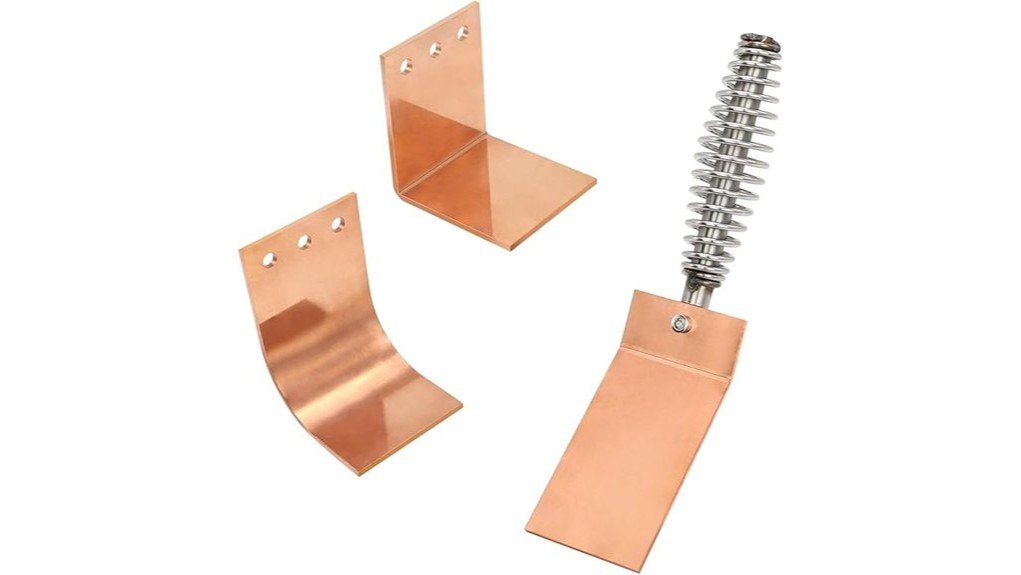
Thin sheet metal can burn through fast when you are filling holes, repairing patch panels, or working near an edge. The Welding Spoon Copper is designed to sit behind the weld area so it can support the workpiece and help pull heat away during MIG welding. Its main appeal is the three-spoon layout, with flat, curved, and 90-degree spoon shapes for different repair angles. The tradeoff is that the supplied product details do not confirm a brand, exact warranty period, or replacement-part program, so you should check the Amazon listing carefully before buying.
Quick Verdict
Rating: Recommended with caveats, 7.4/10
Best For: DIY welders and repair-focused users working on thin metal, patch panels, motorbike parts, or vehicle sheet metal.
Bottom Line: The Welding Spoon Copper gives you useful backing support in tight MIG welding jobs, especially when thin metal needs heat control. It is less ideal if you need fully verified brand details, a confirmed warranty, or a tool made for heavy structural welding.
| Specification | Detail |
|---|---|
| Product name | Welding Spoon Copper |
| Product type | Copper welding backing spoon set |
| Primary use | MIG welding support on thin metal and sheet metal repairs |
| Spoon shapes | Flat, curved, and 90-degree angled spoons |
| Material detail | Copper plates, stated as 3mm thick in the supplied article |
| Handle design | Ergonomic handle for better control during longer work sessions |
| Adjustment feature | Adjustable offset screw hole for reaching tighter spaces |
| Weight | Approximately 1.5 pounds, based on the supplied article |
| Best use cases | Spot welds, patch panels, vehicle repairs, motorbike repairs, restoration work, and intricate sheet metal jobs |
| Warranty note | Warranty length was not confirmed in the supplied article. Check the Amazon seller details before buying. |
What Is the Welding Spoon Copper?
The Welding Spoon Copper is a hand-held backing tool for welding thin metal. You place the copper spoon behind the area you are welding so the metal has support while the weld puddle forms. Copper also helps draw heat away from the weld zone, which can reduce the chance of burn-through on delicate sheet metal.
The set described in the supplied article includes three angled spoons: flat, curved, and 90 degrees. That mix gives you more flexibility than a single flat backing plate because you can match the spoon shape to a panel, corner, edge, or hard-to-reach repair area. The adjustable offset screw hole also helps when straight access is limited.
This tool makes the most sense for MIG welding, patch repair, vehicle work, motorbike repairs, and small restoration tasks. It is not a substitute for correct welder settings, clean base metal, or safe welding technique.
Before You Buy: The supplied article does not confirm the brand, exact warranty period, or replacement-part availability. Check the Amazon listing photos, seller details, package contents, and return terms before ordering.
Who Should Buy It?
Best For
- DIY welders who repair thin sheet metal and need backing support.
- Vehicle and motorbike repair users working around small holes, edges, and patch panels.
- Restoration projects where controlled heat and access to tight spots matter.
Skip If
- You need a fully verified brand, model number, or factory warranty before purchase.
- You mainly weld thick structural metal where a small backing spoon adds little value.
- You want a hands-free clamp or magnetic fixture instead of a hand-positioned tool.
Design and Build Quality
The strongest design feature is the three-spoon setup. The flat spoon works well when the back side of the metal is open and even. The curved spoon helps on shaped panels, tubing, or areas that do not sit flat. The 90-degree spoon gives you a better angle for corners, flanges, and repair spots where a straight backing plate would be awkward.
The article describes the copper plates as 3mm thick. That thickness gives the spoon more durability than very thin copper strips, while still keeping the tool manageable by hand. Copper is also useful in this type of tool because it can absorb and spread heat away from the weld area.
The ergonomic handle matters more than it may seem at first. During small spot repairs, you often need to hold the backing tool steady while controlling the MIG gun with your other hand. A handle that is easier to grip can help reduce hand fatigue and improve placement control.
Heat Control for Thin Metal
The main reason to buy this tool is heat control. Thin metal can blow out when the weld puddle gets too hot or the arc stays in one place too long. A copper backing spoon gives the molten metal something to bridge against while helping pull heat away from the weld zone.
This can be especially useful when you fill small holes, tack patch panels, or repair sheet metal that has already been weakened by rust removal or grinding. The tool does not guarantee perfect welds, but it gives you a better chance of controlling the puddle when the base metal is easy to burn through.
You still need proper settings, clean metal, correct wire speed, and short weld bursts. The spoon supports the process, but it will not fix poor fit-up or a welder set too hot for the material.
Fit and Access in Tight Spaces
The adjustable offset screw hole is one of the more practical details mentioned in the supplied article. It helps you position the spoon when the weld area is close to an edge, curve, or obstruction. That matters in real repair work because the back side of a panel is not always easy to reach.
The three spoon angles also help with access. A flat spoon is simple and stable, but it may not reach a corner. A curved spoon can match rounded metal better. A 90-degree spoon can sit behind a tight bend or vertical repair area where a straight tool would force your wrist into an awkward position.
Ease of Use and Handling
Using a welding spoon is simple, but it does require coordination. You position the copper spoon behind the repair area, hold it steady, and weld from the front side. The goal is to support the molten weld while the copper helps reduce burn-through.
The approximate 1.5-pound weight from the supplied article suggests the tool should feel solid without being too heavy for most short repair jobs. Still, it may become tiring during long sessions if you need to hold it in place for many repeated welds. For long jobs, you may prefer to tack in stages and let the tool cool between passes.
Pro Tip: Clean the back side of the repair area before placing the copper spoon. Better contact helps the spoon support the weld and keeps dirt, scale, and paint from affecting the repair.
Compatibility and Safety
The article presents this tool as especially useful for MIG welding on thin metals. It may also help as a copper backing surface in some TIG repair situations, but the supplied details focus mainly on MIG use. For any welding process, follow your welder manual and use settings that match the metal thickness.
Copper backing tools can get hot during use. Wear proper welding gloves, eye protection, and protective clothing. Do not touch the spoon surface after welding until it has cooled, and keep it away from flammable materials on your bench.
This tool is best viewed as an add-on support tool, not a safety device. It does not replace welding PPE, ventilation, correct grounding, or proper workpiece preparation.
How It Performs in Real Use
For MIG Patch Panels
On patch panels, the Welding Spoon Copper can help support the joint while you tack around the repair area. The copper surface can reduce burn-through risk when the panel is thin, but you still need short tacks and cooling time between welds.
For Vehicle and Motorbike Repairs
Vehicle and motorbike repairs often involve curved panels, tight corners, and metal that has been thinned by corrosion. The curved and 90-degree spoons are useful in those situations because they give you more positioning options than a basic flat plate.
For Sheet Metal Restoration
In restoration work, you may need to fill small holes or rebuild weak areas without making the surrounding metal worse. The copper spoon can act as a temporary backing surface so the filler weld has a cleaner place to form.
For Tight Corners and Edges
The 90-degree spoon is the most useful shape for corners, flanges, and hard-to-reach edges. It helps you get support behind the weld area without forcing the handle into the same line as the panel.
How to Use It Correctly
- Clean both sides of the repair area so the spoon sits against bare metal when possible.
- Choose the spoon shape that makes the most contact with the back side of the weld area.
- Hold the spoon steady before starting the weld so it does not shift during the tack.
- Use short welds on thin metal instead of long continuous beads.
- Let the copper cool between repeated welds if it becomes too hot to handle safely.
- Inspect the spoon after use for buildup, distortion, or damage before storing it.
Cleaning and Maintenance
After use, let the tool cool fully before cleaning it. Wipe the handle and copper surfaces with a dry or slightly damp cloth to remove dust and residue. If small weld spatter or debris sticks to the copper, use a wire brush carefully without gouging the surface.
Store the spoon in a dry toolbox or drawer. Keeping it away from moisture, grinding dust, and heavy impacts will help preserve the copper surfaces and the adjustment hardware.
Pros and Cons
Pros
- Three spoon angles give you more options for flat panels, curves, and corners.
- 3mm copper plates, as stated in the article, support heat control on thin metal.
- Ergonomic handle helps with grip and placement during small repair jobs.
- Adjustable offset screw hole improves access in tighter welding positions.
- Useful for MIG repair work, sheet metal patches, and restoration tasks.
Cons
- Brand, model, and warranty details were not confirmed in the supplied article.
- Requires correct placement and steady hand control to work well.
- Not the best fit for thick structural welding or hands-free fixture needs.
Is It Worth the Price?
The Welding Spoon Copper is worth considering if you often weld thin metal and need a simple backing tool for better control. Its value comes from the three spoon shapes, copper backing surface, ergonomic handle, and adjustable offset design. Those features make it more useful than a single flat scrap of copper in many repair situations.
It offers the most value for DIY automotive repairs, motorcycle work, small fabrication jobs, and restoration projects. You may get less value from it if you mostly weld thick metal, use dedicated clamping fixtures, or need a product with fully confirmed manufacturer support.
How It Compares to Alternatives
A flat copper backing plate may be enough if you only weld on open, flat panels. A copper chill bar can also work for straight seams where access is easy. The Welding Spoon Copper makes more sense when you need hand-held control, angled access, and multiple spoon shapes for different repair areas.
Compared with magnetic welding fixtures, this tool gives you more direct backing contact behind the weld area, but it also requires you to hold it in place. Choose it for flexibility and tight-space work, not for hands-free clamping.
Frequently Asked Questions
What is the Welding Spoon Copper used for?
It is used as a copper backing tool behind thin metal while welding. It can help support the weld puddle, reduce burn-through risk, and improve control during MIG patch repairs.
Is it mainly for MIG welding?
The supplied article focuses on MIG welding, especially on thin metals and sheet metal repair. Some users may use copper backing during other welding processes, but you should follow your welder manual and match the tool to the job.
Why does the set include flat, curved, and 90-degree spoons?
Each spoon shape helps with a different repair position. The flat spoon suits open panels, the curved spoon helps on shaped metal, and the 90-degree spoon helps behind corners, bends, and edges.
Will it completely prevent burn-through?
No tool can completely prevent burn-through if the welder settings, metal preparation, or technique are wrong. The copper spoon can help reduce risk by backing the weld area and drawing away heat, but you still need short tacks and proper settings.
How do you clean the copper welding spoon after use?
Let it cool first. Then wipe it clean and use a wire brush carefully if residue or light spatter remains on the copper surface.
What should you check before buying?
Check the Amazon listing photos, seller details, package contents, and return terms. The supplied article does not confirm the exact brand, model, warranty length, or replacement-part availability.
Who should skip this welding spoon?
Skip it if you mostly weld thick structural material, need a hands-free fixture, or require fully verified manufacturer support before purchase. It is better suited to small repair work and thin metal backing.
The Bottom Line
The Welding Spoon Copper is a practical buy for welders who repair thin metal, patch panels, and tight sheet metal areas. Its three spoon shapes, copper backing surface, ergonomic handle, and adjustable offset design make it useful for MIG repair work, but the lack of confirmed brand and warranty details means you should review the listing carefully before buying.