What’s in This Article
- Understanding Welding Wire Spool Basics
- Welding Wire Spool Sizes and Their Uses
- 2 Lb vs. 10 Lb Spools: Which Suits Your Needs?
- The Benefits of Choosing 10 Lb Spools for Frequent Welding
- What About Larger Spools? 12 Lb and Beyond
- Choosing the Right Material for Your Welding Spool
- Storing and Maintaining Your Welding Spools
- Selecting the Right Spool for Your Project Needs
- How Wire Diameter Affects Spool Choice
- Frequently Asked Questions
- Final Thoughts on Welding Wire Spool Sizes
The wrong welding wire spool size can slow your work, raise your costs, and leave wire sitting long enough to rust. Small spools help with quick repairs, while larger spools keep frequent welders from stopping to change wire. This guide explains common welding wire spool sizes, when each one makes sense, and how to store your wire so it feeds well.
Quick Answer
Most welding wire spools range from small 2 lb spools to large 60 lb spools. Choose 2 lb spools for light or occasional work, 10 lb spools for regular home and shop use, and 30 lb to 60 lb spools for high-volume jobs. Match the spool size to your welder, wire type, storage conditions, and how often you weld.
Key Takeaways
- Use 2 lb spools for short, light jobs where portability matters most.
- Choose 10 lb spools if you weld often and want lower cost per pound.
- Pick 30 lb to 60 lb spools for shop or industrial work with long weld runs.
- Check your welder manual before buying, since not every machine accepts every spool size.
- Store spools in a cool, dry place to reduce rust and feeding problems.
Understanding Welding Wire Spool Basics
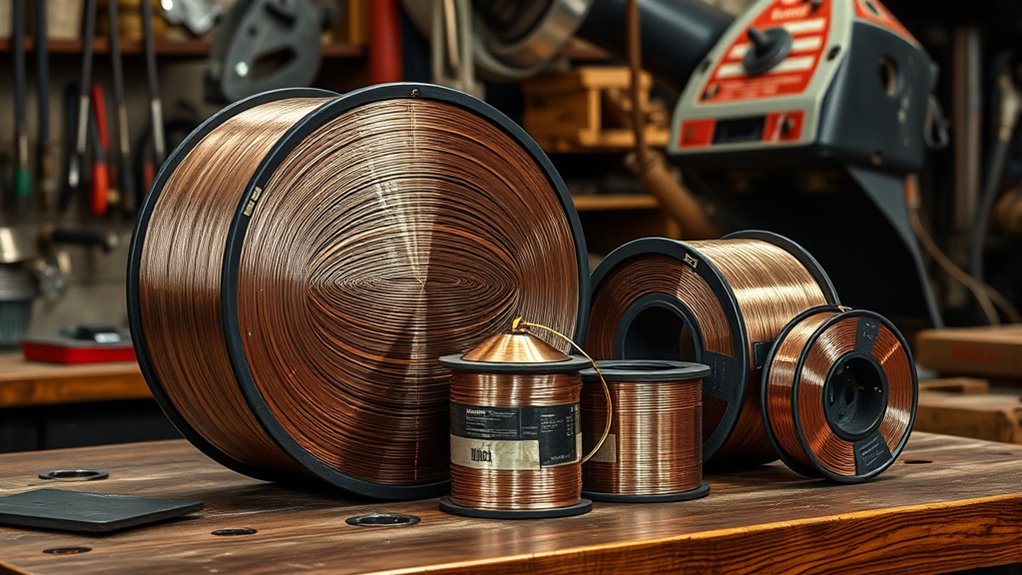
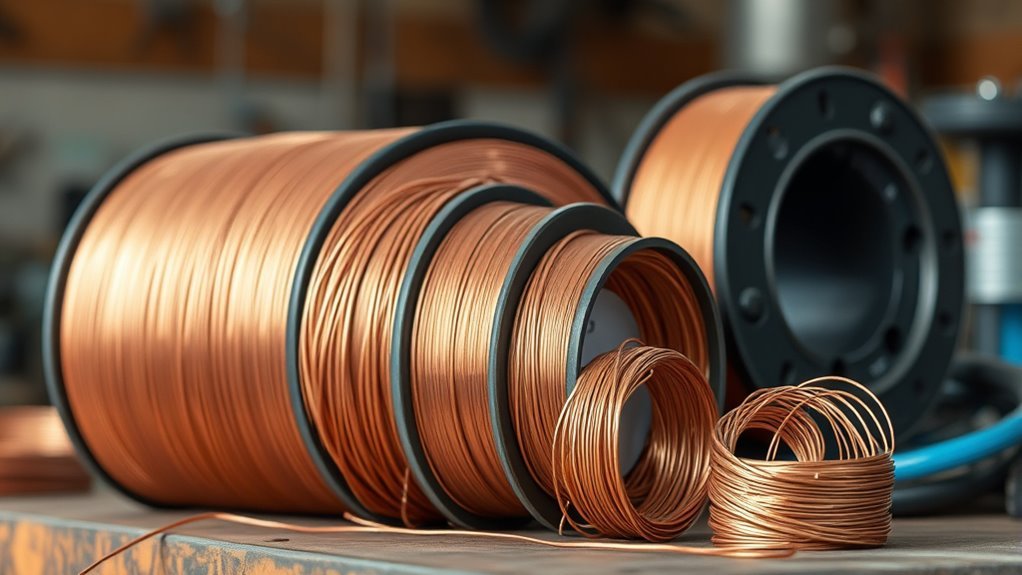
Welding wire spools hold the wire your machine feeds through the gun during metal inert gas (MIG) or flux-core welding. Common spool weights range from about 2 lbs to 60 lbs, but your machine determines which sizes you can use.
Smaller spools, like 2 lb options, suit quick projects and light repairs. Larger spools, such as 10 lb, 30 lb, or 60 lb sizes, support longer jobs and reduce the number of wire changes.
Spool size can affect your workflow. If you weld often, a larger spool can reduce downtime, lower packaging waste, and cut your cost per pound.
Spool material also matters. Plastic, steel, and fiberboard spools differ in weight, durability, and how well they handle storage and transport.
Proper storage keeps the wire usable. Store welding wire spools in a cool, dry place to limit moisture pickup, rust, and poor feeding.
Welding Wire Spool Sizes and Their Uses
Welding wire spools come in several sizes, and each size fits a different type of work. The best choice depends on your welder, project length, wire type, and storage space.
- 2 lb spools: Best for hobbyists, small repairs, and portable welders.
- 10 lb spools: Best for regular home, farm, garage, and light shop use.
- 12 lb to 20 lb spools: Best for longer jobs where your machine supports the size.
- 30 lb to 60 lb spools: Best for production work, fabrication shops, and industrial welding.
For hobbyists and small projects, 2 lb spools offer easy handling and simple storage. If you weld often, 10 lb spools usually provide better value because you buy more wire at once and change spools less often.
For hobbyists, 2 lb spools provide portability, while 10 lb spools make more sense for regular use.
For high-volume work, larger spools help you keep a steady workflow. They reduce interruptions during long welds and lower the time spent replacing consumables.
Wire diameter also affects your results. A spool with the right wire size helps match the metal thickness, welding position, and machine output.
2 Lb vs. 10 Lb Spools: Which Suits Your Needs?
When you compare 2 lb and 10 lb spools, start with how often you weld. A 2 lb spool works well when you only need wire for occasional repairs or small projects.
A 10 lb spool fits better when you weld often. It usually costs less per pound than a small spool and gives you a longer run time before replacement.
Storage should guide your choice too. A 10 lb spool can last a long time for a light user, but only if you keep it dry and protected from dust and humidity.
Remove wire spools from the machine if you won’t use them for a long period. This simple step helps reduce exposure to shop moisture and airborne grit.
Note: Always confirm that your welder accepts a 10 lb spool before you buy one.
For many frequent home welders, 10 lb spools strike the best balance. They offer more wire without the weight and setup demands of industrial spool sizes.
Products Worth Considering

High-quality: ARCCAPTAIN's ER70S-6 mig welding wire .030" meets industry standards(Net Weight: 10lbs), ensuring consistent performance, superior strength. With its smooth feeding and stable welding parameters, you can achieve optimal penetration, high deposition rates, and exceptional overall welding performance.
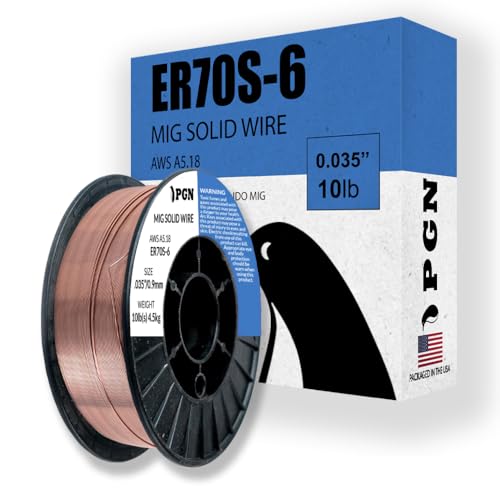
Do Your Best Work ... Color all your clients impressed with the precision and arc control of the ER70S-6 solid MIG welder wire. You'll love the low splatter whether you're performing single or multi-pass welds. Great for T-joints, butt welds & lap welds.

ER70S-6 MIG WIRE: It's the most common wire of the copper-coated mild steel GMAW (MIG) wires for single or multiple pass welding.
The Benefits of Choosing 10 Lb Spools for Frequent Welding
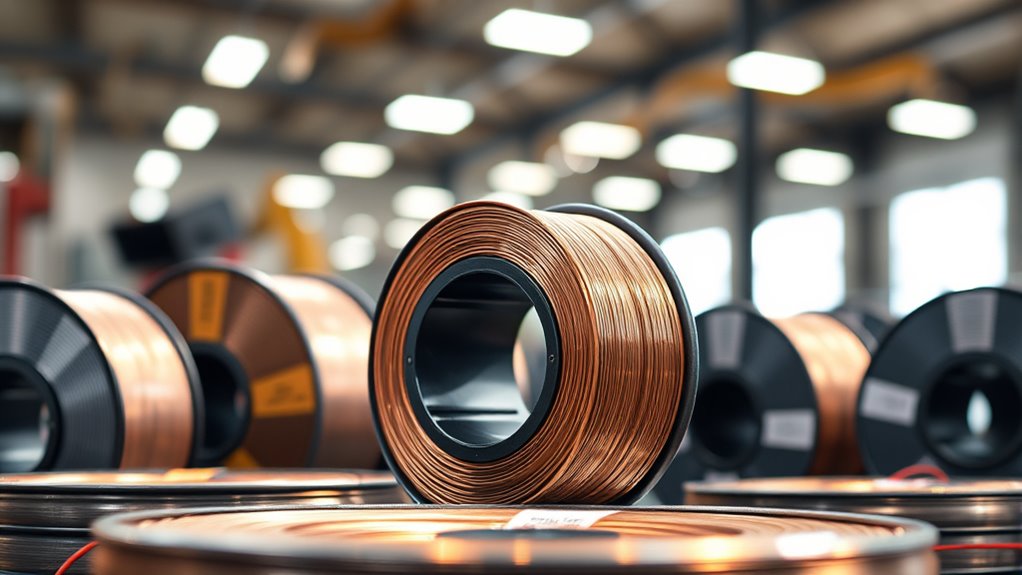
Choosing 10 lb spools for frequent welding can lower your material cost and reduce the time you spend changing wire. These spools fit many home and shop machines, but you should check your machine specs first.
They also give you enough wire for repeated repairs, practice beads, and larger projects. That makes them useful for hobbyists, farm repairs, garage welding, and light fabrication.
Products Worth Considering

Gasless Flux Core Welding Wire .035 This .035 flux core welding wire is designed for gasless MIG welding, removing the need for shielding gas. Ideal for outdoor jobs, repairs, and general welding tasks.
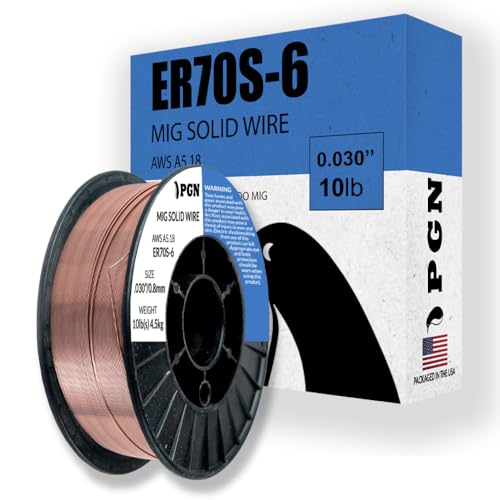
Do Your Best Work ... Color all your clients impressed with the precision and arc control of the ER70S-6 solid MIG welder wire. You'll love the low splatter whether you're performing single or multi-pass welds. Great for T-joints, butt welds & lap welds.

Premium Quality Material: This 10 lb. roll of 0.035" flux core welding wire is manufactured from AWS E71T-GS mild steel, delivering consistent performance and strong, reliable joints. Each spool is made of new ABS plastic sheets for excellent durability and impact resistance built to last through demanding jobs
Cost-Effective Option
Ten-pound spools often cost less per pound than 2 lb spools. That price gap can matter if you weld often or practice regularly.
A 10 lb spool also reduces repeat trips to buy wire. You can spend more time welding and less time replacing small spools.
Proper storage protects that value. Keep the spool dry, covered, and away from damp concrete or humid air.
| Feature | 10 lb Spools | Benefit |
|---|---|---|
| Cost Efficiency | Lower cost per pound than small spools | Better value for regular use |
| Run Time | More wire per spool | Fewer spool changes |
| Versatility | Useful for many common projects | Good fit for home and shop work |
| Storage | Needs dry indoor storage | Helps prevent rust |
| Best Use | Frequent welding | Better productivity |
Ideal for Hobbyists
For hobbyists who weld often, 10 lb spools can make projects easier to plan. You get enough wire for repeated work without moving to an industrial setup.
They also help when you want consistent wire on hand for practice and repairs. This matters if you use the same wire type for most of your welding.
Store the spool indoors when possible. A dry storage area helps preserve wire quality and reduces rust risk.
Easy to Handle
Ten-pound spools remain manageable for most home and garage welders. They carry more wire than small spools but don’t create the handling issues of large shop spools.
Their size can work well for portable machines that support them. Check the spindle, adapter, and door clearance before installing one.
| Feature | 10 lb Spools |
|---|---|
| Cost Efficiency | Good value for frequent use |
| Storage Life | Longer with dry storage |
| Portability | Manageable for many small shops |
| Ideal Use | MIG and flux-core projects |
Choosing 10 lb spools can improve your welding routine when your machine supports them. You get fewer interruptions without giving up easy handling.
What About Larger Spools? 12 Lb and Beyond
Larger welding wire spools, such as 12 lb, 20 lb, 30 lb, and 60 lb options, serve longer jobs and heavier shop use. They make sense when your welder can handle them and your projects use wire quickly.
These spools reduce the number of stops for wire changes. That helps production shops, fabrication teams, and anyone working on long weld runs.
They can also lower the cost per pound. The savings matter most when you use enough wire before rust or contamination becomes a problem.
Storage and handling become more important as spool size increases. Larger spools weigh more, take up more space, and may need stronger feed systems or spool adapters.
Many heavier spools use durable packaging for shop and transport demands. Still, you should inspect every spool for damage before loading it into your welder.
Choosing the Right Material for Your Welding Spool
When you choose a welding spool, look at both spool size and spool material. The material can affect weight, durability, feeding stability, and storage life.
Plastic spools are common and lightweight. Steel spools can handle harder use, while fiberboard options often appear with larger or industrial wire packages.
Material Durability Importance
The right spool material helps the wire feed smoothly and protects the wire during handling. Damaged or warped spools can cause feeding problems and inconsistent tension.
Steel spools often provide strength in demanding shop settings. Plastic spools work well for many small machines and lighter jobs.
Humidity matters with every material. Rust on the wire, not just damage to the spool, can lead to poor weld quality and feeding trouble.
Weight Considerations
Spool weight affects how easily you can move, load, and store wire. A 2 lb spool works well for portable setups and small welders.
A 10 lb spool adds capacity while staying practical for many home shops. Larger spools can improve productivity, but they may not fit compact machines.
For stationary work, heavier spools can support longer welding sessions. For mobile work, smaller spools often make more sense.
Cost-Effectiveness Analysis
Cost effectiveness depends on how fast you use the wire. Larger spools often cost less per pound, but they only save money if you store and use them well.
If you weld once in a while, a small spool may cost more per pound but waste less wire. If you weld often, a 10 lb or larger spool can lower your long-term cost.
| Feature | 10 lb Spools |
|---|---|
| Cost per Pound | Usually lower than 2 lb spools |
| Longevity | Strong when stored dry |
| Per-Weld Cost | Lower for regular users |
| Best Fit | Regular and high-volume projects |
| Storage Need | Indoor, dry, and covered |
Storing and Maintaining Your Welding Spools
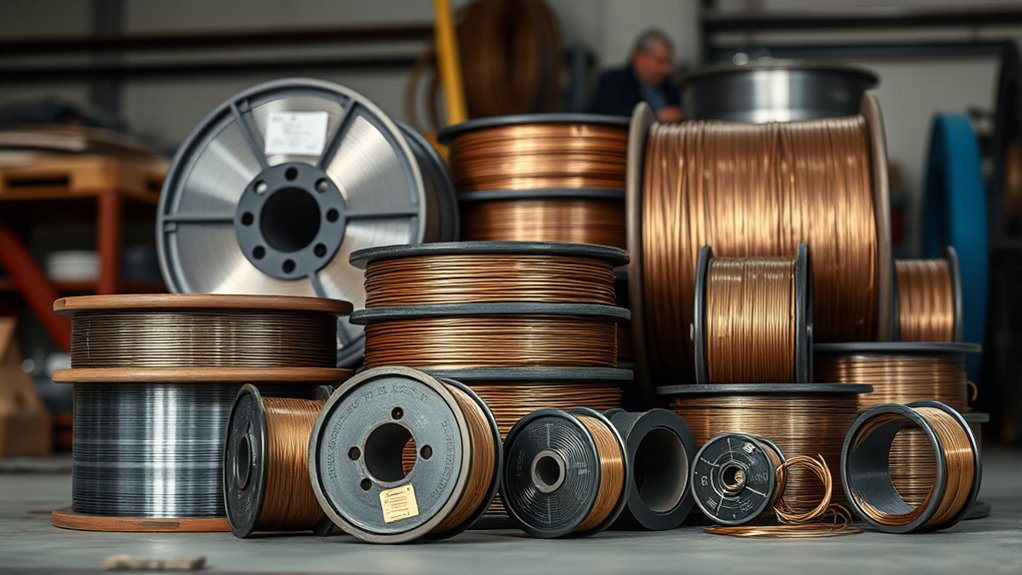
Good storage helps your welding wire last longer and feed more smoothly. Keep spools in their original packaging until you need them.
Store welding wire in a cool, dry area away from rain, wet floors, and high humidity. Moisture can promote rust, and rusty wire can cause feeding problems or poor welds.
Store welding wire in its original packaging and in a cool, dry place. Remove spools from the machine when you won’t use them for a long time.
Handle spools with clean, dry hands when possible. Avoid setting wire on wet surfaces or bare concrete.
Keep spools off the ground and in a controlled area, especially if you work near the coast or in a humid shop. Inspect your wire before use and replace it if rust, kinks, or contamination affect feeding.
Warning: Do not use badly rusted welding wire, since it can feed poorly and weaken weld quality.
Selecting the Right Spool for Your Project Needs
Choose your spool size by matching it to your project volume, welder capacity, and storage conditions. A spool that looks like a bargain can waste money if it sits too long and rusts.
For light-duty repairs, 2 lb spools keep setup simple and reduce leftover wire. For frequent users, 10 lb spools often provide a better mix of value, handling, and run time.
For industrial use, 30 lb and 60 lb spools can reduce downtime and support longer weld runs. These larger sizes work best in shops that use wire quickly.
| Spool Size | Best For | Cost Effectiveness |
|---|---|---|
| 2 lb | Light-duty projects | Higher cost per pound, less waste for rare use |
| 10 lb | Frequent users | Strong value for regular welding |
| 60 lb | Industrial use | Best for reducing downtime in high-volume work |
Your wire diameter matters too. Match the wire to your base metal thickness, machine settings, and welding process for better results.
How Wire Diameter Affects Spool Choice
Spool size tells you how much wire you have, but wire diameter tells you how that wire performs. Common wire diameters include .023, .030, .035, and .045 inch, depending on your machine and material.
Thinner wire often works better on thinner sheet metal because it needs less heat. Thicker wire can help when you weld heavier metal that needs more deposition and deeper penetration.
Always match wire diameter to your welder’s drive rolls, contact tip, and settings. The right spool size won’t help if the wire diameter doesn’t match the job.
Frequently Asked Questions
Is .030 or .035 Wire Better?
Choose .030 wire for thinner materials, lower heat input, and easier control on light projects. Choose .035 wire for thicker materials when your welder has enough output to run it well.
Why Do Welders Not Live Long?
Welders can face health risks from fumes, heat, ultraviolet light, noise, and physical strain. Proper ventilation, protective equipment, training, and safe work habits can reduce those risks.
What Size Spools Does Welding Wire Come In?
Welding wire commonly comes in spool sizes from about 2 lbs to 60 lbs. Availability depends on wire type, brand, diameter, and the machine you plan to use.
What Are the Different Types of Wire Spools?
Wire spools may use plastic, steel, or fiberboard, depending on size and use. Plastic suits many small machines, while steel and fiberboard options often support heavier shop or industrial work.
Can You Use a Large Spool on a Small Welder?
You can only use a large spool if your welder supports that spool size and weight. Check the spindle size, spool compartment, drive system, and manual before you install a larger spool.
Final Thoughts on Welding Wire Spool Sizes
The best welding wire spool size depends on how often you weld, how much wire your machine accepts, and how well you can store it. Choose a 2 lb spool for occasional jobs, a 10 lb spool for regular work, and a larger spool for high-volume welding.
Before you buy, check your welder manual and match the wire diameter to your project. A well-matched spool keeps your work moving and helps you get cleaner, more consistent welds.
References
- Welding, Cutting, and Brazing — Occupational Safety and Health Administration
- AWS Standards — American Welding Society
- MIG Welding Resources — Lincoln Electric