Disclosure: As an Amazon Associate, we earn from qualifying purchases. If you click a link on this page and make a purchase, we may receive a small commission at no extra cost to you.
Cast iron repair can be frustrating because the base metal is brittle and can crack when heat builds too quickly. The WeldingCity Cast Iron Repair Stick is a nickel-iron stick electrode made for cast iron repair work where strength, ductility, and crack control matter. This review looks at the article-supported specs, practical use cases, safety notes, and buying limitations so you can decide whether these rods fit your repair job. The main strength is the 55% nickel and 45% iron composition, but you still need proper prep, preheating, and careful cooling to get the best result.
Quick Verdict
Rating: Recommended with caveats, 8.0/10
Best For: Welders repairing low-grade cast iron, cast iron parts, and some dissimilar-metal joints.
Bottom Line: These WeldingCity rods make sense if you want a nickel-iron electrode that can produce strong, ductile cast iron repairs. They are not a shortcut for poor prep, since cast iron still needs preheating, correct amperage, and controlled cooling to reduce cracking risk.
| Specification | Detail |
|---|---|
| Brand | WeldingCity |
| Product type | Cast iron repair stick welding electrodes |
| Electrode size | 3/32" x 12" |
| Composition stated in article | 55% nickel and 45% iron |
| Electrode class stated in article | ENiFe-C1 / ENiFe-CI style cast iron repair electrode wording |
| Standard stated in article | AWS A5.15 |
| Welding positions | All-position welding, as stated in the source article |
| Best use | Cast iron repair, low-grade cast iron, and some dissimilar-metal joining |
| Key benefit | High-strength, ductile welds with reduced shrinkage stress compared with less forgiving repair options |
| Safety note | Use welding PPE, follow the rod packaging and welder manual, and use professional help for structural or safety-critical repairs. |
What Is the WeldingCity Cast Iron Repair Stick?
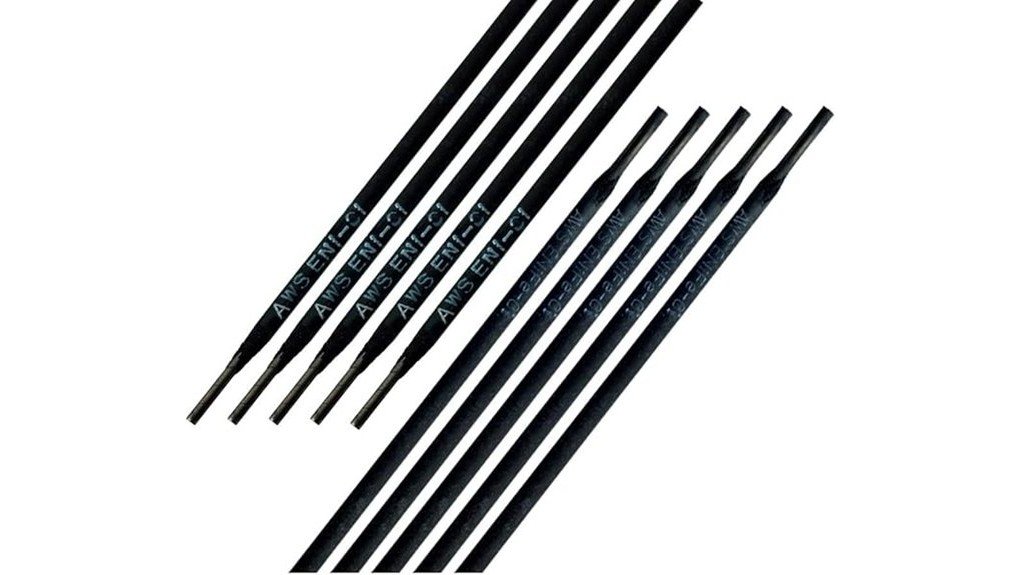
The WeldingCity Cast Iron Repair Stick is a stick welding electrode for repairing cast iron. The article lists the rod size as 3/32" x 12" and the composition as 55% nickel and 45% iron, which is the main reason this product is positioned for cast iron repair.
Nickel-iron electrodes are useful because cast iron does not behave like mild steel during repair. A ductile weld deposit can better handle movement and shrinkage stress as the part heats and cools. That does not remove the need for good technique, but it gives you a more forgiving repair rod than basic steel electrodes for many cast iron jobs.
This is best viewed as a repair electrode, not a general-purpose welding rod. You should choose it when the job involves cast iron, low-grade cast iron, or a repair where reduced cracking risk matters more than speed.
Who Should Buy It?
Best For
- Welders repairing cracked or worn cast iron parts.
- DIY users who already understand stick welding basics and want a nickel-iron repair rod.
- Small shop users working on low-grade cast iron or selected dissimilar-metal repairs.
Skip If
- You need a rod for ordinary mild steel fabrication.
- You cannot preheat, clean, or cool the cast iron part correctly.
- The part is structural, pressure-bearing, or safety-critical and needs professional repair approval.
Before You Buy: Cast iron repair depends heavily on preparation and heat control. Do not buy these rods expecting them to fix contaminated, oil-soaked, badly cracked, or safety-critical parts without proper inspection and repair planning.
Materials and Build Quality
The most important detail is the nickel-iron composition stated in the article. With 55% nickel and 45% iron, these rods are intended to create a weld deposit that is stronger and more ductile than a basic steel filler choice on cast iron.
Ductility matters because cast iron can crack when weld shrinkage pulls against the surrounding base metal. A nickel-iron repair rod can help reduce that stress, especially when you pair it with preheating and slow cooling. It still requires clean base metal, proper amperage, and short weld passes.
The 3/32-inch diameter is a practical size for many smaller repair jobs. It can give you better control on smaller parts than a larger rod, but it may take more passes on thicker sections.
Fit and Compatibility
This product fits a narrow job type: cast iron repair with stick welding. The article specifically points to low-grade cast iron, dissimilar metals, and all-position welding as supported uses. That makes it more specialized than a common E6011, E6013, or E7018 rod.
For thin cast iron or repairs that need more machinability after welding, you may want to compare a high-nickel ENi-CI style rod. For harder-wearing repairs where strength and ductility matter more, the WeldingCity nickel-iron option may be the better match.
Performance and Weld Quality
The WeldingCity Cast Iron Repair Stick is built around crack control. The article states that the rods produce high-strength, ductile welds with minimal weld shrinkage stress. That is the right goal for cast iron because cracking often happens during cooling, not just during the arc.
In real work, the result will depend on your setup. Dirty cast iron, oil contamination, too much heat, or fast cooling can ruin a repair even when the electrode is suitable. Use the rod as part of a careful repair process, not as a cure-all.
Comparison With ENi-CI Electrodes
ENiFe-CI and ENi-CI electrodes both serve cast iron repair, but they are not the same choice. The article positions ENiFe-CI style rods as stronger and more ductile, while ENi-CI style rods are often chosen when machinability and low shrinkage stress matter most.
| Feature | ENiFe-CI Style Rod | ENi-CI Style Rod |
|---|---|---|
| Main focus | Strength and ductility | Machinability and lower shrinkage stress |
| Article-stated nickel content | 55% nickel | Higher nickel content than ENiFe-CI style rods |
| Best use | Low-grade cast iron and stronger repair work | Thin cast iron sections or repairs that need machining |
| Buyer takeaway | Choose this when ductility and strength are priorities. | Compare this when post-weld machining matters more. |
How It Performs in Real Use
For Cracked Cast Iron Parts
For a cracked cast iron part, these rods make the most sense after you clean the crack, remove contaminants, and plan the weld sequence. The ductile nickel-iron deposit can help reduce stress, but you should still use short passes and avoid overheating one area.
For Low-Grade Cast Iron
The article specifically notes low-grade cast iron as a strong match. This matters because inconsistent cast iron can be harder to weld cleanly. A nickel-iron rod gives you a better chance of a durable repair than a generic steel rod, but testing on scrap or a non-critical area is wise.
For Dissimilar-Metal Repairs
The article states that these electrodes can work for dissimilar metals. That can help when a repair involves cast iron joined to another compatible metal. Still, dissimilar-metal welding can be tricky, so check the part, service load, and welding procedure before you commit.
For Shop and Garage Use
For a small shop or garage, the 3/32-inch size can be easier to control on smaller cast iron repairs. It is a practical rod size for careful work, but it is not the fastest choice for large castings or heavy sections that need extensive buildup.
How to Use It Correctly
Start by cleaning the repair area thoroughly. Remove paint, rust, oil, grease, and loose material before welding. Cast iron often holds contamination in pores, so a surface that looks clean may still need extra prep.
Preheating is strongly recommended in the source article because it helps reduce cracking. Use the preheat range and cooling method that match your cast iron part, rod instructions, and welding procedure. After welding, let the part cool slowly instead of shocking it with air or water.
Keep your weld beads short and controlled. Peening may help relieve stress in some cast iron repairs, but only use methods that fit your procedure and skill level. When in doubt, ask a qualified welder or repair shop before welding a high-value part.
Pro Tip: Practice on scrap cast iron before repairing the actual part. This helps you dial in amperage, travel speed, arc length, and bead size without risking the piece you need to save.
Safety, Storage, and Handling
Use a welding helmet, gloves, flame-resistant clothing, and proper eye and skin protection when welding with these rods. You should also work with safe ventilation and keep flammable materials away from the repair area.
Store the electrodes in a dry, temperature-controlled place. Moisture can hurt electrode performance and may contribute to poor arc behavior or weld defects. Keep rods sealed when possible and inspect them before use if they have been stored for a long time.
Do not use these rods on a safety-critical repair unless the finished part can be inspected and approved by a qualified professional. Cast iron can fail suddenly when a repair is not suitable for the load or service conditions.
Pros and Cons
Pros
- 55% nickel and 45% iron composition is suitable for many cast iron repair jobs.
- 3/32" x 12" size gives good control for smaller repairs and careful bead placement.
- Designed for high-strength, ductile welds that can help reduce cracking risk.
- Article-supported all-position use adds flexibility in shop and repair settings.
- Useful for low-grade cast iron and some dissimilar-metal applications.
Cons
- Requires correct cleaning, preheating, heat control, and slow cooling.
- Not the right rod for ordinary mild steel fabrication.
- May not be ideal when the repair must be machined after welding.
Is It Worth the Price?
The WeldingCity Cast Iron Repair Stick is worth considering if you already know you need a nickel-iron rod for cast iron repair. Its value comes from the specialized composition, not from being a general rod for every welding job.
It should deliver the most value for welders who repair cast iron often enough to justify buying a purpose-built electrode. It is not the best fit if you only need mild steel rods, or if your repair is too risky to attempt without professional inspection.
How It Compares to Alternatives
Compared with general-purpose stick electrodes, this WeldingCity rod is more focused on cast iron repair and crack control. General rods may cost less, but they are not a good substitute when you need a ductile nickel-iron weld deposit on cast iron.
Compared with ENi-CI style high-nickel rods, this option makes more sense when strength and ductility are the main priorities. If you need a softer deposit for easier machining after the repair, compare ENi-CI options before buying.
Frequently Asked Questions
Are the WeldingCity Cast Iron Repair Sticks good for beginners?
They can work for a beginner who already understands stick welding basics, but cast iron repair is not the easiest first project. Practice on scrap, use short beads, and follow proper preheating and cooling steps.
Do I need to preheat cast iron before using these rods?
Yes, the source article recommends preheating to reduce cracking risk and improve repair quality. The right preheat approach depends on the casting, repair size, and welding procedure.
What size are these WeldingCity electrodes?
The article lists the electrode size as 3/32" x 12". That size is useful for controlled welds on smaller cast iron repairs, although thicker sections may need more passes.
Can I use these rods for mild steel?
They are designed for cast iron repair, not ordinary mild steel fabrication. For standard mild steel work, a common rod such as E6011, E6013, or E7018 may be more suitable, depending on the job.
Can I use these electrodes outdoors?
You can use stick electrodes outdoors when conditions are safe and controlled. Avoid rain, moisture, strong wind, and dirty work surfaces because those conditions can hurt weld quality and safety.
How should I store these cast iron welding rods?
Store them in a dry, temperature-controlled place away from moisture and contamination. Keep the package sealed when possible and inspect old rods before using them on an important repair.
Who should skip this product?
Skip it if you need a general-purpose rod, a verified machinable repair deposit, or a repair method for a safety-critical casting. In those cases, compare other electrode types or get a qualified welding professional involved.
The Bottom Line
The WeldingCity Cast Iron Repair Stick is a solid pick if you need a 3/32" nickel-iron electrode for cast iron repair and you are prepared to use proper heat control. Its biggest strengths are ductility, cast iron compatibility, and reduced shrinkage stress, while its biggest limitation is that it still depends on careful prep and technique.
Buy it for low-grade cast iron repairs, small shop use, and selected dissimilar-metal jobs. Skip it for ordinary mild steel work, high-risk structural repairs, or repairs where a softer machinable deposit is the top priority.