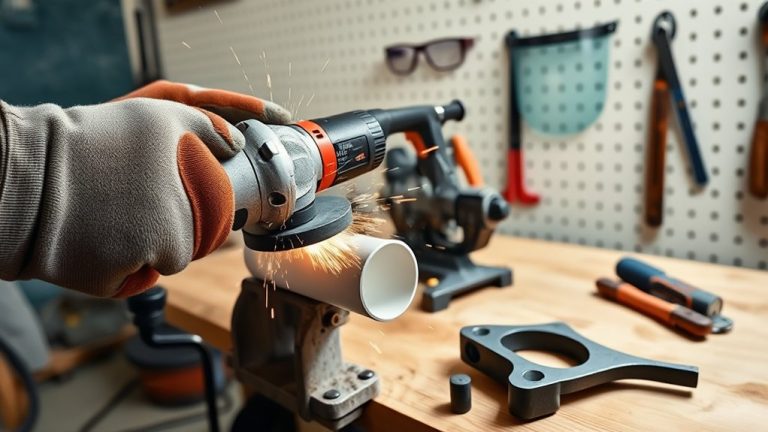
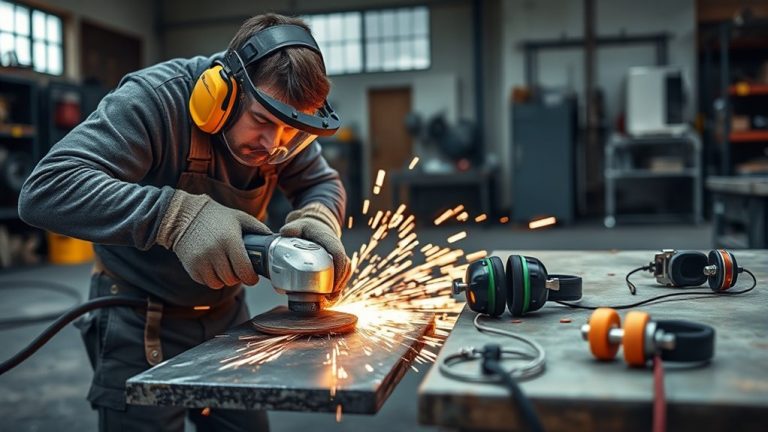
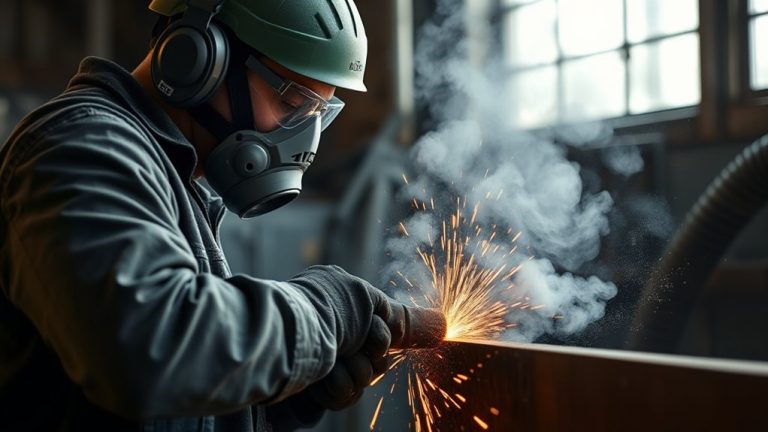
When it comes to concrete dust control, both wet grinding and vacuum dust collection offer unique benefits. Wet grinding captures dust in a slurry but leaves cleanup challenges. In contrast, vacuum systems efficiently extract fine silica, minimizing airborne particles. Combining methods maximizes safety and productivity. Be sure to take into account OSHA regulations and equipment compatibility to enhance effectiveness. Curious about how to choose the right approach for your project? There’s more essential information to explore.
The Importance of Dust Control in Concrete Work
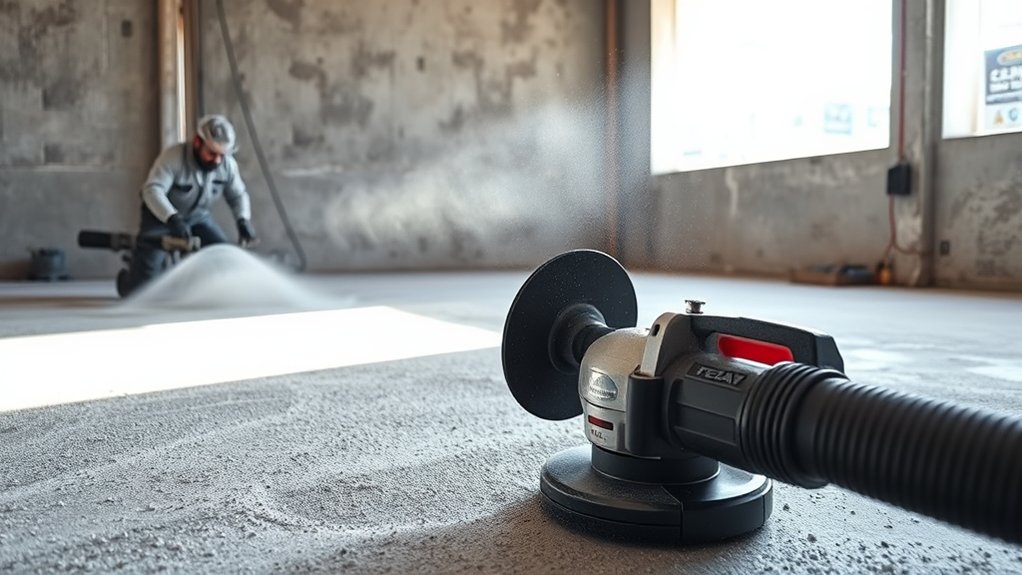
Dust control in concrete work is vital, not only for compliance with safety regulations but also for protecting your health. Effective dust control minimizes exposure to harmful crystalline silica, a major contributor to respiratory issues like silicosis and lung cancer. OSHA’s updated Silica Dust Standard mandates a permissible exposure limit of 50 micrograms/m³, pushing you to implement robust dust control measures on job sites. Utilizing specialized vacuum systems with HEPA filtration, which captures 99.97% of fine dust particles, can greatly reduce airborne silica levels. This approach not only enhances worker health but also promotes a cleaner job site. Additionally, employing methods like water spraying during grinding helps eliminate dust at the source. Regular maintenance and timely replacement of vacuum filters are vital to guarantee peak dust collection efficiency and compliance with safety regulations. Prioritizing these strategies is important for safeguarding your well-being and sustaining a productive work environment.
Comparing Wet Grinding and Vacuum Systems
When comparing wet grinding and vacuum systems, it’s essential to assess their effectiveness in dust control and equipment compatibility. Wet grinding minimizes airborne particles by capturing dust in a slurry, while vacuum systems with HEPA filters are designed to extract fine silica dust during dry grinding. Understanding how these methods complement each other can enhance your approach to maintaining a safe work environment.
Effectiveness in Dust Control
To effectively manage airborne particles during concrete work, comparing wet grinding and vacuum systems reveals distinct advantages for dust control. Wet grinding minimizes airborne dust by capturing particles in a slurry, greatly reducing respiratory risks associated with silica dust exposure. In contrast, vacuum dust collection systems equipped with HEPA filters capture 99.97% of particles as small as 0.3 microns, ensuring compliance with OSHA’s silica dust standards. While wet grinding generates slurry waste that needs cleanup, vacuum systems provide a cleaner environment by directly collecting dust. Combining both methods enhances overall dust control, maximizing safety and efficiency on job sites. Effective dust control through either method considerably mitigates the risk of silicosis and other lung diseases, underscoring the importance of compliance with permissible exposure limits.
Equipment Compatibility Considerations
Effective equipment compatibility is essential for ideal dust control during concrete work. When comparing wet and dry grinding, consider how your dust extractor aligns with the task.
| Feature | Wet Grinding | Dry Grinding |
|---|---|---|
| Dust Management | Generates slurry, needs specialized vacuums | Requires HEPA filters for silica dust |
| Airflow Requirements | Lower CFM, manageable with wet vacuums | Higher CFM needed for larger tools |
| Tool Integration | Often less automation | Integrated vacuums activate with tools |
| Maintenance | Regular water management | HEPA filters must not be air-cleaned |
| Changeover | Simple, less filter concern | Careful filter replacement needed |
Choosing the right combination guarantees effective dust control, enhancing your concrete grinding efficiency while maintaining a safe work environment.
Top Advantages of Using Vacuum Dust Collection for Concrete Work
Using vacuum dust collection systems in concrete work offers significant advantages, including enhanced air quality and improved worker safety. These systems capture nearly all airborne particles, ensuring compliance with safety regulations and reducing health risks. Additionally, they boost operational efficiency by minimizing cleanup time and extending the lifespan of your tools.
Enhanced Air Quality
While concrete work often generates considerable dust, vacuum dust collection systems effectively mitigate this issue, enhancing air quality on the job site. These systems capture 99.97% of airborne silica particles under 1 micron using HEPA filters, markedly reducing health risks associated with silicosis and lung cancer. Compliance with OSHA standards is maintained, with permissible exposure limits met, guaranteeing worker safety and avoiding fines.
| Advantage | Description |
|---|---|
| Enhanced Air Quality | Improves visibility and reduces accidents |
| Efficient Dust Extraction | Minimizes cleanup time and downtime |
| Continuous Performance | Automatic filter cleaning maintains airflow |
Utilizing advanced vacuum systems guarantees ideal working conditions throughout your concrete tasks.
Improved Worker Safety
Concrete work presents inherent risks, particularly concerning airborne dust that can compromise worker safety. Vacuum dust collection systems equipped with HEPA filters capture 99.97% of silica particles, markedly lowering the odds of respiratory diseases like silicosis and lung cancer. Complying with OSHA regulations, which mandate exposure to crystalline silica not exceed 50 micrograms/m³, becomes easier with effective vacuum systems. By minimizing airborne dust during wet grinding, you enhance visibility and reduce accidents. Additionally, these systems improve jobsite hygiene, decreasing post-work cleaning needs. Workers using vacuum dust collection report less fatigue and better performance, as clearer views and reduced respiratory strain contribute to a safer, more efficient work environment. Prioritizing these systems is essential for worker safety on concrete projects.
Increased Operational Efficiency
Vacuum dust collection systems drastically enhance operational efficiency in concrete work. By considerably reducing airborne dust levels, they minimize health risks related to crystalline silica exposure, aligning with OSHA standards. Improved visibility on job sites enhances safety while cutting down on extensive cleanup after grinding or cutting tasks. The inclusion of HEPA filters captures 99.97% of dust particles, ensuring compliance and protecting workers from inhalation hazards. Furthermore, these systems prolong the lifespan of diamond tools by preventing dust accumulation that can cause overheating and wear. Streamlining workflows, vacuum dust collection enables immediate assessment of finished surfaces, reducing downtime and accelerating project completion. Overall, it’s a game-changer for efficient, safe concrete operations.
Health Risks of Concrete Dust?
When working in environments where concrete is being ground, drilled, or sawed, it’s important to understand the considerable health risks associated with inhaling concrete dust. This dust contains respirable crystalline silica, which can lead to severe health issues over time.
- Silicosis, a debilitating lung disease
- Increased risk of lung cancer
- Chronic obstructive pulmonary disease (COPD)
- Immediate respiratory symptoms may be absent
- Long-term exposure exceeds the permissible exposure limit (PEL) of 50 micrograms/m³
Given the fine particle size of concrete dust, effective dust control measures are essential. Implementing HEPA filtration systems can capture 99.97% of particles under 1 micron, greatly lowering airborne silica levels. Combine this with good housekeeping practices and vacuum dust collection systems to maintain a safe work environment. Proactive management of dust exposure is critical for protecting your health and ensuring compliance with safety standards.
OSHA Standards for Dust Control: What You Need to Know
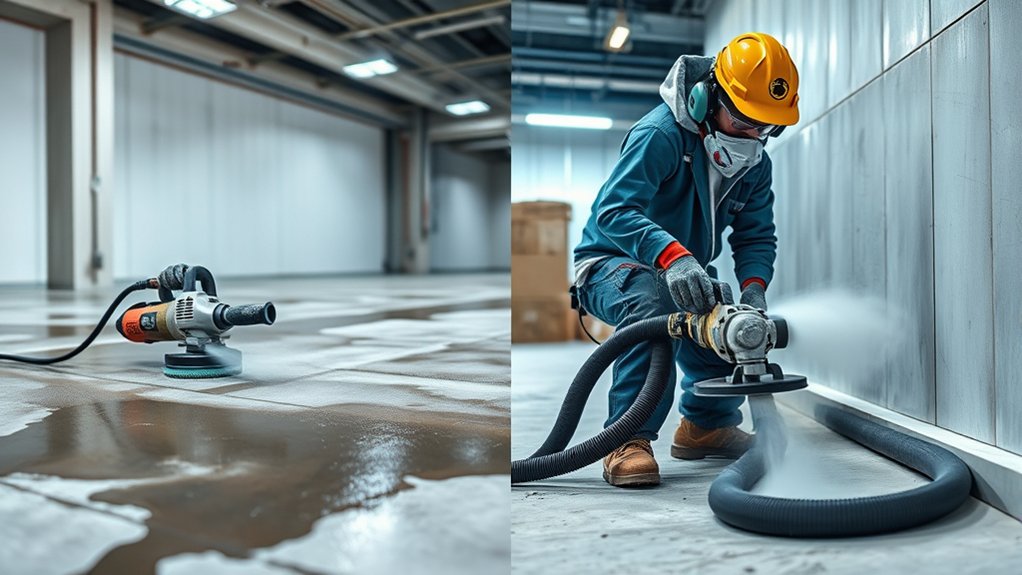
Understanding OSHA standards for dust control is essential for ensuring a safe work environment in construction and industrial settings. According to OSHA’s Silica Dust Standard (Rule 1926.1153), you’re required to limit crystalline silica exposure to a permissible exposure limit (PEL) of 50 micrograms/m³ over an 8-hour workday. Compliance with OSHA Table 1 specifies airflow requirements for dust collection systems, ensuring dust extractors effectively capture airborne particles during wet and dry grinding. It’s critical to use HEPA filters that achieve a minimum efficiency of 99.97% for particles as small as 0.3 microns to meet these stringent requirements. Additionally, you must implement an effective exposure control plan, incorporating proper dust extraction systems to minimize health risks. Regular training on silica hazards is essential, empowering workers to understand and comply with dust control measures in concrete grinding and cutting operations.
How to Minimize Health Risks With Effective Dust Control
To effectively minimize health risks associated with concrete dust, implementing extensive dust control measures is essential. Here are some key strategies you should consider:
Implementing comprehensive dust control measures is crucial for minimizing health risks linked to concrete dust.
- Utilize HEPA vacuums to capture 99.97% of particles under 1 micron, reducing inhalation risks from silica dust.
- Employ water-spraying methods during grinding or cutting to minimize airborne dust at the source.
- Adhere to OSHA’s permissible exposure limit (PEL) of 50 micrograms/m³ for silica dust to safeguard worker health.
- Regularly maintain dust extraction systems, including timely replacement of HEPA filters, for maximum filtration efficiency.
- Use vacuum attachments on power tools to mitigate dust production in real-time, enhancing jobsite safety.
Selecting the Best Concrete Dust Control Method for Your Project
Effective dust control is vital for maintaining a safe work environment, particularly in concrete-related projects. When selecting a method, consider wet grinding, which captures concrete dust in a slurry, markedly reducing airborne silica particles. This approach minimizes silica exposure, protecting you and your crew from health risks.
Alternatively, industrial vacuum systems with HEPA filters can capture 99.97% of particles under 1 micron, ensuring compliance with OSHA regulations on crystalline silica. For best results, combining wet grinding with a robust dust collector addresses both immediate and residual dust issues on job sites.
Make sure to choose vacuums that meet specific airflow (CFM) and filtration standards according to OSHA’s Table 1, tailored to the tools you’re using. Regular maintenance, including timely replacement of HEPA filters, is essential to maintain performance, ensuring you stay compliant and safeguard health on-site.
Ensuring Equipment Compatibility for Optimal Performance
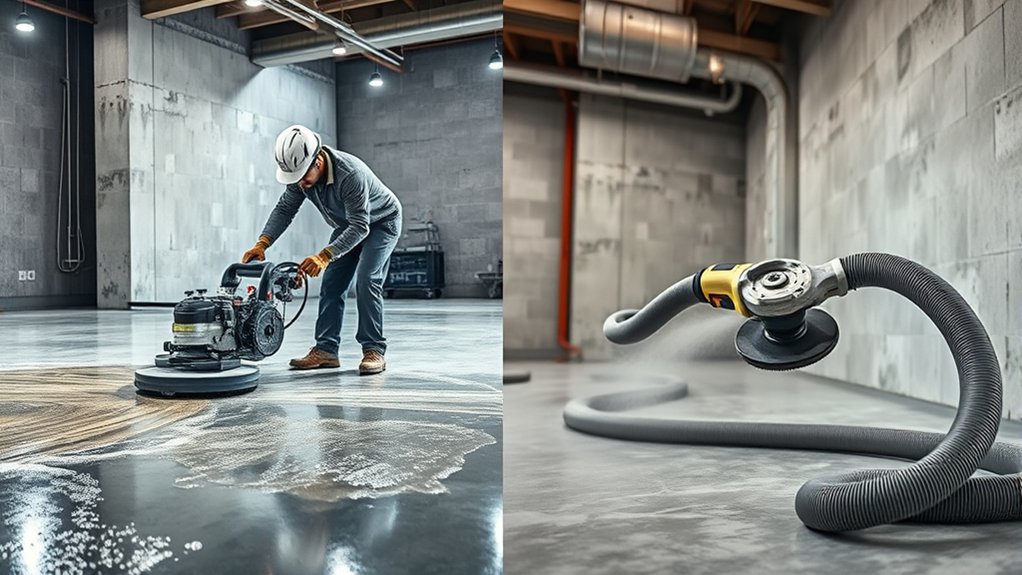
Verifying equipment compatibility is critical for achieving perfect dust control during concrete grinding operations. You must confirm your dust extractors meet the specific CFM and suction requirements of your grinding tools to maintain OSHA compliance.
- Verify that the vacuum’s HEPA filter captures 99.97% of particles at 0.3 microns.
- Check the water lift capacity exceeds 90 inches for maximum suction power.
- Utilize automatic start systems for synchronized activation with your tools.
- Perform regular maintenance and replace filters according to manufacturer guidelines.
- Understand the implications of inadequate equipment compatibility on dust control efficiency.
Professional Recommendations for Effective Dust Control
While maneuvering through the complexities of concrete grinding, adopting professional recommendations for effective dust control can greatly enhance your job site safety. For ideal results, consider using a vacuum for concrete equipped with a multi-stage filtration system, capturing 99.97% of dust particles under 1 micron. Wet polishing is another effective technique, as it minimizes airborne dust by trapping particles in a slurry. Regular maintenance of your vacuum system, including HEPA filter replacement, is essential to sustaining compliance with OSHA regulations and reducing silica exposure risks. Selecting the right vacuum based on CFM requirements and tool compatibility will further improve dust management.
| Technique | Benefits | Recommendations |
|---|---|---|
| Wet Polishing | Reduces airborne dust | Use water to trap particles |
| HEPA Vacuums | Captures fine dust particles | Verify filters are clean and replaced |
| Multi-Stage Filtration | Enhances dust extraction | Select based on CFM needs |
Frequently Asked Questions
Can You Vacuum up Concrete Dust?
Yes, you can vacuum up concrete dust, but make certain you use specialized equipment. Prioritize safety measures to minimize health risks, maintain your equipment regularly, and adopt effective cleanup techniques for best results.
Is a Dust Collector Better Than a Vacuum?
A dust collector’s superior performance compared to a vacuum stems from its ability to manage health risks, lower long-term equipment costs, and reduce maintenance needs, making it ideal for extensive operations requiring efficient dust collection.
Is It Better to Grind Concrete Wet or Dry?
When considering concrete grinding, wet grinding benefits you with smoother surfaces and reduced dust. Dry grinding drawbacks include higher airborne particles and potential health risks. Balance surface finish comparison, environmental impact, and cost considerations for ideal results.
What Is the Best Device to Get Rid of Dust?
The best device for dust control is a HEPA-equipped vacuum. It guarantees health risks mitigation, enhances concrete surface preparation, and simplifies equipment maintenance. Pair it with efficient cleanup tools for ideal dust containment methods during projects.
Conclusion
In the battle against concrete dust, choosing the right method is vital. Whether you opt for wet grinding or vacuum dust collection, each has its strengths. Remember, controlling dust isn’t just about compliance; it’s about safeguarding your health and enhancing productivity. Think of dust control as the foundation of a successful project—solid, reliable, and indispensable. So, weigh your options carefully and equip yourself with the best practices to guarantee your work environment stays clean and safe.