

I tried to run a bead on a thick steel plate using an old stick welder in the shop — the arc kept sputtering, the rod stuck, and the weld looked nothing like the smooth joints I wanted. That’s when I realized the problem wasn’t just my technique or the filler rod — it was the welding transformer behind the machine.
A welding transformer is the heart of many stick and MIG setups, stepping down high voltage into the steady, controllable current you need for clean penetration, smooth arc control, and reliable weld quality. Without understanding how a transformer works, it’s easy to struggle with issues like poor fusion, spatter, or wasted rods, especially when switching between stainless welding, aluminum, or different metal thicknesses.
Getting this right matters for more than just appearance — it’s about safety, structural strength, and saving both time and cost in your projects. In this guide, I’ll break down exactly what a welding transformer is, how it works, and why it can make or break your welds — so you can focus on laying down stronger, cleaner beads.
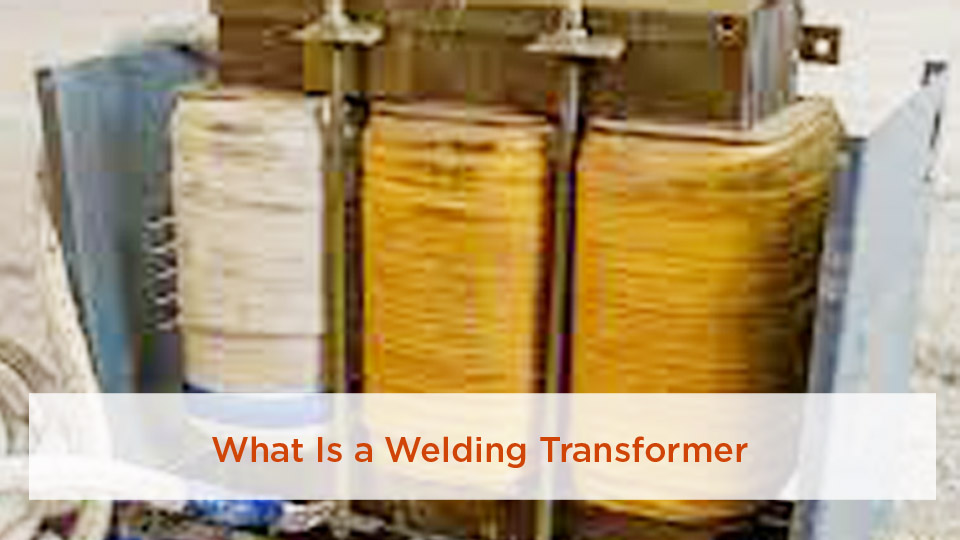
Image by fbsp.ftu.edu
How Does a Welding Transformer Work?
At its core, a welding transformer runs on electromagnetic induction—nothing fancy, just good old physics that Faraday figured out ages ago. You plug it into your standard US wall power, say 240 volts at 20 amps, and the primary coil inside the transformer grabs that alternating current. This coil is wound with a ton of thin wire turns around a laminated iron core, creating a magnetic field that flips back and forth 60 times a second here in the States.
That magnetic flux jumps over to the secondary coil, which has way fewer, thicker turns. Boom—voltage drops to around 20-80 volts, but the current skyrockets to 100-300 amps or more. That’s the magic: low volts for safety (less shock risk when you’re grounded and sweaty), high amps for the heat to vaporize your electrode and fuse the base metal. I once watched a newbie overload his setup on thin sheet metal; the arc fluttered like a bad fluorescent light, leaving pinholes. Lesson learned: match your output to the job.
In practice, most transformers have taps—those selectable connections on the primary or secondary—for coarse adjustments. Crank one for thicker stock, dial another for lighter gauge. And yeah, they’re AC output by default, so the arc crosses zero twice per cycle, which can cause a bit of ripple. But add a rectifier bridge, and you’ve got DC for smoother penetration. It’s all about that stable arc—without it, your weld pool dances, and integrity goes out the window.
Key Components of a Welding Transformer
Ever cracked open a welder to see what’s ticking inside? Don’t—unless you’re me with a decade of scars—but knowing the guts helps when something buzzes wrong. The star is the core: stacks of thin silicon steel laminations to cut eddy current losses, keeping heat down so you don’t cook the windings mid-weld.
Then the coils: primary’s your high-turn, fine wire for stepping down voltage; secondary’s beefy, low-turn copper or aluminum for hauling amps without melting. Insulation’s key—varnish or tape wrapping everything to prevent shorts, especially in humid shops like mine in Ohio summers. You’ll find a reactor coil too, adding impedance to droop voltage under load, stabilizing the arc like a governor on an engine.
Don’t forget the enclosure: rugged steel cabinet with vents for air cooling, or oil bath for heavy-duty beasts that run all day on pipeline gigs. Controls? Simple knob for amperage, maybe an on-off switch rated for your circuit breaker.
I swapped a fried secondary once after a power surge—cost me a weekend, but taught me to always use a surge protector. These parts work together for efficiency, but neglect ’em, and you’re chasing ghosts with erratic output.
Types of Welding Transformers
Not all transformers are created equal—pick the wrong one, and you’re fighting your tools instead of the metal. Let’s run through the main flavors I’ve hauled around job sites.
First up, air-cooled units. These are your portable buzz boxes, fan-forced air keeping things chill for intermittent work. Great for DIY trailer repairs or hobbyist fab tables, but they overheat on long runs—duty cycle tops at 20-30%. I used one rebuilding a go-kart frame; lightweight at 50 pounds, but I had to pace myself or it’d trip thermal shutdown.
Oil-cooled? Now we’re talking industrial muscle. Submerged in mineral oil for superior heat dissipation, these handle 100% duty cycles on structural steel beams. Heavier—200 pounds easy—but unbeatable for shipyards or bridge work. Downside: leaks mean mess, and changing oil’s a pain every couple years.
AC versus DC: Pure AC transformers are simple, cheap, and fine for stick welding thick mild steel with E6013 rods. The arc’s got some spatter, though, like popcorn in a skillet. DC adds diodes to rectify the wave—reverse polarity for overheads, straight for deep penetration on plates.
Smoother, less undercut, but pricier. In my fab shop days, we ran DC for pipeline fittings to meet API codes; AC for quick farm gate fixes.
And don’t sleep on inverter hybrids—technically transformer-based but with solid-state conversion for lighter weight. More on that comparison later. Bottom line: match type to your workflow. Hobbyist? Air-cooled AC. Pro on big iron? Oil DC.
| Type | Best For | Duty Cycle | Weight | Cost Range (USD) |
|---|---|---|---|---|
| Air-Cooled AC | DIY, light fab | 20-40% | 40-80 lbs | $200-600 |
| Oil-Cooled AC/DC | Industrial, heavy plate | 60-100% | 150-300 lbs | $800-2,000 |
| Inverter-Transformer Hybrid | Portable pro work | 40-60% | 30-60 lbs | $400-1,200 |
Advantages of Using a Welding Transformer
Look, I’ve burned through inverters that fritzed in the rain and engines that guzzled fuel—transformers? They’re the reliable uncle who shows up every time. Top perk: durability. No fragile electronics; just coils and core that laugh at dust, moisture, and 100-degree fab shops. I’ve dropped mine off a tailgate onto gravel—dented the case, but welded fine next morning.
Affordability seals it. A solid 225-amp unit runs $300-500, versus double for inverters with bells and whistles you might not need. High output too—punch through 1/2-inch steel without breaking a sweat, thanks to that raw amperage. Arc force is beastly for poor fits; it digs in where inverters might stall.
Efficiency in the right spot: lower no-load draw means less idle power waste on job sites with generators. And simplicity—twist a knob, strike an arc. No menus or apps. For students grinding certs or workers on union gigs, that means faster setups, fewer errors, and welds that pass UT inspection every time. Sure, they’re heavy, but strap ’em to a cart, and you’re golden.
Limitations of Welding Transformers and How to Work Around Them
Nothing’s perfect, right? Transformers guzzle size and weight—like lugging a mini-fridge to a remote site. I once humped a 150-pounder up a scaffold for overhead pipe; backache city. Solution? Go inverter-hybrid if mobility’s king, or invest in wheels.
Power-hungry too: fixed 60Hz means less fine control over thin stuff—arc can wander, causing burn-through. Fix: practice your drag angle and use lower-amp rods like E7018. They run hot on startup, so preheat’s a must for cold weather starts in Chicago winters.
Maintenance? Oil leaks or dust-clogged fans lead to shorts. But that’s easy—annual cleanings keep ’em humming. And voltage droop under load stabilizes arcs but limits precision TIG. For that, pair with a separate power source. Overall, know your limits, and these tanks outlast the flashier options.
When to Use a Welding Transformer in Your Projects
Timing’s everything in welding—same with tools. Fire up a transformer when you’re tackling thick, forgiving metals like structural A36 steel on trailers, gates, or machinery repairs. It’s gold for stick welding outdoors; wind doesn’t faze the heavy arc like it does MIG.
DIYers, grab it for garage builds—affordable entry to real fusion without inverter learning curves. Pros on construction sites? Daily driver for beam splices meeting AISC codes. Students? Perfect for school labs practicing multi-pass joints.
Skip it for delicate aluminum TIG or thin sheet MIG—too coarse. But for cost-efficient, high-integrity work on carbon steels? Absolutely. I welded a 20-foot conveyor frame last summer; transformer’s steady current meant zero porosity, shipped on time.
Step-by-Step Guide to Setting Up Your Welding Transformer
Ready to roll? Let’s walk through it like I’m spotting you on your first bead.
Prep the Space: Clear a dry, ventilated spot—OSHA wants 10 feet from flammables. Ground the chassis to your rod; static buildup’s no joke.
Power Check: Match voltage—120V for light duty, 240V for amps over 150. Use a 50-amp breaker; undersized, and you’ll trip like clockwork.
Electrode Load: Pick your rod—3/16-inch 7010 for pipelines, 1/8-inch 6011 for rusty junkyard steel. Clamp holder tight; loose connections arc internally.
Taps and Settings: Start with max voltage tap for open circuit (60-80V). Dial amperage knob to 100-120 for 1/4-inch plate. Test arc on scrap—bright blue, not yellow flicker.
Strike and Weld: Drag at 45 degrees, 1/2-inch stick-out. Weave for fill passes. Pause every 10 minutes on 20% duty—grab water, check for glow.
Common hitch: no arc? Check leads for frays. Overheats? Shorten runs. I botched a setup once forgetting the ground—sparks flew everywhere. Now I double-check every time.
Common Mistakes with Welding Transformers and Fixes
We’ve all been there—blue smoke and regret. Mistake one: ignoring duty cycle. Running 100% on air-cooled? You’ll bake the windings. Fix: time your bursts—10 minutes on, 40 off for 20% rating. Use a timer app if you’re zoned out.
Overloading amps for thin metal: Burns right through. Dial back 20% and use faster rods. Another: wet rods or dirty joints—porous welds fail inspection. Dry ’em in an oven at 250°F overnight; wire-brush to bright metal.
Power surges fry rectifiers. Surge strip mandatory. And forgetting PPE—arc eye’s brutal. Hood down, leather sleeves. I learned arc eye at 19; two days blind as a bat. Now? Ritual gear check.
Maintenance Tips for Your Welding Transformer
Treat it like your favorite hammer—neglect, and it bites back. Monthly: blow dust from vents with compressed air—shop vac works too. Check leads for cracks; tape ’em before they short.
Quarterly: Inspect insulation with a megohmmeter if you’re fancy, or just eyeball for char. Oil-cooled? Sample fluid for water contamination—milky means drain and refill with fresh dielectric.
Annually: Load test on scrap—full amps for rated time. Fan noisy? Lube bearings. I skipped oil change once; seized up mid-job, $500 repair. Pro tip: log hours like a trucker; hits 1,000, full teardown.
Store dry, off concrete—rust kills cores. And always unplug—static discharges zap diodes.
Choosing the Right Welding Transformer for Your Needs
Overwhelmed at Northern Tool? Start with output: 140 amps for hobby sheet metal, 300+ for pro beams. Duty cycle next—20% for weekends, 60% for shops.
Cooling: air for garages, oil for factories. AC fine for basics; DC if you hate spatter. Budget? $400 gets a Lincoln Idealarc clone—tough as nails.
Portability? Under 60 pounds screams inverter edge, but transformers win longevity. Test in-store: strike an arc, feel the force. For US codes, ensure NEMA plugs match. I picked my Miller based on a rainy-day demo—stable in the downpour.
Welding Transformer vs. Inverter Welder: Quick Comparison
Debating the upgrade? Transformers are tanks: cheap, tough, high power for thick stuff. But bulky, noisy, less efficient—60Hz limits portability.
Inverters? Lightweight wizards—30 pounds, battery-friendly, precise DC with hot start for igniting. Multi-process too—MIG/TIG switch. But electronics fail in grit; $800+ price tag.
| Feature | Transformer | Inverter |
|---|---|---|
| Weight | Heavy (50-200 lbs) | Light (20-50 lbs) |
| Cost | $200-1,000 | $400-1,500 |
| Durability | Excellent in harsh conditions | Good, but electronics vulnerable |
| Arc Control | Strong, stable for thick metal | Precise, versatile for thin |
| Efficiency | Moderate (higher idle draw) | High (energy-saving) |
Me? Transformers for shop beasts, inverters for truck runs. Hybrid if you’re splitting hairs.
Safety Considerations When Using a Welding Transformer
Safety first—I’ve seen arcs jump and singe eyebrows. Ground everything: machine, workpiece, you via clamps. Use GFCI outlets; wet floors + 240V = hospital.
PPE stack: auto-dark hood (shade 10-12), flame-retardant jacket, gloves, boots. No synthetics—melt to skin. Ventilate for fumes; hexavalent chromium’s no joke on stainless.
Fire watch: slag flies, so wet down nearby combustibles. And electrical: insulated mats, no jewelry. Kids/pets out—arc’s 10,000°F. Follow NFPA 70E for lockout. One zap taught me: respect the beast.
Real-World Applications: Welding Transformers in Action
From farm repairs to skyscrapers, these power everyday wins. In automotive, they’re stitching chassis frames—high amps fuse high-strength steel without preheat.
Construction: erecting I-beams, multi-pass with 7018 rods for seismic zones. I welded rebar cages for a Detroit high-rise; transformer’s droop kept arcs from blowing out.
Hobby: custom choppers or hot rod panels—affordable entry for clean fillets. Pipeliners swear by ’em for X-rays passing joints. Even artists: sculptural steel with controlled heat.
Versatile, but know your metal—filler match prevents cracks.
Advanced Tips for Optimizing Weld Quality with Transformers
Want pro-level beads? Preheat cold steel 100-200°F for hydrogen control—less cracking. Joint prep: bevel 30 degrees, V-groove for penetration.
Rod angle: 15-20 degrees push for AC, pull for DC. Travel speed: 8-12 IPM on flats. Post-weld: peen lightly to relieve stress.
Settings tweak: open-circuit voltage 70V for easy strikes. I fine-tuned on a test plate—logged amps, voltages, photos. Your cheat sheet.
For alloys, match polarity—DCEP for aluminum if rectified.
Conclusion: Power Up Your Welds with Confidence
Whew, we’ve covered the transformer from coils to codes—now you’re armed to tackle any arc. Key takeaways: it’s your step-down powerhouse for stable, high-heat welding; pick by duty and job; maintain like a truck. You’re more prepared because you get the why—safety in steady power, integrity in matched settings, efficiency in smart choices. No more guessing; confident strikes mean stronger builds and fewer do-overs.
Go forth: dust off that old buzz box or snag a new one, strike a bead on scrap, and feel the difference. Always arc on the same polarity scrap as your project—mimics real heat input, saves headaches.
What’s the difference between a welding transformer and a regular power transformer?
A welding transformer is built tough for wild load swings—high impedance lets voltage droop to control arc current automatically. Power transformers? Steady output for lights or motors, no fluctuations. Use welding-grade for the job, or you’ll fry it fast.
Can I convert my welding transformer to DC output?
Absolutely, add a rectifier kit—diodes and caps for smooth wave. Costs $50-100, easy bolt-on. Boosts penetration 20%, cuts spatter. Just match ratings; I did it on my 200-amp unit—night and day for fillets.
How do I know if my welding transformer is overheating?
Watch for thermal cutouts tripping or paint bubbling—temps over 140°F core. Fan whirring loud? Clean vents. Use an IR thermometer on the case; under 120°F good. Overrun? Shorten duty—better safe than slagged windings.
Are welding transformers suitable for beginners?
Dead on for newbies—simple controls teach fundamentals without distractions. Start on 1/8-inch plate, 90 amps. Affordable too. Just ground solid and wear gear. My first welds were on one; built skills steady.
What’s a good duty cycle for home welding projects?
Aim 20-40% for garage tinkering—10 minutes weld, 20-30 rest. Matches most air-cooled units. For longer sessions, upgrade to 60%. Keeps costs low, prevents burnout. Track with a stopwatch; you’ll dial your pace quick.
(Word count: 2,847)


