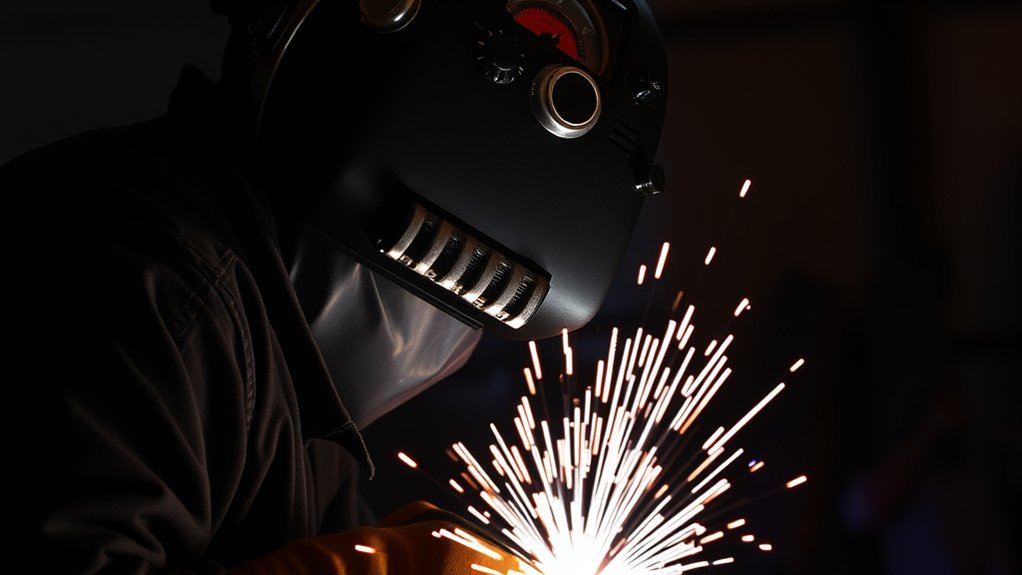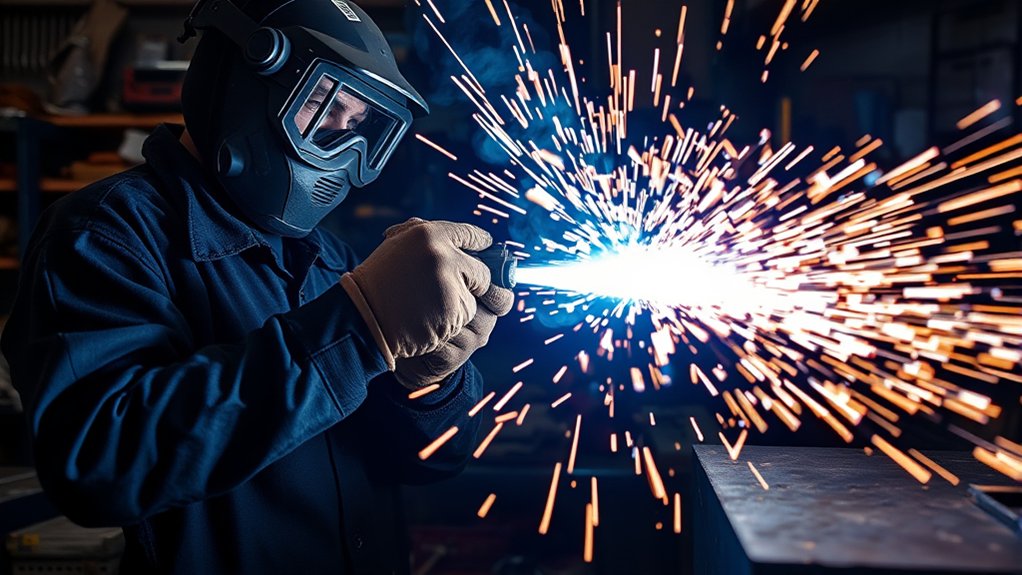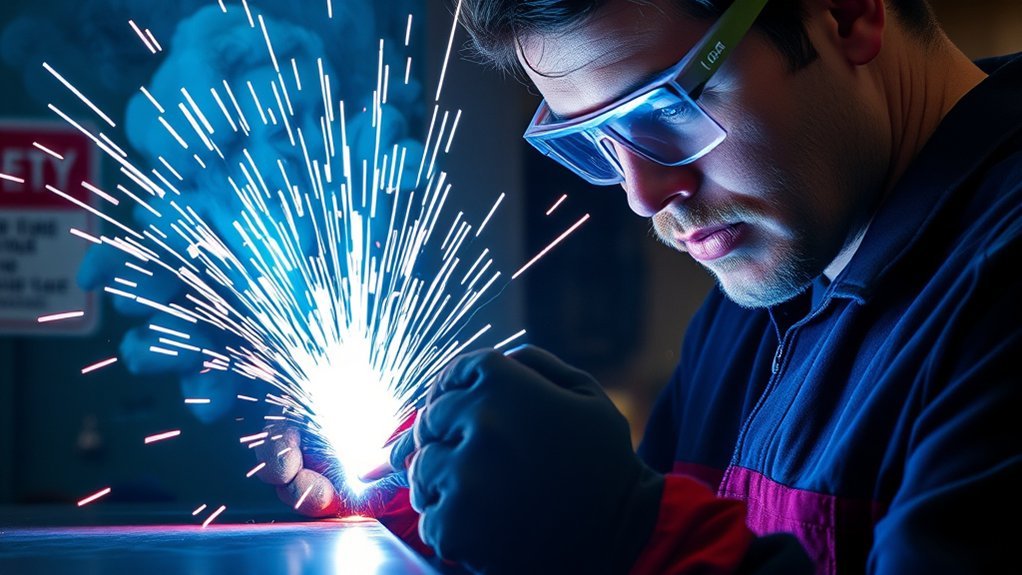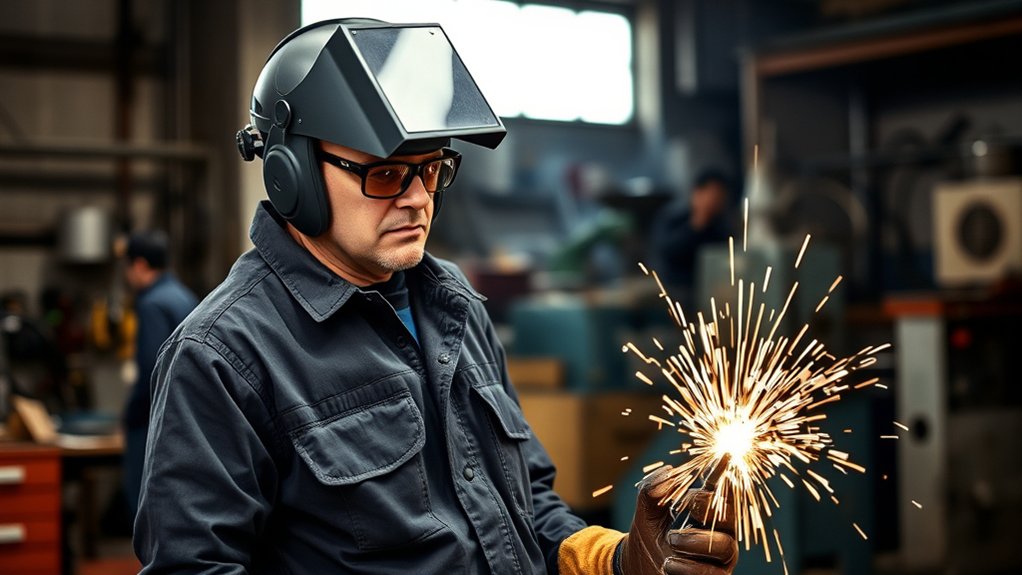
Plasma cutting safety gear has to protect you from several hazards at the same time: intense arc radiation, hot sparks and slag, sharp metal, fumes, noise, fire, and electric shock. The safest setup combines the correct personal protective equipment with ventilation, a clean cutting area, and the instructions in your plasma cutter’s manual.
Quick Answer
Plasma cutting PPE should include safety glasses with side shields under a properly shaded welding helmet, flame-resistant long sleeves and cuffless pants, gauntlet gloves, and leather safety footwear. Add hearing protection whenever noise has not been shown safe, and use local exhaust ventilation plus a correctly selected respirator when the fume assessment requires it.
Key Takeaways
- Wear primary eye protection under a welding helmet; a clear face shield alone does not protect against plasma-arc radiation.
- Use the filter shade required by the applicable rule and your machine manual. Do not rely on a generic “shade 5” recommendation.
- Cover all exposed skin with flame-resistant clothing, gauntlet gloves, and leather safety footwear. Avoid cuffs, open pockets, and meltable synthetic fabrics.
- Control fumes at the source with local exhaust. Respirator selection depends on the metal, coating, airborne concentration, and work environment.
- Remove or shield combustibles, keep suitable fire-extinguishing equipment ready, inspect the system before use, and never cut a sealed, pressurized, or unidentified container.
At a Glance
| Time Required | About 5 minutes to inspect and put on PPE; longer if the material or ventilation setup needs assessment |
| Difficulty | Beginner for routine PPE; advanced or professional help may be needed for air monitoring, confined spaces, and toxic coatings |
| Tools Needed | Safety glasses, shaded helmet, flame-resistant clothing, gauntlet gloves, leather safety footwear, hearing protection, and suitable fume controls |
| Cost | Varies with the hazard and gear you already own; choose approved PPE by protection level and fit, not price alone |
Warning: This guide supplements your plasma cutter’s safety manual and any workplace hazard assessment. It does not make confined-space cutting, cutting on unknown coatings, or work in wet conditions safe. Stop and get qualified help when the material, atmosphere, electrical setup, or required protection is uncertain.
Complete Plasma Cutting PPE Checklist
Before you pull the trigger, confirm that each item matches the hazards of the job. Employers must base PPE on a workplace hazard assessment, while home users should follow the machine manual and applicable local requirements.
- Eyes: Impact-rated safety glasses or goggles with side protection.
- Face and arc radiation: A welding helmet or properly shaded cutting shield with the correct filter shade.
- Torso and arms: A flame-resistant long-sleeve shirt or jacket that closes at the neck and wrists.
- Legs: Flame-resistant, cuffless pants worn over the tops of the boots.
- Hands and forearms: Dry gauntlet-style leather cutting or welding gloves.
- Feet: Leather safety footwear in good condition; toe and metatarsal protection should match the falling-object hazard.
- Hearing: Earplugs or earmuffs with enough attenuation for the measured or expected noise.
- Breathing zone: Local exhaust ventilation and, when required by the hazard assessment, a properly selected and fitted respirator.
- Optional extra coverage: A leather or flame-resistant apron, sleeves, chaps, cap, or neck protection where sparks and slag are heavy.
Products Worth Considering

Lens Technology- IR 5.0 Filter Green Lens are ANSI & CSA compliant, with 99% protection from UV rays to reduce eye fatigue and prevent damage.

EYE & FACE PROTECTION - Jackson Safety’s GPL550 Safety Goggles with a detachable flip-up face shield ensure your safety in the most demanding environments with indirect vents and anti-fog coating
Essential Clothing for Plasma Cutting
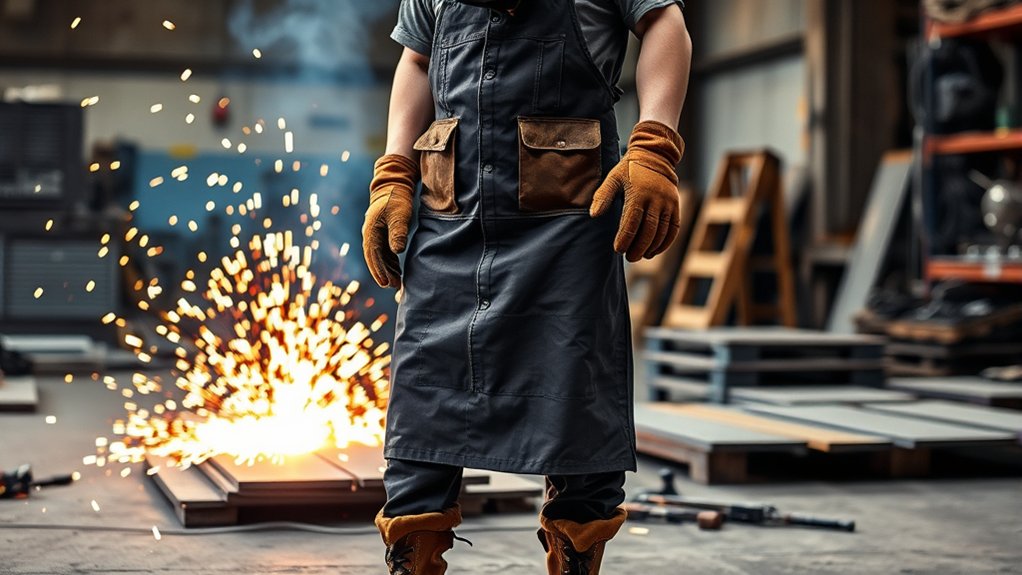
Your clothing is the first barrier against ultraviolet exposure, sparks, and molten metal. Wear a flame-resistant long-sleeve shirt or jacket that covers your neck, arms, and wrists. Close pockets and remove lighters, matches, fuel containers, and other combustible items from your clothing before cutting.
Wear long, cuffless pants over the outside of your boots so sparks cannot collect in a cuff or fall inside the footwear. Certified flame-resistant garments are the best choice. Heavy untreated cotton or denim is less likely to melt than many synthetics, but it is not the same as flame-resistant clothing and can still ignite.
Cover every exposed area, eliminate cuffs and open pockets, and keep meltable synthetic fabric away from the cutting arc.
Inspect garments for holes, oil, grease, solvent, frayed seams, and damaged closures. Contaminated or torn clothing can burn faster and should be cleaned, repaired by an approved method, or removed from service.
Protective Footwear Requirements
Falling sparks, hot slag, sharp offcuts, and heavy plate can injure your feet. Wear dry leather safety boots that fully cover the foot. High-top or pull-on styles can reduce the chance of hot metal entering the boot, especially when your cuffless pant legs overlap the boot tops.
Steel-toe, composite-toe, or metatarsal protection may be appropriate when heavy material can fall or roll. The toe material alone does not make footwear electrically safe. Keep the floor, boots, gloves, and clothing dry, and follow the plasma system’s grounding and electrical instructions.
Hand Protection: Gloves and Gauntlets
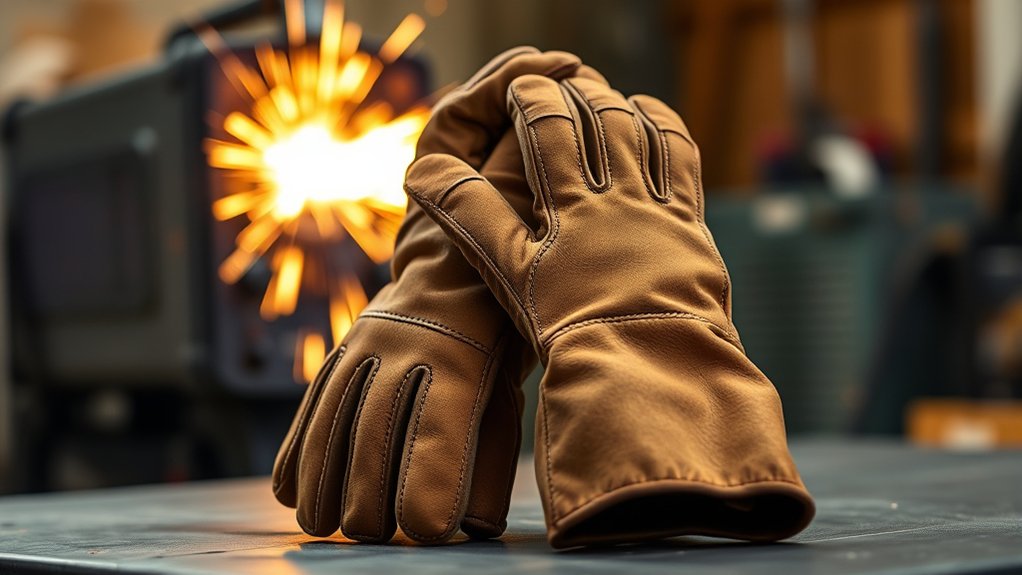
Wear dry leather gloves made for welding or thermal cutting. Gauntlet cuffs extend past the wrist and protect part of the forearm from radiant heat, sparks, and sharp edges. The gloves must fit well enough to control the torch without slipping.
| Feature | What It Does | What to Check |
|---|---|---|
| Heat resistance | Reduces burns from sparks and hot metal | No thin, charred, or hardened areas |
| Leather durability | Resists abrasion and sharp edges | No holes, split seams, or exposed lining |
| Proper fit | Supports safe torch control | Snug without limiting finger movement |
| Grip and dexterity | Helps prevent the torch or workpiece from slipping | Clean, dry palms with usable texture |
| Extended coverage | Protects the wrist and lower forearm | Gauntlet overlaps the sleeve without gaps |
Leather glove benefits: Good leather combines heat resistance, abrasion resistance, and durability. Reinforced palms and fingers can help when handling rough plate, but bulky gloves should not reduce your control of the torch.
Gauntlets for extra protection: A gauntlet should overlap the sleeve and remain free of tears. Do not tuck a loose shirt sleeve inside a glove in a way that creates a pocket where sparks can collect.
Heat-resistant materials: Buy gloves labeled for welding or thermal cutting rather than general-purpose work gloves. Replace them when seams open, leather becomes thin or brittle, or contamination cannot be removed safely.
Eye and Face Protection: Helmets and Shields
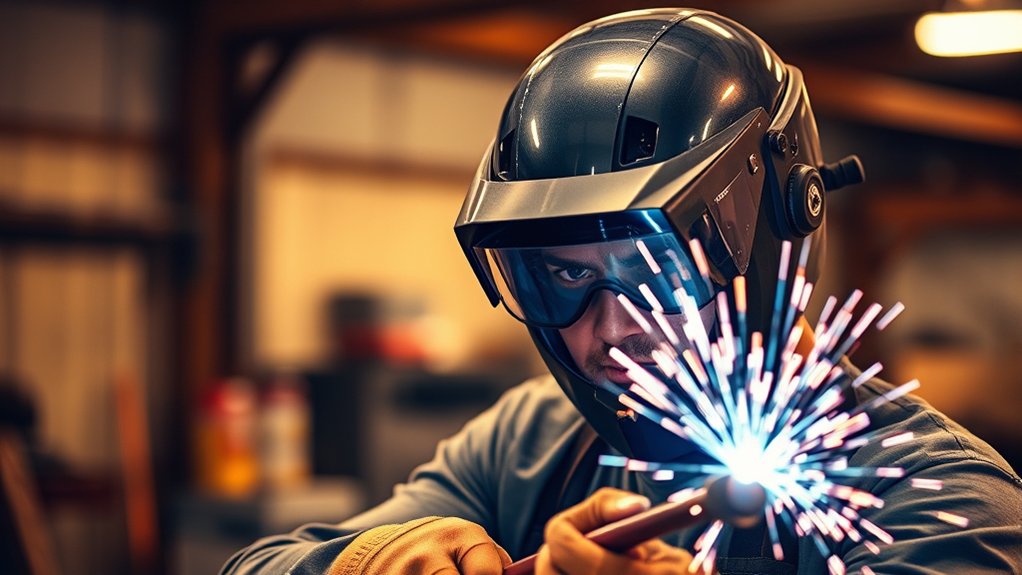
Plasma arcs produce intense visible light plus ultraviolet and infrared radiation. Wear impact-rated safety glasses or goggles with side protection as your primary eye protection. Wear a welding helmet or properly shaded cutting shield over them to protect your face and provide the required filter shade.
A clear face shield is useful for impact protection during grinding and cleanup, but it is not an arc filter unless it is specifically marked and rated for that purpose. Safety glasses stay on under a face shield or welding helmet because particles can enter when the outer protection is raised.
Products Worth Considering

Detachable Design: Our welding helmet offers the convenience of a separable design where the face shield and the welding goggles can be detached, ensuring an easier and more comfortable use for welders.

Detachable Design: Our welding helmet offers the convenience of a separable design where the face shield and the welding goggles can be detached, ensuring an easier and more comfortable use for welders.

【Upgraded version】The shading level at 9, ONLY suitable for ARGON ARC and GAS SHIELDED welding. Welding machine using high molecular polymers, the molecular structure of polycarbonate does not change under high temperature conditions.
Choosing the Correct Helmet Shade
Do not choose a shade from a single generic range. The correct minimum depends on the applicable standard, arc current, whether the arc is directly visible, and the equipment manufacturer’s instructions. For U.S. general-industry workplaces, OSHA lists the following minimum shades for plasma arc cutting when the actual arc is clearly seen:
| Plasma Arc Current | OSHA Minimum Protective Shade |
|---|---|
| Less than 300 A | Shade 8 |
| 300–400 A | Shade 9 |
| 400–800 A | Shade 10 |
OSHA’s eye and face protection rule notes that lighter filters may be used when the workpiece hides the actual arc. Some plasma cutter manuals publish lower ANSI-based minimums for low-amperage cutting, such as shade 5 or 6. Follow the machine manual, workplace rules, and local requirements, and use the stricter applicable minimum.
Pro Tip: Start with a shade that is too dark to see the cut clearly, then move lighter only until you can see the work without going below the required minimum. Replace scratched, cracked, pitted, or cloudy cover lenses before they reduce visibility.
Benefits and Limits of Face Shields
A face shield can reduce injury from flying particles, sparks, and grinding debris. It does not replace primary safety glasses, and a clear shield does not replace the shaded filter needed for the plasma arc. Choose eye and face protection that is marked for the specific impact and optical hazards.
Use screens or curtains around the cutting area to protect nearby people from flash, glare, sparks, and hot debris. Warn bystanders not to watch the arc, even from a distance.
Proper Helmet Fit
- Adjust the headband: The helmet should stay secure when you nod without creating painful pressure points.
- Set the viewing distance: Position the lens at a comfortable distance while keeping full face coverage.
- Balance the weight: Adjust the top and rear straps so the helmet does not pull your head forward.
- Inspect the headgear: Replace cracked bands, loose pivots, damaged sweatbands, or worn adjustment parts.
- Test before cutting: Confirm that an auto-darkening lens switches correctly and that its cutting range covers the required shade.
Respiratory Protection and Fume Control
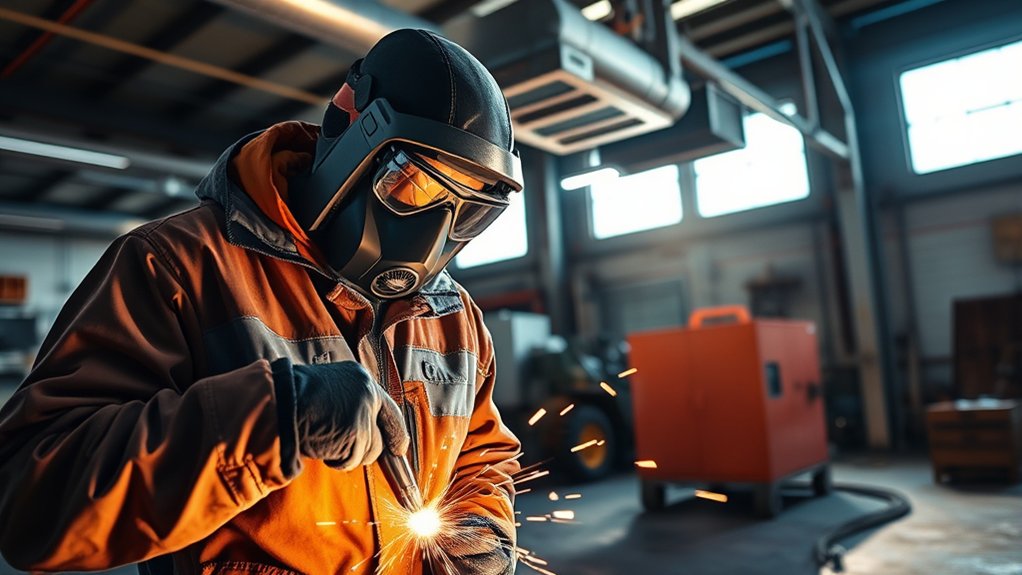
Plasma cutting fumes come mainly from the metal, surface finish, coating, and contaminants being heated. The process can also produce gases such as ozone and nitrogen oxides. The risk changes with the alloy, coating, cut duration, table design, room size, airflow, and number of cutting systems in use.
| Material or Condition | Main Concern | Safe Approach |
|---|---|---|
| Clean carbon steel | Metal fume and process gases | Use source capture and keep the plume out of your breathing zone |
| Galvanized steel | Zinc-containing fume | Identify the coating and use controls required for zinc-bearing material |
| Stainless steel | Chromium- and nickel-containing fume, including possible hexavalent chromium | Use effective local exhaust and assess exposure before selecting respiratory PPE |
| Painted, plated, or preserved metal | Possible lead, cadmium, beryllium, mercury, solvents, or other toxic substances | Identify the coating first; remove it only with a controlled method and use the required ventilation or respirator |
| Unknown metal, coating, or container history | Unknown toxic, flammable, or explosive hazard | Do not cut until the material and prior contents are positively identified and made safe |
Use local exhaust ventilation to capture fumes near the source and discharge them safely. General room airflow alone may not keep the plume out of your breathing zone. Position the extraction system so it pulls fumes away from you without interfering with the cut or sending sparks into equipment that is not designed for hot particles.
A half-mask respirator with a P100 filter may be suitable for some particulate exposures, but it is not a universal plasma-cutting respirator. P100 filters do not remove every gas or vapor, and an air-purifying respirator must never be used in an oxygen-deficient or unknown atmosphere. When a respirator is required at work, OSHA’s respiratory protection standard requires a program that covers hazard evaluation, correct selection, medical evaluation, fit testing, training, inspection, and maintenance.
Note: Do not simply grind an unknown coating away. Grinding can create hazardous dust. Identify the coating, review its safety information, isolate the work area, and use a removal method and controls that are appropriate for that substance.
Ear Protection: Preventing Hearing Damage
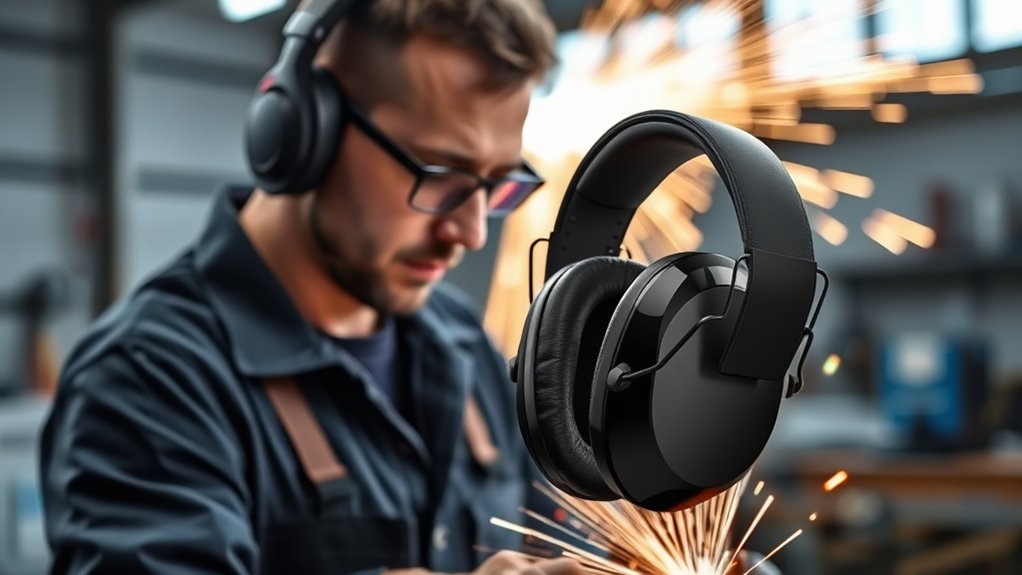
Plasma cutting and gouging can exceed safe noise levels, especially at high current, on cutting tables, or during long sessions. Noise varies enough that measurement is the only reliable way to know a worker’s full exposure.
In U.S. general industry, OSHA sets an 85 dBA eight-hour time-weighted average as the hearing-conservation action level. That statement is not the same as saying every sound above 85 dBA automatically requires the same hearing protector. Exposure time, total dose, and workplace requirements matter.
- Use earplugs, earmuffs, or both when the assessment calls for them or whenever noise has not been shown to be safe.
- Select a noise reduction rating that is adequate for the actual exposure; excessive protection can also make warning signals hard to hear.
- Inspect plugs and muffs for contamination, cracked shells, loose bands, and damaged cushions.
- Keep sparks and hot particles out of the ear canal. Properly worn hearing protection can provide useful physical protection as well as noise reduction.
- Reduce noise at the source with barriers, curtains, distance, table design, and exposure-time controls where practical.
Additional Protective Gear: Aprons and Chaps
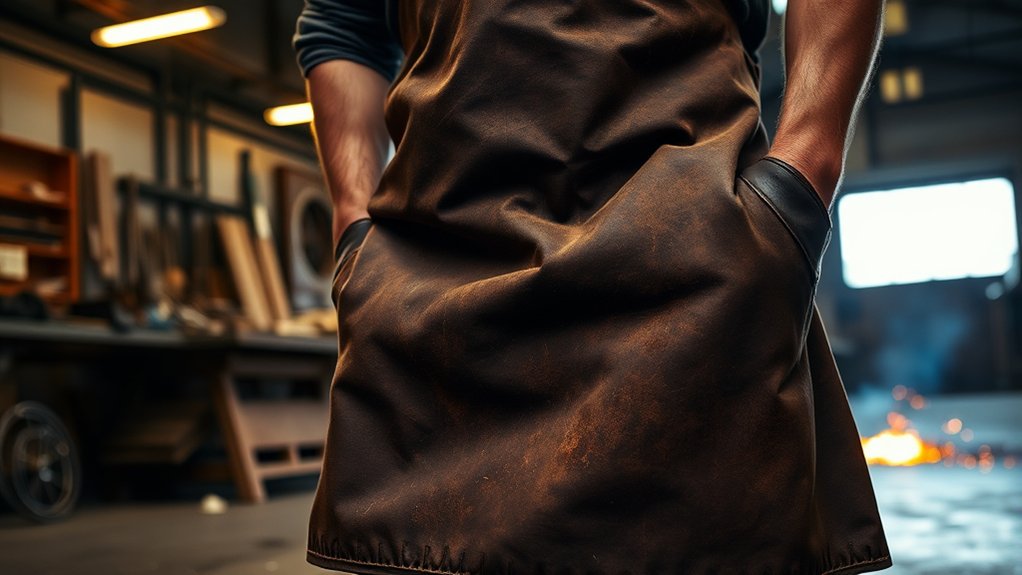
Leather or flame-resistant aprons, sleeves, and chaps add useful coverage when sparks and slag are heavy. They supplement your base clothing; they do not replace a flame-resistant shirt, pants, gloves, or boots.
Choose gear that covers the exposed area without creating loose straps or folds that can catch on equipment. Keep the apron or chaps dry and free of oil, grease, solvents, and metal debris. Replace broken straps, open seams, and worn sections before use.
Fire, Explosion, and Electrical Hazards
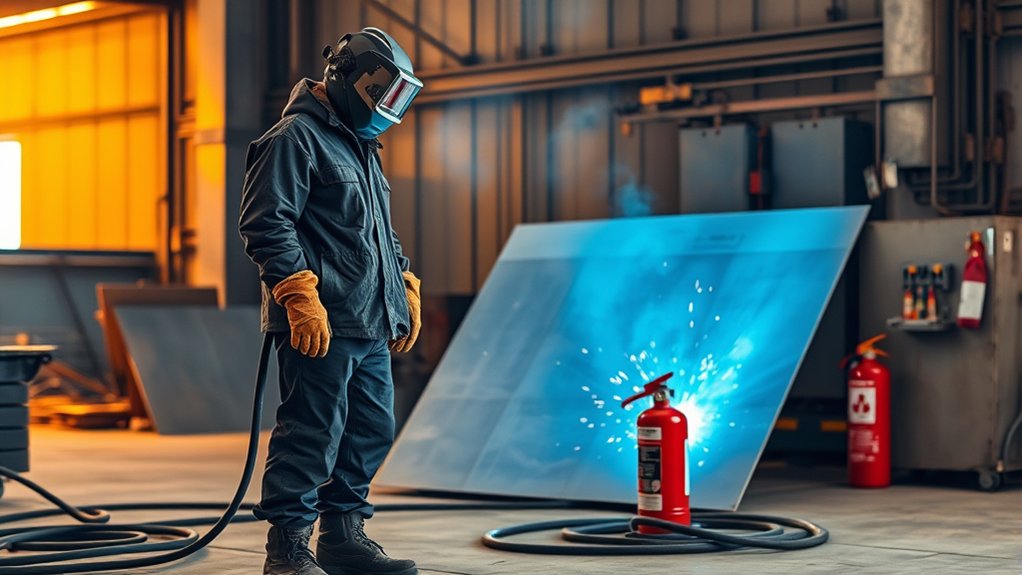
Plasma cutting is hot work. Move combustibles away from the cutting area whenever practical, cover immovable hazards with fire-resistant guards, protect openings that can carry sparks into hidden spaces, and keep suitable fire-extinguishing equipment ready. OSHA’s welding and cutting rule uses 35 feet as a key hot-work distance and requires a fire watch in specified higher-risk conditions.
- Check both sides of walls, floors, partitions, and the workpiece for hidden combustibles.
- Do not cut where flammable vapor, combustible dust, or an explosive atmosphere may be present.
- Never cut a pressurized cylinder, pipe, sealed container, or container that held a combustible material unless a qualified procedure has made it safe.
- Quench hot offcuts or place them in a safe area until fully cooled.
- Where a fire watch is required, continue it for at least 30 minutes after cutting to detect smoldering material.
Electric shock prevention requires more than gloves and boots. Install and ground the machine according to its manual and electrical code, attach the work lead to clean metal-to-metal contact, keep yourself and the work area dry, and inspect the input cord, torch lead, work lead, connectors, and clamp before every session.
- Disconnect input power before inspecting, cleaning, or changing torch parts.
- Never bypass an interlock or operate the power supply with covers removed.
- Do not touch the torch tip, workpiece, or cutoff while the arc is active.
- Do not stand on a wet surface or cut in rain. Use dry insulating measures specified by the manufacturer where needed.
- Remove damaged cables and equipment from service until qualified repairs are completed.
Outdoor and Confined-Space Plasma Cutting
Outdoor work still requires full PPE. Wind can change direction, blow sparks toward dry grass or nearby property, and push fumes back through your breathing zone. Set up wind-resistant screens where appropriate, maintain a safe fire area, and stop if rain, wet ground, or unstable conditions create an electrical or fire hazard.
Confined-space cutting is not a normal solo or hobby task. It can involve oxygen deficiency, toxic-gas buildup, fire, difficult rescue, and electrical hazards. A covered workplace may require a permit, atmospheric testing, ventilation, an attendant, rescue planning, and trained personnel. An air-purifying respirator does not make an oxygen-deficient or unknown space safe.
Protecting Bystanders and the Work Area
Plasma arc radiation, sparks, noise, and fumes can affect people who are not holding the torch. Use noncombustible screens or curtains, control access, post warnings, and make sure helpers wear the same hazard-appropriate eye, hearing, skin, and respiratory protection. Do not let anyone watch the exposed arc without proper filter protection.
PPE Inspection, Cleaning, and Storage
Inspect every item before each use. Small defects matter because plasma sparks can find openings in gloves, clothing, boots, and face protection.
- Helmet and shield: Clean the lens, check the shell, test auto-darkening operation, and replace scratched or cloudy cover lenses.
- Safety glasses: Check side protection, optical clarity, fit, and impact damage.
- Gloves and clothing: Look for holes, open seams, hard or thin leather, contamination, and worn closures.
- Boots: Check uppers, soles, stitching, and the area around the boot opening.
- Hearing protection: Clean reusable plugs and inspect muff seals and headbands.
- Respirator: Follow the manufacturer’s inspection, seal-check, filter-change, cleaning, and storage instructions.
Store PPE in a clean, dry cabinet or container away from direct sunlight, sparks, solvents, oil, and metal dust. Let leather dry naturally. Do not place damp gear on a heater, which can harden or damage it.
Community Tips and Resource Sharing
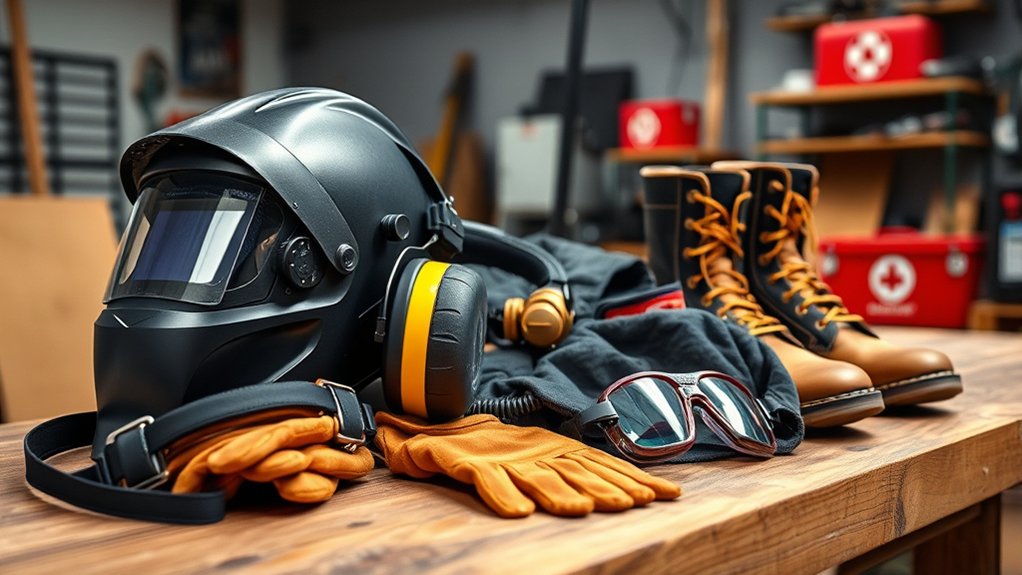
Experienced metalworkers, local welding suppliers, safety trainers, and equipment manufacturers can help you compare comfort, durability, lens performance, and replacement parts. Practical feedback is useful, but it should not override the equipment manual, a hazard assessment, or an applicable safety rule.
Share proven tips for cleaning leather, preventing helmet fog, storing lenses, and positioning fume extraction. Do not rely on a temporary tape patch over a burn hole or torn pant leg. Use a repair method approved for the garment’s flame-resistant construction, or replace the damaged item before cutting again.
Frequently Asked Questions
How often should plasma cutting PPE be inspected?
Inspect it before every use and again after any event that may have damaged it. Look for torn fabric, open seams, worn leather, cracked shells, cloudy lenses, damaged headgear, and contaminated surfaces. Remove defective gear from service until it is properly repaired or replaced.
What materials should plasma cutting PPE be made from?
Use flame-resistant clothing designed for hot work, leather gloves and footwear, and eye and face protection marked for the required impact and optical hazards. Avoid clothing made from meltable synthetic fabrics unless the garment is specifically designed and rated for hot-work protection.
Can contact lenses be worn under a welding helmet?
Yes, contact lenses can generally be worn when you also use all required eye and face protection. They are not safety eyewear. Dusty conditions and harmful gases or vapors may create extra risk, so follow the hazard assessment and use prescription safety glasses when contacts are unsuitable.
What shade should I use for plasma cutting?
Use the shade required by the applicable standard and your plasma cutter’s manual. OSHA’s general-industry table lists shade 8 below 300 amps, shade 9 at 300–400 amps, and shade 10 at 400–800 amps when the actual arc is clearly visible. Some manufacturer charts use different ANSI-based values at lower current, so follow the stricter applicable requirement.
Can a clear face shield replace a welding helmet?
No. A clear face shield can protect against impact and flying debris, but it does not provide the filter shade needed for plasma-arc radiation. Wear safety glasses underneath and use a welding helmet or shaded cutting shield rated for the arc.
Do I always need a P100 respirator for plasma cutting?
No single filter is correct for every job. A P100 filter may help with some particulate fumes, but it does not remove every gas or vapor and cannot be used in an oxygen-deficient or unknown atmosphere. Control fumes with local exhaust first, then select respiratory protection from the identified contaminant and exposure level.
Are there special PPE rules for outdoor plasma cutting?
Wear the same core PPE outdoors and account for wind, dry vegetation, bystanders, and changing weather. Keep sparks away from combustible areas, control access, and stop if rain, wet ground, or damp equipment creates an electrical hazard. Outdoor airflow does not guarantee that fume exposure is safe.
How should plasma cutting PPE be stored?
Clean it according to the manufacturer’s instructions and store it in a dry, protected area away from sunlight, solvents, oil, sparks, and grinding dust. Keep helmet lenses from being scratched, let leather air-dry, and store respirators in a clean sealed container when required by their instructions.
Conclusion
Proper plasma cutting safety gear is a complete system, not one helmet or one pair of gloves. Wear primary eye protection under the correct shaded helmet, cover your skin with flame-resistant clothing, protect your hands and feet, control fumes at the source, and use hearing and respiratory protection matched to the actual exposure. Inspect the area and equipment before every cut, and stop when the material, atmosphere, weather, or electrical condition is uncertain.
Sources
- OSHA 29 CFR 1910.133 — Eye and Face Protection — filter-shade requirements and eye-protection criteria
- OSHA 29 CFR 1910.252 — Welding, Cutting, and Brazing — fire prevention, fire watches, ventilation, coatings, and hot-work precautions
- OSHA 29 CFR 1910.95 — Occupational Noise Exposure — noise action level, monitoring, and hearing protection
- OSHA 29 CFR 1910.134 — Respiratory Protection — respirator selection, medical evaluation, fit testing, and program requirements
- Hypertherm Safety and Compliance Manual, Revision 9 — plasma-specific PPE, electrical, fume, fire, noise, and arc-radiation precautions