Can a Plasma Cutter Cut Your Finger Off?
A plasma cutter can injure your fingers faster than you can pull your hand away. The arc uses extreme heat, bright light, and high voltage, so a small mistake can lead to burns, shock, or lasting injury. This guide explains the real risks and the habits that help you cut metal safely.
Quick Answer
Yes, a plasma cutter can seriously injure or sever a finger if the arc contacts your skin. The safest approach is to keep your hands away from the cutting path, wear proper personal protective equipment, ground the machine correctly, and keep your work area dry and clear.
Key Takeaways
- Keep your hands, gloves, and cables away from the plasma arc and cutting path.
- Wear flame-resistant clothing, dry gloves, eye protection, and sturdy boots before you cut.
- Use proper grounding and avoid wet work areas to lower shock risk.
- Clear flammable items from the area before sparks or molten metal can reach them.
- Use ventilation or fume extraction so you do not breathe harmful cutting fumes.
Understanding Plasma Cutter Dangers
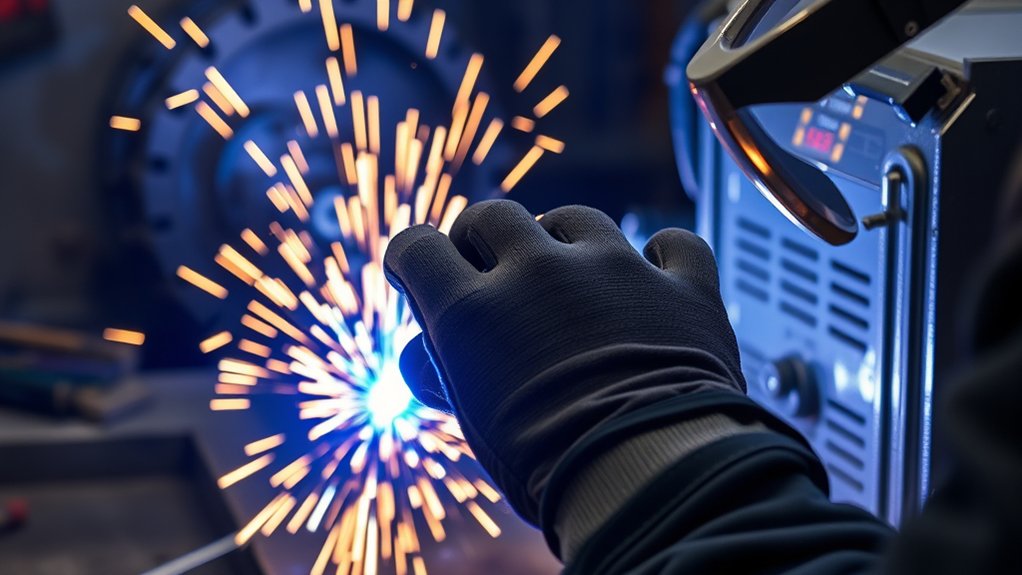
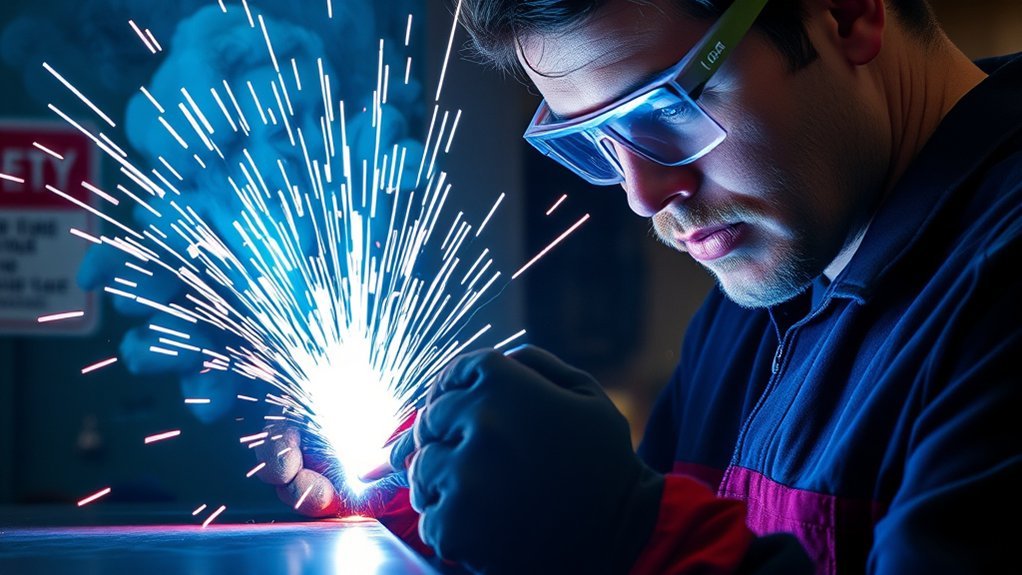
When you use a plasma cutter, you face more than one hazard at the same time. The arc can burn skin, damage eyes, start fires, and expose you to electric shock if you ignore basic safety measures.
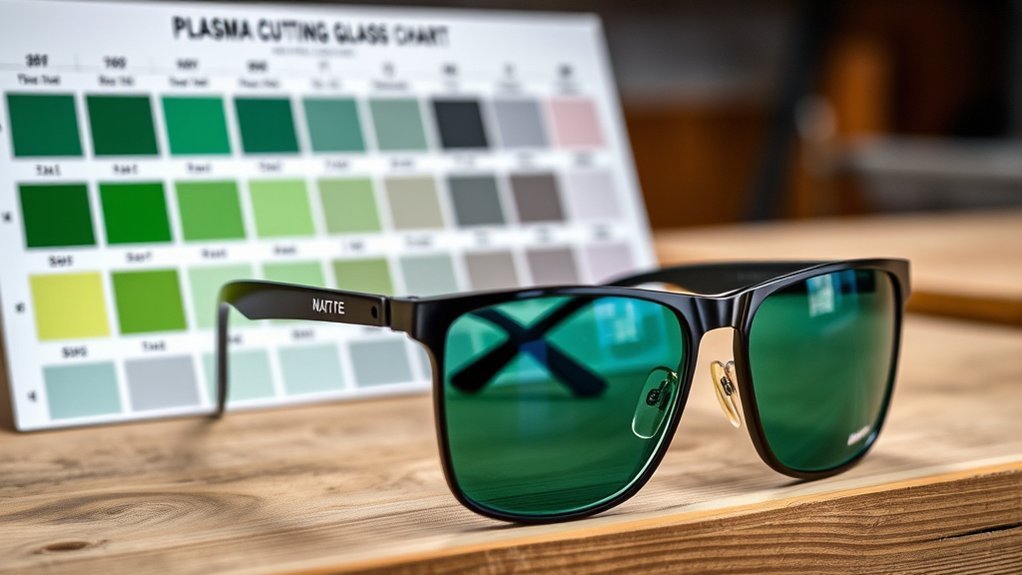
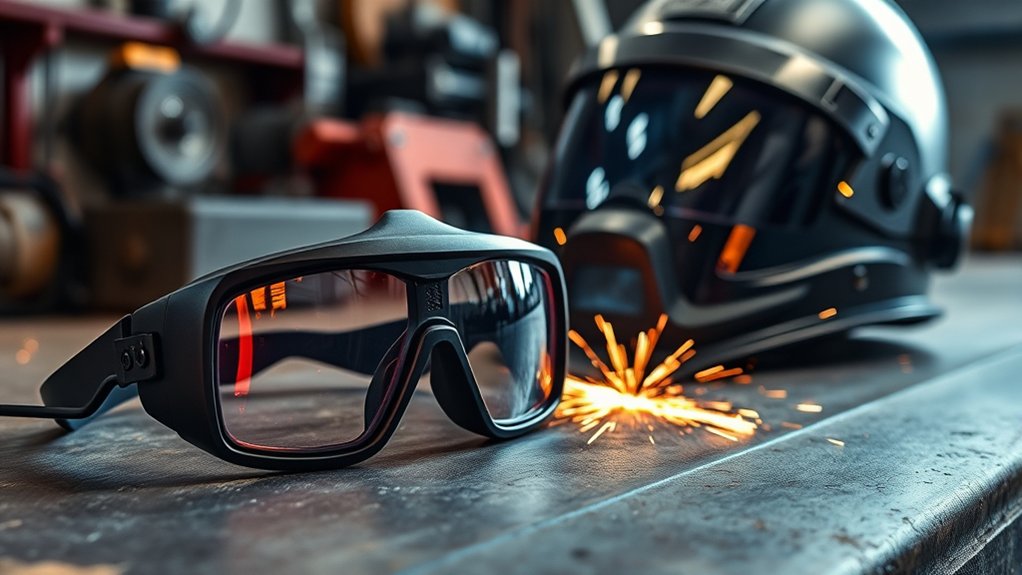
The bright arc gives off strong ultraviolet and infrared radiation. Wear a welding helmet or face shield with the correct shade, plus safety glasses, to protect your eyes from flash burns and flying debris.
Electrical shock also creates a serious risk because plasma cutters use high voltage. Check every cable and connection before you start, and do not use the cutter in wet conditions.
Plasma cutters can cause shock, burns, eye injury, and fires, so you need dry gear, sound grounding, and clear work habits.
Burn risks rise because the plasma arc can reach extremely high temperatures. Wear proper gear, including flame-resistant clothing and heat-resistant gloves, to protect your hands and skin from sparks and molten metal.
Keep your work area free from flammable materials. Plasma cutting can also create toxic fumes and gases, especially when you cut coated or painted metal, so use ventilation and respiratory protection when needed.
Warning: Never place your hand near the cut line, even for a quick adjustment, because the arc can injure skin almost instantly.
How Heat and Voltage Make Plasma Cutting Dangerous
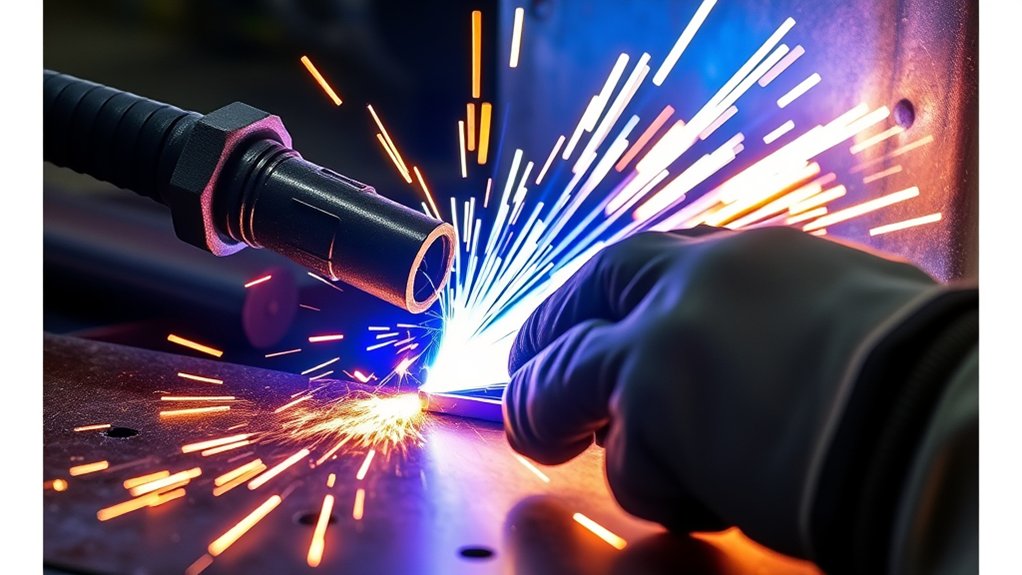
Plasma cutters use a focused arc that can reach about 20,000°C. That heat cuts metal cleanly, but it can also cause severe burns if it touches your skin.
High voltage adds another hazard. Many plasma cutters operate around 100 to 200 volts, so damaged cables, wet gloves, or poor grounding can put your body in the current path.
The arc also produces intense light that can hurt your eyes. Use proper shade protection every time, even for short cuts.
| Risk Factor | Prevention Tip |
|---|---|
| High Temperature | Keep your skin away from the arc |
| High Voltage | Use proper grounding before cutting |
| Ultraviolet Radiation | Wear proper eye and face protection |
| Flammable Materials | Clear combustibles from the cutting area |
| Electrical Contact | Keep gloves, boots, and work surfaces dry |
Stay alert to these hazards before, during, and after each cut. A safe setup lowers your risk before the torch ever touches metal.
Personal Protective Equipment You Need
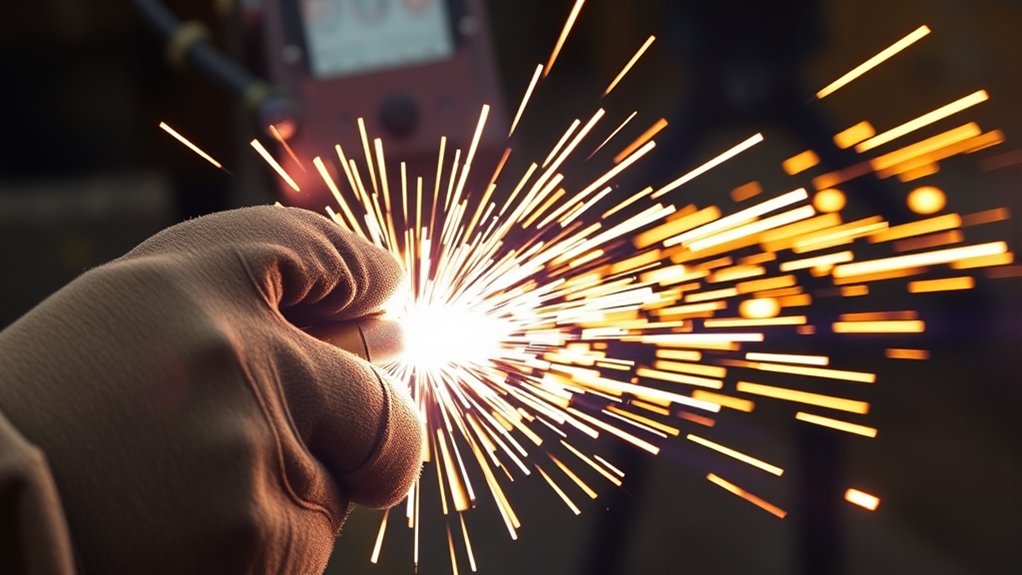
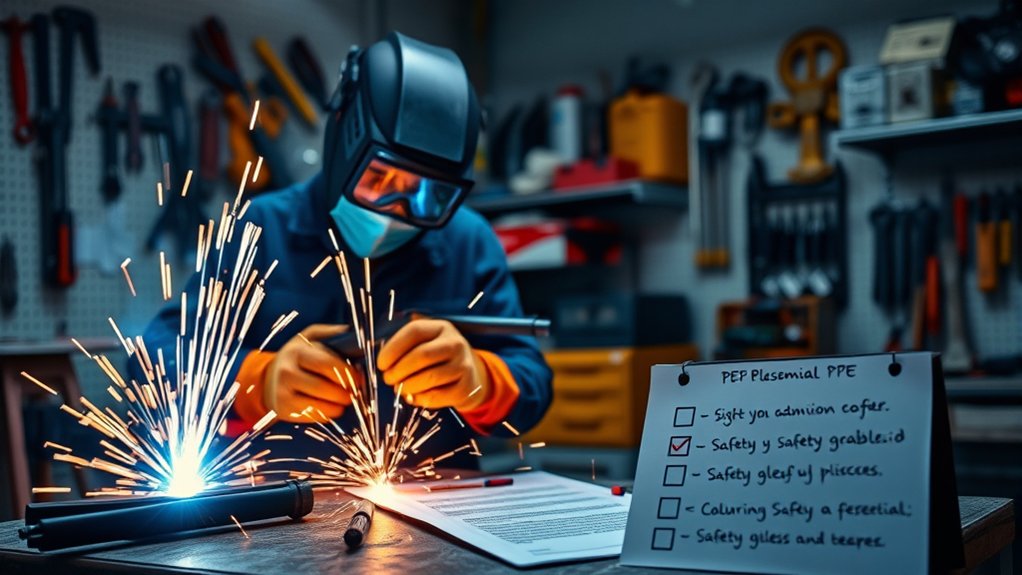
Personal protective equipment (PPE) helps protect you from burns, sparks, electric shock, and harmful light. Choose gear made for welding or cutting, not light shop work.
Start with the basics before you strike the arc:
- Wear flame-resistant clothing that covers your arms and legs.
- Use dry, heat-resistant gloves that still let you control the torch.
- Protect your eyes with safety glasses and a welding helmet or face shield.
- Wear insulated work boots with sturdy soles.
- Use hearing protection when noise levels make normal speech hard to hear.
Flame-resistant clothing and heat-resistant gloves help protect you from burns during plasma cutting.
Dry insulated gloves and boots also help reduce shock risk. Replace gloves with holes, stiff spots, or heavy wear before they fail during a cut.
Training matters as much as the gear itself. Make sure every person in the work area knows the risks, the shutdown steps, and the location of fire safety equipment.
Products Worth Considering

VANDISI FIT: Designed as a one-size welding beanie with flexible stretch fabric for a snug, comfortable feel during winter work.

✅Arc & Flame Resistant for Life - This 7 oz material is a soft, breathable cotton. They will remain arc and flame retardant regardless of the washes and wear cycles. These cotton fr balaclavas are NFPA 70E Compliant, HRC / CAT 2, EBT = 12 cal/cm² and meet ASTM F1506.

FR MATERIALS:7oz mid-weight 100% cotton flame resistant knit,all the materials from our FR crew/henley shirts and classified by UL.
How to Maintain a Safe Plasma Cutting Workspace
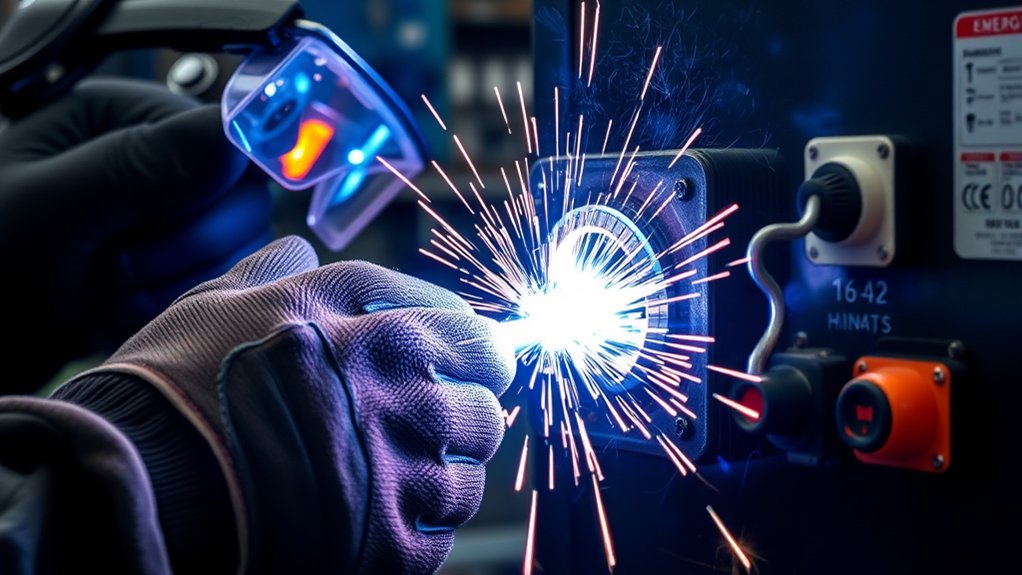
A safe workspace helps you control sparks, heat, cords, and falling metal. Clear the area before you cut, not after sparks start flying.
Keep flammable items away from the cutting zone. Move rags, paper, solvents, sawdust, cardboard, and fuel containers far enough that sparks cannot reach them.
Inspect your equipment before each use. Look for cracked insulation, loose connections, damaged torches, worn nozzles, blocked vents, and unstable work surfaces.
Keep a fire extinguisher close enough to reach fast. You should also know what material you plan to cut, since coatings and residues can add fire or fume risks.
Pro tip: Do a quick dry run with the torch off so you can spot cable snags and awkward hand positions before cutting.
Products Worth Considering

Reliable Fire Protection: Stop basic home fires involving trash, wood, paper, liquids, gases, and electrical equipment

First Alert's HOME1 FE1A10GR Fire Extinguisher is UL rated 1-A: 10-B:C; it features durable all-metal construction with a commercial-grade metal valve and trigger to meet demanding needs
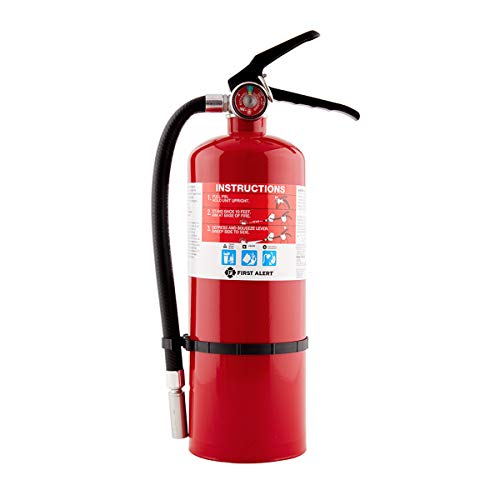
The First Alert HOME2PRO Fire Extinguisher is UL rated 2-A: 10-B:C and meets minimum 2-A: 10-B:C code requirements; It features durable all-metal construction with a commercial-grade metal valve and trigger
Ventilation and Fume Control
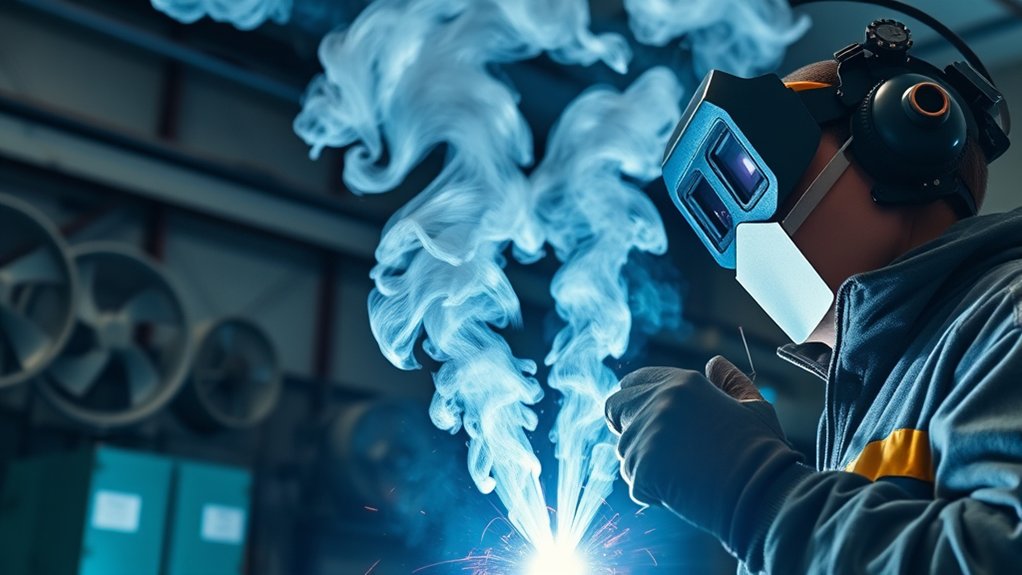
Plasma cutting can release metal fumes, gases, and particles into the air. Coated, painted, galvanized, or contaminated metal can create more hazardous fumes than clean bare metal.
Use local exhaust ventilation, a welding fume extractor, or strong shop ventilation to move fumes away from your breathing zone. In tight or poorly ventilated areas, use a respirator rated for the hazard.
Good ventilation and fume extraction help keep harmful cutting fumes away from your lungs.
Clean the metal before cutting when you can do so safely. Removing paint, oil, rust, and coatings can lower fume levels and help the cutter work more smoothly.
Do not rely on smell to judge air safety. Some hazardous fumes may not give you a clear warning before they affect your health.
Safety Lessons From Common Plasma Cutting Incidents
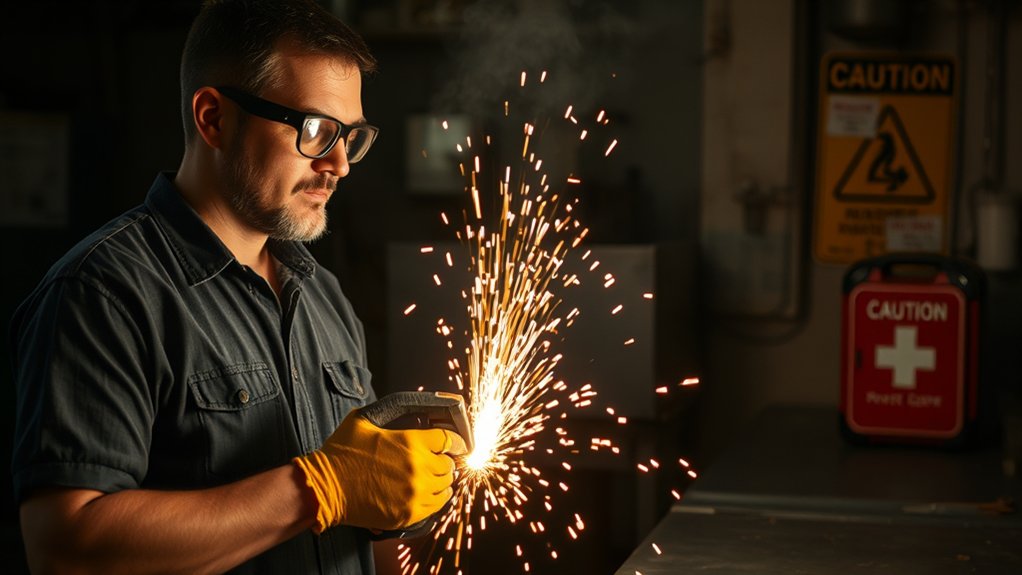
Real shop incidents often come from simple choices: skipped gloves, messy benches, wet floors, or rushed setup. You can prevent many injuries when you treat each cut as a hot-work task.
| Incident | Lesson Learned |
|---|---|
| Severe burn | Wear the right PPE every time |
| Ignited flammable materials | Keep the workspace clean and clear |
| Electric shock | Check grounding and keep conditions dry |
| Eye injury | Use proper eye and face protection |
| Toxic fume inhalation | Use ventilation and respiratory protection |
Safety habits work best when you repeat them every time. Rushing through setup can turn a routine cut into an emergency.
Best Practices for Safe Plasma Cutting
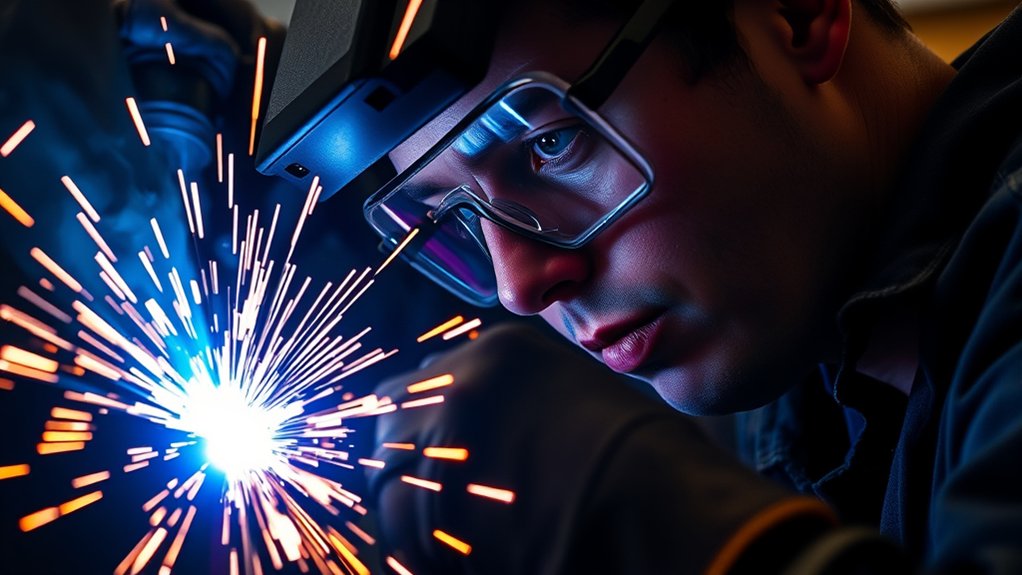
Safe plasma cutting starts before you press the trigger. Follow a short checklist so you do not miss a key hazard.
- Read the manufacturer’s manual before using a new plasma cutter.
- Inspect cables, clamps, torch parts, and consumables before each job.
- Wear full PPE, including dry gloves and proper eye protection.
- Clamp and support the workpiece so it cannot shift during the cut.
- Keep your free hand away from the cut line and underside of the metal.
- Clear flammable materials and keep a fire extinguisher nearby.
- Use ventilation that pulls fumes away from your face.
Cut with steady movement and keep your body balanced. If a part slips, stop cutting before you try to fix it.
Maintain your equipment on schedule. Worn nozzles, frayed cables, and damaged clamps can reduce cut quality and raise safety risks.
What to Do After a Plasma Cutting Injury
Stop cutting right away if you suffer a burn, shock, eye injury, or fume exposure. Turn off the machine if you can do so safely, move away from the hazard, and alert someone nearby.
Cool minor burns with clean running water, but do not apply grease, butter, or shop chemicals. Seek medical help for deep burns, eye pain, breathing trouble, electric shock, or any injury that affects movement or feeling.
Report the incident and check the equipment before anyone uses it again. A damaged cable, failed clamp, or poor setup can hurt the next person too.
Frequently Asked Questions
Can Plasma Cutters Be Used on Materials Other Than Metal?
Plasma cutters work best on electrically conductive metals. Some conductive non-metal materials may cut under special conditions, but most home and shop users should treat plasma cutting as a metal-cutting process.
Are There Specific Brands of Plasma Cutters Known for Enhanced Safety Features?
Major welding brands often include safety features such as thermal overload protection, safer torch designs, and clear fault indicators. Compare models by their safety certifications, manual quality, parts support, and protection features rather than brand name alone.
How Does One Properly Dispose of Used Plasma Cutter Consumables?
Collect used tips, electrodes, and other consumables in a marked container. Check local disposal and recycling rules, since many parts contain metal that a recycling center may accept.
Can Plasma Cutters Be Safely Operated Outdoors in Various Weather Conditions?
You can use a plasma cutter outdoors only when the setup stays dry, stable, and protected from wind. Do not cut in rain, standing water, or conditions that make grounding, ventilation, or torch control unsafe.
What Are Common Signs of a Malfunctioning Plasma Cutter?
Watch for unusual noises, inconsistent arcs, overheating, erratic cuts, repeated shutdowns, or damaged cables. Stop using the cutter until you inspect it and fix the cause.
Can a Plasma Cutter Cut Through a Glove?
Yes, a plasma cutter can burn through or damage a glove if the arc contacts it. Gloves reduce risk from sparks and heat, but they do not make it safe to place your hand near the cut path.
How Far Should Your Hands Stay From the Plasma Arc?
Keep your hands well away from the arc, the cut line, and the underside of the workpiece. Use clamps, guides, and supports instead of holding metal by hand during a cut.
Safety Disclaimer: This article provides general safety information and does not replace training, the manufacturer’s manual, or workplace safety rules. Follow all local safety requirements and get qualified help before using equipment you do not know how to operate.
Conclusion
A plasma cutter can badly injure your fingers if you let the arc, heat, or electricity reach your body. Treat every cut as a serious hot-work task, and set up your gear before you start. Wear the right PPE, keep your workspace clear, and control fumes with good airflow. Careful habits protect your hands, your lungs, and the quality of your work.
References
- Controlling Hazardous Fume and Gases during Welding — Occupational Safety and Health Administration
- Welding, Cutting, and Brazing — Occupational Safety and Health Administration
- Criteria for a Recommended Standard: Welding, Brazing, and Thermal Cutting — National Institute for Occupational Safety and Health