7014 welding rods are iron-powder rutile stick electrodes for general fabrication and repair on mild steel. They deposit metal faster than 6013 rods, run on AC or DC, work in all positions and leave a flat, neat bead with easy slag removal. They are not low-hydrogen, so use E7018 for code-rated or critical structural joints.
The ten picks below span 3/32, 5/32 and 1/8 inch rods from Startech, Forney, Weldcote and Firepower. Details come from each Amazon listing; Garage Welding has not run these products in the shop.
As an Amazon Associate I earn from qualifying purchases. Buying through these links costs you nothing extra.
Top Picks: 7014 Welding Rods by Use
|
Use case |
Product |
|---|---|
|
Stable Arc |
|
|
Balanced Value |
|
|
Value Pack |
|
|
Starter Pack |
|
|
For Speed |
|
|
For Heavy Use |
|
|
For Projects |
|
|
Finish |
|
|
Budget pack |
|
|
Small Trial |
How to Choose 7014 Welding Rods
- Pick the diameter by thickness. 3/32 inch suits thinner and medium steel and smaller machines. 1/8 and 5/32 inch suit thicker steel and need a machine with enough output. Check the amperage range printed on the box.
- Check your power source. The listings describe these rods as AC or DC and all-position. Confirm that your welder can run the diameter you choose.
- Know the limits. E7014 gives medium-to-low penetration, so prep the joint and keep it clean. It is not low-hydrogen, so it is not the first choice for thick, high-strength or code-rated structural work.
- Compare pack sizes. Packs here run from 1 lb to 10 lb. Buy the larger packs only if you weld often, and keep rods dry either way.
How These Rods Were Picked
The list uses the titles, sizes, pack weights and descriptions on the Amazon listings. Garage Welding has not tested these rods, so there are no scores or test results here. Confirm the class, diameter and pack on the listing before you order.
The 10 7014 Rods Compared

If you want a good 7014 rod that handles a wide range of jobs, this Startech 1/8″ rod is a solid pick. You get a rutile, iron‑powder coating that runs faster than older 6012/6013 types, gives a stable arc and lays a flat, attractive bead.
It works with AC or DC and in all positions, so you can use it on structural-type steel and general repairs. For everyday use and occasional bigger jobs, it’s reliable and easy to work with, especially if you value neat weld appearance and straightforward slag removal.
When To Use
|
Situation |
How It Helps |
|---|---|
|
Structural Steel |
Delivers good deposition and penetration for single-pass and multi-layer welds on thicker sections, helping you finish joints faster. |
|
Auto Body Repair |
Best on 3/32 inch rods and a low amperage setting. A 1/8 inch rod is too hot for thin auto panels. |
|
Beginner Practice |
Easy arc starts and forgiving handling make it simpler to learn bead control and build confidence during practice sessions. |
|
Field Repairs |
AC/DC compatibility and durable packaging mean you can take it to the job site and rely on consistent performance. |
Versatility
This rod is versatile across material thicknesses and positions. It works well on clean, prepared steel, runs on both AC and DC power, and is suitable for structural, repair, and cosmetic welding tasks, making it a practical everyday choice.
Key Benefits
- Stable arc and smooth bead for cleaner-looking welds
- Iron powder formula increases deposition speed
- Works on AC or DC and all welding positions
- Vacuum-sealed packaging for longer shelf life
If you want a good 7014 rod for general repairs and cleaner-looking beads, this Startech 3/32″ is a dependable choice. You’ll get an iron‑powder, rutile coating that boosts deposition and helps you move faster than older 6012/6013 types, while still keeping a steady arc.
It runs on AC or DC and in all positions, so you can use it for structural steel, sheet metal work, or auto panels. If you care about neat weld appearance and straightforward slag cleanup, this rod fits well into your everyday rotation.
When To Use
|
Situation |
How It Helps |
|---|---|
|
Structural Welding |
Higher deposition and steady arc let you lay solid passes on thicker sections without constantly stopping to reposition. |
|
Sheet Metal Repair |
A flatter bead helps appearance, but use a low amperage setting because thin sheet can still burn through. |
|
Learning and Practice |
Easy arc starts and predictable handling make it suitable when you’re practicing bead technique and building confidence. |
|
On-Site Fixes |
AC/DC compatibility and durable, vacuum-sealed packaging mean you can take a pack to the job and expect consistent performance. |
Versatility
This rod adapts to a variety of jobs and skill levels. It works on clean, prepared steel, across positions, and with both AC and DC machines, making it a practical option if you want a good 7014 rod to cover many tasks.
Key Benefits
- Stable arc and attractive bead for cleaner finish
- Iron powder formula increases deposition speed
- Works with AC or DC in all positions
- Vacuum-sealed packs for shelf life and reliability

If you want a good 7014 rod for reliable, everyday work, this Forney 1/8″ pack is a dependable option. You’ll find it easy to strike and keeps a steady arc, which makes laying smooth, consistent beads less of a chore.
It’s suited to structural repairs, farm and shop maintenance, and projects where a balance of strength and appearance matters. If you need a go-to rod that runs well on AC buzz boxes and still performs for heavier tasks, this is a practical choice to keep on hand.
When To Use
|
Situation |
How It Helps |
|---|---|
|
Structural Repairs |
Provides reliable deposition and a strong bead for single-pass and multi-layer welds on thicker steel sections. |
|
Farm & Shop Maintenance |
Handles a variety of repair tasks with predictable arc behavior, so you can fix equipment without fuss. |
|
Auto Body Touchups |
Not suited to thin panels at 1/8 inch. Step down to 3/32 inch for sheet metal. |
|
Learning and Practice |
Easy starts and forgiving handling make it suitable when you’re practicing bead technique and building confidence. |
Versatility
This rod works across positions and on both AC and DC machines, making it a flexible pick if you want a good 7014 rod to cover repair, structural, and hobby tasks without switching types frequently.
Key Benefits
- Easy arc starts and steady arc control
- Consistent bead appearance with minimal spatter
- Good versatility across positions and materials
- Forney E7014 rod, widely sold

If you’re looking for a good 7014 rod for learning and light repair work, the Forney 3/32″ is a solid, user-friendly choice. You’ll find it easy to strike and it runs smoothly on smaller machines, leaving a tidy bead that helps you practice clean technique.
It’s handy for hobby projects, home repairs, and as a predictable option when you want to spend time improving your skill rather than fighting the rod.
When To Use
|
Situation |
How It Helps |
|---|---|
|
Beginner Practice |
Easy striking and predictable puddle behavior let you focus on bead technique and speed without constant frustration. |
|
Home Repairs |
Smooth bead and modest penetration make it easier to repair thin to medium steel without excessive burn-through. |
|
120V/Buzz-Box Welding |
Runs reliably on lower-power machines, so you can use common shop gear instead of needing a heavy-duty welder. |
|
Small Fabrication |
Consistent deposits and manageable slag make tack and finish passes more straightforward for one-off projects. |
Versatility
This rod covers practice, light fabrication, and routine fixes across multiple positions and machine types, making it a practical pick if you want a go-to among 7014 rods for everyday garage work.
Key Benefits
- Easy arc starts for beginners
- Smooth bead profile with low spatter
- Runs well on 120V and buzz-box welders
- Good for practice and small repairs
If you’re shopping for a good 7014 rod that balances speed and appearance, the Startech 5/32″ is a practical pick. It uses an iron‑powder, rutile coating that boosts deposition so you can weld faster than with older 6012/6013 types while still getting a steady arc and a tidy bead.
That makes it useful for structural work, fabrication, and heavier repairs where you want reliable fills without a lot of cleanup. If you want a rod that stays versatile across jobs and gives consistent results, this one fits nicely into a go-to kit.
When To Use
|
Situation |
How It Helps |
|---|---|
|
Structural Fabrication |
Higher deposition and reliable arc let you lay down solid passes on wider joints and thicker plates with fewer stops. |
|
Heavy Repairs |
Flat bead and good fill make it easier to build up worn areas without excessive grinding afterward. |
|
Large Assemblies |
All-position capability and consistent deposition are useful when working on large assemblies that need uniform welds. |
|
On-Site Work |
AC/DC compatibility and vacuum-sealed packs mean you can take it to jobsites and expect steady performance. |
Versatility
This rod handles a broad range of tasks and machines, running on AC or DC in all positions and working well for structural, repair, and fabrication tasks—a solid contender if you want a good 7014 rod to cover many jobs.
Key Benefits
- Higher deposition rate for faster welds
- Stable arc and attractive bead profile
- Easy slag removal reduces cleanup time
- AC/DC and all-position flexibility

If you want a dependable pack to keep in the shop, this Startech 3/32″ 10 lb option is a strong pick among 7014 rods. You’ll find the iron‑powder rutile coating helps you move faster while keeping a steady arc and a tidy bead, which is handy when you need consistent fills on both routine repairs and larger fabrications.
It runs on AC or DC and works in all positions, so you can use it for structural work, panel repairs, or practice sessions when you’re dialing in your technique. For a versatile, go-to rod that stays predictable across jobs, this one fits well.
When To Use
|
Situation |
How It Helps |
|---|---|
|
Production Runs |
Higher deposition lets you cover more ground with fewer rod changes, keeping rhythm and reducing downtime. |
|
Structural Welding |
Steady arc and dependable fills help you build strong, multi-pass welds on thicker steel sections. |
|
Auto/Panel Work |
Flat bead and controllable heat make it easier to avoid burn-through on thinner panels while keeping a clean appearance. |
|
Practice Sessions |
Predictable behavior and all-position use let you focus on technique rather than fighting the electrode. |
Versatility
This 3/32″ 10 lb pack adapts to many jobs and skill levels, running on AC or DC and across positions. If you want a good 7014 rod to handle shop repairs, fabrication, and practice without swapping types, it’s a practical choice.
Key Benefits
- High deposition for faster passes
- Stable arc and attractive bead profile
- All-position use with AC/DC compatibility
- Vacuum-sealed packaging for shelf life

If you want a workhorse among 7014 rods, this Startech 5/32″ 10 lb pack is built for heavier repairs and fabrication. You get an iron‑powder rutile coating that boosts deposition so you can weld faster while keeping a steady arc and tidy bead.
It runs on AC or DC and in all positions, so it’s handy for structural work, fabrication runs, and on-site fixes. Keep a pack in the shop and you’ll have a versatile rod ready for most tasks.
When To Use
|
Situation |
How It Helps |
|---|---|
|
Structural Fabrication |
Higher deposition and a steady arc let you cover wide joints and thicker plates efficiently with fewer rod changes. |
|
Heavy Repairs |
Flat bead and good fill make it easier to rebuild worn areas without excessive grinding afterward. |
|
Auto Body Work |
5/32 inch is too heavy for thin panels. Use it on thicker steel. |
|
On-Site Jobs |
AC/DC compatibility and durable, vacuum-sealed packs mean you can take it to jobsites and expect consistent performance. |
Versatility
This 5/32″ option works across positions and power sources, making it a flexible pick if you want a good 7014 rod to handle fabrication, repair, and field work without switching electrode types.
Key Benefits
- Higher deposition for faster passes
- Stable arc and flat, attractive bead
- All-position use with AC/DC flexibility
- Vacuum-sealed packaging for shelf life

If you want a rod that focuses on clean results, this Weldcote 1/8″ is worth a look. It’s an iron‑powder, rutile 7014 that runs with a steady arc and lays a flat, attractive bead, so you spend less time grinding and more time welding.
It works in all positions and on AC or DC machines, making it a handy pick for repair work, structural tack-ups, or practicing cleaner beads. If you’re trying to narrow down 7014 rods for neat, consistent finishes, this one fits that niche.
When To Use
|
Situation |
How It Helps |
|---|---|
|
Shop Repairs |
Stable arc and good deposition let you rebuild worn parts with neat beads that need less finishing. |
|
Auto/Panel Work |
1/8 inch is heavy for thin panels. Use 3/32 inch for sheet. |
|
Practice Sessions |
Predictable behavior helps you focus on improving travel speed and bead appearance. |
|
All-Position Welding |
Runs reliably in vertical and overhead positions, so you can handle varied joints without switching electrodes. |
Versatility
This 1/8″ Weldcote rod handles a wide range of tasks and machines, running on AC or DC and across positions. If you want a good 7014 rod for achieving clean, consistent results in both shop and field work, it’s a solid, no-nonsense choice.
Key Benefits
- Very stable arc for predictable puddle control
- Flat, smooth bead that reduces cleanup time
- Iron‑powder formula boosts deposition efficiency
- Works on AC or DC and in all positions
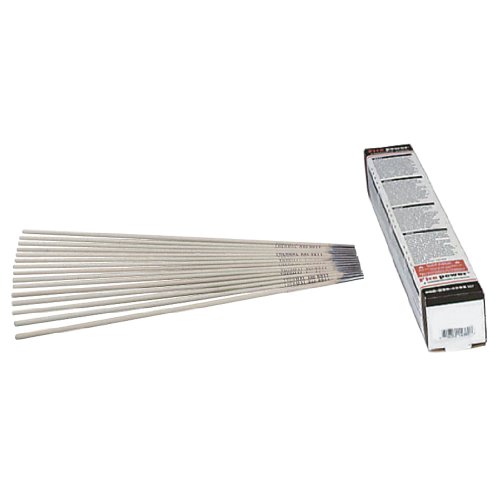
If you’re comparing 7014 rods and need something that runs at a good travel speed, this Firepower 3/32″ option is worth a look. It’s designed for higher deposition with a medium‑to‑low penetration profile, so it performs well on prepared, clean surfaces and lets you cover ground without constant stops.
You’ll find it useful for routine repairs and jobs where you want decent fill and a steady arc, though it can produce a bit more splatter than premium irons. If you work with AC or DC and need an all‑position rod that’s straightforward to use, this one fits practical shop and field needs.
When To Use
|
Situation |
How It Helps |
|---|---|
|
Clean Surface Fabrication |
Higher deposition and controlled penetration let you lay solid passes on prepped plates without over-penetrating. |
|
General Repairs |
All-position capability and steady arc make it handy for everyday shop fixes where you want reliable fills. |
|
AC Buzz-Box Welding |
Designed to run on AC or DC, so it adapts well to basic shop machines and field gear. |
|
When Speed Matters |
Faster electrode travel keeps you moving on longer seam runs, reducing time spent swapping rods. |
Versatility
This 3/32″ Firepower rod works across positions and power sources and is a practical pick if you want a good 7014 rod for routine fabrication and repair tasks where travel speed and deposition matter more than the absolute cleanest finish.
Key Benefits
- High deposition and faster travel speed
- All-position use with AC or DC compatibility
- Medium-to-low penetration good for prepared surfaces
- Reasonably forgiving handling for routine repairs

If you want a good 7014 rod for everyday garage work, this Forney 1/8″ 1 lb option is a reliable choice. You get easy arc starts, steady puddle control, and a bead that flows nicely, which makes routine repairs and hobby projects simpler. It works with common shop machines and is forgiving enough for practice sessions while still handling light structural and repair tasks.
Keep a few around if you want a dependable rod that helps you focus on welding, not troubleshooting.
When To Use
|
Situation |
How It Helps |
|---|---|
|
Home Repairs |
Provides reliable deposition and a tidy bead so you can fix garden tools, gates, and small frames without excessive cleanup. |
|
Exhaust and Light Fabrication |
Better suited to medium-thickness steel at 1/8 inch. Use 3/32 inch for thinner sections. |
|
Beginner Practice |
Easy starts and forgiving handling let you work on bead technique and travel speed without constant frustration. |
|
AC/Buzz-Box Use |
Runs acceptably on common AC buzz-box machines, making it practical if you don’t have heavy-duty equipment. |
Versatility
This Forney 1/8″ rod suits a range of casual and light-professional tasks. It runs in multiple positions and on common shop machines, so if you want a good 7014 rod to cover practice, repairs, and small fabrication without swapping types, it’s a sensible pick.
Key Benefits
- Easy arc starts and predictable puddle
- Good bead profile with modest spatter
- Works across common machines and positions
- Solid choice for learning and light repairs
Related guides: stick welding amperage chart | welding rod size chart | E7018 welding rods review | stick welding rods roundup
FAQ
What are 7014 welding rods used for?
E7014 is a general-purpose mild steel electrode for fabrication, repairs and light structural-type work. Its iron-powder coating gives faster deposition and a smooth, flat bead compared with E6013.
What is the difference between 7014 and 7018?
E7018 is a low-hydrogen rod that makes tougher, more crack-resistant welds and needs dry storage. E7014 is easier to run and gives a neater bead, but it is not low-hydrogen, so choose E7018 for critical or code-rated joints.
Can I use 7014 rods on an AC welder?
Yes. The listings describe these rods as AC or DC, so they run on a basic AC buzz box as well as a DC machine. Confirm the amperage range for your diameter.
Which size 7014 rod should I buy?
Use 3/32 inch for thinner steel and smaller machines, and 1/8 or 5/32 inch for thicker steel where your welder has the output. Thin sheet metal is better welded with MIG or TIG.
Bottom Line
7014 rods are a good fit for general fabrication and repairs where you want fast fill and a clean bead. Start with 3/32 inch if you have a smaller machine, and step up to 1/8 inch for thicker steel.
For load-bearing structural work or thicker, high-strength steel, switch to E7018 and store it dry.
| 7014 Welding Rod 1/8″ | 7014 Welding Rod 3/32″ | Forney 32110 E7014 Welding Rod, 1/8-Inch | |
|---|---|---|---|
 |
|
 |
|
| Manufacturer | STARTECHWELD | STARTECHWELD | Forney |
| Material | Carbon Steel | Carbon Steel | Mild Steel |
| Size | 1/8″ x 14″ | 3/32″ x 14″ | 1/8-Inch |
| Weight | 5 pounds | 5 pounds | 10.16 pounds |
| Check price on Amazon | Check price on Amazon | Check price on Amazon |