If you work in a garage, machine shop, or fabrication workspace, a few smart tool upgrades can save time, improve accuracy, and make projects feel easier. This guide focuses on practical DIY workshop tool ideas that pair well with welding. You will learn what to make, what materials to use, how to approach design and alignment, and the safety checks that matter most.
These ideas are ideal if you want stronger clamping, better repeatability, improved cutting or grinding control, and fewer “figure it out every time” moments.
🧰 Why DIY Workshop Tools Improve Welding Quality
Welding quality rarely fails because of “missing talent.” Most issues come from setup problems: poor fit-up, weak clamping, inconsistent alignment, and inconsistent measurement. DIY tools can address these bottlenecks by making workholding and positioning more reliable.
Common welding pain points DIY tools can solve
- Inconsistent alignment when re-clamping parts for tack welds and final welds.
- Spending too long setting up jigs, measuring repeatedly, and re-checking squareness.
- Parts slipping under heat or during grinding and finishing.
- Uneven outcomes because your tooling does not guide tools or templates consistently.
When a tool is built well, it becomes “repeatable.” That matters more than having a fancy feature.
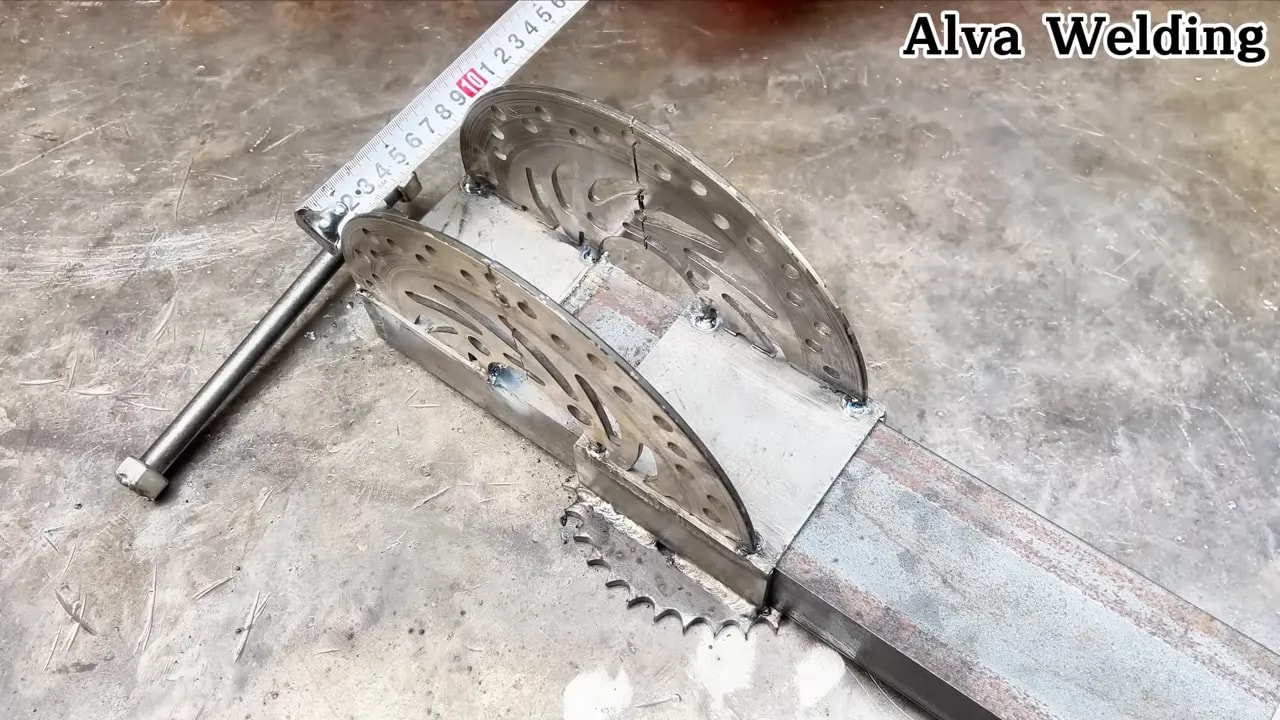
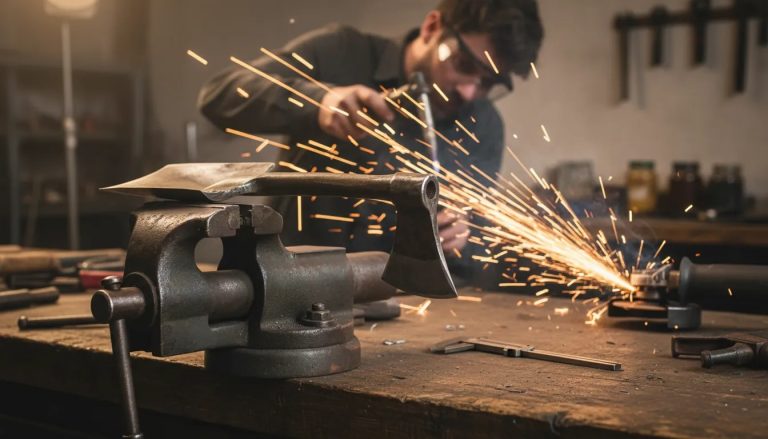
🛠️ Idea #1: A Super-Strong DIY Vise From a Motorcycle Brake Disc
A motorcycle brake disc is often made to resist wear and heat, and it can serve as an excellent base for a compact, heavy-duty vise or clamping system. The goal is not just clamping force, but stable gripping so your work stays put through welding cycles.
What makes this approach useful
- Heat resistance compared to some cheap steel bases.
- High rigidity when mounted properly.
- Good surface geometry for machining and fastening.
Materials and parts to plan
- Motorcycle brake disc (choose one that is not excessively cracked or corroded)
- Mounting plate or base frame (thick steel recommended)
- Moveable jaw and fixed jaw stock (tool steel or robust plate)
- Screw or actuator mechanism (bench vise screw, lead screw, or jack screw)
- Hardwearing contact pads (optional)
- Fasteners, welding consumables, and basic measurement tools
Build and alignment checklist
- Inspect the disc: confirm no cracks around mounting holes and that the friction surface is not severely damaged.
- Square and mount the base: the disc must be aligned to your mounting plate to prevent twisting forces.
- Decide the clamping direction: choose whether the vise will clamp flat stock, small tubes, or odd shapes.
- Fit the jaws accurately: aim for parallel faces so the screw applies force evenly.
- Test clamping force without welding: tighten gradually and check for jaw rocking.
- Add contact materials if needed: soft pads help protect thin parts; hard pads improve grip.
Safety notes for welding on a clamped vise setup
- Never clamp unstable or cracked components to a vise base.
- When welding near the vise, expect heat warping. Recheck alignment after a test weld.
- Use appropriate PPE: welding helmet, gloves, and eye protection for grinding steps.
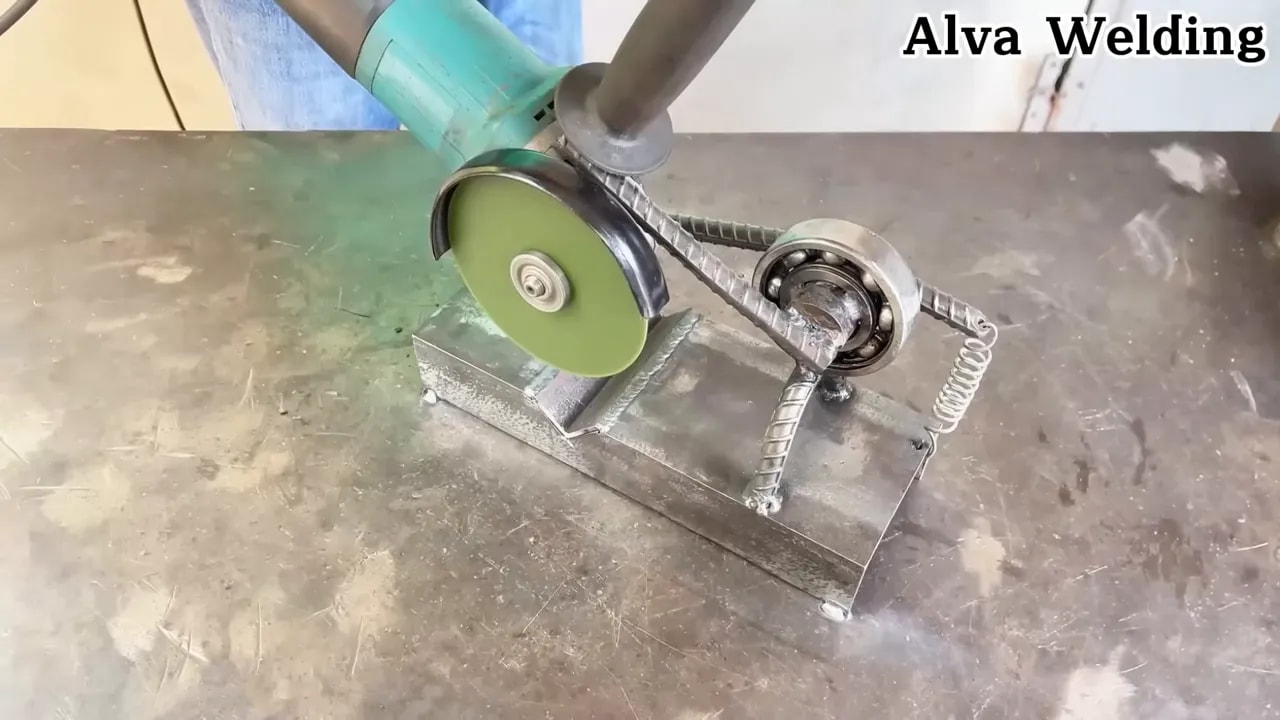
📏 Idea #2: Sliding Angle Grinder Jig With Bearings for Repeatable Grinding
An angle grinder jig with a sliding mechanism can turn rough, uneven grinding into a controlled, repeatable process. Bearings help the grinder ride smoothly along a defined path, which reduces operator-dependent variability.
Where this jig helps most
- Flattening and beveling edges consistently for weld prep
- Grinding consistent passes on brackets and brackets-on-plate assemblies
- Setting a repeatable angle for small fabrication tasks
Key design features to prioritize
- Rigidity of the rails: flimsy rails defeat the purpose.
- Low friction motion: bearings reduce snagging and jerky movement.
- Repeatable stops: mechanical stops create consistent depth and travel limits.
- Workpiece clamping: the jig does not replace secure holding.
Build approach (practical and adjustable)
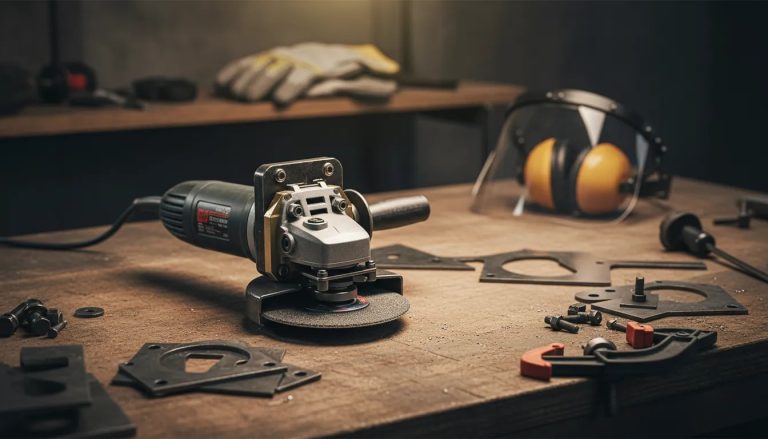
- Select the grinder: confirm the jig can accommodate its head shape and guard clearance.
- Design the guide rails: choose straight, parallel rails and ensure alignment.
- Install bearings: mount bearings rigidly, then verify smooth travel.
- Attach grinder mounts: use a stable bracket and avoid wobble.
- Add stops and an adjustment: provide a way to set grinding depth for different thicknesses.
- Run a dry test: move the grinder through travel with the disc removed.
- Perform a test pass on scrap before real parts.
Angle grinder safety checklist
- Use the correct disc type and rating for your material.
- Keep guards installed and unobstructed.
- Do not force the grinder. Let the disc do the work.
- Stand to the side of the disc path. If binding occurs, stop immediately.
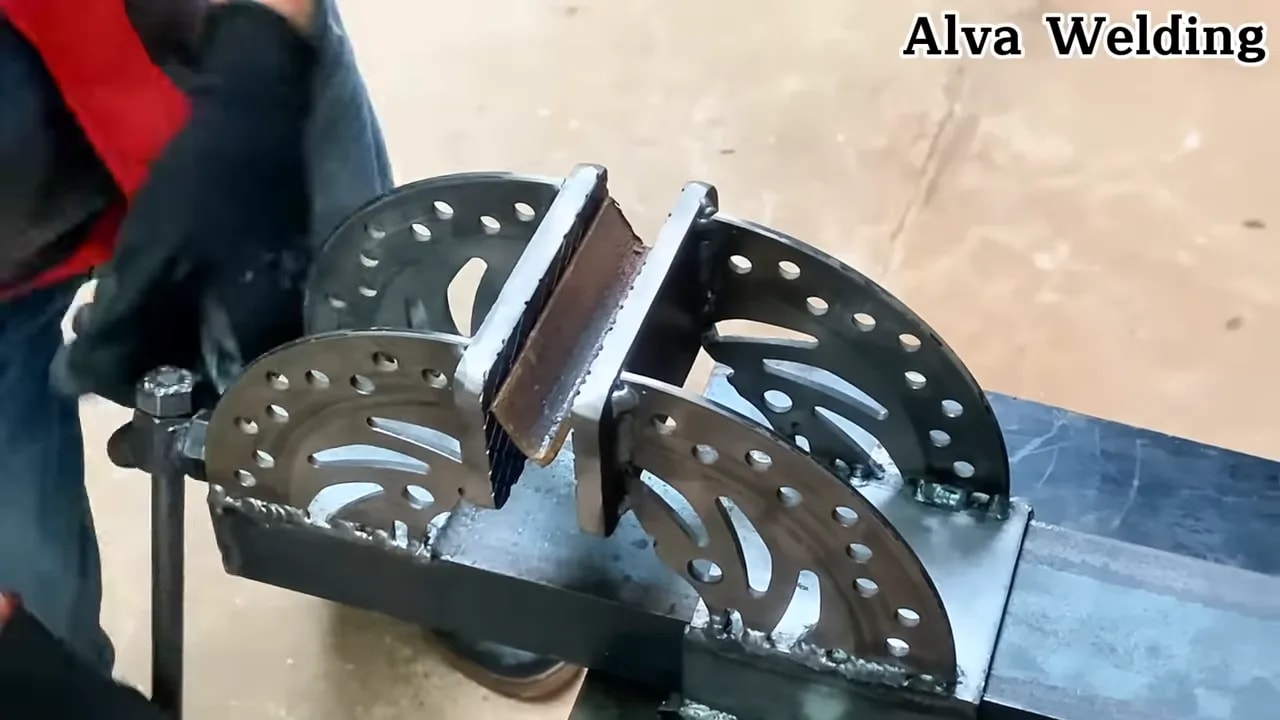
🧩 Idea #3: Sliding or Indexing Fence for Fast, Accurate Cuts
Many DIY welding frustrations begin before welding, during cutting and fit-up. A sliding fence system can make repeat cut lengths and angles more consistent. The concept is simple: add a fence or index plate that locks quickly and returns accurately.
What to build
- A small fence system for a cutoff tool
- A strip-based sliding guide that clamps at preset intervals
- An adjustable angle index block for repeated bevel angles
Framework for accuracy
Accuracy comes from three things: measurement, repeatable stops, and rigid clamping.
- Measurement: use a tape scale or engraved ruler on the base.
- Repeatable stops: add detents or physical stop surfaces for common lengths.
- Rigid clamping: your fence must not shift under cutting force.
Practical tips for welding-ready parts
- After cutting, deburr edges before fit-up.
- Test fit the first piece, then lock the jig and repeat.
- Use a simple “QC step”: verify squareness and thickness before tack welding.
🗜️ Idea #4: Clamping Accessories That Prevent Weld Warping and Slippage
Even strong welding clamps can be improved with DIY add-ons. The simplest upgrades often include sacrificial contact surfaces, shaped pads, and quick-set alignment guides. These reduce slip during tack welds and minimize warp from heat concentration.
DIY clamping add-ons to consider
- Replaceable jaw pads: bolt-on pads that grip without marring.
- Tubing V-block inserts: cradle round parts securely.
- Right-angle alignment blocks: helps when tack welding corners.
- Heat shields (passive): reduce heat travel into clamps.
Heat management habits that pair with tooling
- Tack in sequence: distribute tacks to balance shrinkage.
- Skip and return: avoid welding one side continuously.
- Use clamps and spacers: maintain gaps intended for penetration and bead shape.
Quick “before welding” fit-up check
- Are edges tight or intentionally gapped?
- Is the part square or aligned to a template?
- Will the clamp be in the heat zone during welding?
- Can you access the weld area without repositioning?
🧠 Idea #5: Build a Simple Marking and Setup System for Repeat Jobs
Many DIY projects fail on repeatability, not fabrication. A marking and setup system helps you set the same offsets, angles, and placements each time. You can build it from a few steel plates, a square, and a set of repeatable reference marks.
Two practical versions
Version A: Template plate for hole placement
- Cut a base plate
- Transfer hole coordinates
- Use hardened bushings or simple guide holes for fast marking
- Optionally include a clamping lip so the part indexes the same way
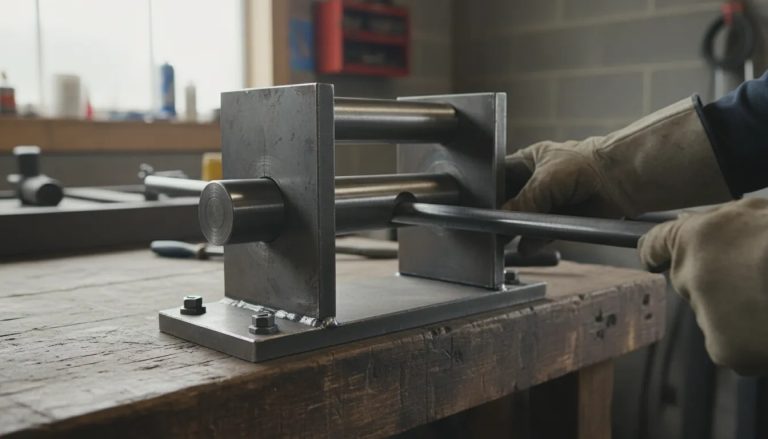
Version B: Fence-and-stop setup for bending and assembly
- Mount a fence to a base plate
- Add adjustable stops to set lengths
- Add an angle reference block for consistent alignment
Why this improves welding outcomes
When fit-up is consistent, weld parameters become more repeatable too. That means less time troubleshooting bead shape and penetration issues caused by shifting parts.
⚠️ Common Mistakes When Building DIY Welding Tools
DIY tools can be excellent, but a few mistakes lead to frustrating failure. Avoid these before committing to fabrication.
1) Building something rigid but not square
A jig that is solid but misaligned will produce consistent wrong results. Use a square and verify alignment before final welding or machining.
2) Underestimating clamping forces
Tools that clamp well for light tasks can fail when welding induces heat and shrinkage. Ensure clamping points are stable and not relying on thin plates.
3) Ignoring disc and grinder binding risks
Grinding jigs can bind if tolerances are tight or if the rail alignment is off. Always test on scrap and remove the disc before dry motion checks.
4) Making measurements “good enough” for cutting, but not for welding
Welding tolerances are often tighter than cutting tolerances because misfit creates stress and poor fusion. Aim for consistency and verify the first part carefully.
5) Skipping a safety-first test cycle
Every new tool should go through:
- dry fit and travel checks
- test clamping with scrap pieces
- first-pass trial welds (or grinding passes) in a controlled area
🧰 Materials, Tools, and Setup Tips
Tool choice depends on what you are building. Still, a few general guidelines help your DIY tool work better and last longer.
Materials that tend to perform well
- Thicker base plates for vibration resistance
- Replaceable pads for jaw surfaces and contact points
- Quality bearings and rails for sliding mechanisms
- Heat-resistant design near welding zones
Tools that improve build accuracy
- Steel ruler, calipers, and a reliable square
- Drill press or accurate drilling guide
- Grinder or belt sander for edge finishing
- Clamps and an angle reference setup
- Marker and scribing tools for repeat layout
Basic setup workflow for every tool build
- Design for adjustment: include a way to fine-tune.
- Build the reference: start with the square, then add dependent features.
- Test alignment before final welding.
- Finish and deburr: smooth edges prevent binding and improve safety.
- Document the settings: note common stop positions and dimensions.
✅ Quick Start: How to Choose Which Tool Idea to Build First
If you want the biggest impact with the least effort, prioritize tools that improve setup and repeatability.
Decision guide
- If your welds are inconsistent, start with workholding or marking templates.
- If edge prep takes too long, build a grinder jig or bevel guide.
- If cutting measurements drift, build a fence and stop system.
- If parts slip during tacking, add clamps with better contact pads and alignment blocks.
Most workshop improvements come from reducing variability, not from adding complexity.
FAQ
What is the best DIY workshop tool improvement for beginners?
The best starting point is usually a simple clamping and marking system. Templates, reference blocks, and quick-stop fences make parts fit consistently, which improves weld results right away without requiring complex machinery.
How do I make sure my DIY welding jig stays square?
Verify squareness early using a reliable combination square or right-angle reference. Tack key reference points first, test fit with scrap, then finalize. Recheck alignment after any heat-heavy welding operations.
Are motorcycle brake discs safe to reuse in tool builds?
They can be useful for rigidity, but only if the disc is intact. Inspect for cracks, severe corrosion, and structural damage. If you are unsure, choose a new or known-good component and avoid using cracked parts for clamping or high-stress builds.
What safety steps should I follow when building a grinder sliding jig?
Use rigid rails, add stops to prevent over-travel, and perform dry movement tests with the disc removed. Ensure the grinder guard stays functional, keep clear of the disc path, and test on scrap before any real work.
How can I reduce weld warping with DIY tooling?
Use better clamping at the right points, maintain intentional gaps, and distribute weld heat. Tack in a balanced sequence, weld in sections, and allow the part to cool while constrained to preserve geometry.
What should I measure to confirm a repeatable fit-up?
Confirm squareness or alignment, joint gap (if required), and overall length. For tube and plate assemblies, also verify that both sides sit at the intended distance before tacking.
🎯 Key Takeaways
DIY workshop tools matter because welding success is largely a setup problem. A strong clamping base, a sliding grinder guide for controlled grinding, reliable fences for consistent cutting, smarter clamping accessories, and a simple marking or indexing system can make your results repeatable.
Start with the tool that targets your biggest bottleneck. Build for rigidity and adjustment. Test on scrap. Then document your settings so your future projects go faster and look cleaner.