Disclosure: This article contains affiliate links. If you click a link and make a qualifying purchase, we may earn a commission at no extra cost to you.
Rough edges, failed starts, damaged consumables, and wasted plate often begin with a plasma cutter that does not match your CNC table. The right machine needs more than enough amperage. It also needs a CNC trigger connection, compatible arc-voltage output, a non-HF starting system, adequate duty cycle, and a clean air supply.
This guide compares six CNC-compatible plasma cutters for hobby tables, garage fabrication, and light production. Start with the thickness you cut regularly, then compare the machine torch, power input, air demand, duty cycle, and CNC interface before choosing.
This 80A model offers a useful balance of cutting capacity, non-HF blowback starting, drag-cut support, and built-in THC and Arc OK connections. It is a strong match for a 220V garage or small-shop CNC table that regularly cuts thin to medium plate.
- Choose the LOTOS LTP8050 for balanced 80A performance on a permanent 220V table.
- Choose the LOTOS LTP6300DCNC when dual-voltage portability matters.
- Choose the ANDELI CUT-65DS for a lower-cost machine with CNC wiring and multiple operating modes.
- Choose the SILATU STC650P MAX for beginner-friendly controls and light CNC use.
- Choose the Everlast 102i for thicker plate and the highest output in this comparison.
- Choose the Everlast 82i CNC Package for a dedicated table setup with a long machine torch.
Quick Comparison
| Product | Best For | Output and Capacity | Power | Product Link |
|---|---|---|---|---|
| LOTOS LTP8050 CNC | Best overall for a small 220V shop | 80A; up to 1-inch clean cut and 1.5-inch severance under suitable conditions | 215V to 245V, single phase | Check on Amazon |
| LOTOS LTP6300DCNC | Portable CNC setups and mixed-voltage shops | 63A; up to 3/4-inch clean cut on 220V and 3/8-inch on 110V | 110V to 125V or 215V to 245V | Check on Amazon |
| ANDELI CUT-65DS | Value-focused hobby and small-shop use | Up to 65A on 220V; full-output duty cycle is lower than its reduced-power duty cycle | 110V or 220V | Check on Amazon |
| SILATU STC650P MAX | Beginners and occasional CNC cutting | 65A; listed at up to 14mm clean and 20mm maximum on 220V | 110V or 220V | Check on Amazon |
| Everlast PowerPlasma 102i | Thicker plate and higher-output work | 100A; up to 1-1/2-inch clean cut and 1-5/8-inch severance under suitable conditions | 220V to 240V | Check on Amazon |
| Everlast PowerPlasma 82i CNC Package | A permanent CNC table installation | 80A; CNC production capacity depends on piercing method, speed, torch height, and consumables | 220V to 240V | Check on Amazon |
Cutting figures are manufacturer ratings under favorable conditions. Actual results depend on material type, input voltage, air quality, torch height, consumable condition, travel speed, piercing method, and operator setup.
Top Picks by Use Case
| Category | Product | Why It Stands Out |
|---|---|---|
| 🏆 Best Overall | LOTOS LTP8050 CNC | Balanced 80A output, non-HF starting, drag-cut support, and built-in THC and Arc OK connections. |
| 🎯 Best Portable CNC Cutter | LOTOS LTP6300DCNC | Automatic dual-voltage input and a compact body make it easier to move between locations. |
| 💰 Best Value Features | ANDELI CUT-65DS | CNC connectivity, dual voltage, a large display, 2T/4T controls, and reduced-power continuous operation. |
| 🔰 Best for Beginners | SILATU STC650P MAX | Readable controls, dual-voltage operation, mesh mode, and a relatively approachable setup. |
| 🚀 Highest Output | Everlast PowerPlasma 102i | 100A maximum output and a heavier-duty air and power requirement for thicker material. |
| 🔧 Best Dedicated CNC Package | Everlast PowerPlasma 82i CNC Package | A long machine torch, CNC socket, digital pressure display, and adjustable post-flow suit a fixed table. |
How We Chose
We focused first on genuine CNC suitability. A machine needed a non-HF starting system and a practical way for a CNC controller to trigger the torch. We also looked for Arc OK, divided or raw arc-voltage output, torch-height-control compatibility, and clear connector information.
Next, we compared output, routine cutting capacity, duty cycle, voltage requirements, air demand, torch type, consumable availability, warranty support, and package clarity. Maximum severance figures received less weight than realistic daily-use and CNC-piercing capacity because buyers usually care more about repeatable parts than a one-time edge cut.
- Confirm whether the CNC output is raw arc voltage, divided voltage, or both.
- Check the trigger-pin and Arc OK wiring against your controller manual.
- Verify whether the package includes a hand torch, machine torch, or both.
- Size the compressor by SCFM, not only tank capacity or maximum PSI.
- Confirm your circuit, breaker, plug, and wiring can support the cutter at full output.
- Check replacement electrodes, nozzles, shields, retaining caps, and machine-torch parts before ordering.
Best CNC Plasma Cutters Reviewed
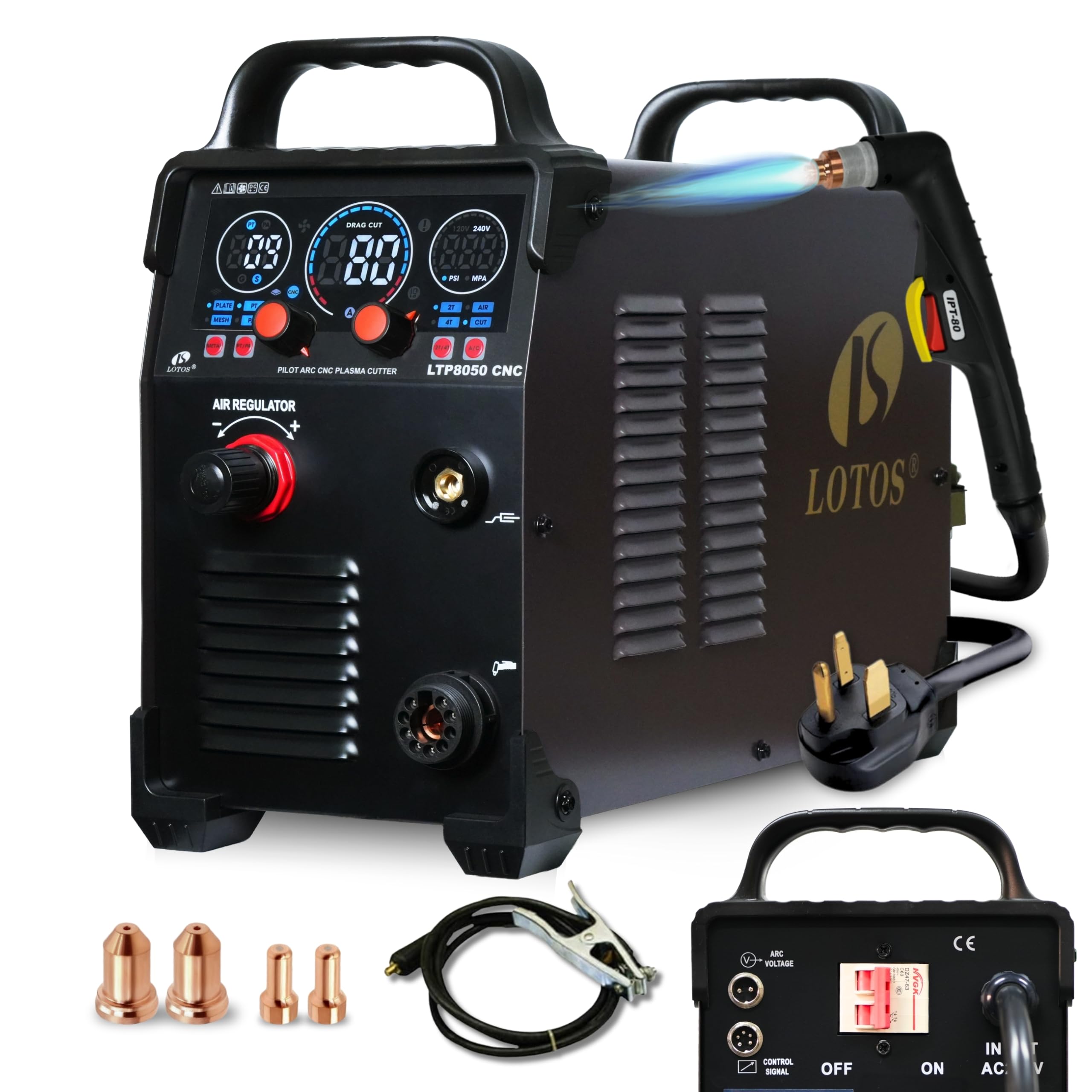
The LTP8050 is the most balanced choice in this comparison for a small shop with 220V power. Its pre-installed CNC interface provides torch-control, THC, and Arc OK functions without relying on a high-frequency start system. That helps reduce electrical interference around table electronics, although you must still follow the wiring diagrams for both the cutter and controller.
LOTOS rates the machine for 20A to 80A output, up to a 1-inch clean cut, and up to a 1.5-inch severance cut under suitable conditions. Those maximum figures should not be treated as an everyday CNC-piercing recommendation. For repeatable parts, leave output headroom and avoid building your workflow around the maximum rating.
The cutter requires a strong air supply. Plan for more than 80 PSI at approximately 4.5 SCFM, along with effective moisture removal. The included regulator and water trap help with setup, but a separate dryer may still be useful in a humid shop.
- Strong 80A output without moving into a large industrial-class system
- Pre-installed CNC connections with THC and Arc OK support
- Non-HF blowback start is better suited to electronic CNC controls than an HF-start cutter
- Drag-cut capability helps with hand cutting and template work when the correct consumables are installed
- Three-year limited manufacturer warranty
Cons
- Requires a suitable 215V to 245V single-phase circuit
- Needs more than 80 PSI at about 4.5 SCFM, so a small compressor may struggle
- Drag-cut consumables may need to be purchased separately
- Maximum clean-cut and severance claims are not the same as routine CNC-piercing capacity
Who Should Buy It?
Choose the LTP8050 if you want a permanent or semi-permanent CNC cutter for a garage, fabrication corner, farm shop, HVAC work, metal signs, or moderate plate work. It makes the most sense when you already have 220V power and a compressor capable of maintaining the required airflow.
Who Should Avoid It?
Skip it if you only have a normal 120V outlet, need to move the cutter between sites with uncertain power, or regularly pierce plate near the machine’s maximum thickness. A dual-voltage cutter or a heavier production system will be a better fit in those cases.
Buyer Feedback Themes
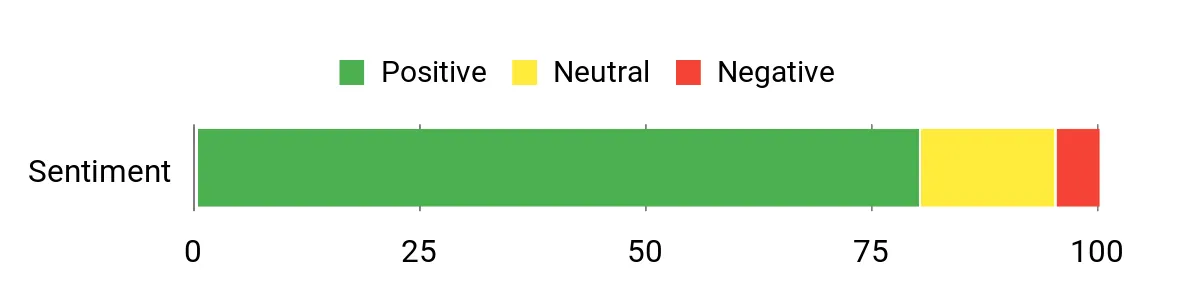
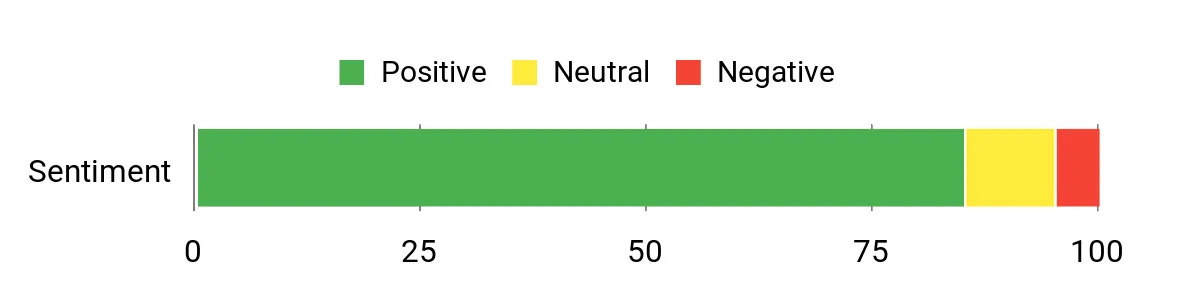
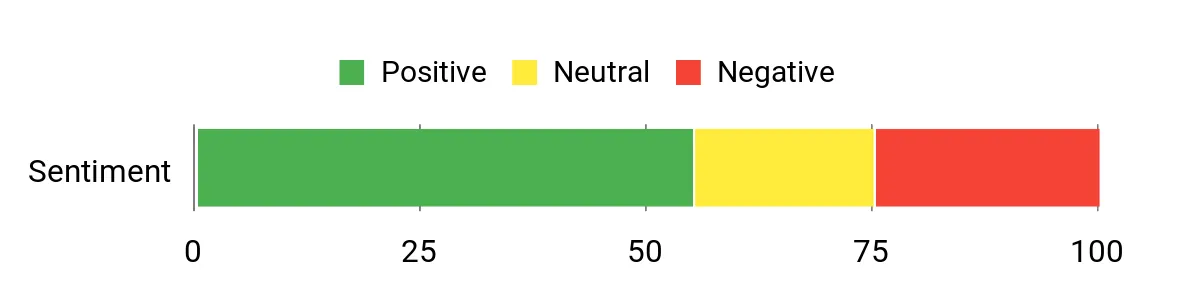
Common feedback themes include easy-to-read controls, straightforward compressor connections, useful drag-cut performance, and cleaner starts on imperfect metal. Air quality and consumable condition remain important. Review sentiment and retailer feedback can change, so check the current product page before buying.
Check Product Details on Amazon
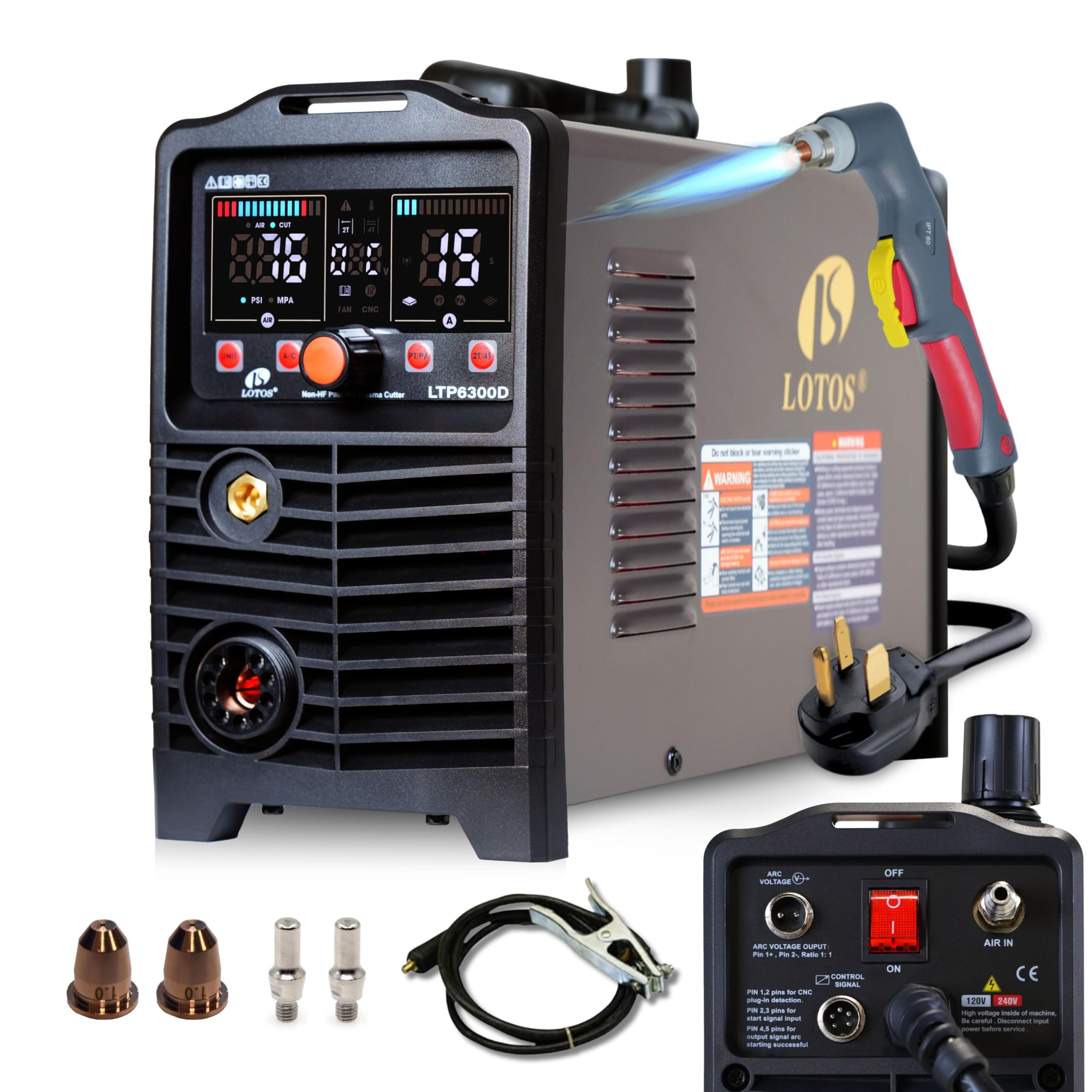
The LTP6300DCNC trades some cutting power for better electrical flexibility. It can operate from 110V to 125V or from 215V to 245V, making it easier to use in home garages, temporary workspaces, and jobsites where a high-voltage outlet is not always available.
Voltage changes its useful capacity. LOTOS lists up to a 3/8-inch clean cut and 1/2-inch severance on 110V, compared with up to a 3/4-inch clean cut and 1-inch severance on 220V. For CNC work, 220V is the better choice whenever the material is more than light sheet or thin plate.
The machine includes THC and Arc OK functions through its CNC interface. It also needs more than 70 PSI at approximately 4 SCFM. A compact compressor may reach the pressure but fail to maintain the airflow, so check its continuous SCFM rating.
- Automatic dual-voltage input suits mixed shop and jobsite use
- Dedicated CNC interface with THC and Arc OK support
- Compact body is easier to move than the heavier high-output options
- Non-HF blowback start reduces interference around table electronics
- Three-year limited manufacturer warranty
Cons
- Output falls to 35A and clean-cut capacity falls to about 3/8 inch on 110V
- Not intended for frequent cutting of thick plate
- Requires more than 70 PSI at about 4 SCFM
- Some specialty or drag-cut consumables may be separate purchases
Who Should Buy It?
This model is a good fit for hobby CNC owners, mobile fabricators, schools, repair shops, and buyers who cannot guarantee access to 220V at every location.
Who Should Avoid It?
Avoid it if thick plate is your normal workload or you expect continuous full-output production. The LTP8050 or an Everlast model provides more capacity for those jobs.
Buyer Feedback Themes
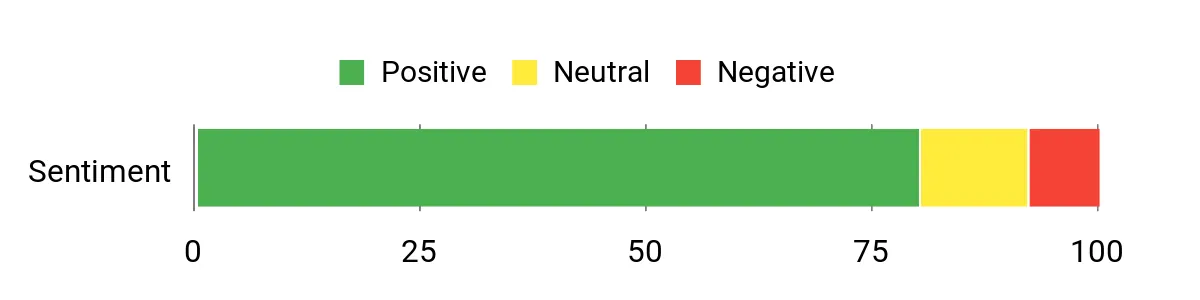
Buyers often mention the readable display, compact size, familiar compressor fitting, and straightforward controls. Some feedback also notes that the manual could provide more detailed CNC wiring guidance. Always confirm the connector pinout before connecting it to a controller.
Check Product Details on Amazon
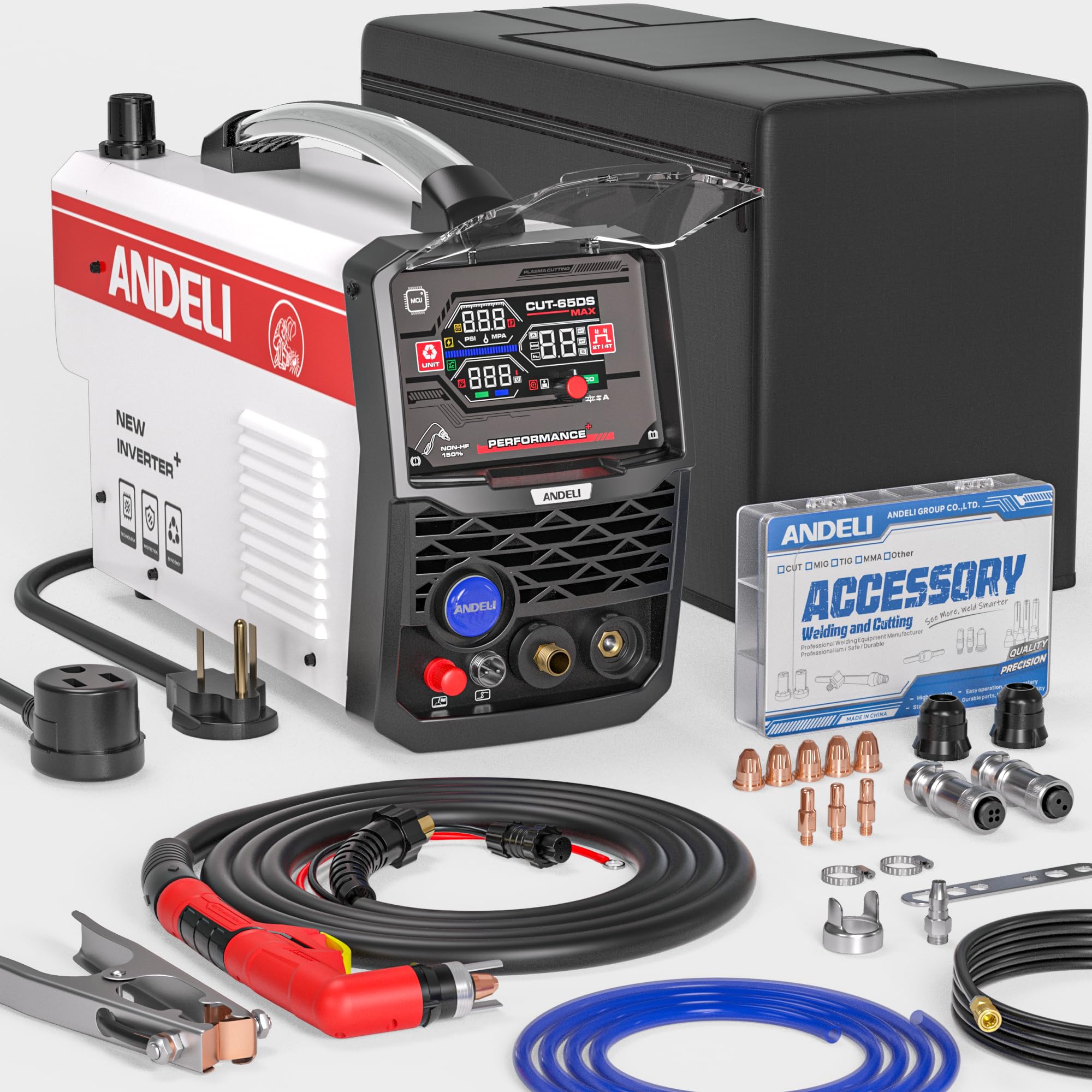
The CUT-65DS is attractive because it combines many controls normally associated with more expensive machines. The large display shows operating information clearly, while the non-HF pilot arc helps it work around CNC controls without the electrical noise associated with an HF-start cutter.
Its duty-cycle numbers need careful reading. At 220V, ANDELI lists 30% duty cycle at 65A, 60% at 55A, and 100% at 45A. ECO mode supports continuous cutting at reduced output, but it does not provide continuous 65A cutting. This distinction matters if you plan to run long nests or repeatedly pierce thicker plate.
The package includes CNC wiring and 2-pin and 4-pin connections. Confirm the exact signal assignments and voltage type before connecting them to your controller. Do not assume every CNC port sends a controller-safe divided-voltage signal.
- Dual-voltage input supports home and shop circuits
- Large display shows current, voltage, and air-pressure information
- CNC connection hardware is included
- 2T/4T and post-flow controls improve hand-cutting convenience
- ECO mode supports continuous work at reduced output
Cons
- Only 30% duty cycle at the full 65A setting on 220V
- Lower-output continuous operation should not be confused with continuous full-power cutting
- Manufacturer support and consumable distribution are less established than LOTOS or Everlast
- Requires an external compressor and careful moisture control
Who Should Buy It?
Choose the ANDELI for DIY tables, metal art, signs, repair work, and low-volume custom jobs where value and control options matter more than continuous maximum-amperage production.
Who Should Avoid It?
Skip it if you need long full-power runs, a deeply documented CNC integration system, or a large domestic service network.
Buyer Feedback Themes
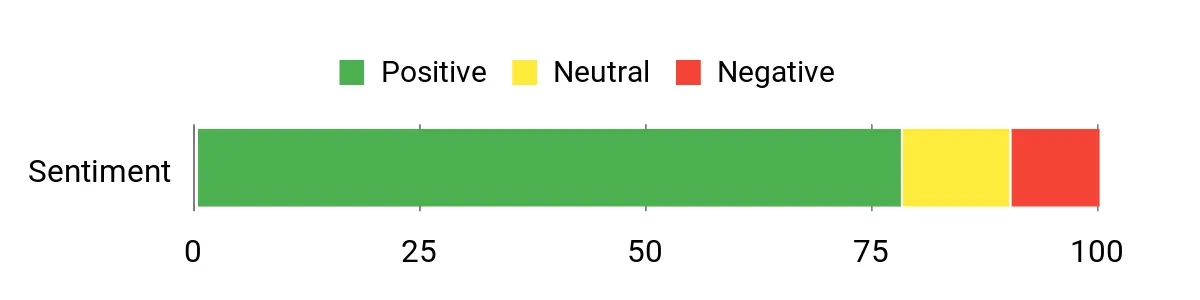
Feedback commonly highlights the large display, included accessories, and value for short cutting jobs. Setup quality depends heavily on dry air, correct wiring, and realistic duty-cycle expectations.
Check Product Details on Amazon
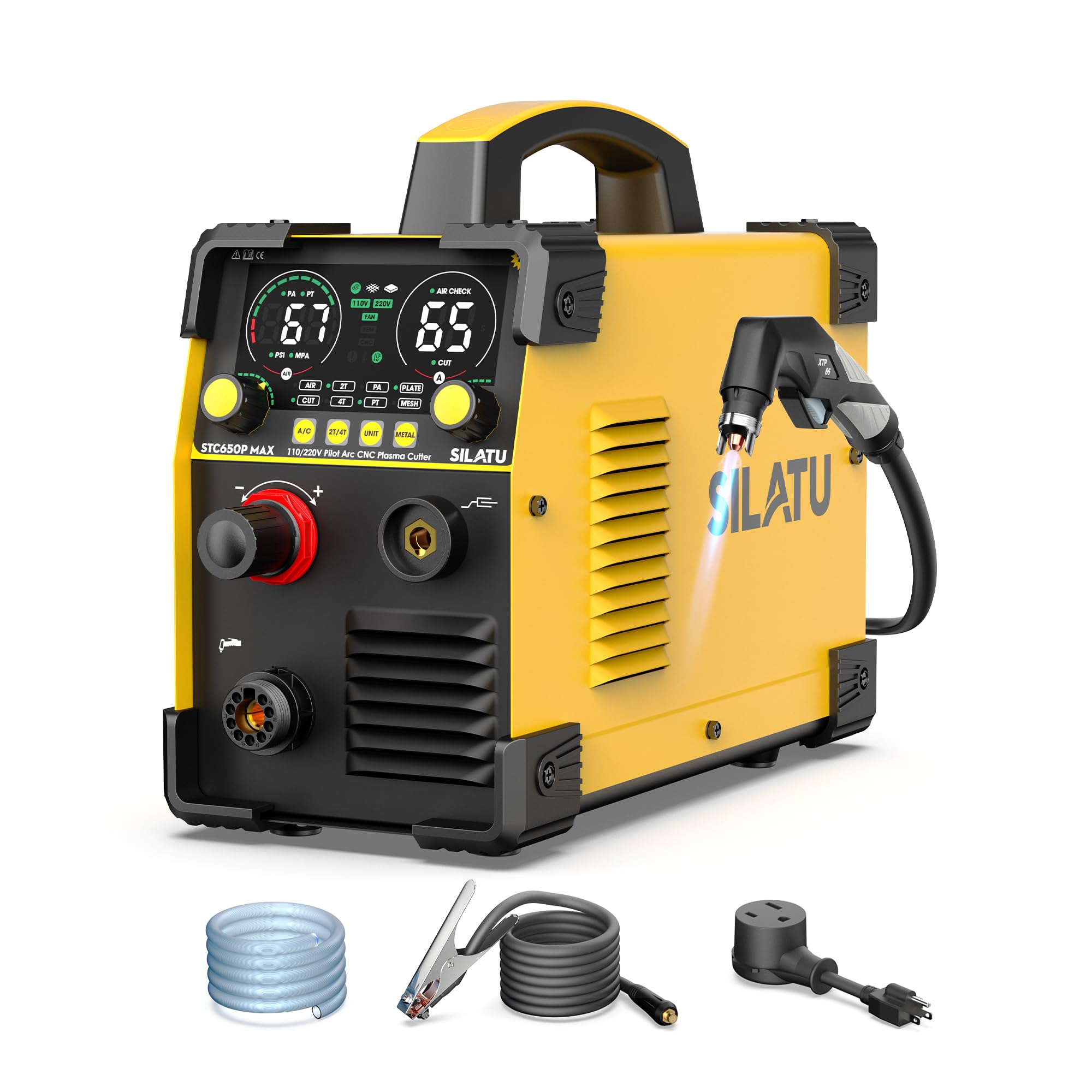
The STC650P MAX is aimed at buyers who want visible operating information and several automatic or assisted functions. Its display can show voltage, current, and air information, while mesh mode helps maintain the arc across gaps in expanded metal.
The model is listed with a 2-pin arc-voltage output and a 5-pin signal-control connection. Those ports make it CNC-capable, but the included hand torch may not be ideal for every gantry mount. A compatible straight machine torch can provide a cleaner permanent installation, so confirm the recommended torch and connector before building a mount.
Manufacturer and retailer descriptions list up to a 14mm clean cut and 20mm maximum cut on 220V. Treat these as best-case figures rather than a recommended everyday CNC pierce thickness.
- Dual-voltage operation adds flexibility
- Readable display helps new users monitor settings
- Non-HF blowback start is suitable for CNC integration
- Mesh mode is useful for expanded metal and interrupted cuts
- Long torch and ground leads make manual setup easier
Cons
- A separate straight machine torch may be preferable for permanent CNC use
- Documentation and quality control may be less consistent than established premium brands
- Maximum-cut figures do not represent routine CNC-piercing capacity
- Buyers should confirm replacement consumables and torch compatibility before ordering
Who Should Buy It?
The SILATU is suitable for first-time plasma-table owners, weekend fabricators, metal-art projects, light repair work, and buyers who value visible setup information.
Who Should Avoid It?
Choose another model if you need a proven production-duty platform, a machine torch included in the box, or extensive manufacturer documentation for controller integration.
Buyer Feedback Themes
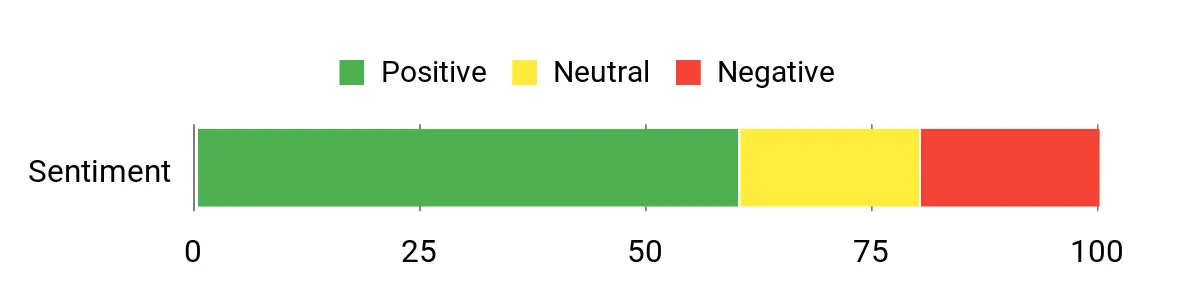
Common feedback themes include good cutting performance for the cost, a useful display, long leads, and easy hand-cutting setup. Some users report documentation or quality-control issues, so inspect the machine, fittings, and internal connections before placing it into regular service.
Check Product Details on Amazon
The PowerPlasma 102i provides the most output in this comparison. Everlast rates it for 100A maximum output with a 60% duty cycle at 100A and a 100% duty cycle at approximately 80A. That makes it better suited to long jobs and thicker material than the smaller hobby-focused machines.
Published capacity figures include up to 1-1/4-inch routine cutting, up to a 1-1/2-inch clean cut, and up to a 1-5/8-inch severance cut under suitable conditions. CNC piercing is more demanding than an edge start, so verify the recommended pierce thickness for your torch, consumables, material, and height-control system.
The 102i also has a serious air requirement. Everlast recommends approximately 7 CFM at 90 PSI and a large compressor tank, along with a separate inline air dryer. Budgeting only for the cutter can leave you with an air system that cannot maintain stable pressure through a long nest.
- 100A maximum output for thicker plate
- 60% duty cycle at full output and continuous operation at reduced output
- Blowback start and CNC interface support automated use
- Adjustable post-flow helps cool the torch and consumables
- Better suited to expansion than a small entry-level cutter
Cons
- Requires a high-capacity electrical circuit
- Approximately 7 CFM at 90 PSI demands a substantial compressor
- A separate air dryer is strongly recommended
- Higher purchase and infrastructure cost than hobby-focused models
- Package contents and machine-torch inclusion should be confirmed before ordering
Who Should Buy It?
The 102i is for established fabrication shops, serious home shops, farm and repair operations, and CNC users who regularly cut thicker mild steel and want room to expand.
Who Should Avoid It?
It is excessive for occasional sheet-metal projects, a small 120V workspace, or a table supported by a compact compressor. The machine’s air and electrical requirements are part of the total cost.
Buyer Feedback Themes
Owners tend to focus on cutting power, stable output, and access to technical support. Proper air drying, circuit sizing, torch setup, and controller wiring are essential to getting the expected performance.
Check Product Details on Amazon
The PowerPlasma 82i CNC package sits between the smaller hobby cutters and the 100A 102i. Its main advantage is not simply amperage. The specific package linked here is described as including a long iPTM-80 machine torch with a Euro quick-connect, which reduces the need to adapt a hand torch to a permanent gantry mount.
Everlast rates the 82i at 80A with a 60% duty cycle at maximum output. Hand-cut and CNC ratings vary because piercing places more stress on the torch than edge starting. For production planning, use the manufacturer’s CNC-piercing and daily-use recommendations rather than the largest advertised severance number.
The digital air-pressure display and adjustable post-flow make setup easier, but the included regulator or water trap is not a full air dryer. Install effective moisture removal to protect the torch and reduce premature consumable wear.
- Dedicated machine torch is better suited to permanent gantry mounting
- 80A output covers more plate work than small 50A to 65A cutters
- CNC socket and non-HF blowback starting support table integration
- Digital pressure information helps identify air-supply problems
- Adjustable post-flow can improve torch cooling
Cons
- Requires 220V to 240V power and a substantial compressor
- A separate inline dryer is still recommended
- CNC-piercing capacity is lower than the largest hand-cut or edge-start rating
- Fine-cut consumable choices may be more limited than specialty industrial systems
- Buyers must confirm that the linked package includes the machine torch
Who Should Buy It?
Choose this package for a fixed CNC table in a serious garage or small fabrication shop where the long machine torch, stronger duty cycle, and serviceable consumable system justify the additional cost.
Who Should Avoid It?
A dual-voltage LOTOS or budget 65A machine may offer better value if you only cut light sheet, move the cutter frequently, or do not yet have a proper 220V circuit and dry-air system.
Buyer Feedback Themes
Feedback often highlights the convenience of the machine torch, quick-connect system, and CNC functions. Other comments focus on careful delivery inspection, package verification, and the importance of responsive parts support.
Check Product Details on Amazon
How to Choose the Right CNC Plasma Cutter
1. Size the Cutter for Routine Work, Not One Maximum Cut
Start with the thickest metal you cut regularly. A manufacturer’s severance rating shows what the cutter may separate slowly under favorable conditions. It does not show the thickness it can pierce cleanly and repeatedly on a CNC table.
For better edge quality and longer consumable life, choose a machine with useful capacity above your normal plate thickness. Running at maximum output for every job increases heat, slows production, and leaves less room for worn consumables, voltage drop, moisture, and imperfect material.
2. Compare Four Different Capacity Numbers
- Recommended or daily-use capacity: The thickness the manufacturer considers practical for regular work.
- Clean-cut capacity: A best-case thickness that can produce an acceptable edge at a slower speed.
- Severance capacity: The maximum thickness the arc may separate, usually with a rougher edge.
- CNC pierce capacity: The thickness the torch can pierce from the surface without an edge start.
CNC-piercing capacity is often the most important figure for an automated table. If a product page lists only severance capacity, ask the manufacturer for a pierce chart before buying.
3. Check the CNC Signals
A CNC-ready label does not guarantee plug-and-play compatibility. Your table may need several separate signals:
- Torch trigger or start signal
- Arc OK or OK-to-move signal
- Divided arc voltage for an automatic torch-height controller
- Raw arc voltage for a controller designed to accept it
- Protective or isolated relay connections
Confirm the connector type, pinout, voltage ratio, polarity, and electrical isolation. Never connect an unknown raw arc-voltage output directly to a motion controller or computer.
4. Prefer Non-HF Starting for CNC
High-frequency start systems can create electrical interference that disrupts motion controllers, USB connections, computers, limit switches, and communication cables. A non-HF blowback or low-frequency start is normally a better choice for a CNC table.
Non-HF starting reduces interference risk, but it does not replace proper grounding, shielded cables, cable separation, surge protection, and correct controller wiring.
5. Decide Between a Hand Torch and Machine Torch
A hand torch can work on a CNC table when it is mounted securely, but its curved handle and trigger assembly may complicate alignment. A straight machine torch normally offers:
- Easier vertical mounting
- Better torch alignment
- Cleaner cable routing
- No need to physically hold or modify a hand trigger
- More consistent consumable height over the workpiece
Check whether the machine torch is included, optional, or unavailable for the specific cutter.
6. Match the Compressor by SCFM
Maximum PSI does not tell you whether a compressor can maintain airflow. A small compressor may reach 90 PSI while idle and then fall behind during a long cut.
Compare the cutter’s required SCFM at the specified PSI with the compressor’s continuous output. Add headroom for hose losses, filters, dryers, regulators, and repeated cuts. Larger cutters such as the Everlast 102i can require substantially more airflow than compact 63A units.
7. Use Clean, Dry Air
Water, oil, and dirt damage electrodes and nozzles, destabilize the arc, widen the kerf, and increase dross. A regulator and basic water trap may not remove fine moisture or vapor. Shops in humid climates should consider a coalescing filter, desiccant dryer, refrigerated dryer, or another system sized for the compressor.
8. Understand Duty Cycle
Duty cycle describes how long a cutter may operate during a ten-minute period at a stated output and ambient temperature. A 60% duty cycle at 80A generally means six minutes of cutting followed by four minutes of cooling under the stated test conditions.
Duty cycle normally improves as amperage decreases. A machine advertised for 100% duty cycle may reach that figure only at reduced output, not at its maximum amperage.
9. Check Consumables Before the Cutter
Confirm the price and availability of:
- Electrodes
- Standard nozzles
- Fine-cut nozzles
- Drag shields
- Retaining caps
- Machine-torch bodies
- O-rings and torch repair parts
A low-cost cutter can become expensive if a proprietary torch has limited parts support.
Use suitable eye and face protection, flame-resistant clothing, gloves, hearing protection, ventilation, and fire prevention. Keep the work area dry and properly grounded. Do not cut sealed tanks, containers, or unknown vessels. Coated, painted, galvanized, or contaminated metals can release hazardous fumes, so identify the material and use effective fume extraction before cutting.
Frequently Asked Questions
Will Any CNC-Compatible Cutter Work With My Table?
No. The cutter and table must agree on trigger wiring, Arc OK signaling, arc-voltage type, voltage division, connector pinout, and grounding. A cutter may be described as CNC-compatible but still require an adapter, relay, voltage divider, machine torch, or controller-specific cable.
Read both manuals before connecting anything. Test the torch trigger and Arc OK functions before enabling automatic height control.
What Air Supply Does a CNC Plasma Cutter Need?
Most small and midrange cutters need approximately 4 to 7 SCFM at around 60 to 90 PSI, but each model is different. Use the manufacturer’s SCFM figure rather than choosing a compressor only by tank size or maximum PSI.
Install effective moisture and oil removal. A basic regulator or water bowl is useful but may not be enough for long CNC runs.
Can I Run a Dual-Voltage Cutter on 120V?
Yes, when the model supports 120V, but output and cutting capacity will drop. The LOTOS LTP6300DCNC, for example, is listed for up to a 3/8-inch clean cut on 110V compared with up to a 3/4-inch clean cut on 220V.
Use 220V or 240V for thicker material, longer cuts, and more reliable CNC production whenever the cutter and shop wiring support it.
What Is the Difference Between Clean Cut and Severance?
A clean-cut rating describes a thickness that can produce a usable edge under suitable conditions. A severance rating is the maximum thickness the arc may separate slowly, usually with more dross, taper, and cleanup.
Neither figure automatically tells you the maximum CNC pierce thickness.
Does Non-HF Start Make a Cutter Safe for CNC Electronics?
Non-HF start reduces the electromagnetic interference associated with a high-frequency ignition system. It is generally the preferred start type for CNC use.
It does not guarantee that every signal is safe to connect directly. You must still verify arc-voltage levels, isolation, grounding, shielding, and the manufacturer’s wiring instructions.
Do I Need a Machine Torch?
Not always. A hand torch can be clamped to a CNC gantry when the mount is stable and the trigger is controlled correctly. A straight machine torch is usually easier to align and route, especially on a permanent table.
The Everlast 82i package linked in this article is described as a CNC package with a machine torch. Other configurations of the same base cutter may include a hand torch instead, so confirm the exact package.
How Can I Extend Consumable Life?
- Supply clean, dry air at the correct pressure and airflow.
- Use the correct nozzle size for the selected amperage.
- Set pierce height and cut height correctly.
- Allow the arc to transfer before moving the torch.
- Avoid piercing material beyond the torch’s recommended capacity.
- Use an edge start on plate that exceeds the safe piercing thickness.
- Set post-flow long enough to cool the torch.
- Replace damaged electrodes and nozzles before they damage other torch parts.
Can These Cut Aluminum and Stainless Steel?
Yes. Air-plasma cutters can cut electrically conductive metals including mild steel, stainless steel, aluminum, copper, and some alloys. Cut appearance, dross, fumes, edge chemistry, and required speed differ by material.
Plasma cutting does not provide the same edge quality or chemistry control as every industrial cutting process, so match the process to the finished part’s requirements.
What Buyers Usually Prioritize
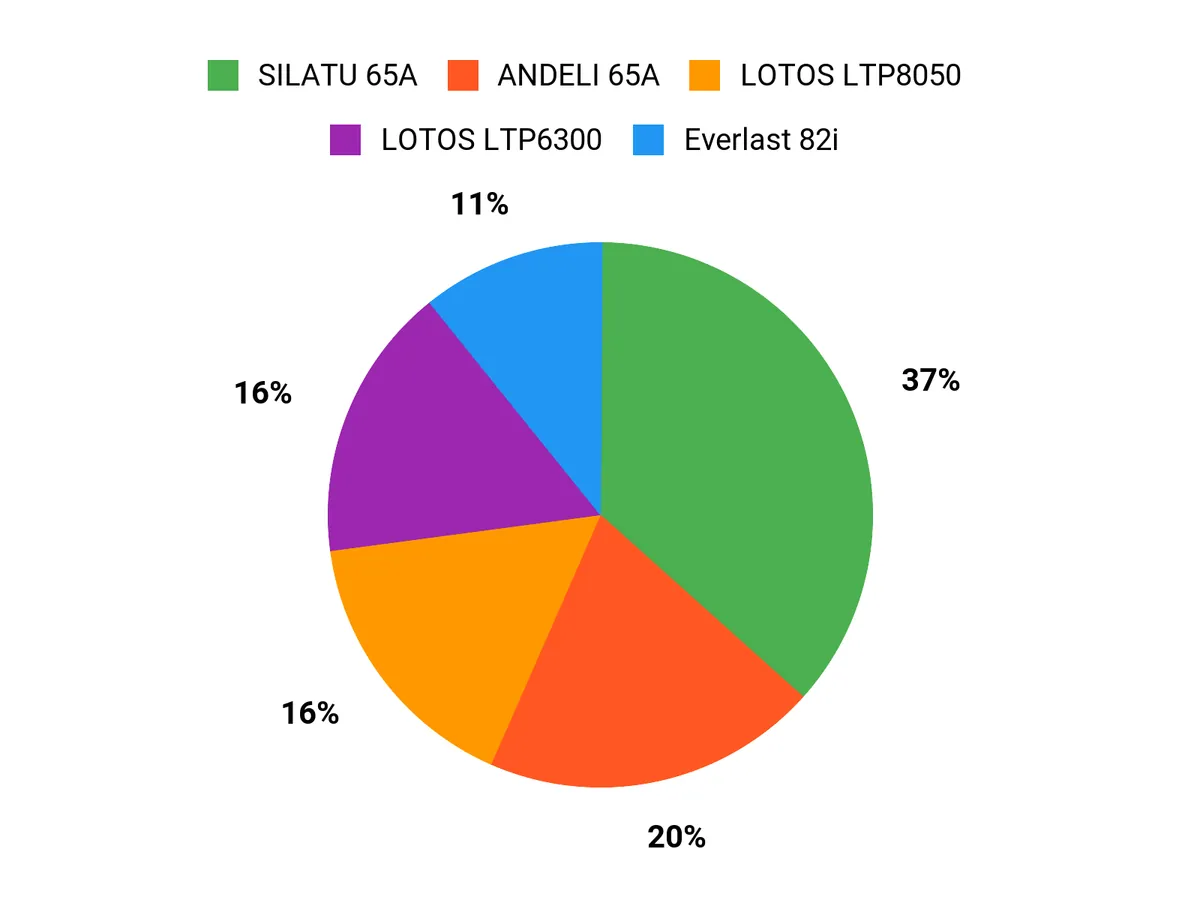
Buyers comparing the LOTOS LTP8050, LOTOS LTP6300DCNC, and ANDELI CUT-65DS usually face a choice between output, portability, and price. The LTP8050 offers more 220V cutting headroom. The LTP6300DCNC is easier to move between power sources. The ANDELI provides more controls per dollar but has a lower full-output duty cycle and a smaller established support network.
The Everlast models make more sense after the table, compressor, power circuit, and workload justify the additional capacity. The 82i CNC package is attractive when a proper machine torch is a priority. The 102i is the better fit when thick plate and long high-output work matter more than portability or initial cost.
Detailed Product Comparison
| Product | Image | Best For | Listed Cutting Capacity | Power |
|---|---|---|---|---|
| LOTOS Apex LTP8050 CNC |
 |
Balanced 80A performance for a small 220V CNC shop | Up to 1.5-inch severance and 1-inch clean cut under suitable conditions | 215V to 245V AC, single phase |
| LOTOS Apex LTP6300DCNC |
 |
Portable CNC and mixed-voltage use | Up to 1-inch severance and 3/4-inch clean cut on 220V | 110V to 125V or 215V to 245V AC |
| ANDELI CUT-65DS |
 |
Feature-focused value and short production runs | Seller lists up to 1-1/16-inch maximum cut on 220V; routine capacity will be lower | 110V or 220V AC |
| SILATU STC650P MAX |
 |
Beginners, light fabrication, and occasional CNC use | Listed at up to 20mm maximum and 14mm clean cut on 220V | 110V or 220V AC |
| Everlast PowerPlasma 102i |
 |
Thicker plate and higher-output shop work | Up to 1-5/8-inch severance and 1-1/2-inch clean cut under suitable conditions | 220V to 240V AC |
| Everlast PowerPlasma 82i CNC Package |
|
A fixed table that benefits from an included machine torch | CNC capacity varies by piercing method; verify the current cut chart for the package | 220V to 240V AC |
Final Recommendation
For most hobby and small-shop CNC tables, the LOTOS LTP8050 is the strongest all-around choice. It provides more output than the portable 63A and 65A options while keeping CNC connections, non-HF starting, and setup relatively approachable.
Choose the LOTOS LTP6300DCNC instead when you need dual-voltage flexibility. Choose the ANDELI or SILATU when initial cost and beginner-friendly controls matter more than full-output duty cycle or established support.
Move to an Everlast model when your workload, compressor, electrical system, and table justify a heavier machine. The PowerPlasma 82i CNC package is the more complete table-focused option, while the 102i offers the greatest output for thicker material.
Before ordering, compare the CNC pinout, arc-voltage type, machine-torch package, compressor requirement, duty cycle, and replacement consumables. Those details will affect daily reliability more than the largest advertised cut number.