Angle grinders can crank up noise levels between 90 and 115 dB(A), which can seriously harm your hearing if you’re not careful. You should always wear proper hearing protection like earmuffs or earplugs with an NRR of at least 25 dB. Make sure to inspect your grinder, operate it at an angle, and maintain a clean workspace. Regular maintenance can also help reduce noise. Stay safe, and you’ll want to check out more tips to protect your hearing effectively.
Understanding Noise Hazards From Angle Grinders
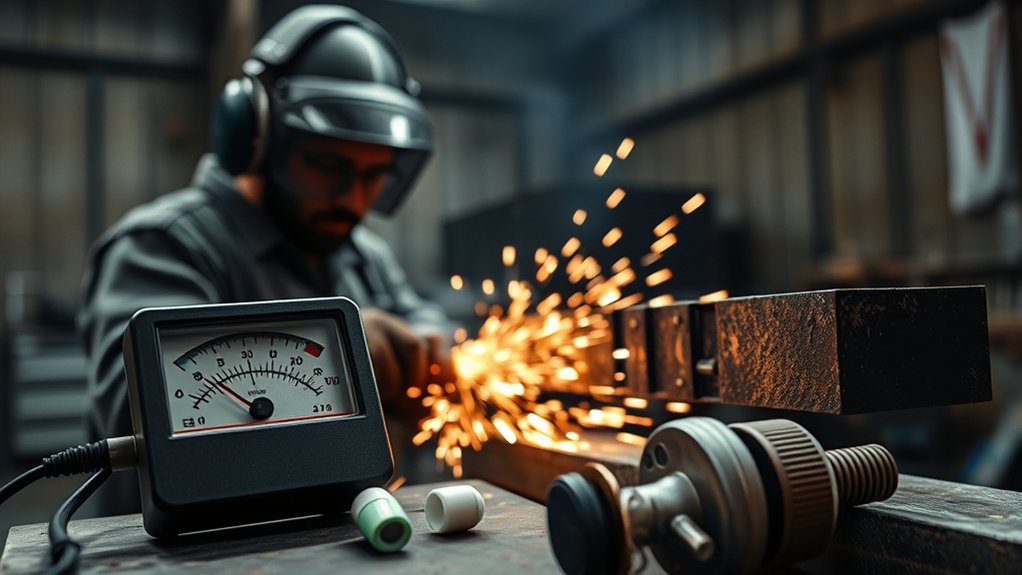
When you use an angle grinder, it’s essential to understand the noise hazards they pose. These tools can produce noise levels between 90 and 115 dB(A), which can lead to temporary or permanent hearing loss without proper precautions. Prolonged noise exposure above 85 dB(A) during an 8-hour shift is regulated, so it’s important to conduct a risk assessment in your work environment.
If multiple grinders are operating, the noise exposure can increase considerably, amplifying the risk of health problems. To combat this, effective control measures are crucial. Using quieter grinding equipment, implementing engineering controls like acoustic enclosures, and providing appropriate personal protective equipment (PPE) such as earmuffs or earplugs can greatly reduce hazards. Additionally, regular maintenance of your grinders guarantees they operate efficiently and minimizes excessive noise. Prioritizing hearing protection not only safeguards your health but also enhances your overall work experience.
Why Is Hearing Protection Essential When Grinding?
Hearing protection is essential during grinding because the noise generated by angle grinders can easily surpass safe levels, reaching up to 115 dB(A). Prolonged exposure to these noise levels can lead to irreversible hearing damage, such as permanent hearing loss and conditions like tinnitus. Employers are required to assess noise exposure and implement hearing conservation programs when levels exceed legal limits, ensuring you’re protected in loud environments.
While regular maintenance of your grinding equipment can help minimize noise, it’s important to remember that some noise can persist even with well-maintained machinery. This is where personal protective equipment (PPE), including earmuffs or earplugs, becomes significant. In settings where multiple machines operate simultaneously, proper hearing protection shields you from auditory risks, allowing you to focus on your work without compromising your long-term hearing health. Prioritize your hearing protection to maintain both your safety and well-being while using angle grinders.
Choosing the Right Hearing Protection for Grinding
When you’re grinding, choosing the right hearing protection is essential for your safety. Look for earmuffs or earplugs with a Noise Reduction Rating of at least 20 dB, and verify they fit comfortably. A proper fit not only enhances protection but also guarantees you can wear them for extended periods without discomfort.
Types of Hearing Protection
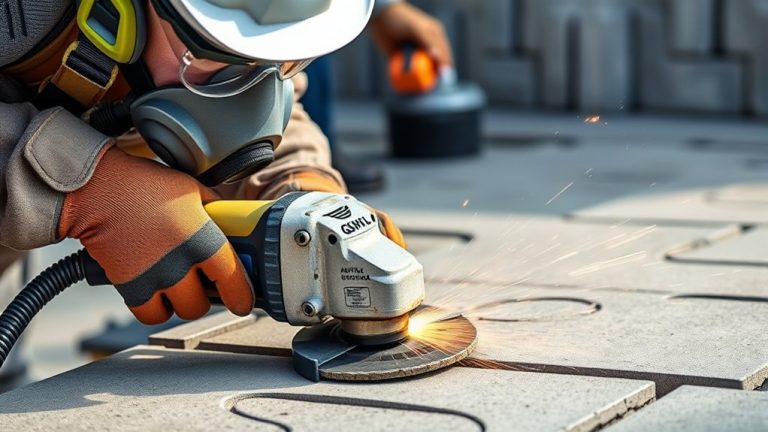
Choosing the right hearing protection for grinding is essential to safeguard your hearing from hazardous noise levels. For angle grinders, consider earmuffs or earplugs with a Noise Reduction Rating (NRR) of at least 25 dB. Earmuffs offer better attenuation and comfort for long wear, while disposable earplugs are a cost-effective option for occasional use. Make certain your hearing protection integrates seamlessly with other Personal Protective Equipment (PPE) like safety glasses or helmets, maintaining both comfort and safety. Regularly inspect and replace your hearing protection to guarantee its effectiveness; worn or damaged devices can fail to reduce noise adequately. By prioritizing proper hearing protection, you minimize your exposure levels and protect your long-term hearing health.
Proper Fit and Comfort
Finding the right fit for your hearing protection can make all the difference in how well it works during grinding tasks. Noise levels from angle grinders can soar up to 115 dB(A), well above safe limits. To guarantee effective noise reduction, choose hearing protection that fits snugly and comfortably. Look for options with a Noise Reduction Rating (NRR) of at least 25 dB to shield against hazardous sounds. Adjustable or padded earmuffs can enhance comfort during extended use, making compliance with safety protocols easier. Regular maintenance is essential; inspect your gear often and replace any worn-out equipment to maintain peak performance. Prioritizing proper fit and comfort not only protects your hearing but also empowers your work experience.
Essential Safety Practices for Angle Grinder Operation
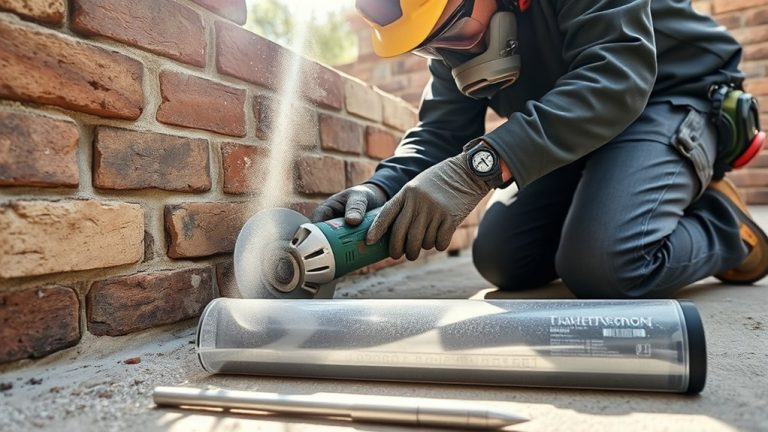
To guarantee your safety while operating an angle grinder, it’s essential to adhere to essential practices that minimize risks. Start by wearing appropriate personal protective equipment (PPE) to shield yourself from hazards associated with noise and flying debris.
Ensure your safety with proper PPE when using an angle grinder to protect against noise and flying debris.
- Always inspect the grinder and its components before use.
- Maintain a clean workspace, keeping flammable materials at bay.
- Operate the grinder at a proper angle of 15 to 30 degrees to reduce kickback and manage noise levels.
Minimizing Noise While Grinding
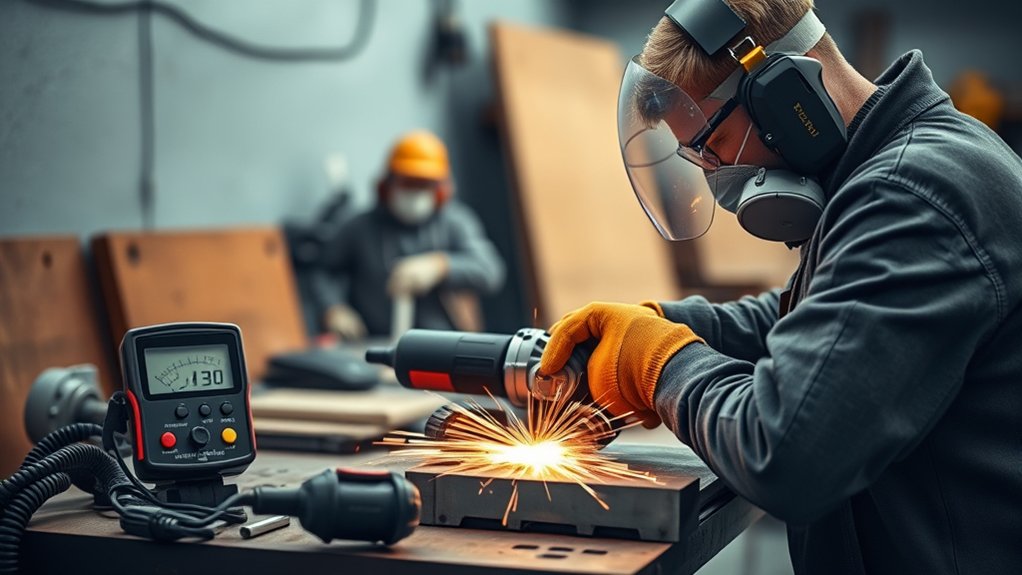
Minimizing noise while grinding is essential for ensuring a safe and comfortable work environment. To effectively reduce sound levels, consider these strategies:
| Strategy | Description | Benefits |
|---|---|---|
| Low-Noise Grinding Discs | Choose discs designed for quieter operation. | Minimize noise in the workplace. |
| Engineering Controls | Use isolation mounts or enclosures to dampen sound. | Protect against exposure to high noise levels. |
| Personal Protective Equipment | Wear earmuffs or earplugs to prevent hearing damage. | Safeguard your hearing during grinding tasks. |
Why Regular Maintenance Matters for Quieter Grinding
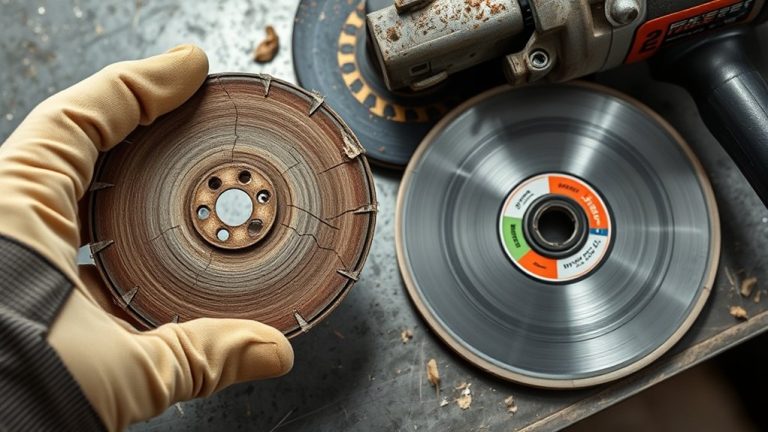
Regular maintenance of your angle grinder boosts tool efficiency and greatly cuts down noise levels. By keeping components like bearings and brushes in top shape, you not only extend your equipment’s lifespan but also create a quieter working environment. A routine check can help catch issues early, ensuring a smoother, safer grinding experience.
Enhanced Tool Efficiency
While you might focus on the immediate results of grinding, neglecting regular maintenance can lead to increased noise levels and reduced efficiency. By prioritizing maintenance, you guarantee enhanced tool efficiency and a safer working environment.
- Sharpened cutting tools for cleaner cuts
- Well-lubricated bearings to minimize friction
- Inspected components to prevent hazardous noise
Keeping your angle grinder in top shape prevents excessive friction and reduces operational noise levels. This not only enhances performance but also limits vibration exposure, lowering your risk of hand-arm vibration syndrome (HAVS). Regular maintenance leads to smoother operation, allowing you to work effectively while enjoying a quieter, more productive workspace. Don’t underestimate the power of routine checks; they can make a significant difference.
2. Reduced Noise Levels
When you prioritize routine maintenance for your angle grinder, you’ll notice a significant reduction in noise levels during operation. Regularly sharpening cutting tools and dressing grinding wheels enhances efficiency and minimizes sound. By replacing worn parts like bearings and brushes, you keep the machine in peak condition, further reducing noise generation. Implementing engineering controls, such as isolation mounts and damped pads, can also help you achieve quieter grinding. Routine checks on grinding discs guarantee they’re properly mounted and undamaged, decreasing vibrations and associated noise. Finally, maintaining a clean work area by removing debris prevents additional noise from unintended interactions. Together, these practices not only protect your ears but also enhance your overall grinding experience.
3. Extended Equipment Lifespan
Maintaining your angle grinder isn’t just about noise reduction; it’s vital for extending the equipment’s lifespan. Regular maintenance guarantees your tools stay sharp, maximizing efficiency and minimizing noise. Here’s what you should focus on:
- Scheduled inspections to catch worn parts early
- Proper lubrication to decrease friction and enhance performance
- Sharpening cutting tools to keep noise levels low
Identifying Symptoms of Noise-Induced Hearing Loss
Noise-induced hearing loss (NIHL) often creeps in unnoticed, making it imperative for you to recognize its symptoms early on. Prolonged exposure to high noise levels, like those from angle grinders, can lead to a gradual decline in your ability to hear high-frequency sounds. You might find it increasingly difficult to understand speech or experience a persistent ringing or buzzing in your ears, known as tinnitus.
Early signs often manifest as a temporary threshold shift, where your hearing worsens briefly after loud exposure. However, if this continues, it could indicate potential permanent damage. The effects of NIHL are cumulative, so it’s essential to monitor your noise exposure and manage it effectively. Regular hearing tests are crucial for anyone frequently in loud environments. Staying vigilant and proactive can help you prevent accidents and safeguard your hearing for the long run.
Creating a Safe and Compliant Work Environment
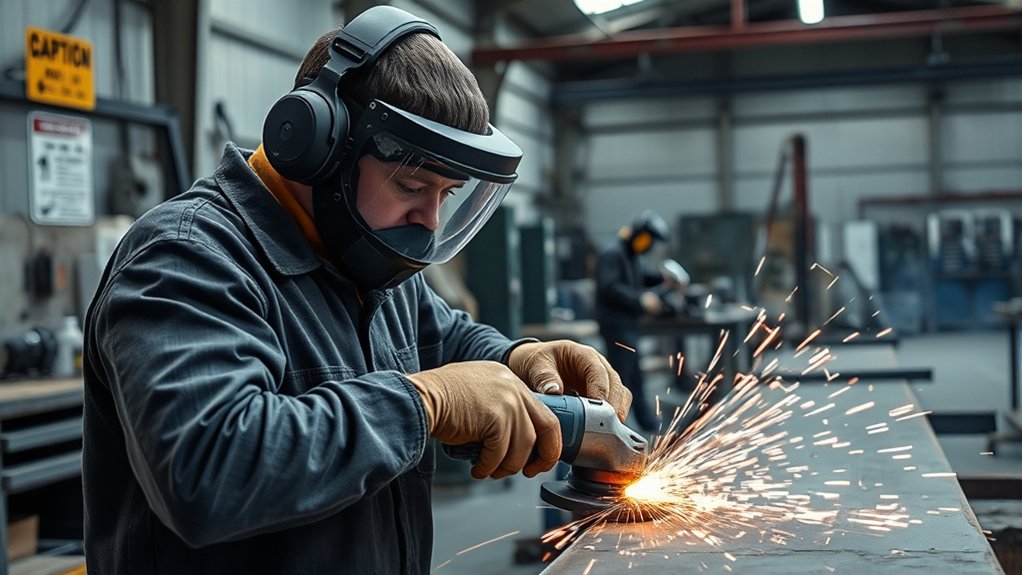
Creating a safe and compliant work environment starts with a proactive approach to noise management. You can greatly reduce noise hazards associated with angle grinders by implementing the STOP principle: Substitution, Technical solutions, and Organizational measures. Regular risk assessments help identify potential dangers and guarantee compliance with OHS regulations, maintaining an 8-hour average noise exposure limit of 85 dB(A).
- Utilize acoustic enclosures to contain noise.
- Rotate employees to limit prolonged exposure.
- Provide thorough training on safety tips and proper use.
Frequently Asked Questions
What Are the Hazards of Using an Angle Grinder?
Using an angle grinder poses risks like injuries from kickback, noise exposure harming your hearing, vibration effects on your hands, and flying debris. Always wear safety gear, guarantee proper training, and maintain your equipment.
How to Use Angle Grinder Safety?
To use an angle grinder safely, wear protective gear, maintain your tool, organize your workspace, and follow proper operation techniques. Consider noise-canceling options, vibration reduction methods, and guarantee user training for emergency response preparedness.
How to Reduce Angle Grinder Noise?
To reduce angle grinder noise, use noise reduction techniques like quiet operation models, install acoustic barriers, utilize soundproofing materials, and guarantee proper equipment maintenance. Don’t forget personal protective equipment for added safety in noisy environments.
What Are 10 Safety Precautions Before Using a Grinding Machine?
Before using a grinding machine, check your tool inspection checklist, wear personal protective equipment, organize your workspace, follow noise reduction techniques, engage in operator training programs, and review emergency procedures for a safe experience.
Conclusion
In the world of angle grinding, the roar of the tool can drown out your awareness, but the real danger lurks beneath the surface. By prioritizing hearing protection and adhering to safety practices, you can safeguard your hearing and guarantee a safer workspace. Remember, neglecting these precautions today could lead to irreversible consequences tomorrow. Will you take the necessary steps to protect yourself, or will you risk becoming another statistic of noise-induced hearing loss? The choice is yours.