Disclosure: As an Amazon Associate, we earn from qualifying purchases. If you click a link on this page and make a purchase, we may receive a small commission at no extra cost to you.
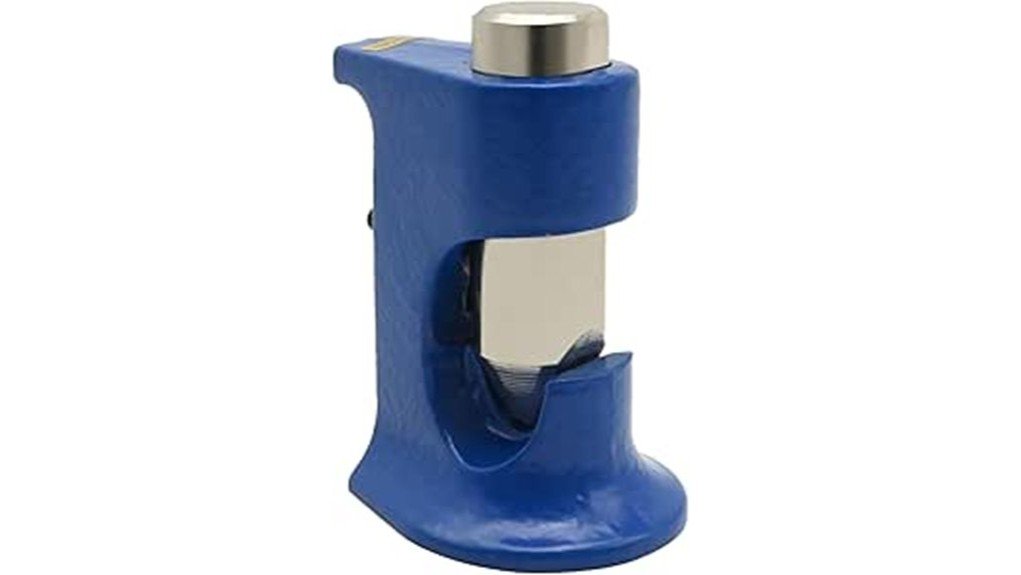
Crimping large battery cables, welding leads, or heavy electrical lugs can get frustrating when a connection slips, crushes unevenly, or feels loose after the job is done. The Anxingo Hammer Lug Crimper Tool is a manual hammer-style crimper made for users who need a simple way to crimp cable lugs across a wide gauge range. The supplied article lists compatibility from 16 AWG to 4/0 AWG, which gives it a broad use range for home repairs, battery cable work, and shop tasks. This review helps you decide where it makes sense, where it has limits, and what to check before you buy.
Quick Verdict
Rating: 8.2/10, Recommended with caveats
Best For: DIY battery cable repairs, welding cable lugs, and occasional heavy-gauge crimping jobs.
Bottom Line: The Anxingo Hammer Lug Crimper Tool is worth considering if you want a simple manual crimper for a wide cable-gauge range. It is not the best fit if you need a hydraulic crimper, certified production-level repeatability, or verified material and warranty details before purchase.
| Specification | Detail |
|---|---|
| Brand | Anxingo |
| Product type | Hammer lug crimper tool |
| Crimping design | Manual hammer-based mechanism |
| Gauge range | 16 AWG to 4/0 AWG, based on the supplied article |
| Holding feature | Spring-loaded piston to help hold the lug during crimping |
| Approximate weight | About 4 pounds, based on the supplied article |
| Best use | Battery cable lugs, welding cables, and heavy metal cable connections |
| Not ideal for | Non-metallic cable work, live electrical work, or jobs that require a hydraulic crimper |
Key Takeaways
- The Anxingo Hammer Lug Crimper Tool uses a manual hammer-style mechanism for crimping cable lugs.
- The supplied article lists a broad supported range from 16 AWG to 4/0 AWG.
- A spring-loaded piston helps hold the lug in place and may reduce slippage during setup.
- It makes the most sense for battery cables, welding cable lugs, and occasional heavy-gauge crimping jobs.
- You should skip it if you need hydraulic pressure, exact production repeatability, or verified warranty and material details before buying.
What Is the Anxingo Hammer Lug Crimper Tool?
The Anxingo Hammer Lug Crimper Tool is a manual tool designed to crimp metal cable lugs by applying force with a hammer. Instead of using hydraulic pressure or a ratcheting handle, it relies on a hammer-based action to press the lug onto the cable. That simple design can appeal to buyers who only need occasional crimping and do not want a larger hydraulic kit.
Its main buyer-facing strength is the listed 16 AWG to 4/0 AWG range. That range covers many small and large cable-lug jobs, from lighter repairs to heavier battery or welding cable work. The spring-loaded piston also gives you a more controlled starting position by helping hold the joint end before you strike the tool.
Who Should Buy It?
Best For
- DIY users crimping battery cable lugs for vehicles, equipment, or backup power setups.
- Welders or shop users who need a compact tool for welding cable ends.
- Buyers who prefer a simple manual crimper over a larger hydraulic crimping kit.
Skip If
- You need a hydraulic crimper for frequent, high-volume, or highly repeatable shop work.
- You are working on non-metallic cable types or household wiring that requires a different tool.
- You need confirmed warranty terms, material specs, or certification details before buying.
Before You Buy: Confirm that your cable size, lug type, and project requirements match the tool before ordering. A hammer lug crimper is not a substitute for the correct connector, safe electrical practices, or professional work where codes and high-current systems matter.
Design and Safety Features
The Anxingo Hammer Lug Crimper Tool has a simple manual layout built around a hammer-driven crimping action. That design can work well when you need a compact tool that does not require batteries, charging, hydraulic fluid, or a large case. It also keeps the process easy to understand: position the lug, line up the cable, and apply force with a hammer on a stable surface.
The spring-loaded piston is the most useful safety-related feature mentioned in the supplied article. It helps hold the joint end in position before and during the first strike, which can reduce slipping when compared with a loose setup. It does not remove the need for eye protection, gloves, careful hand placement, and a steady work surface.
The article also lists the tool at about 4 pounds. That weight can help the tool feel planted during use, but it may be less convenient if you need a lightweight crimper for a mobile tool pouch. For most garage, bench, and truck-box use, the weight is a fair tradeoff for stability.
Operation and Usability
This crimper is built for straightforward operation, which is useful if you only crimp lugs from time to time. You do not need to adjust a hydraulic pump or manage a ratcheting cycle. You place the lug in the crimping area, insert the stripped cable fully, then strike the tool to compress the lug around the conductor.
The main limitation is that your result depends on setup and technique. A hammer-style crimper can make strong connections when the lug, cable gauge, and strike force are correct. It can also produce an uneven crimp if the cable is not fully seated, the lug is the wrong size, or the tool sits on an unstable surface.
Pro Tip: Before crimping the final lug, test your setup on a spare lug and cable end if you have one. It helps you confirm placement, strike force, and cable fit before working on the connection that matters.
Build Quality and Materials
The original article describes the tool as robust, but it does not verify the exact alloy, coating, or manufacturing details. For that reason, you should treat material claims carefully unless the live product listing confirms them. This matters most if you plan to use the crimper in a professional shop or in conditions where corrosion resistance is important.
For occasional garage or field use, the important question is not only what the tool is made from. You also need to consider how it holds the lug, how evenly it compresses, and whether it fits the cable sizes you use most often. The spring-loaded piston and wide gauge range are the clearest article-supported features here.
Versatile Applications
The Anxingo Hammer Lug Crimper Tool fits several practical jobs where metal cable lugs need a firm mechanical connection. Common examples include car battery cable replacement, equipment battery cables, welding cable ends, and general heavy-gauge cable repairs. The listed 16 AWG to 4/0 AWG range gives it flexibility across small and large cable sizes.
It is not the right tool for every electrical task. Do not use it on live circuits, and do not assume it works for non-metallic cable, household Romex-style wiring, or connector types that require a different crimp profile. For code-sensitive electrical work, high-current systems, or safety-critical repairs, follow the product instructions and consider help from a qualified professional.
How It Performs in Real Use
For Battery Cable Repairs
For battery cable lugs, this tool can be a practical option because it supports large cable sizes and does not require a hydraulic setup. It works best when the cable is stripped cleanly, the conductor fits tightly inside the lug, and the lug is seated squarely before crimping. After crimping, you should inspect the connection and check for looseness before putting the cable back into service.
For Welding Cable Ends
Welding cables often use heavier conductors, so the listed 4/0 AWG upper range is useful. A hammer-style tool can help with occasional cable-end repairs in a shop or garage. If you replace welding cable ends often, a hydraulic crimper may offer more consistent results with less physical effort.
For Home Garage Use
For a garage toolkit, the tool’s simple operation is a real advantage. You can store it without worrying about batteries, pumps, or charger compatibility. The tradeoff is that you need a solid work surface and enough clearance to swing a hammer safely.
For Field or Emergency Use
The manual design can also help when you need a crimping option away from a powered workspace. Since it relies on hammer force, you can use it in more places than powered tools. You still need the correct lugs, cable, hammer, and safety gear, so it is not a complete repair kit by itself.
How to Use It Correctly
Start by matching the lug to the cable gauge. Strip only enough insulation to let the conductor seat fully inside the lug barrel. Do not leave loose strands outside the lug, and do not force an oversized cable into a connector that does not match.
Place the crimper on a firm, stable surface before striking it. Keep your hands clear of the impact area, hold the setup steady, and apply force in controlled strikes rather than wild swings. After the crimp, tug the cable lightly, inspect the connection, and use heat shrink or other protection if your project requires it.
Common mistakes include using the wrong lug size, crimping over insulation, striking the tool at an angle, and assuming one hit is always enough. Your finished crimp should feel secure and should match the connector manufacturer’s guidance for that cable type.
Compatibility and Safety
The supplied article describes this crimper for metal cable types such as battery and welding cables. That means you should not treat it as a general-purpose tool for every wire or cable in your home. Non-metallic cable, specialty connectors, and household wiring often require different tools and standards.
Always disconnect power before working on electrical cables. For vehicle battery work, remove the battery connection safely before cutting, stripping, or crimping. Wear eye protection because hammering metal parts can create chips, sharp edges, or unexpected movement.
Warranty details were not clearly verified from the supplied article. If warranty coverage matters to you, check the live Amazon listing and seller information before purchase. That is especially important if you plan to use the tool for business, frequent repairs, or high-load connections.
Pros and Cons
Pros
- Wide article-stated gauge range from 16 AWG to 4/0 AWG.
- Manual hammer-style design requires no battery, charger, or hydraulic pump.
- Spring-loaded piston helps hold the lug during setup.
- Useful for battery cables, welding leads, and heavy metal cable lugs.
- Compact enough for garage, shop, truck-box, or occasional field use.
Cons
- Crimp quality depends on correct lug size, cable prep, and hammer technique.
- Not ideal for frequent production work where hydraulic crimping may be more consistent.
- Material, certification, and warranty details were not verified in the supplied article.
Is It Worth the Price?
The Anxingo Hammer Lug Crimper Tool is best viewed as a practical manual crimper for occasional and moderate use. It can be a smart buy for everyday garage work if you need to crimp battery cable lugs or welding cable ends without investing in a larger hydraulic kit.
You get the most value from it if you need the wide 16 AWG to 4/0 AWG range and only crimp lugs as needed. It is not the best fit if you want the speed, repeatability, and lower effort of a hydraulic crimper for frequent shop work.
How It Compares to Alternatives
Compared with hydraulic lug crimpers, the Anxingo tool is simpler and easier to store, but it requires hammer force and more user technique. A hydraulic crimper may be better if you crimp large cables often or need more repeatable pressure from job to job.
Compared with ratcheting crimpers, this hammer-style tool is better suited to heavier cable-lug work rather than small insulated terminals. Bench crimpers can offer more stability, but they take up more space and make less sense for occasional mobile use. The Anxingo option makes the most sense if you want a compact manual tool for heavy cable lugs.
Frequently Asked Questions
What cable sizes does the Anxingo Hammer Lug Crimper Tool support?
The supplied article lists support from 16 AWG to 4/0 AWG. Before buying, match that range to your cable and lug sizes because the correct connector fit matters as much as the crimper itself.
Can you use it for battery cable lugs?
Yes, battery cable lug work is one of the most practical use cases for this tool. Make sure the battery is disconnected, the lug fits the cable gauge, and the finished crimp feels secure before use.
Is it suitable for welding cables?
The article supports use with welding cable applications, especially because the listed gauge range reaches 4/0 AWG. For frequent welding cable repair, compare it with a hydraulic crimper for more consistent pressure and less physical effort.
Can it be used for non-metallic cables?
No. The supplied article describes it for metal cable types such as battery and welding cables. Use the correct tool for non-metallic cable, household wiring, or specialty connectors.
Does the spring-loaded piston make it safer?
The spring-loaded piston helps hold the lug in position and may reduce setup slippage. It does not replace safe hand placement, eye protection, a stable work surface, or proper electrical precautions.
How much does the tool weigh?
The supplied article lists the tool at approximately 4 pounds. That weight can help with stability during use, but it may feel heavier than small handheld crimpers.
Who should skip this hammer lug crimper?
Skip it if you need hydraulic pressure, production-level repeatability, or verified certification and warranty details before buying. It is also not the right choice for live electrical work or non-metallic cable applications.
What common mistakes should you avoid?
Avoid using the wrong lug size, crimping over insulation, striking the tool at an angle, or working on connected electrical cables. Always match the lug, cable, and crimping method before putting the connection into service.
The Bottom Line
The Anxingo Hammer Lug Crimper Tool is a solid choice if you need a simple manual crimper for battery cables, welding leads, and heavy metal cable lugs across the article-stated 16 AWG to 4/0 AWG range. Its biggest strengths are its broad compatibility and spring-loaded holding design, while its main limits are technique-dependent results and unverified material, certification, and warranty details.
Buy it if you want a compact hammer-style crimper for occasional or moderate use. Skip it if you need hydraulic consistency, frequent production use, or a tool for non-metallic cable work.