Disclosure: As an Amazon Associate, we earn from qualifying purchases. If you click a link on this page and make a purchase, we may receive a small commission at no extra cost to you.
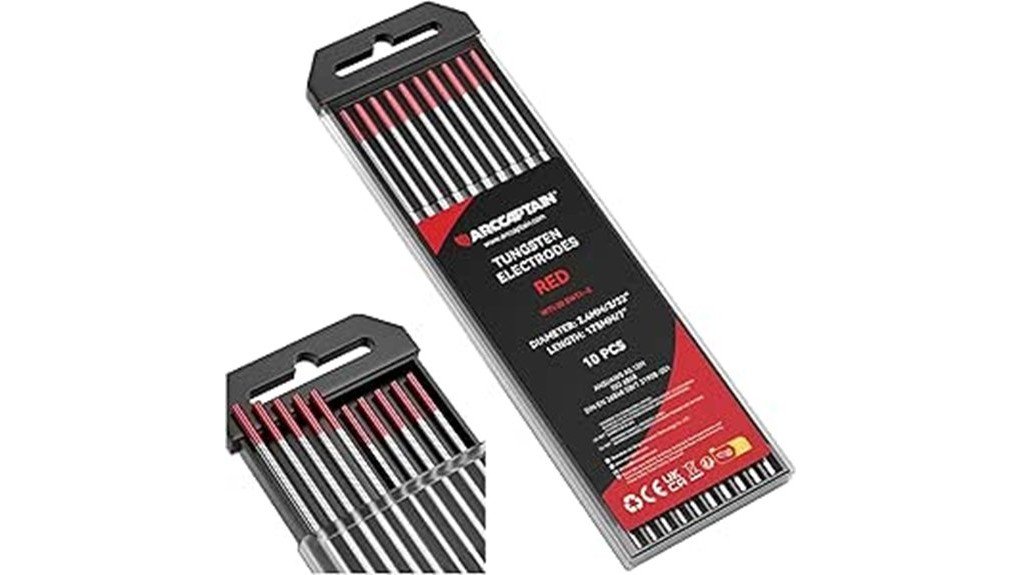
Choosing TIG tungsten electrodes is not just about grabbing the right diameter. You need an electrode that fits your torch setup, holds a stable arc, and stores well between jobs. The ARCCAPTAIN TIG Welding Tungsten Electrode is a 3/32 in x 7 in option made for welders who want reliable arc starts and broad material compatibility. This review helps you decide if it fits your stainless steel, copper alloy, nickel alloy, titanium alloy, or aluminum welding needs, while also pointing out where you should double-check compatibility before you buy.
Quick Verdict
Rating: 8.6/10
Best For: TIG welders who need 3/32 in tungsten electrodes for higher-amperage work and mixed alloy projects.
Bottom Line: The ARCCAPTAIN TIG Welding Tungsten Electrode is a strong choice if you want a stable, conductive electrode with vacuum packaging for storage. The main tradeoff is that you still need to confirm the exact electrode type, torch collet size, and machine settings for your base metal before use.
| Specification | Detail |
|---|---|
| Brand | ARCCAPTAIN |
| Product type | TIG welding tungsten electrodes |
| Size | 3/32 in x 7 in |
| Material | Tungsten electrode material |
| Packaging | Vacuum-sealed packaging to help reduce oxidation during storage |
| Supported use cases | TIG welding tasks involving stainless steel, copper alloys, nickel alloys, titanium alloys, and aluminum when your machine settings match the job |
| Noted performance traits | Thermal shock resistance, electrical conductivity, quick arc striking, and low burn-off when used correctly |
| Buying note | Confirm current package count, electrode classification, and seller terms on the Amazon listing before purchase |
Key Takeaways
- The 3/32 in x 7 in size is useful when you need a larger tungsten electrode for higher-amperage TIG work.
- ARCCAPTAIN highlights thermal shock resistance and electrical conductivity, both of which matter for arc starting and arc stability.
- The vacuum-sealed packaging is helpful if you keep spare electrodes in a drawer, toolbox, or shop cabinet between projects.
- This electrode can suit several metals, but your TIG machine, torch parts, shielding gas, and settings still control the final result.
- Check the current Amazon listing before buying because package quantity, seller terms, and exact electrode classification can change.
What Is the ARCCAPTAIN TIG Welding Tungsten Electrode?
The ARCCAPTAIN TIG Welding Tungsten Electrode is a 3/32 in x 7 in tungsten electrode for TIG welding setups. It is designed for welders who want a stable arc, good conductivity, and a size that can handle more demanding work than very thin electrodes.
Its main appeal is versatility. It is described for use with stainless steel, copper alloys, nickel alloys, titanium alloys, and aluminum. That makes it more useful for a mixed shop than a narrow-use consumable, as long as you match the electrode with the right collet, cup setup, polarity, amperage range, and metal preparation.
The vacuum-sealed packaging is also practical. Tungsten electrodes can sit unused for long periods, but clean storage helps protect the electrode surface from dirt, moisture, and oxidation before the first grind or arc start.
Who Should Buy It?
Best For
- Welders who already use 3/32 in tungsten electrodes in their TIG torch.
- Shop users who work across stainless steel, copper alloys, nickel alloys, titanium alloys, or aluminum.
- Beginners and experienced welders who want vacuum-packed spare electrodes for organized storage.
Skip If
- Your torch, collet, or gas lens setup does not accept 3/32 in tungsten.
- You need a confirmed electrode classification before purchase and the current listing does not show it clearly.
- You want a ready-made fix for poor weld quality caused by dirty base metal, wrong gas flow, or incorrect machine settings.
Before You Buy: Do not buy by diameter alone. Confirm that 3/32 in x 7 in electrodes fit your torch hardware and that the electrode type shown on the current listing matches the metal and welding process you plan to use.
Performance and Arc Behavior
The strongest selling points are thermal shock resistance and electrical conductivity. In real TIG work, those traits matter because the electrode must handle rapid heat changes while carrying current through the arc. A more stable electrode helps you focus on puddle control instead of fighting hard starts or erratic arc behavior.
The 3/32 in size is also useful for welders who run heavier amperage than they would with very small tungsten. It gives you more electrode mass, which can help during thicker material work when the electrode is prepared correctly and the machine is set within a suitable range.
That said, the electrode alone cannot guarantee clean welds. Arc quality still depends on how you grind the tip, how clean the base metal is, how steady your shielding gas coverage is, and whether your TIG machine settings match the material.
Applications and Compatibility
The article-supported material list is broad: stainless steel, copper alloys, nickel alloys, titanium alloys, aluminum, and other welding tasks that call for a compatible TIG tungsten. This range is useful if you repair different parts, switch between metals, or keep one electrode size on hand for several shop jobs.
For stainless steel and many DC TIG tasks, a clean and consistent tungsten point helps with arc focus. For aluminum, you should be more careful because aluminum welding often depends heavily on the correct machine mode, polarity, balance settings, surface cleaning, and tungsten preparation. Use the electrode only within the settings recommended by your TIG machine and welding procedure.
Beginners may appreciate that the electrode is not limited to one narrow project. Experienced welders may care more about the low burn-off claim, storage packaging, and repeatable arc starts. In both cases, correct setup matters more than marketing language.
Build Quality and Packaging
ARCCAPTAIN packages these electrodes in a vacuum-sealed format. That is useful because tungsten electrodes work best when they stay clean and dry before use. If you store consumables near grinders, metal dust, humidity, or welding spatter, sealed packaging can help protect unused electrodes until you need them.
The electrodes are also described as manufactured to precise specifications. For you, that matters because diameter consistency helps the electrode seat properly in a matching collet. A poor fit can cause slipping, weak electrical contact, or inconsistent arc behavior.
Packaging is not a replacement for good shop habits. After opening the pack, keep unused electrodes in a clean tube or labeled case so they do not rub against filler rods, grinding dust, or oily tools.
How It Performs in Real Use
For Daily Shop Repairs
For routine TIG work, the 3/32 in size gives you a practical middle ground for many projects. It is not as delicate as a thinner electrode, and it can be easier to manage when the workpiece needs more heat. You still need to grind the point cleanly and keep the electrode free from contamination.
For Stainless Steel and Alloy Work
Stainless steel, copper alloys, nickel alloys, and titanium alloys all reward clean preparation and steady shielding gas. The electrode can support these jobs, but it will not make up for oil, oxide, poor fit-up, or weak gas coverage. If the arc starts wandering, check the tip shape and contamination before blaming the electrode.
For Aluminum or Thicker Material
The original article notes use on thick aluminum and high-current work. This is where 3/32 in tungsten can make sense, but aluminum welding is setup-sensitive. Confirm your TIG machine mode, polarity, tungsten preparation, and amperage range before starting, especially if you are moving from steel to aluminum.
For Long-Term Storage
The vacuum packaging is helpful if you do not use electrodes every day. It keeps unused electrodes organized and protected before opening. Once opened, store the remaining pieces in a dry container and label them so you do not mix electrode types later.
Setup Tips Before First Use
Start by confirming that your torch uses a 3/32 in collet or compatible gas lens hardware. A correct mechanical fit helps the electrode stay centered and improves electrical contact. If the electrode slips or sits off-center, stop and check the consumables before striking an arc.
Prepare the tip with a clean grinding wheel or dedicated tungsten grinder when possible. Grind lengthwise with the electrode, not around it, to help guide the arc. If you dip the tungsten into the weld pool, stop and regrind it instead of continuing with a contaminated tip.
Pro Tip: Keep a small labeled tube for opened electrodes. Separate clean tungsten from used or contaminated tungsten so you do not waste time troubleshooting arc problems caused by storage mix-ups.
Compatibility and Safety Notes
Use these electrodes only with TIG welding equipment and torch parts that match the electrode diameter. Wear proper welding PPE, protect your eyes and skin, and follow your TIG welder manual for amperage, polarity, gas flow, and duty cycle. If you are working on critical structural parts, pressure parts, or safety-related repairs, follow a qualified welding procedure.
When you grind tungsten, avoid breathing dust and keep the grinding area controlled. The exact electrode classification should be checked on the current product listing or package before use, especially if your shop has rules about electrode alloy type. Do not assume that any tungsten electrode is suitable for every metal, machine, or code-required job.
Pros and Cons
Pros
- 3/32 in x 7 in size works well for many higher-amperage TIG setups.
- Thermal shock resistance supports faster arc starts and steadier use when prepared correctly.
- Good electrical conductivity helps maintain a reliable arc during TIG welding.
- Vacuum packaging helps protect unused electrodes from oxidation before opening.
- Useful across several metals when your machine setup and welding procedure are correct.
Cons
- Not ideal if your torch uses a different tungsten diameter.
- Exact electrode classification and package details should be confirmed on the current listing.
- Will not fix weld problems caused by contamination, poor gas coverage, or incorrect settings.
Is It Worth the Price?
The ARCCAPTAIN TIG Welding Tungsten Electrode looks like a strong value for the price if you need 3/32 in TIG tungsten for regular shop work. Its value comes from the combination of broad material use, vacuum packaging, thermal shock resistance, and electrical conductivity.
It is worth considering if you want spare electrodes for stainless steel, alloy work, and higher-amperage TIG projects. It is not the best fit if you need a different diameter or if your work requires a verified electrode classification before purchase.
For occasional hobby use, the biggest benefit is convenience. For frequent shop use, the bigger benefit is having clean, consistent electrodes ready when you need them.
How It Compares to Alternatives
Compared with generic tungsten electrodes, the ARCCAPTAIN option puts more emphasis on vacuum packaging, thermal shock resistance, and conductivity. That makes it more appealing if you care about storage and repeatable arc starts.
If you need a specific tungsten type such as pure tungsten, ceriated tungsten, lanthanated tungsten, or thoriated tungsten, compare the current ARCCAPTAIN listing with those labeled alternatives before buying. The ARCCAPTAIN electrode makes the most sense when its diameter and classification match your welding setup.
Frequently Asked Questions
What size are the ARCCAPTAIN TIG Welding Tungsten Electrodes?
The reviewed size is 3/32 in x 7 in. Before buying, check that your TIG torch, collet, and gas lens setup accept 3/32 in tungsten.
Can you use these electrodes with any TIG welder?
They are intended for TIG welding, but compatibility depends on your torch hardware and machine setup. Confirm the 3/32 in diameter, electrode classification, polarity, and material settings before use.
What metals can these tungsten electrodes be used on?
It is described for use with stainless steel, copper alloys, nickel alloys, titanium alloys, and aluminum. Your results will still depend on the right shielding gas, machine settings, surface prep, and filler metal choice.
Can you reuse a tungsten electrode after welding?
Yes, tungsten electrodes can often be reused if enough length remains and the tip can be cleaned or reground. If the electrode is badly contaminated, cracked, or too short to hold safely, replace it.
Why does vacuum packaging matter?
Vacuum packaging helps protect unused electrodes from oxidation and shop contamination before opening. After opening the package, store the remaining electrodes in a clean, dry, labeled container.
Do these electrodes come with a warranty?
Warranty and return support can depend on the seller and the current Amazon listing. Check the product page before purchase if warranty coverage matters for your shop.
Who should skip this ARCCAPTAIN tungsten electrode?
Skip it if your torch does not accept 3/32 in tungsten or if your job requires a specific electrode classification that is not clearly shown on the current package or listing. You should also skip it if you need a consumable certified for code-required work and cannot verify the required details.
The Bottom Line
The ARCCAPTAIN TIG Welding Tungsten Electrode is recommended with caveats for welders who need 3/32 in x 7 in tungsten electrodes and want good arc behavior, conductivity, and protected storage. It is a weaker fit if you cannot confirm torch compatibility or need a specific electrode classification for a regulated welding procedure.
For general TIG shop use, it is worth considering as long as you verify the current listing details before ordering.