Disclosure: As an Amazon Associate, we earn from qualifying purchases. If you click a link on this page and make a purchase, we may receive a small commission at no extra cost to you.
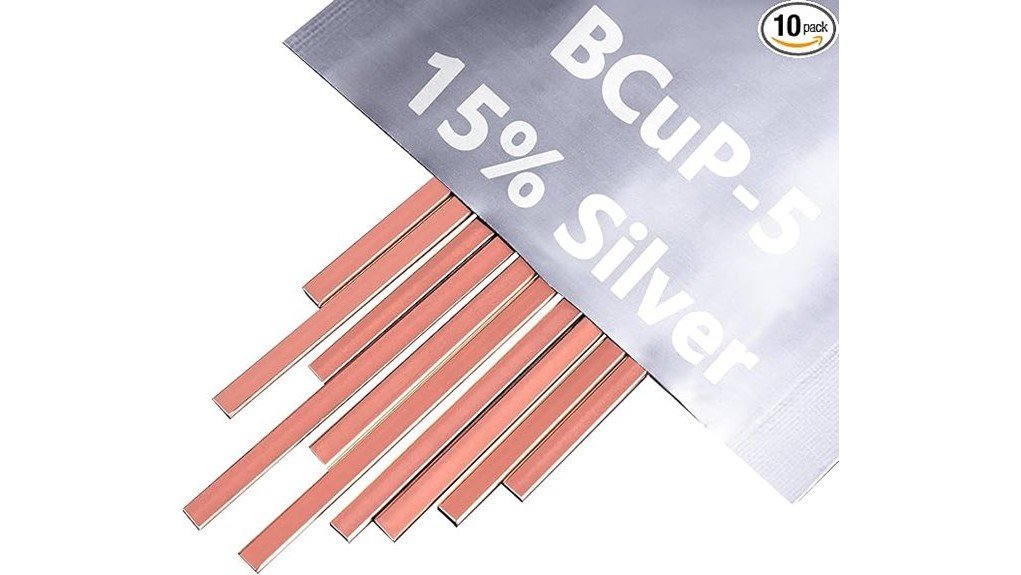
Choosing brazing rods for HVAC copper work is not just about finding a filler that melts. You need a rod that matches the base metal, flows into tight joints, and does not create avoidable compatibility problems. The Anterrific BCuP-5 Copper Brazing Rods are 10-inch flat, 15% silver phos-copper rods made for copper brazing in HVAC, air conditioning, refrigeration, and related repair work. This review explains where they make sense, where they need extra care, and when you should choose a different filler.
Quick Verdict
Rating: 8.5/10, Recommended with caveats
Best For: HVAC techs, refrigeration repair users, and experienced DIYers brazing clean copper-to-copper joints.
Bottom Line: These rods are a strong fit when you need a 15% silver BCuP-5 filler for copper tubing, fittings, and service repairs. They are not a universal rod, so you should avoid using them on ferrous metals, nickel-containing alloys, aluminum, or unknown mixed-metal joints without professional filler guidance.
| Specification | Detail |
|---|---|
| Brand | Anterrific |
| Product name | BCuP-5 Copper Brazing Rods |
| Item model number | BCuP-5 Copper Brazing Rods |
| Part number | amzn.gr.BCuP-5_Copper_Brazing_-DfQi_x-LN |
| Product type | Copper-phosphorus-silver brazing rods |
| Alloy designation | BCuP-5 |
| Material | BCuP-5, 15% silver phos-copper alloy |
| Silver content | 14-16% |
| Phosphorus content | 4.8-5.2% |
| Copper content | Balance of alloy |
| Rod size | 10 inch |
| Product dimensions | 9.84 x 0.13 x 0.05 inches |
| Item weight | 3.2 ounces |
| Color | Copper |
| Package quantity | 10 brazing rods |
| Included components | 10 brazing rods, aluminum foil vacuum packaging, and box |
| Solidus temperature | 1193°F (645°C) |
| Liquidus temperature | 1472°F (800°C) |
| Fluidity rating | 3 |
| Recommended joint clearance | 0.001-0.003 in |
| Best use | HVAC, air conditioning, refrigeration, freezer, compressor, motor, and copper tubing brazing work |
| Flux note | Self-fluxing for clean copper-to-copper joints. Use the correct flux and filler guidance for copper alloys or dissimilar metals. |
Key Takeaways
- Anterrific BCuP-5 Copper Brazing Rods come as a 10-stick set of 10-inch flat brazing rods.
- The alloy uses 14-16% silver, 4.8-5.2% phosphorus, and copper as the balance.
- The rods are self-fluxing only on clean copper-to-copper joints, not on every metal.
- The listed solidus is 1193°F and the listed liquidus is 1472°F, so these rods require high-heat brazing equipment.
- The tight 0.001-0.003 in recommended clearance makes surface prep and fit-up important.
- They make the most sense for HVAC and refrigeration copper work where flow, wetting, and joint reliability matter.
What Is the Anterrific BCuP-5 Copper Brazing Rod?
The Anterrific BCuP-5 Copper Brazing Rod is a copper-phosphorus-silver filler rod made for brazing copper and compatible copper-based materials. The product listing identifies it as a 10-stick set of 10-inch flat rods with a BCuP-5, 15% silver phos-copper material blend.
Its main appeal is the balance of silver, phosphorus, and copper. The 14-16% silver content helps wetting and flow, while the phosphorus supports self-fluxing behavior on clean copper-to-copper joints. That makes the rods practical for HVAC copper tubing, refrigeration service, air conditioner repair, and similar copper assemblies.
This is not a low-temperature solder or a universal repair rod. You still need clean metal, proper joint clearance, safe torch control, and the right filler choice for the base metals involved.
Before You Buy: BCuP-5 is mainly a copper brazing filler. Do not use it as a default choice for steel, stainless steel, aluminum, nickel alloys, or unknown mixed metals. Phosphorus-bearing copper alloys can create brittle joints on ferrous or nickel-containing materials, so confirm the correct filler before heating the joint.
Who Should Buy It?
Best For
- HVAC and refrigeration users working on clean copper-to-copper joints.
- Repair shops that want 10 compact 10-inch rods for copper tubing and fittings.
- Experienced DIYers who already understand torch brazing, surface prep, and pressure-system safety.
Skip If
- You need a filler for aluminum, steel, stainless steel, or nickel alloy work.
- You want a beginner craft solder rather than a high-temperature brazing filler.
- You cannot clean, fit, heat, and test the joint correctly after brazing.
Alloy Composition and Melting Range
The strongest buying point is the BCuP-5 alloy composition. The article-supported formula lists 14-16% silver, 4.8-5.2% phosphorus, and copper as the balance. In practical terms, the silver content helps the filler wet copper and flow into small joint gaps better than many lower-silver phosphorus-copper rods.
The rods list a solidus temperature of 1193°F and a liquidus temperature of 1472°F. The solidus point is where the alloy begins to melt, while the liquidus point is where it becomes fully liquid. This range matters because you need enough heat to draw the filler through the joint without overheating nearby tubing, valves, insulation, or heat-sensitive parts.
The listed fluidity rating of 3 suggests a controlled flow rather than a filler that instantly runs everywhere. That can help when you need a clean fillet around a copper tube or fitting, but it also means your heat placement and joint clearance still matter.
Rod Size, Package, and Storage
The Anterrific set includes 10 flat brazing rods. Each rod is listed as 10 inches long, and the product dimensions are 9.84 x 0.13 x 0.05 inches. The item weight is listed at 3.2 ounces, so this is a small service-pack size rather than a bulk shop box.
The included components list 10 brazing rods, aluminum foil vacuum packaging, and a box. The packaging is useful because copper and silver-bearing filler rods should stay dry and clean. Moisture, dust, oil, and shop grime can make future brazing less predictable.
For a technician or small repair kit, the 10-stick count is convenient. For frequent commercial work, you may want to compare larger BCuP-5 packs so you do not run short during a multi-joint repair.
Fit and Compatibility
The best match for these rods is copper-to-copper brazing. That includes common HVAC, refrigeration, air conditioner, refrigerator, freezer, compressor, motor, and copper tubing tasks where the surfaces are clean and the parts fit closely.
The self-fluxing benefit applies to copper-to-copper use because the phosphorus helps with copper oxide during brazing. It does not mean the rod works without flux on every copper alloy or dissimilar metal. Brass, bronze, and other copper alloys may need a suitable high-temperature flux and closer process control.
Be careful with steel, stainless steel, nickel alloys, aluminum, or unknown metals. Those jobs often require a different brazing alloy, a different flux system, or a completely different repair method. For pressure-bearing HVAC or refrigeration systems, follow the system manufacturer’s repair procedure and local code.
Joint Clearance and Surface Prep
The listed recommended joint clearance is 0.001-0.003 in. That is a tight clearance, so you should not expect the rod to cover a loose, distorted, or badly fitted joint. A close, even gap helps capillary action pull the filler through the joint instead of leaving it on the outside.
Clean the copper before you heat it. Use a wire brush, abrasive pad, or suitable copper-cleaning method until the surfaces are bright and free from oil, dirt, oxidation, paint, and old residue. The filler can only flow well when the base metal is ready.
Fit the parts before lighting the torch. If tubing wobbles inside a fitting, shows a visible gap, or has a damaged end, correct that before applying heat. Brazing filler can support a proper joint, but it should not be used to hide poor fit-up.
Pro Tip: Heat the base metal first, then touch the rod to the joint. If the copper is hot enough, the filler should melt from the workpiece heat and draw into the clearance. Melting the rod directly in the flame can leave a lumpy surface deposit without full bond strength.
Usage and Application Guidelines
Start by confirming that the base metals match the BCuP-5 alloy. For clean copper-to-copper work, separate flux is usually not needed. For compatible copper alloys or dissimilar joints, use the right high-temperature flux only when the base metal and filler guidance call for it.
Keep the flame moving and heat the joint evenly. Underheating can leave the filler sitting on the surface, while overheating can burn the joint area or damage nearby components. When the copper reaches brazing temperature, the rod should flow into the joint by capillary action.
After brazing, inspect the joint carefully. Look for a continuous fillet, good flow, and no obvious voids. On HVAC or refrigeration systems, proper leak testing, pressure testing, evacuation, and service procedures matter just as much as the filler rod.
How It Performs in Real Use
For HVAC Copper Line Repairs
For copper refrigerant line work, the BCuP-5 alloy gives you a practical balance of wetting and joint strength. The 15% silver blend helps the filler flow around properly heated tubing and fittings. It works best when the line is clean, dry, and fitted tightly before you apply heat.
For Refrigeration and Freezer Service
Refrigeration work punishes weak joints because leaks can be costly and time-consuming to fix. These rods suit copper tube and fitting repairs when the system design, refrigerant environment, and service procedure allow a copper-phosphorus-silver filler. You should still follow manufacturer guidance and test the repair before returning the system to service.
For Shop and Maintenance Use
In a maintenance shop, the 10-stick set is useful for keeping a small amount of BCuP-5 on hand. The vacuum-style packaging and box help protect the rods before use. This makes the set practical for occasional copper assemblies, small repairs, and backup service kits.
For Vibration-Prone Copper Joints
The article-supported benefits include improved wetting, reduced porosity, and better resistance to vibration and shock when the joint is prepared well. That does not mean the filler alone solves vibration problems. Good support, correct joint design, clean brazing, and proper system mounting still matter.
Safety and Handling Notes
Brazing uses high heat, so treat these rods as a professional repair material. Wear heat-resistant gloves, eye protection, and suitable clothing. Work in a ventilated area and keep flammable materials away from the torch zone.
Do not braze sealed, pressurized, contaminated, or refrigerant-filled systems without proper training. HVAC and refrigeration work can involve pressure, oil, refrigerant residue, flame hazards, and code requirements. If you are not trained for that system, have a qualified technician handle the repair.
Store unused rods in a dry, clean place. Keep them away from moisture, oil, dirt, and unknown chemicals. Label the package clearly so you do not confuse BCuP-5 rods with soft solder, aluminum rods, steel fillers, or other brazing alloys.
Pros and Cons
Pros
- 14-16% silver content supports good wetting and smoother flow on copper joints.
- Self-fluxing on clean copper-to-copper applications, which can simplify basic copper brazing.
- 10-stick, 10-inch flat rod format works well for small service kits and occasional repairs.
- Listed melting range and clearance details help you match the rod to proper torch brazing work.
- Aluminum foil vacuum packaging and box help keep unused rods cleaner during storage.
Cons
- Not suitable as a universal filler for steel, stainless steel, aluminum, nickel alloys, or unknown metals.
- Requires clean surfaces, close fitment, and correct heating to perform well.
- The 10-stick package may be too small for frequent commercial brazing work.
Is It Worth the Price?
The Anterrific BCuP-5 Copper Brazing Rods are worth considering if you work on copper HVAC or refrigeration joints and want a 15% silver copper-phosphorus filler. They sit in a more performance-focused category than basic low-silver or no-silver phosphorus-copper rods.
You get the most value from them when you care about flow quality, joint reliability, and avoiding rework on copper tubing. The 10-stick count also makes sense if you need a small pack for a service kit rather than a large shop supply.
They are not the best fit if you only need low-temperature solder for light household tasks. You also may not get full value if you do not have the torch, prep tools, safety gear, and experience needed for proper brazing.
How It Compares to Alternatives
Compared with lower-silver copper-phosphorus rods such as BCuP-2 or BCuP-3 style fillers, BCuP-5 is usually chosen when you want better wetting, more ductility, and stronger performance on copper joints where vibration or service movement can matter. Lower-silver options may cost less, but they can be less forgiving when flow control and joint quality matter.
Compared with broader silver brazing alloys made for mixed metals, BCuP-5 is more specialized. It makes the most sense for copper-based HVAC and refrigeration work, not as a replacement for specialty fillers made for steel, stainless steel, aluminum, or nickel-containing materials.
Frequently Asked Questions
Are Anterrific BCuP-5 Copper Brazing Rods self-fluxing?
Yes, they are self-fluxing for clean copper-to-copper joints because the phosphorus in the alloy helps with oxide reduction on copper. That does not mean you can skip cleaning, and it does not mean the rods work without flux on every metal.
Can you use these rods for HVAC and refrigeration work?
Yes, the listed use cases include HVAC, air conditioning, refrigeration, refrigerators, freezers, compressors, motors, and copper tubing work. Always follow system manufacturer guidance, local code, and proper pressure-testing procedures after repair.
Do BCuP-5 rods work on brass or bronze?
They may be used on some compatible copper alloys, including certain brass or bronze applications, but those joints often need a suitable flux. Do not assume the same copper-to-copper process applies to every brass, bronze, or mixed-metal joint.
Can you use these rods on steel or stainless steel?
You should not treat BCuP-5 as a steel or stainless steel filler. Phosphorus-bearing copper brazing alloys can create brittle joints on ferrous or nickel-containing materials, so use a filler and flux system made for that metal.
What temperature do these brazing rods melt at?
The listed solidus temperature is 1193°F and the listed liquidus temperature is 1472°F. That means the alloy begins melting around the solidus point and becomes fully liquid around the liquidus point.
What joint clearance works best with these rods?
The product lists a recommended joint clearance of 0.001-0.003 in. In real use, you want a clean, close-fitting joint so the molten filler can move through the clearance by capillary action.
How many rods come in the package?
The listed package quantity is 10 brazing rods. The included components also mention aluminum foil vacuum packaging and a box for storage.
Who should skip BCuP-5 Copper Brazing Rods?
Skip them if you need a filler for aluminum, steel, stainless steel, or nickel alloy work. You should also skip them if you need a low-temperature solder rather than a high-temperature brazing rod.
The Bottom Line
The Anterrific BCuP-5 Copper Brazing Rods are a smart buy for users who need a 10-stick set of 15% silver copper-phosphorus rods for HVAC, refrigeration, and copper-to-copper brazing work. Their main strengths are copper compatibility, wetting, and self-fluxing behavior on clean copper joints, while the main limitation is narrow metal compatibility. Buy them if your job matches the alloy, and skip them if you need a filler for steel, aluminum, nickel alloys, or uncertain mixed-metal repairs.