Disclosure: As an Amazon Associate, we earn from qualifying purchases. If you click a link on this page and make a purchase, we may receive a small commission at no extra cost to you.
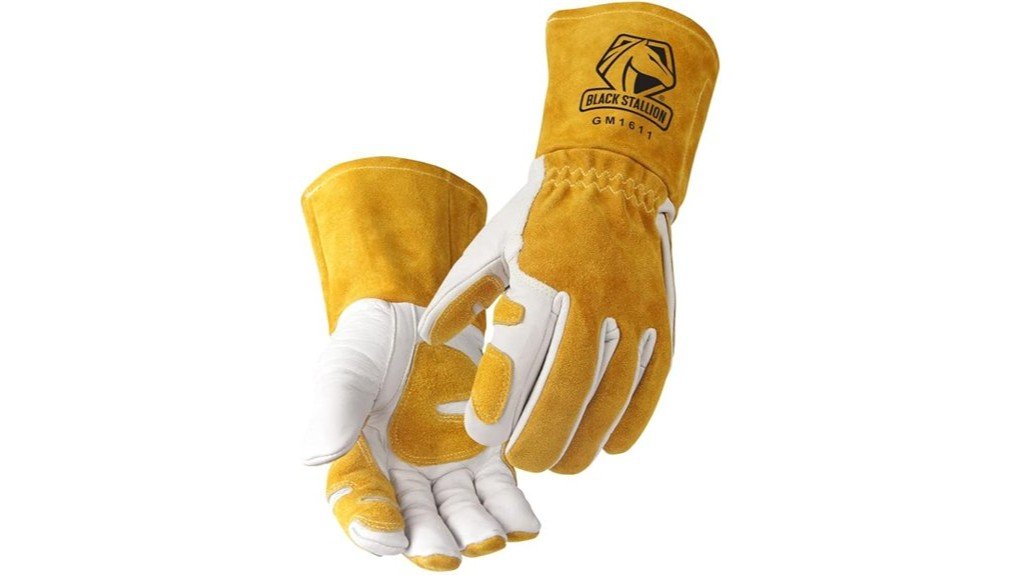
Choosing MIG welding gloves is not only about grabbing the thickest pair you can find. You need enough heat and spark protection, but you also need hand movement for holding tools, positioning metal, and controlling your work. The Black Stallion MIG Welding Gloves are built around natural cowhide leather, Kevlar stitching, reinforced wear zones, and comfort padding. This review helps you decide if they offer the right mix of protection, durability, and dexterity for your welding setup.
Quick Verdict
Rating: 8.6/10
Best For: Welders who want a protective MIG glove with cowhide leather, Kevlar stitching, and padded high-contact areas.
Bottom Line: These gloves are a strong choice if you want better heat and spark protection than a thin utility glove can offer. The tradeoff is that they may feel bulkier than very thin TIG-style gloves when you need maximum fingertip feel.
| Specification | Detail |
|---|---|
| Brand | Black Stallion |
| Product type | MIG welding gloves |
| Main material | Natural cowhide leather |
| Stitching | Kevlar stitching |
| Reinforced areas | Palm, thumb, and index finger |
| Comfort features | DragPatch side padding and RestPatch wrist padding |
| Size range stated in article | Small to extra-large |
| Best use | MIG welding, metal handling, fabrication, and shop tasks that involve sparks or hot surfaces |
| Care note | Wipe surface dirt with a damp cloth, air dry, and store in a cool, dry place. |
What Are the Black Stallion MIG Welding Gloves?
The Black Stallion MIG Welding Gloves are protective leather gloves made for welding and related metalwork. The article-supported build includes natural cowhide leather, Kevlar stitching, and reinforced patches on the palm, thumb, and index finger. That combination gives you a glove focused on heat resistance, spark protection, seam durability, and abrasion resistance.
They are best suited for MIG welding because MIG work often needs a balance of protection and hand control. You may need to hold a torch, move clamps, pick up metal, or reposition your work without switching gloves every few minutes. These gloves aim to protect your hands while still leaving enough flexibility for normal shop tasks.
Before You Buy: These are protective welding gloves, not precision TIG gloves. If your main priority is the thinnest possible fingertip feel, a lighter TIG-style glove may suit you better.
Who Should Buy It?
Best For
- MIG welders who want leather protection against sparks, slag, and radiant heat.
- Shop users who want reinforced wear areas on the palm, thumb, and index finger.
- Buyers who value Kevlar stitching and padding for longer welding sessions.
Skip If
- You need a thin glove mainly for delicate TIG work or very small parts.
- You want a glove with verified dimensions, weight, or certification details listed in the article.
- You prefer a lightweight general-purpose work glove instead of a welding glove.
Material Composition and Protection Features
The main protective layer is natural cowhide leather. Cowhide is a practical choice for welding gloves because it offers a firm balance of durability, heat protection, and abrasion resistance. For you, that means the glove is better suited to sparks, slag, and hot work areas than a basic fabric or thin utility glove.
The reinforced patches on the palm, thumb, and index finger matter because those areas see frequent contact with tools, metal, clamps, and work surfaces. Reinforcement can help slow down wear in the places where a glove usually breaks down first. It also gives you more confidence when you need to grip or move rough metal during a project.
Stitching Technology and Durability
Stitching can be a weak point on welding gloves, especially when seams sit near heat, sparks, or friction. These Black Stallion gloves use Kevlar stitching, which is included to improve seam strength and resist heat-related failure better than standard thread. That is useful if you weld often or use gloves for repeated shop handling.
| Feature | Buyer Benefit | Article-Supported Detail |
|---|---|---|
| Kevlar stitching | Helps protect seams from heat and wear | Designed to prevent melting, igniting, or fraying |
| Reinforced patches | Adds protection in high-contact areas | Palm, thumb, and index finger reinforcement |
| Natural cowhide leather | Supports heat, spark, and abrasion protection | Used as the main glove material |
Ergonomics and Comfort During Use
Comfort matters more than many buyers expect. If a glove is too stiff, too hot, or too awkward, you may be tempted to remove it during small tasks, which can increase risk around sharp metal or hot workpieces. These gloves are designed with flexibility and dexterity in mind, so you can handle tools and materials without feeling completely locked into a rigid glove.
The DragPatch side padding and RestPatch wrist padding are important comfort features. The side padding helps when your hand brushes or drags across a work surface. The wrist padding adds support during longer sessions, especially when you rest or brace your hand while working.
Pro Tip: Choose the snugest comfortable size that still lets you open and close your hand naturally. A glove that is too loose can reduce grip control, while one that is too tight can cause fatigue.
How It Performs in Real Use
For MIG Welding
For MIG welding, the biggest benefit is balance. You get cowhide leather for heat and spark protection, Kevlar stitching for seam durability, and reinforced patches in common wear zones. This makes the gloves a practical fit for welders who need protection but still want enough hand movement to manage routine torch and material handling.
For Metal Handling
When you move cut metal, clamps, or welded parts, the reinforced palm, thumb, and index finger help protect the parts of your hand that contact surfaces most often. They are not a substitute for safe handling practices, but they do give you a stronger barrier than ordinary work gloves.
For Longer Shop Sessions
The DragPatch and RestPatch features are useful when you spend more time at the bench or welding table. Padding can reduce pressure and friction during repeated movements. You may still need breaks during long welding sessions, but the comfort-focused design helps reduce hand strain.
For Occasional DIY Use
If you weld only occasionally, these gloves still make sense because they cover core safety needs without requiring a complicated setup. They are easy to understand, easy to store, and suitable for a range of shop tasks beyond welding, such as fabrication and general metalwork.
How to Use Them Correctly
Before each use, check the gloves for holes, open seams, stiff burned areas, or thin spots. Pay close attention to the palm, thumb, index finger, and wrist area because these zones get frequent wear. If the leather or stitching is damaged, replace the gloves before using them around heat or sparks.
Keep the gloves dry when possible. Wet leather can feel uncomfortable, lose flexibility, and may conduct heat differently than dry leather. After use, let them air dry naturally and store them away from direct moisture, heavy objects, and sharp tools.
Material Safety and Comfort
These gloves are made for welding protection, but safe use still depends on the task. Always match your glove choice to the type of welding, heat level, and work environment. For higher-heat work, long exposure, or unusual materials, check the product label and use the level of protective gear required for the job.
Because the gloves contact your skin, comfort and fit matter. Stop using them if you notice rubbing, pinching, or a fit problem that affects grip. A welding glove should protect your hand without making it harder to control your tools safely.
Pros and Cons
Pros
- Natural cowhide leather helps protect against sparks, slag, and radiant heat.
- Kevlar stitching improves seam durability in demanding welding environments.
- Reinforced palm, thumb, and index finger add protection in common wear areas.
- DragPatch and RestPatch padding support comfort during longer sessions.
- Useful for MIG welding, metalwork, and fabrication tasks.
Cons
- May feel bulkier than thin TIG gloves when you need fine fingertip control.
- Exact dimensions, weight, and certification details are not stated in the article.
- Fit may require trial and error if your hand shape falls between sizes.
Cleaning and Maintenance
For normal surface dirt, wipe the gloves with a damp cloth and avoid soaking the leather. Harsh chemicals can dry out or damage leather, so mild cleaning is the safer approach. Let the gloves air dry fully before storing them.
Storage also affects lifespan. Keep the gloves in a cool, dry place and avoid crushing them under heavy tools. Before your next welding session, inspect the seams and reinforced areas so you do not miss early signs of wear.
Is It Worth the Price?
The Black Stallion MIG Welding Gloves are worth considering if you want a protective leather welding glove with reinforced areas and Kevlar stitching. They make the most sense for buyers who care about durability, heat protection, and comfort during repeated shop use.
They are a strong value for the price if you need one pair for MIG welding and related metalwork. They are not the best fit if your priority is the lightest glove possible or if you need verified specialty certifications before purchasing.
How It Compares to Alternatives
Compared with thin TIG-style gloves, these Black Stallion gloves focus more on protection and reinforced durability. A thinner glove may give you better fingertip feel, but it usually will not feel as protective for sparks, slag, and rough metal handling.
Compared with heavier high-heat gloves, these gloves should feel more practical for general MIG tasks where you still need to move your hand and handle tools. The best choice depends on your welding process, heat exposure, and how much dexterity you need.
Frequently Asked Questions
Are the Black Stallion MIG Welding Gloves good for MIG welding?
Yes, they are designed for MIG welding and related metalwork. The cowhide leather, Kevlar stitching, and reinforced patches make them a practical option when you need protection from sparks, slag, and heat.
Can you use these gloves for TIG welding?
You can use them for some shop tasks, but they may feel too bulky for TIG work that requires very fine fingertip control. If TIG is your main process, compare them with thinner TIG-style gloves before buying.
What materials are used in these gloves?
The article-supported materials include natural cowhide leather and Kevlar stitching. The gloves also include reinforced patches on the palm, thumb, and index finger.
What sizes are available?
The source article states that sizes range from small to extra-large. Check the current product listing and size chart before ordering because available sizes can vary by seller.
How do you clean and maintain them?
Use a damp cloth for surface dirt and avoid harsh chemicals. Let the gloves air dry and store them in a cool, dry place to help preserve the leather and stitching.
Can these gloves be used for tasks besides welding?
Yes, they can be useful for metalwork, fabrication, and handling rough or hot materials in the shop. Still, match the glove to the task and do not use damaged gloves around heat or sharp metal.
How long should these welding gloves last?
Lifespan depends on heat exposure, welding frequency, abrasion, storage, and how often the gloves contact rough metal. Inspect the leather, seams, and reinforced areas before each use and replace them when protection is compromised.
Who should skip these gloves?
Skip them if you need ultra-thin gloves for precision TIG work or if you require verified dimensions, weight, or certification details before purchase. They are better suited to MIG welding and general protective shop use.
The Bottom Line
The Black Stallion MIG Welding Gloves are a strong pick if you want cowhide leather protection, Kevlar stitching, reinforced wear zones, and padding for longer welding sessions. They are best for MIG welding and general metalwork, but you may want a thinner glove if your work depends on maximum fingertip sensitivity. The 8.6/10 verdict fits buyers who want practical protection and comfort without relying on unverified extra claims.