Disclosure: As an Amazon Associate, we earn from qualifying purchases. If you click a link on this page and make a purchase, we may receive a small commission at no extra cost to you.
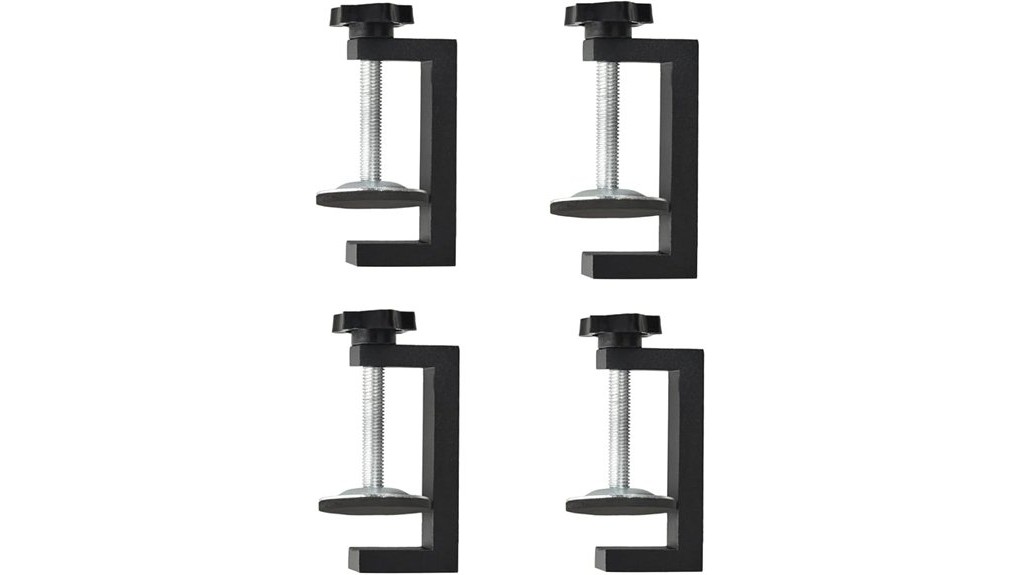
Cabinet installation clamps can save you time when you need two cabinet stiles held flush, square, and steady before fastening. The C-Clamps Cabinet Installation Clamps are designed for that kind of controlled grip, with an adjustable jaw that fits stiles from 1.10 to 2.5 inches. They also use precision-cast aluminum and carbon steel, padded contact points, and a floating swivel jaw pad to help reduce slipping and surface marks. This review will help you decide if these clamps are a practical fit for cabinet assembly, woodworking, light metalworking, or garage use, while also pointing out where their size range may limit you.
Quick Verdict
Rating: 8.2/10
Best For: Cabinet installers, DIY woodworkers, and garage users who need compact clamps for stiles in the 1.10 to 2.5 inch range.
Bottom Line: These clamps are worth considering if you want a lightweight, padded clamp with a floating swivel jaw for cabinet alignment and assembly work. The main tradeoff is that the listed clamping range is specific, so you should measure your stiles and project materials before buying.
| Specification | Detail |
|---|---|
| Product type | Cabinet installation C-clamps |
| Design | Adjustable jaw with floating swivel jaw pad |
| Stile range | 1.10 to 2.5 inches |
| Jaw width | 1.10 inches |
| Throat depth | 2.5 inches |
| Maximum opening capacity | 2.8 inches |
| Material | Precision-cast aluminum and carbon steel |
| Thickness | 0.39 inches |
| Weight | 2.29 oz each |
| Surface protection | Padded clamps help reduce marking and slipping |
| Best use | Cabinet installation, woodworking, assembly, fastening, light metalworking, and automotive tasks |
| Care notes | Clean after use, lubricate moving parts, and store in a dry place |
What Are the C-Clamps Cabinet Installation Clamps?
The C-Clamps Cabinet Installation Clamps are compact clamping tools made to hold cabinet stiles and other project materials in place while you align, fasten, drill, or assemble. Their adjustable jaw fits stiles from 1.10 to 2.5 inches, which makes them most useful for cabinet face-frame work and similar material thicknesses.
The design uses a floating swivel jaw pad so the contact point can adapt to different surfaces instead of pressing at one fixed angle. That helps when the faces are not perfectly flat or when you need a steadier hold across slightly varied surfaces. The padded clamp surfaces also help reduce surface marking and slipping, which matters when you are working on visible cabinet faces or finished materials.
Who Should Buy It?
Best For
- Cabinet installers who need to hold stiles flush during alignment and fastening.
- DIY woodworkers who want a lightweight clamp for small assembly tasks.
- Garage users who need padded clamping support for woodworking, light metalworking, or automotive positioning.
Skip If
- Your material is outside the 1.10 to 2.5 inch stile range or needs more than a 2.8 inch opening.
- You need a heavy-duty welding clamp for high-force fabrication work.
- You need a long-reach clamp for deep panels beyond the listed 2.5 inch throat depth.
Before You Buy: Measure both the stile thickness and the reach you need. These clamps list a 1.10 to 2.5 inch stile range, a 2.5 inch throat depth, and a 2.8 inch maximum opening, so they may not fit oversized frames, thick blocks, or deep clamping points.
Design and Clamping Range
The main feature is the adjustable jaw. It gives you room to work with stiles from 1.10 to 2.5 inches, which is the key fit detail to check before buying. The listed 2.8 inch maximum opening capacity gives a little extra clearance, but you should not treat these clamps as a universal solution for every cabinet or shop task.
The 2.5 inch throat depth helps when you need to reach past an edge and clamp closer to the working area. For cabinet installation, that can help keep face-frame parts aligned while you drill pilot holes, drive screws, or check the reveal. For deeper workpieces, you may still need a bar clamp, pipe clamp, or longer-reach C-clamp.
Materials and Build Quality
These clamps are described as using precision-cast aluminum and carbon steel. That combination gives you a useful mix of lower weight and strength. The article-supported weight is 2.29 oz each, so they should be easier to handle during repeated adjustments than heavier all-steel clamps.
The clamps are also described as rust-proof, wear-resistant, and corrosion-resistant. In real use, that matters most if you store tools in a garage, workshop, truck box, or outdoor work area where moisture can shorten tool life. Even with corrosion-resistant materials, you should still wipe the clamps dry and keep the screw threads clean.
Surface Protection and Grip
The padded clamp surfaces are useful when you work on visible cabinet faces, painted surfaces, or softer materials. A bare clamp can leave dents or marks if you overtighten it, but a padded contact point spreads pressure more gently. That does not mean damage is impossible, so you should still test clamping pressure on scrap or a hidden area when the finish matters.
The floating swivel jaw pad is another practical detail. It helps the clamp sit more evenly when the surface angle changes slightly. That can improve grip and reduce the chance of slipping while you line up two pieces.
Pro Tip: Tighten the clamp in small steps while checking alignment from the front and side. Over-tightening one side too quickly can pull a stile out of position before you fasten it.
Ease of Use During Cabinet Installation
For cabinet work, the biggest benefit is controlled alignment. You can bring two cabinet stiles together, hold them steady, and make small adjustments before final fastening. That can help you avoid uneven reveals, proud edges, or gaps between frames.
The lightweight design also helps during longer jobs. If you are installing several cabinets, you may need to place, remove, and reset clamps many times. A lighter clamp is easier to reposition, especially when you are working overhead, inside a cabinet opening, or in a tight corner.
Versatile Applications and Use Cases
These clamps are not limited to cabinet installation. The original article supports use in woodworking, metalworking, and automotive applications. They can help with assembly, fastening, and holding materials in place while you check fit or make light adjustments.
For woodworking, they make sense for smaller assembly tasks where the 1.10 inch jaw width and 2.5 inch throat depth are enough. For metalworking or automotive tasks, they are better suited for positioning and holding than for high-force fabrication. If you need to clamp thick steel, resist heavy welding heat, or hold large parts under strong stress, choose a heavier-duty clamp made for that job.
How It Performs in Real Use
For Cabinet Face-Frame Alignment
When you are joining cabinet faces, these clamps can help hold two stiles flush while you check the gap and fasten the pieces. The adjustable jaw range is the main reason they work for this task, as long as your stile size falls within the listed 1.10 to 2.5 inch range.
For Small Woodworking Assembly
For small woodworking projects, the padded contact points help when you need grip without heavy surface marking. They are a good fit for light assembly, edge alignment, and temporary holding. They are not the best choice when you need long clamping reach or large glue-up pressure across wide panels.
For Light Garage and Automotive Work
In the garage, these clamps can help hold smaller parts while you mark, fit, or adjust them. The carbon steel and aluminum construction supports general utility use, but you should keep the clamp away from tasks that exceed its opening, throat depth, or intended pressure range.
For Outdoor Projects
The article describes the clamps as resistant to rust, wear, and corrosion, which can help with outdoor or damp-worksite use. Still, outdoor use should not mean outdoor storage. Clean the clamps after use and store them in a dry place to protect the screw, pads, and moving parts.
Setup Tips Before First Use
Before using the clamps, check the jaw pads, screw movement, and contact surfaces. Make sure the swivel pad moves freely and sits flat against the workpiece. If the screw feels rough, wipe it clean and apply a small amount of suitable lubricant to the moving threads.
When clamping cabinet stiles, place the clamp near the area you want to align, then tighten it gradually. Check that the faces stay flush as pressure increases. If the material is finished, use light pressure first and consider a scrap test so you know how much clamping force the surface can handle.
Maintenance and Storage
Good clamp care is simple. Wipe off dust, glue residue, metal filings, or moisture after each project. Keep the moving screw clean so it does not bind during adjustment. Store the clamps in a dry drawer, tool chest, or wall rack instead of leaving them loose on a damp bench.
Lubricating the moving parts can help the clamp stay smooth over time. Do not overdo it, especially if you work around unfinished wood, because excess oil can transfer to your material. A light, controlled application on the screw threads is usually enough.
Compatibility and Safety Notes
The most important compatibility detail is size. These clamps fit stiles from 1.10 to 2.5 inches, with a 2.8 inch maximum opening and 2.5 inch throat depth. If your project needs more reach or a larger opening, the clamp may not seat correctly.
Use the clamps only for stable workholding, not as a substitute for proper supports, jigs, stands, or safety equipment. Keep your fingers clear of pinch points while tightening. For automotive, metalworking, or welding-related tasks, make sure the clamp material, pad placement, and work environment are suitable before applying heat, vibration, or heavy force.
Pros and Cons
Pros
- Adjustable jaw fits stiles from 1.10 to 2.5 inches.
- Floating swivel jaw pad helps the clamp adapt to different surface angles.
- Padded contact points help reduce slipping and surface marks.
- Precision-cast aluminum and carbon steel construction supports durable shop use.
- Lightweight 2.29 oz design makes repeated positioning easier.
Cons
- Not ideal if your material exceeds the 2.8 inch maximum opening.
- 2.5 inch throat depth may be too shallow for deeper clamping points.
- Better for alignment and holding than heavy-duty fabrication pressure.
Is It Worth the Price?
These clamps offer strong value for the price if your main goal is cabinet alignment, light woodworking assembly, or compact workholding. Their best value comes from the combination of an adjustable jaw, padded contact points, and a lightweight body that is easy to reset during a project.
They are better for buyers who care about controlled placement and surface protection than for buyers who need maximum clamping force. If you need a clamp for large panels, thick metal, or deep-reach work, a heavier C-clamp, bar clamp, or pipe clamp may be a better fit.
How It Compares to Alternatives
Compared with a basic steel C-clamp, these cabinet installation clamps give you more cabinet-friendly details, such as padded contact points and a floating swivel jaw pad. A standard C-clamp may be better for rough shop work where finish protection is not a concern.
Compared with bar clamps or pipe clamps, these are more compact and easier to place around cabinet stiles. Bar clamps are better for wide glue-ups and longer reach, while these clamps make more sense when you need small, controlled pressure near an edge.
Frequently Asked Questions
What size stiles do these cabinet clamps fit?
The listed adjustable jaw range fits stiles from 1.10 to 2.5 inches. You should measure your cabinet frame before ordering because the maximum opening capacity is listed at 2.8 inches.
Can these clamps be used for finished cabinet faces?
Yes, the padded clamp surfaces are designed to help reduce surface marking and slipping. You should still use controlled pressure and test on a hidden area when working with delicate finishes.
What does the floating swivel jaw pad do?
The floating swivel jaw pad helps the clamp sit more evenly against different surfaces. This can improve contact when the workpiece angle is slightly uneven or when you need steadier grip during alignment.
Are these clamps good for woodworking?
They can be useful for small woodworking assembly, edge alignment, and cabinet-related work. For wide glue-ups or deep clamping points, you may need bar clamps, pipe clamps, or longer-reach clamps.
Can these C-clamps be used outdoors?
They can be used for outdoor projects when the size and clamping needs match the tool. After outdoor use, wipe them clean and store them in a dry place to protect the moving parts.
How do you maintain these clamps?
Clean off dust, moisture, glue residue, or metal debris after use. Lubricate the moving screw lightly when needed and store the clamps in a dry tool area.
Who should skip these clamps?
Skip them if your project needs more than a 2.8 inch opening, a deeper throat than 2.5 inches, or heavy-duty clamping force for demanding fabrication. They are best for compact alignment and holding tasks.
The Bottom Line
The C-Clamps Cabinet Installation Clamps are a smart buy for cabinet installers and DIY users who need a compact, padded clamp for stiles in the 1.10 to 2.5 inch range. Their strongest points are the adjustable jaw, floating swivel pad, and lightweight build, while the main limitation is their specific opening and throat depth. Skip them if you need a larger, deeper, or heavier-duty clamp for high-force work.