Disclosure: As an Amazon Associate, we earn from qualifying purchases. If you click a link on this page and make a purchase, we may receive a small commission at no extra cost to you.
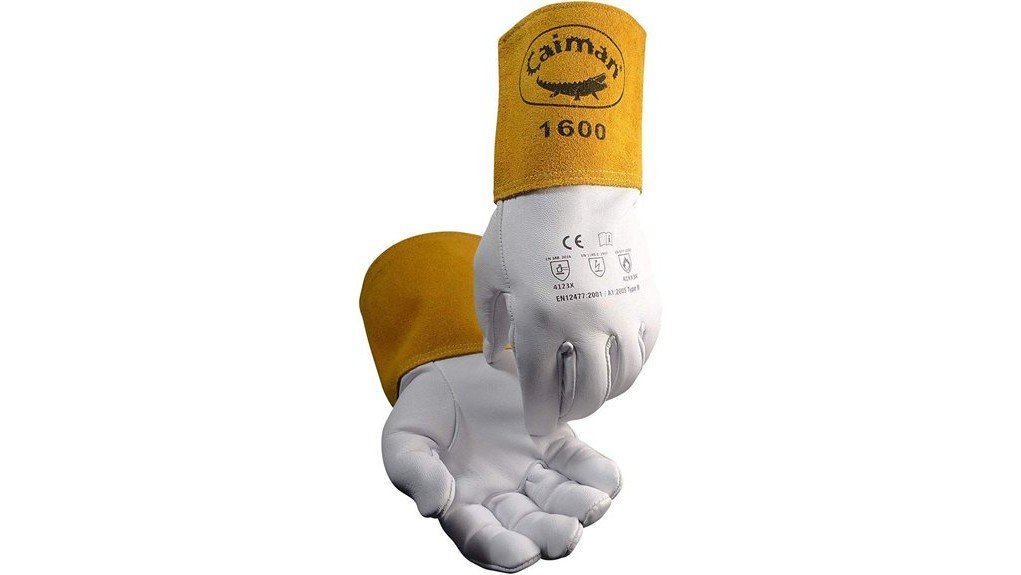
TIG welding gloves need to protect your hands without making every small movement feel clumsy. The Caiman Premium Goat Grain TIG Gloves focus on that balance with top grain goatskin leather, an unlined interior, Kevlar-threaded seams, and a 4-inch extended cuff. They make the most sense if you want better finger control for TIG work and light fabrication. The main tradeoff is that the unlined design favors dexterity over the thicker insulation you may want for hotter, heavier welding jobs.
Quick Verdict
Rating: Recommended with caveats
Best For: TIG welders who want soft leather feel, precise control, and added wrist coverage.
Bottom Line: These gloves are a practical choice when dexterity matters more than heavy insulation. Skip them if you need thick, lined gloves for high-spatter MIG work or prolonged contact with very hot metal.
Key Takeaways
- The top grain goatskin leather gives these gloves a softer, more flexible feel than many thicker welding gloves.
- The unlined design improves tactile feedback, which helps when you need precise torch and filler rod control.
- The 4-inch extended cuff adds useful wrist and lower forearm coverage during TIG welding and shop work.
- Kevlar thread supports stronger seams, which matters when gloves face heat, flexing, and abrasion.
- These gloves work best for TIG and detail-focused welding, not as a heavy-duty replacement for thick MIG or stick welding gloves.
Key Specifications
| Specification | Detail |
|---|---|
| Brand | Caiman |
| Product type | TIG welding gloves |
| Main material | Top grain goatskin leather |
| Interior design | Unlined for better tactile sensitivity |
| Cuff | 4-inch gold extended cuff |
| Cuff material note | Article-supported split cowhide extended cuff |
| Thread | Kevlar thread |
| Best use | TIG welding, precision welding, light fabrication, and shop tasks that need hand control |
| Safety note | Not intended as electrical hazard protection and not a substitute for process-specific PPE. |
What Are the Caiman Premium Goat Grain TIG Gloves?
The Caiman Premium Goat Grain TIG Gloves are leather welding gloves made for welders who need closer hand control than bulky gloves can provide. Their top grain goatskin leather helps the gloves feel softer and more responsive during torch handling, filler rod feeding, and small adjustments at the workpiece.
The unlined interior is the key design choice. Instead of adding heavy insulation, these gloves keep the palm and fingers more sensitive so you can feel tools, rod position, and grip pressure more clearly. That design works well for TIG welding, where precision often matters more than heavy spatter protection.
The 4-inch extended cuff adds coverage past the wrist, which helps protect against heat exposure, sparks, and light abrasion around the lower forearm. Kevlar thread also supports seam strength, a useful detail because welding gloves flex constantly around the fingers, thumb, and palm.
Who Should Buy It?
Best For
- TIG welders who want better finger movement and closer tool control.
- Welders who prefer soft goatskin leather over stiff, bulky gloves.
- Shop users who need wrist coverage for light welding, tack work, and metal handling.
Skip If
- You need thick lined gloves for prolonged high-heat contact.
- You mostly do heavy MIG or stick welding with more sparks and spatter.
- You need gloves rated for electrical hazard protection.
Before You Buy: These gloves are built around TIG-style dexterity. Choose heavier lined gloves if your work involves extended heat exposure, heavy spatter, or frequent handling of very hot metal.
Features and Benefits of Caiman Premium Goat Grain TIG Gloves
The biggest benefit is control. Top grain goatskin leather usually feels more flexible than heavier split leather, which can help you hold a torch, feed filler rod, and make small adjustments without fighting the glove.
The unlined design also helps reduce bulk in the fingers and palm. That matters for TIG welding because your hand movements are often small and controlled. You can grip tools more naturally and avoid the disconnected feel that thicker gloves can create.
The 4-inch extended cuff gives the glove a more protective profile than a short-cuff work glove. It helps cover the wrist area, which can face heat, sparks, and light abrasion when you work close to the weld area or rest your arm near metal edges.
Durability and Performance in Tough Conditions
Caiman Premium Goat Grain TIG Welding Gloves are designed for repeated flexing, heat exposure, and shop handling. The goatskin leather gives you a useful mix of comfort and abrasion resistance, while the extended cuff adds coverage where short gloves often leave your wrist exposed.
Kevlar thread is another important detail because seams are common stress points on welding gloves. Stronger stitching helps the glove hold up better when you bend your fingers, grip tools, and brush against rough metal.
| Feature | Specification | Buyer Benefit |
|---|---|---|
| Material | Top grain goatskin leather | Soft feel, flexibility, and useful abrasion resistance |
| Cuff length | 4 inches | Better wrist and lower forearm coverage |
| Thread | Kevlar | Stronger seams for repeated welding use |
| Design | Unlined | Better dexterity for precise work |
Dexterity and Control for Precision Welding
Precision welding depends on repeatable hand movement. The unlined goatskin design helps you feel the torch, filler rod, and work surface more clearly than a thick insulated glove would.
This is useful when you need to start a weld cleanly, keep filler rod movement steady, or reposition your hand without losing grip. The gloves are also lightweight enough for careful tasks, which can reduce hand fatigue during shorter TIG sessions.
- Good grip for small tool adjustments and controlled rod feeding
- Flexible leather that supports natural hand movement
- Unlined feel for better tactile feedback
- Extended cuff for added wrist coverage
- Kevlar stitching for stronger seam construction
Pro Tip: Keep a heavier pair of welding gloves nearby for moving hot metal. Use these Caiman gloves when you need torch control, then switch gloves when heat protection matters more than feel.
Material Safety and Comfort
These gloves use leather construction, so comfort depends on fit, break-in, and how long you wear them during a session. Goatskin is a strong choice for dexterity because it can feel soft without becoming overly bulky.
The unlined interior improves control, but it also means you should avoid using these gloves as your only protection for long heat exposure. Follow your welding process requirements, inspect the gloves before use, and replace them if the leather, seams, or cuff become cracked, burned through, or weakened.
These gloves should not be treated as electrical safety gloves. Welding PPE should match the process, work environment, and hazards involved.
How It Performs in Real Use
For TIG Welding
This is where the glove design makes the most sense. The unlined goatskin feel helps you control small movements, especially when feeding filler rod or adjusting torch angle. The glove gives you protection without removing too much touch feedback.
For Light Fabrication
For layout work, tack welding, and short shop tasks, the flexible leather helps you move between tools without constantly taking the gloves off. The cuff also gives more coverage than a standard short work glove.
For Longer Shop Sessions
The soft leather can help with comfort during repeated wear, but heat buildup and exposure still matter. If your work shifts from careful TIG welding to hotter metal handling, a heavier glove may be safer and more comfortable.
For Metal Handling
These gloves can help with light abrasion and general handling, but they are not the best pick for repeatedly moving very hot parts. Use the right glove for the temperature and task instead of relying on one pair for every welding job.
Fit and Use Tips Before You Buy
A TIG glove should fit close enough to support finger control but not so tight that it limits movement. If the glove pulls hard across your knuckles, thumb, or palm, you may lose the dexterity that makes this style useful.
Before welding, flex your hand, grip your torch, and test your filler rod movement. You should be able to move your fingers without the glove bunching or sliding. Also check the cuff position to make sure it covers your wrist area when your arm is bent.
Store leather gloves in a dry place after use. Avoid leaving them damp, crushed under tools, or pressed against sharp metal edges because that can shorten their useful life.
Pros and Cons
Pros
- Top grain goatskin leather supports comfort and flexible hand movement.
- Unlined interior improves feel for torch control and filler rod handling.
- 4-inch extended cuff gives added wrist and lower forearm coverage.
- Kevlar thread helps strengthen seams under repeated flexing.
- Good match for TIG work and other precision-focused shop tasks.
Cons
- Unlined design is not ideal for prolonged high-heat contact.
- Not the best choice for heavy spatter from MIG or stick welding.
- Not intended for electrical hazard protection.
Is It Worth the Price?
The Caiman Premium Goat Grain TIG Gloves are worth considering if you value dexterity, soft leather, and wrist coverage in a TIG glove. They fit best in the practical middle ground between thin work gloves and heavy lined welding gloves.
You get the most value from them if your welding style depends on hand feel and controlled movement. They are less compelling if you need one glove for every process, especially heavier welding tasks with more heat and spatter.
How It Compares to Alternatives
Compared with thicker split leather welding gloves, these Caiman gloves should feel more flexible and precise. The tradeoff is that heavier lined gloves usually make more sense for hotter work, more spatter, or frequent handling of hot parts.
Compared with general leather work gloves, these offer welding-focused details such as an extended cuff and Kevlar-threaded seams. They make the most sense if you need a glove built around TIG control rather than basic shop handling alone.
Frequently Asked Questions
Are the Caiman Premium Goat Grain TIG Gloves good for TIG welding?
Yes, they are a strong fit for TIG work because the unlined goatskin design supports better finger control. That helps when you need steady torch movement and careful filler rod handling.
Can you use these gloves for MIG or stick welding?
You may use them for some light welding tasks, but they are not the best choice for heavy spatter or prolonged high heat. For regular MIG or stick welding, thicker lined gloves may be safer and more comfortable.
What does the unlined design help with?
The unlined interior reduces bulk in the palm and fingers. That gives you better tactile feedback when holding tools, feeding rod, or making small adjustments near the weld area.
How much wrist protection do these gloves provide?
The gloves include a 4-inch extended cuff, which gives more wrist and lower forearm coverage than a short work glove. You should still match your PPE to the job and avoid relying on the cuff for unsafe heat exposure.
How should you clean and maintain the gloves?
Brush off dry debris and keep the gloves stored in a dry place after use. Avoid soaking leather gloves or using harsh chemicals, and inspect the seams, cuff, and fingers before each welding session.
Do these gloves protect against electrical hazards?
No. These gloves should not be treated as electrical safety gloves. Use proper electrical-rated PPE and follow your welding equipment instructions when electrical hazards are present.
Who should skip these gloves?
Skip them if you need thick insulation, heavy spatter protection, or a glove for frequent hot metal handling. They are better for precision TIG work than for every welding process.
The Bottom Line
The Caiman Premium Goat Grain TIG Gloves are a good match for welders who want flexible leather, strong hand control, and added cuff coverage for TIG work. Their main strength is dexterity, while their main limitation is lighter insulation compared with heavier lined welding gloves. Buy them for precision-focused welding, but choose a heavier glove if heat and spatter protection matter more than feel.