When working with a plasma cutter, you might experience more than a minor inconvenience if safety measures aren’t strictly followed. These devices can slice through metal like a hot knife through butter, and your fingers are no exception. Ensuring you understand the real risks associated with plasma cutting is vital. Wearing proper gear and maintaining a secure workspace isn’t just recommended; it’s essential. Let’s explore how to keep your digits safe while achieving precise cuts.
Understanding Plasma Cutter Dangers
When you’re dealing with plasma cutters, understanding the associated dangers is essential for your safety.
Plasma arc hazards include intense ultraviolet radiation, which can seriously damage your eyes without proper protection. Always wear safety glasses or a face shield to prevent these injuries.
Electrical shock dangers are another significant risk, given that plasma cutters operate at voltages much higher than standard welding machines. Verify all electrical connections are secure and never operate the cutter in wet conditions to avoid shocks.
Plasma cutters pose electrical shock risks due to their high voltages; ensure secure connections and avoid wet conditions.
Burn risks are substantial due to the plasma cutter’s extreme temperatures, soaring up to 20,000°C. Always wear appropriate protective gear to shield your skin from sparks and molten metal droplets.
Keep your workspace free from flammable materials, as these can ignite easily. Additionally, toxic fumes and gases are a concern, highlighting the necessity of proper ventilation and respirators, especially in confined spaces, to protect your respiratory health.
The Role of High Temperatures and Voltages
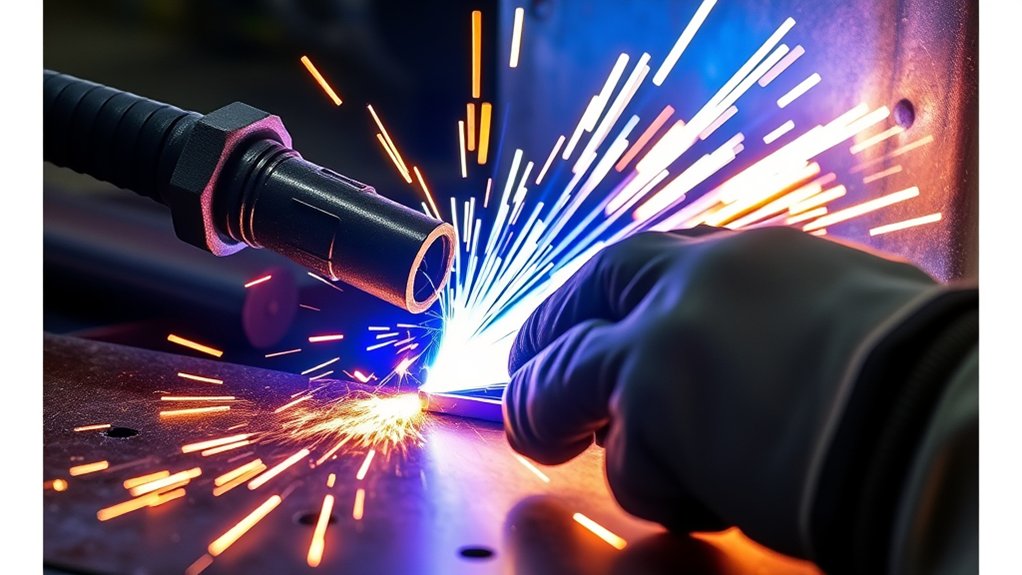
Given the extreme temperatures and voltages at which plasma cutters operate, understanding their impact is vital for safe handling. Plasma cutters reach temperatures up to 20,000°C, posing a significant risk of thermal burns. If your skin contacts the plasma arc, the consequences can be severe. High voltage, ranging from 100 to 200 volts, further increases the risk of electric shock. Properly grounding the electrical circuit is essential; otherwise, you risk becoming part of the circuit, potentially leading to fatal shocks. Ultraviolet radiation from the intense arc can damage your eyes if you’re not wearing protective eyewear.
| Risk Factor | Prevention Tip |
|---|---|
| High Temperature | Avoid direct skin contact with the arc |
| High Voltage | Guarantee proper grounding |
| Ultraviolet Radiation | Always wear protective eyewear |
| Flammable Materials | Keep cutting area clear of combustibles |
| Electrical Contact | Stay clear of water tables and electrodes |
Stay aware of these hazards to guarantee a safe plasma cutting experience.
Importance of Personal Protective Equipment
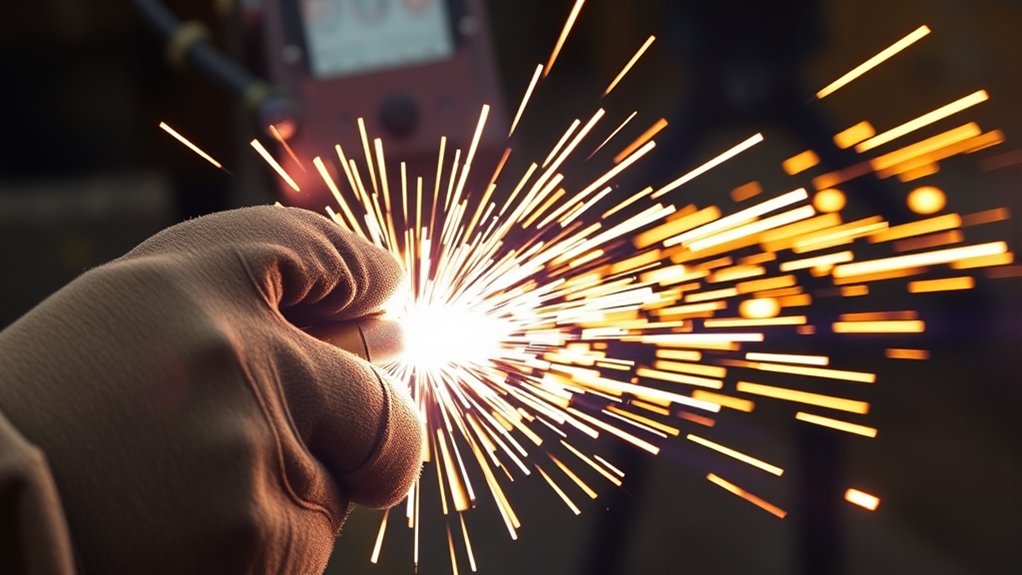
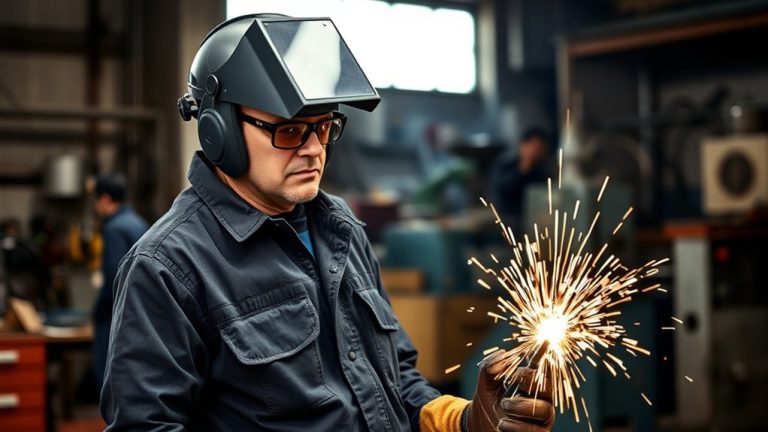
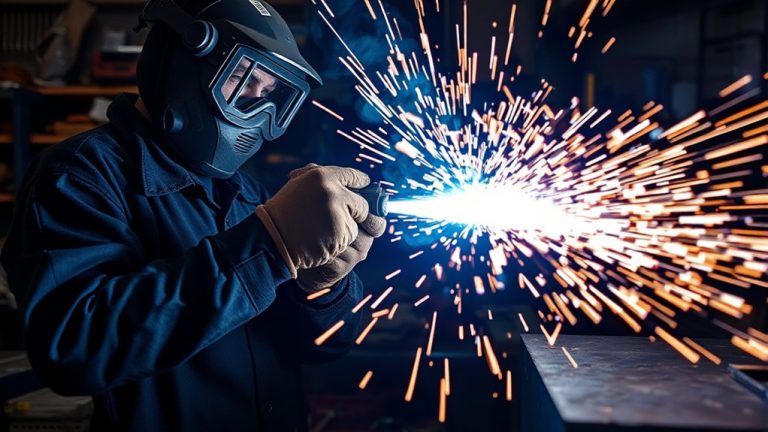
Utilizing personal protective equipment (PPE) is essential for guaranteeing safety during plasma cutting operations. Different PPE types, such as flame-resistant clothing and heat-resistant gloves, are essential because they greatly reduce the risk of burns and injuries from molten metal.
Flame-resistant clothing and heat-resistant gloves are crucial for preventing burns in plasma cutting operations.
Wearing safety eyewear or a welding helmet with the correct lens shading protects your eyes from harmful ultraviolet and infrared radiation, preventing potential eye damage. A welding helmet equipped with a face shield is crucial to guard against flying debris and sparks, which can cause serious facial and eye injuries.
Electrical safety is another important consideration; dry insulated gloves and boots are required to prevent electric shocks from high-voltage equipment.
Regular PPE training is essential to guarantee that every team member understands these risks and the precautions needed to minimize them. By prioritizing appropriate PPE, you can effectively safeguard yourself against the inherent dangers of plasma cutting.
Maintaining a Safe Workspace
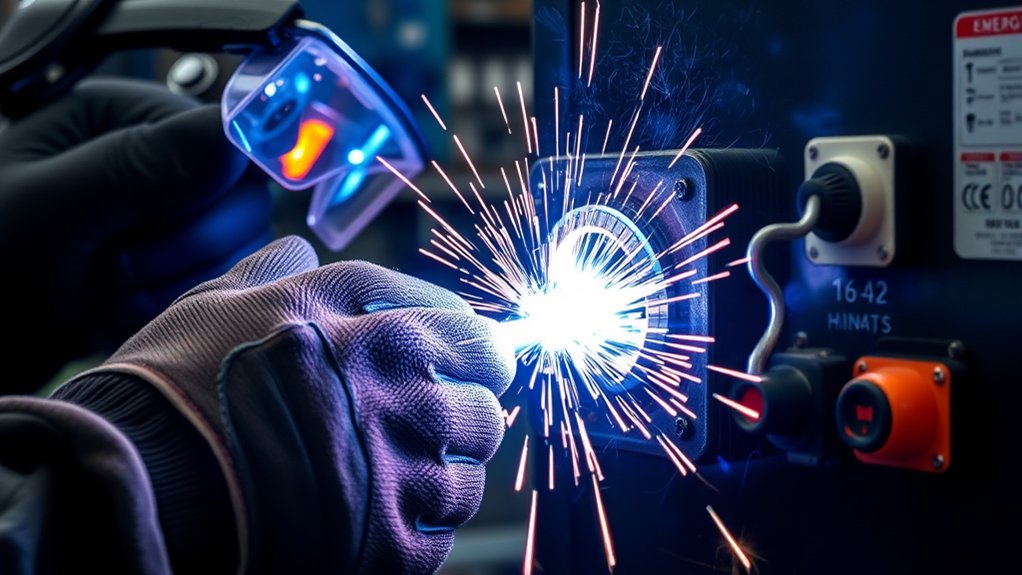
Guaranteeing a safe workspace is essential for effective plasma cutting operations. Start by prioritizing workspace organization—keep your cutting area tidy to prevent accidents. Clutter can easily ignite from sparks, creating fire hazards.
To enhance safety, maintain a minimum distance of 35 feet from any flammable materials. This precaution reduces the risk of fires, allowing you to work confidently.
Regular inspections are critical for hazard identification. Consistently evaluate your workspace to spot and eliminate potential dangers, such as damaged equipment and flammable substances. By doing so, you not only protect yourself but also assure efficient cutting operations.
Make certain fire extinguishers are readily accessible near the plasma cutting equipment. Quick access is essential to addressing any fire emergencies that may arise.
Proper Ventilation and Fume Control
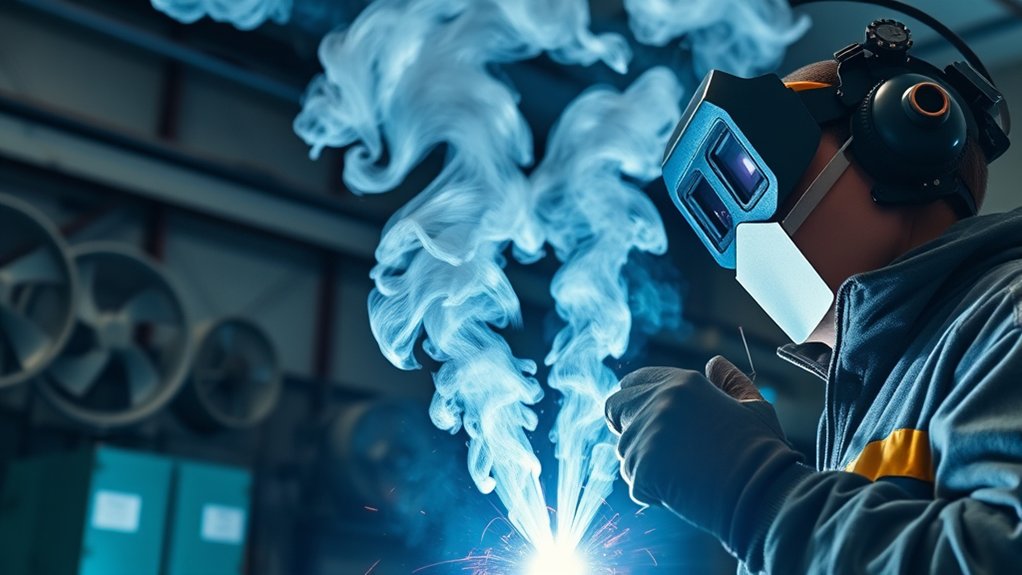
Effective plasma cutting demands attention to proper ventilation and fume control to guarantee a safe working environment. As you cut through metal, toxic fumes and gases are released, posing notable health risks.
Implementing robust ventilation systems is essential to minimize inhalation of these harmful particles. In confined spaces, welding fume extractors become indispensable tools. They efficiently remove toxins from the air, ensuring you’re breathing cleaner air.
Robust ventilation systems and fume extractors are vital for cleaner air and safer plasma cutting.
Before cutting, consider removing any coatings from metals. This step can greatly decrease the toxicity of the fumes generated, safeguarding your respiratory health.
In areas with limited airflow, using a respirator is critical. It offers an additional layer of protection against airborne contaminants, reducing your exposure to dangerous substances.
Always adhere to safety codes and standards for ventilation. This practice not only helps prevent long-term health issues but also creates a safer environment for you and your colleagues.
Real-Life Incident Lessons
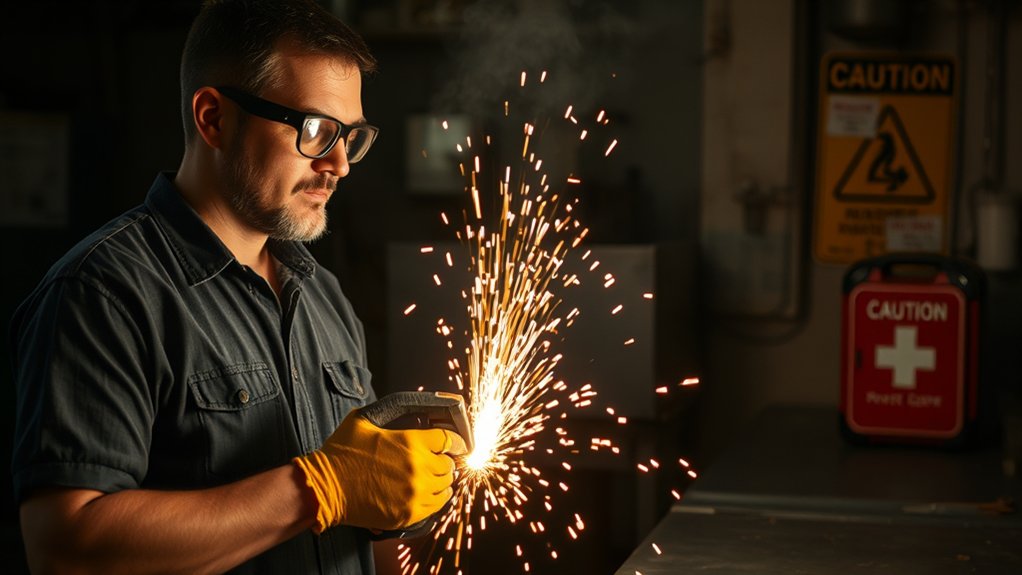
When handling a plasma cutter, learning from real-life incidents can greatly enhance your safety practices. Real incidents highlight essential areas where vigilance and proper protocols can prevent accidents. For instance, a severe burn from not wearing gloves emphasizes PPE’s role. Similarly, sparks in cluttered spaces igniting flammable materials remind you to keep a tidy workspace. Failing to ground the cutter properly? That’s a near-fatal electric shock waiting to happen, underscoring grounding’s importance.
| Incident | Lesson Learned |
|---|---|
| Severe burn | Always wear appropriate PPE |
| Ignited flammable materials | Maintain a clean, organized workspace |
| Electric shock | Confirm proper grounding of equipment |
| Eye injury | Use safety glasses for eye protection |
| Toxic fume inhalation | Ensure good ventilation and use respirators |
Safety awareness is vital. Neglecting eye protection can lead to serious injuries from emitted light, while inadequate ventilation risks toxic fume inhalation. Prioritize your safety by internalizing these lessons.
Best Practices for Safe Plasma Cutting
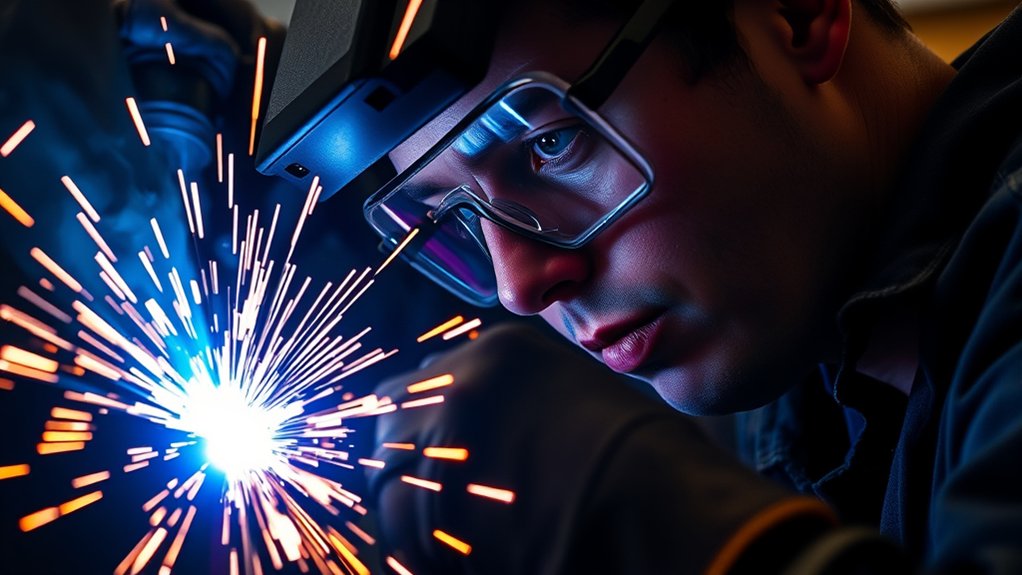
Safety is paramount in plasma cutting, and adherence to best practices guarantees a secure working environment.
Begin by wearing the right personal protective equipment (PPE): flame-resistant clothing, welding gloves, and safety eyewear. These will shield you from sparks, heat, and harmful radiation.
Confirming proper ventilation is essential to avoid inhaling toxic fumes and gases, safeguarding your respiratory health over time.
Cutting techniques should be executed with precision, and maintaining a clean, organized workspace is important.
Remove flammable materials and keep the cutting area clutter-free to minimize fire risks from sparks or molten metal splatter.
Equipment maintenance is critical; regularly inspect your plasma cutter for damage, like frayed cables or worn nozzles, to prevent electrical shocks.
Follow manufacturer guidelines for operation and conduct routine safety training for all personnel. This reinforces awareness and confirms everyone understands the potential hazards involved in plasma cutting.
Frequently Asked Questions
Can Plasma Cutters Be Used on Materials Other Than Metal?
Yes, you can use plasma cutters on materials beyond metal, showcasing plasma cutter versatility. However, alternative materials like conductive ceramics require caution. Always prioritize risk awareness and guarantee proper settings for instructional clarity when cutting non-metal materials.
Are There Specific Brands of Plasma Cutters Known for Enhanced Safety Features?
Yes, you’ll find brands like Hypertherm and Miller renowned for safety features. Prioritize models with safety certifications. Compare brands carefully, focusing on automatic shut-off and ergonomic designs to minimize risks and guarantee operational safety.
How Does One Properly Dispose of Used Plasma Cutter Consumables?
“Better safe than sorry.” Always collect used consumables in a designated container. Check local regulations for safe disposal methods. Many recycling centers accept metals, ensuring environmentally-conscious disposal while minimizing risks. Your actions protect both you and the environment.
Can Plasma Cutters Be Safely Operated Outdoors in Various Weather Conditions?
Yes, you can operate plasma cutters outdoors, but taking weather precautions is essential. Make certain your workspace is dry, shielded from wind, and has a stable power source. Always prioritize outdoor safety by wearing appropriate protective gear and equipment.
What Are Common Signs of a Malfunctioning Plasma Cutter?
When the plasma cutter’s behaving like a grumpy machine, listen for unusual noises or inconsistent arcs. Check for overheating or erratic cuts. Always prioritize safety precautions and inspect for these malfunction indicators to prevent mishaps.
Conclusion
In the dance with a plasma cutter, you’re holding a powerful flame that can turn fingertips to ashes in an instant. Don’t let complacency lead you into danger’s embrace. Suit up in your armor of PPE, and keep your workspace as clear as a well-marked map. Ascertain the air is fresh, free from the ghosts of fumes. Remember, safety isn’t just a guideline—it’s the lifeline keeping your craft and hands intact.