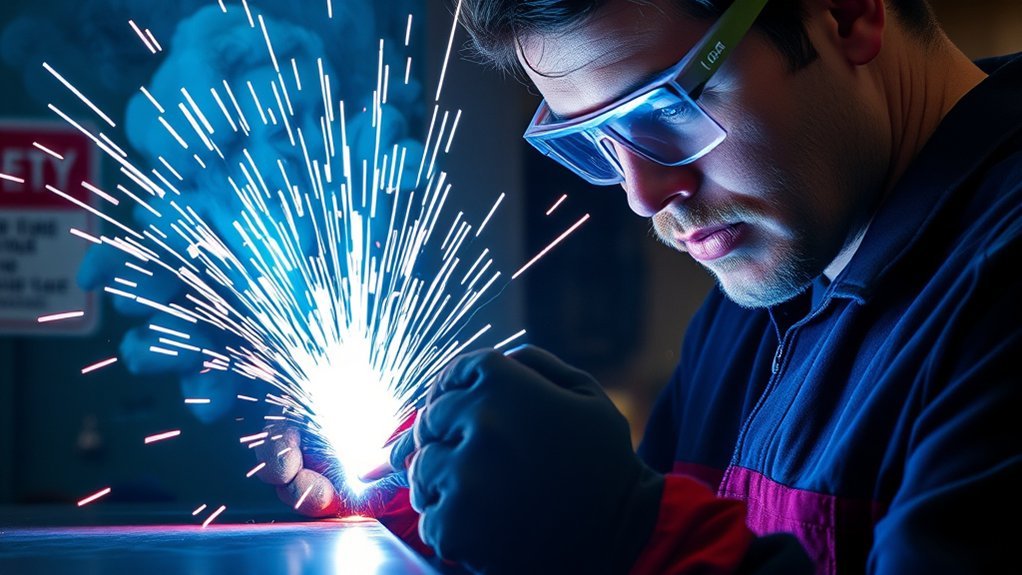
A plasma cutter can injure your eyes without the torch or hot metal touching you. Its arc produces intense visible, ultraviolet (UV), and infrared radiation. Unprotected exposure can damage the surface of the eye and cause photokeratitis, often called arc eye, welder’s flash, or a flash burn. Symptoms may not begin until hours after the cutting stops.
Quick Answer
Yes. A plasma cutter can cause a painful eye flash burn because its arc emits intense UV and other optical radiation. Symptoms often include pain, tearing, light sensitivity, blurred vision, redness, and a gritty feeling. Stop the exposure, avoid rubbing your eyes, and seek prompt medical advice if symptoms develop.
What’s in This Article
- Understanding Flash Burns From Plasma Cutters
- Common Symptoms and When They Start
- Flash Burn or Another Eye Injury?
- Causes and Risk Factors
- What to Do Immediately
- How Flash Burns Are Diagnosed
- Treatment and Recovery
- How to Prevent Flash Burns
- Protective Equipment Checklist
- When to Seek Medical Help
- Frequently Asked Questions
- Conclusion
- Sources
Key Takeaways
- Plasma arc radiation can injure your cornea and conjunctiva even when you are not the person operating the cutter.
- Symptoms are often delayed and may include pain, tearing, redness, blurred vision, light sensitivity, and a sand-like feeling.
- Use a properly shaded welding helmet or filtered cutting goggles together with impact-rated eye protection appropriate for the task.
- A clear face shield alone does not provide the filter shade required for viewing a plasma arc.
- Seek urgent care for reduced vision, severe or worsening pain, suspected metal in the eye, chemical exposure, discharge, or an abnormal-looking pupil.
Warning: Eye pain after plasma cutting is not always a simple flash burn. Sparks and metal fragments can also cause abrasions, embedded foreign bodies, or penetrating injuries. Do not try to remove anything stuck in the eye.
Understanding Flash Burns From Plasma Cutters
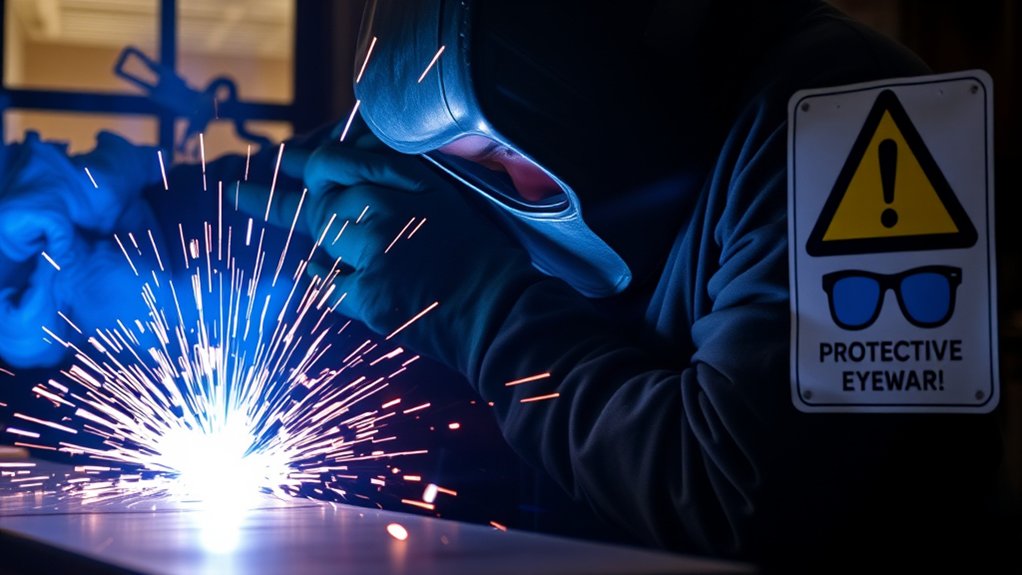
A plasma arc creates intense optical radiation. A CDC/NIOSH workplace evaluation measured ultraviolet and visible radiation above safe levels for unprotected eyes during plasma arc cutting.
A flash burn is medically known as photokeratitis. UV radiation damages cells on the cornea, the clear front surface of the eye, and may also irritate the conjunctiva. As damaged surface cells begin to shed, sensitive corneal nerves become exposed. That is why the condition can feel extremely painful even when no injury is visible without an eye examination.
The damage may occur before you feel anything. Pain often begins after the exposure rather than while the arc is active, so the absence of immediate discomfort does not mean your eyes were protected.
A plasma arc can expose an unprotected eye to hazardous radiation even when the exposure is brief or occurs from outside the operator’s normal viewing position.
Anyone near the arc needs protection. This includes helpers, visitors, fire-watch personnel, and workers who can see the arc through a gap in a curtain or by reflection from surrounding surfaces.
Common Symptoms and When They Start
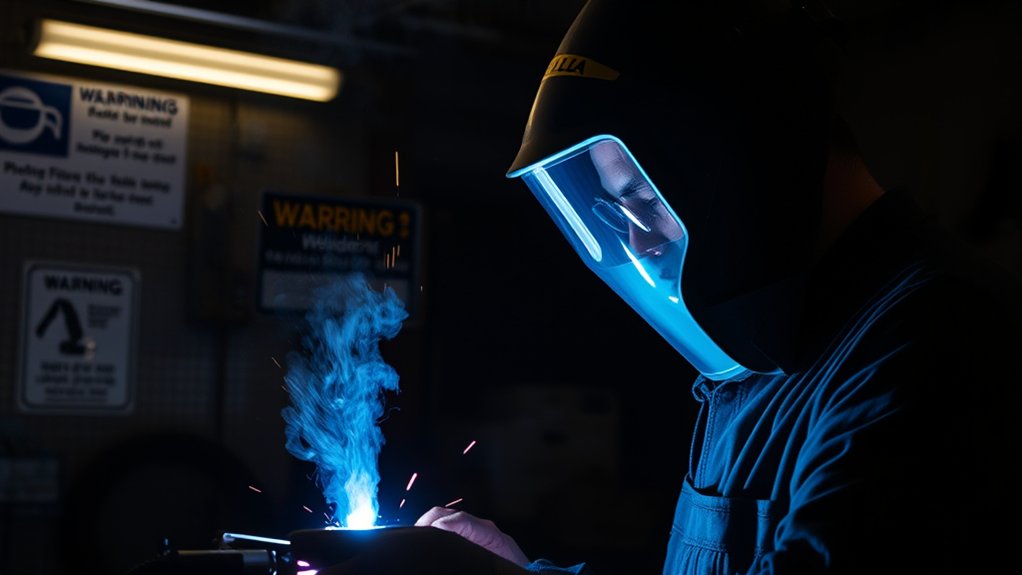
Symptoms commonly start several hours after UV exposure. Eye-care guidance reports that they may begin within about 30 minutes to 12 hours, although a delay of 6 to 12 hours is typical. The condition usually affects both eyes when both were exposed to the arc.
Common symptoms include:
- Burning, aching, or severe eye pain
- Light sensitivity, also called photophobia
- Red, watery, or bloodshot eyes
- Blurred or temporarily reduced vision
- A gritty or sandy feeling
- Swollen eyelids
- Difficulty keeping the eyes open
- Headache or eyelid spasms
Many uncomplicated cases improve within 24 to 48 hours. Some corneal surface injuries can take up to about 72 hours to heal. Pain that is worsening, vision that remains reduced, or symptoms that fail to improve need professional evaluation.
Note: Typical arc-related photokeratitis is often bilateral. Pain in only one eye, especially after grinding or cutting metal, raises concern for a scratch or retained fragment and should be assessed promptly.
Flash Burn or Another Eye Injury?
Plasma cutting creates several eye hazards at the same time. Symptoms that feel like a flash burn may come from a different injury that needs faster treatment.
| Possible Injury | Common Clues | Recommended Response |
|---|---|---|
| Photokeratitis | Delayed pain in both eyes, tearing, redness, light sensitivity, and gritty sensation after viewing or working near an arc. | Stop exposure and obtain medical advice, especially when pain or vision changes are significant. |
| Metal fragment or abrasion | Often affects one eye; sharp pain, persistent foreign-body feeling, tearing, or pain when blinking. | Do not rub or probe the eye. Arrange prompt examination. |
| Penetrating injury | Visible object, misshapen pupil, bleeding, sudden vision loss, or fluid leaking from the eye. | Emergency care now. Do not remove the object or place pressure on the eye. |
| Chemical exposure | Immediate burning after a cleaner, solvent, coating, or chemical enters the eye. | Begin continuous rinsing with clean lukewarm water and obtain emergency medical guidance. |
| Thermal burn | Immediate injury from hot slag, sparks, or molten metal, sometimes with eyelid or facial burns. | Cool the surrounding skin without pressing on the eye and seek urgent evaluation. |
Causes and Risk Factors of Plasma Cutter Flash Burns
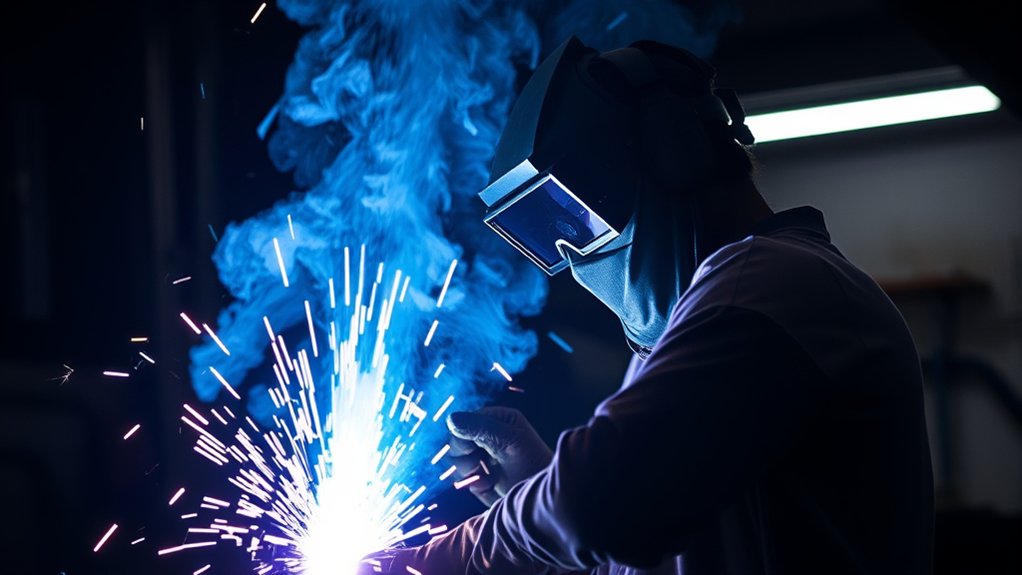
Plasma cutters produce bright visible light and invisible UV and infrared radiation. Looking toward the arc without the correct filtered protection can damage the eye surface.
Direct staring is not the only risk. Radiation may reach the eyes from the side, through gaps beneath curtains, or after reflecting from metal and other nearby surfaces. A NIOSH evaluation found that a small gap in a plasma-cutting curtain allowed optical radiation to reach a walkway because of the viewing angle.
| Risk Factor | Why It Raises Risk | Prevention |
|---|---|---|
| No filtered eye protection | The eyes receive direct radiant energy from the arc. | Wear the shade and eye-protection combination required by the cutter manual and applicable rules. |
| Wrong shade setting | A lens that is too light may not provide the required protection for the amperage or task. | Confirm the amperage, process, manual, and local workplace requirement before cutting. |
| Reflective surroundings | Radiation can reach the eyes indirectly or from the side. | Use low-reflectivity surroundings, barriers, curtains, and safe positioning. |
| Damaged or poorly fitted PPE | Cracks, gaps, pitted lenses, and loose straps can admit light or debris. | Inspect lenses, shells, side shields, headgear, and seals before every use. |
| Bystander exposure | Helpers or visitors may see the arc without realizing protection is required. | Restrict access, post signs, close curtain gaps, and provide proper eye protection. |
| Inadequate training | The operator may use the wrong lens, remove protection during alignment, or expose others. | Complete equipment-specific and workplace safety training before operating or assisting. |
What to Do Immediately After Plasma Arc Exposure
If you viewed a plasma arc without proper protection or symptoms have begun, stop cutting and take the exposure seriously.
- Leave the cutting area: Move away from the arc and into a dim room.
- Remove contact lenses: Remove them only if they come out easily. Do not force a lens off a painful eye.
- Do not rub your eyes: Rubbing can worsen surface damage or move a metal particle across the cornea.
- Rest with your eyes closed: Limit bright screens, sunlight, and other glare.
- Apply a cool compress: Place a clean, cool cloth over closed eyelids without pressing on the eyes.
- Use plain artificial tears: Preservative-free lubricating drops may reduce dryness and irritation.
- Consider oral pain relief: Use an over-the-counter pain reliever only when it is normally safe for you and according to the label.
- Contact a healthcare professional: Explain that the symptoms began after plasma-arc or UV exposure.
Warning: Do not place numbing drops, steroid drops, redness-relief drops, leftover antibiotics, or another person’s medication in the eye. Topical anesthetic drops used during an examination are not intended for unsupervised home use.
Note: Do not patch the eye unless a clinician specifically instructs you to do so. Routine patching does not improve uncomplicated corneal abrasions and may slow healing.
Diagnosing Flash Burns in the Eyes

An eye-care professional, urgent-care clinician, or emergency clinician can determine whether the problem is photokeratitis, an abrasion, a retained fragment, a chemical injury, or another condition.
The examination may include a vision test, pupil check, inspection beneath the eyelids, and fluorescein dye. Fluorescein is an orange dye that highlights damaged areas of the cornea when viewed with blue light or a slit lamp.
Eye Examination Process
- Exposure history: The clinician asks when the cutting occurred, whether the arc was directly visible, what amperage was used, and what protection you wore.
- Visual-acuity test: Each eye is checked separately for reduced vision.
- Pupil and eye-movement check: Abnormal pupils or restricted movement can point to a more serious injury.
- Numbing drops for the examination: A clinician may apply a short-acting anesthetic so the eye can be examined comfortably.
- Fluorescein staining: Dye reveals punctate surface damage, scratches, or areas where corneal cells have been lost.
- Foreign-body check: The clinician may inspect beneath the upper eyelid and look for embedded particles.
- Follow-up plan: Re-examination may be needed within one or two days when symptoms or surface damage are significant.
Do not drive yourself when blurred vision or light sensitivity makes driving unsafe.
Identifying Corneal Damage
The cornea contains many nerve endings, so a small surface injury can cause severe pain. Photokeratitis often creates many tiny areas of fluorescein staining across both corneas. A single scratch, vertical abrasion, rust ring, or localized defect may instead suggest a foreign body.
Tell the clinician if you wear contact lenses. Contact-lens wear changes the infection risk and can affect treatment choices. Do not wear the lenses again until the eye has healed and a clinician has cleared their use when medical care was required.
Effective Treatments and Recovery
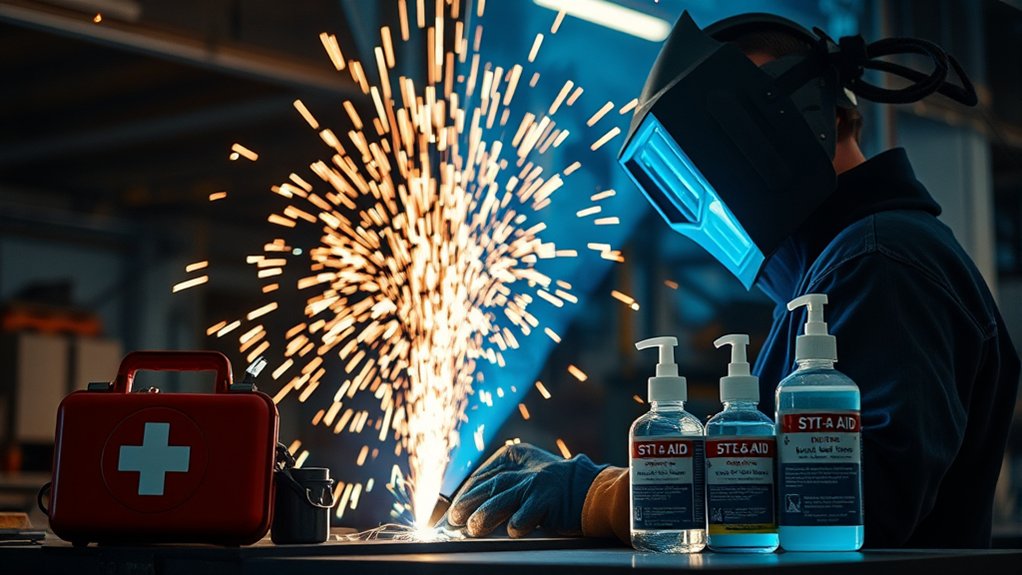
Treatment for uncomplicated photokeratitis is usually supportive while the corneal surface heals. The exact plan depends on the examination and whether a scratch, foreign body, infection risk, or more serious injury is present.
Care may include:
- Reduced light exposure: A dim room and sunglasses may make light sensitivity easier to tolerate.
- Cool compresses: A clean, cool cloth over closed eyelids can reduce discomfort.
- Lubricating drops or ointment: Plain artificial tears may reduce dryness and friction.
- Oral pain medication: Use only as directed and only when the medicine is safe for you.
- Prescription treatment: A clinician may prescribe an ointment or drops when the examination shows a reason for them.
- Follow-up: Persistent, worsening, or severe symptoms should be reassessed.
Do not rub your eyes, return to contact lenses, or resume plasma cutting while symptoms remain. Most uncomplicated cases improve within 24 to 48 hours, although full surface healing may sometimes take up to about 72 hours.
Pro Tip: Before returning to work, identify how the exposure occurred. Replace damaged lenses, correct the shade setting, close curtain gaps, and make sure nearby workers are protected before the arc is started again.
Preventive Measures for Avoiding Flash Burns
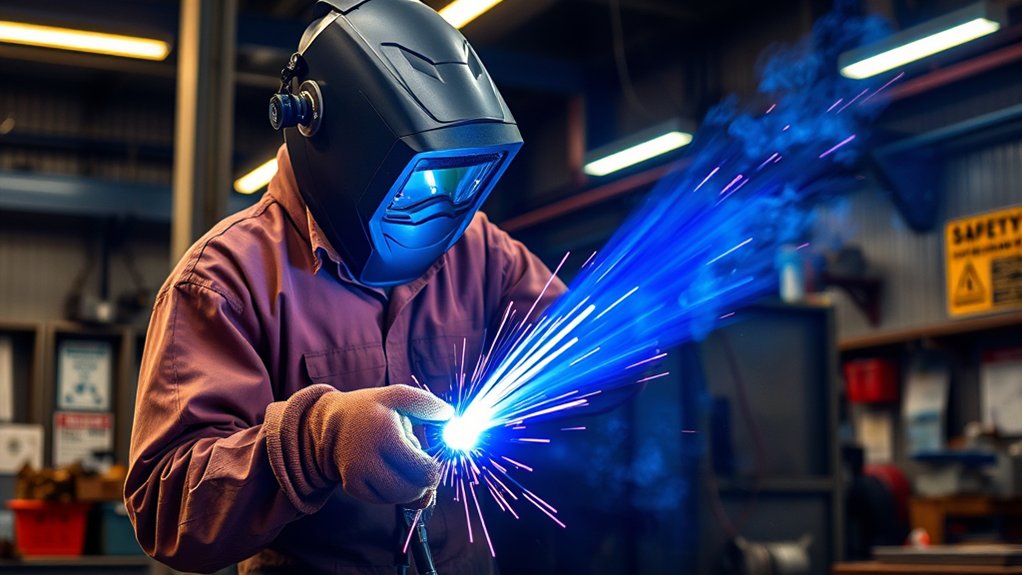
Preventing a flash burn requires more than choosing dark-looking eyewear. Protection must match the cutting current, applicable safety rules, equipment instructions, viewing angle, and particle hazards.
Products Worth Considering
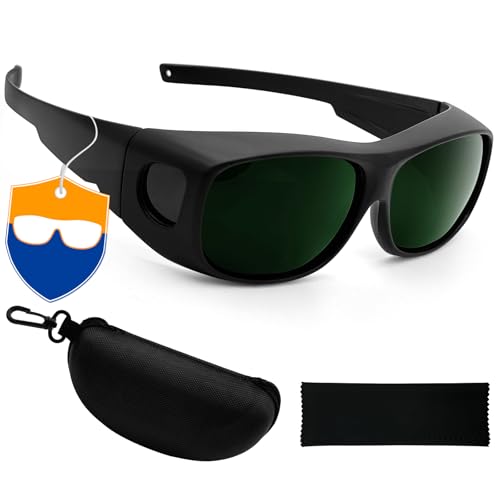
1.VERSATILE WELDING & CUTTING APPLICATIONS - These welding goggles are ideal for oxy-acetylene torch welding, plasma cutting, brazing, soldering, and low-amp TIG welding on thin materials. Perfect for workshops, foundries, automotive repair, and DIY projects. The shade 5.0 lens provides excellent glare reduction for a wide range of light-duty welding and cutting tasks

INFARED (IR) PROTECTION - Certified IR 5.0 protection for use in grinding, oxyfuel cutting, plasma cutting and more
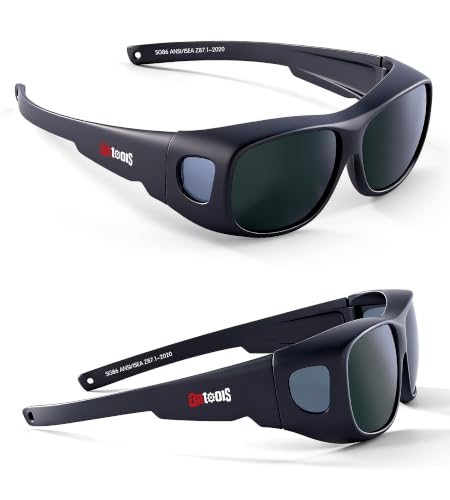
Strong & Durable Design: Thanks to their tough polycarbonate wraparound construction, these anti-fog safety goggles offer superior protection from both direct and peripheral threats.
Why Protective Eyewear Matters
A properly shaded welding helmet or filtered cutting goggles protect against radiant energy from the arc. Impact-rated safety glasses or goggles with side shields protect against flying particles. A face shield may add facial protection from sparks and hot debris, but a clear shield does not replace filtered arc protection.
Current OSHA eye-protection guidance states that welding helmets should not be used as stand-alone protection where other eye hazards exist. Side protection and properly marked filter lenses are also important.
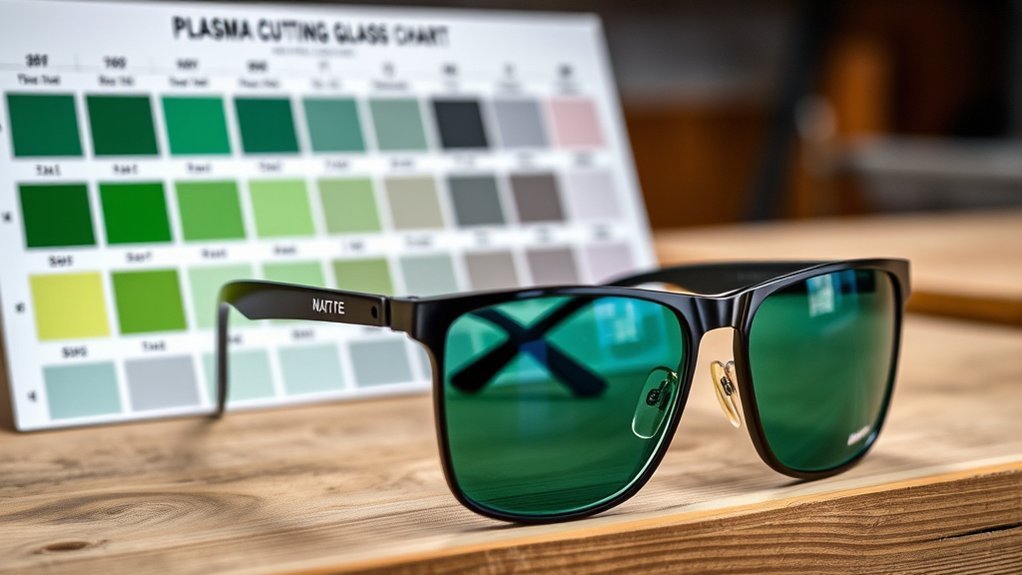
Plasma Cutting Lens Shade Guide
The following values summarize OSHA’s minimum protective shades for plasma arc cutting when the arc is clearly visible. They are a starting point, not a substitute for the cutter manual, employer safety program, or local law.
| Plasma Arc Cutting Current | OSHA Minimum Protective Shade |
|---|---|
| Fewer than 300 amps | Shade 8 |
| 300 to 400 amps | Shade 9 |
| More than 400 to 800 amps | Shade 10 |
Manufacturer and ANSI recommendations may provide more detailed ranges for lower-amperage handheld systems. For example, the current Hypertherm Safety and Compliance Manual lists task-specific minimum shades based on amperage while also displaying the OSHA values. Follow the most protective requirement that applies to your equipment and work setting.
Warning: Do not select a lighter lens only because it makes the cut line easier to see. Start with a sufficiently dark setting and never go below the applicable minimum shade.
How to Use Safety Gear Correctly
- Inspect the lens: Replace any lens that is cracked, deeply scratched, pitted, loose, or discolored.
- Check the shade: Confirm the amperage and shade before striking the arc.
- Wear side protection: Use impact-rated spectacles or goggles appropriate for flying fragments.
- Close coverage gaps: Adjust the helmet, goggles, clothing, and curtains so direct arc light cannot enter from the side.
- Protect nearby people: Use flame-resistant curtains or screens, signs, and restricted access.
- Control reflections: Position the work and barriers to limit reflected arc light.
- Keep protection in place: Do not lift the helmet or look around the lens while the arc is active.
Protective Equipment for Plasma Cutter Safety
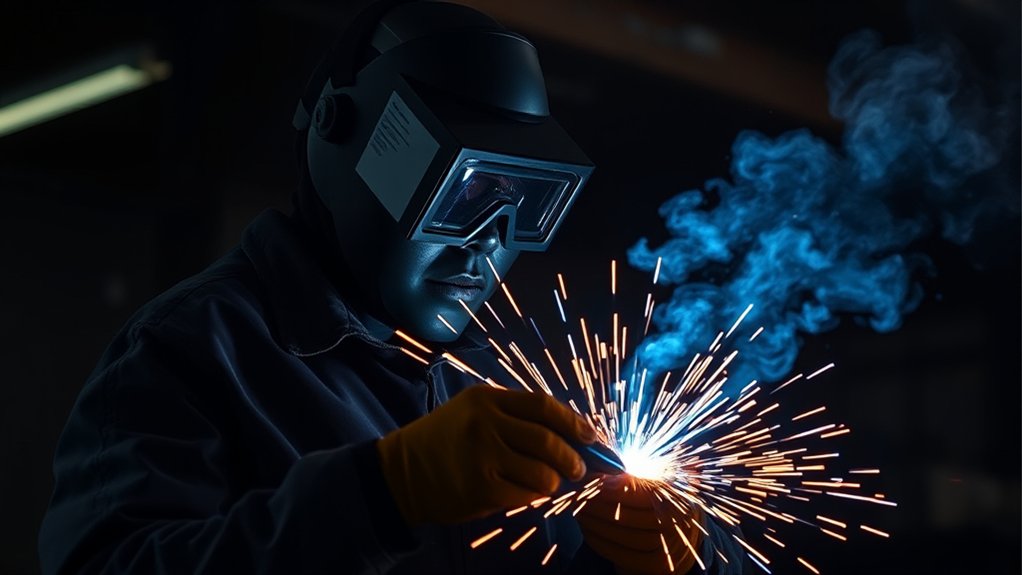
Safe plasma cutting requires eye, face, hand, body, foot, hearing, and work-area protection. Each item addresses a different hazard.
| Safety Item | Purpose | Important Limitation |
|---|---|---|
| Shaded welding helmet | Protects the eyes, face, and neck from arc radiation and some sparks. | Use the correct filter shade and wear impact protection underneath when required. |
| Filtered cutting goggles | May provide shaded arc protection for tasks and currents permitted by the manufacturer and applicable rules. | Ordinary clear safety goggles are not filtered arc-viewing goggles. |
| Safety glasses with side shields | Reduce the risk from flying fragments and particles. | Clear lenses alone do not provide the required arc-viewing shade. |
| Face shield | Adds protection from sparks, heat, and debris. | A clear face shield is secondary protection and does not replace a shaded helmet or filtered goggles. |
| Flame-resistant clothing | Covers the skin against UV exposure, sparks, and hot metal. | Avoid synthetic clothing that can melt when exposed to heat. |
| Heat-resistant gloves | Protect the hands from hot metal and sparks. | Gloves do not protect against the live plasma arc, which can cut through them. |
| Closed leather footwear | Protects the feet from hot slag and falling metal. | Keep trouser cuffs and openings from catching sparks. |
| Cutting curtains and barriers | Reduce accidental viewing and protect nearby workers. | Check beneath, beside, and above the curtain for viewing gaps. |
Pro Tip: Keep a clean replacement outer lens or cover plate available. Stop the job and replace damaged eye protection rather than finishing “one last cut” through a pitted or cracked lens.
Products Worth Considering

Cutting Kit: Includes IPT40 electrode tips for CUT 55DS Pro and for CUT 65DS plasma cutting machines, ensuring accurate and efficient cutting performance.

Heavy-Duty Design: This 2-tier welding cart offers 265LBS maximum static weight capacity and 176LBS maximum dynamic weight capacity. Ideal for various welding applications, including manual welding, gas shielded welding, and argon arc welding, it's your go-to cart for mobile welding needs.

SUPERIOR OPTICAL CLARITY (1/1/1/2): See your weld like never before. With an industry-leading 1/1/1/2 optical rating and True Color technology, this helmet eliminates the traditional lime-green tint, providing a high-definition, crystal-clear view of the weld puddle and heat zone.
When to Seek Medical Help for Eye Flash Burns
Contact an eye-care professional, urgent-care clinic, or other healthcare provider when eye pain, light sensitivity, redness, tearing, or blurred vision develops after plasma-arc exposure. A professional examination is the only reliable way to rule out a scratch, retained fragment, or deeper injury.
Seek urgent or emergency care now if you have:
- Sudden or significant loss of vision
- Severe or rapidly worsening pain
- A visible or suspected object embedded in the eye
- A misshapen or unequal pupil
- Bleeding from the eye or fluid leaking from it
- Chemical exposure
- Hot slag or molten metal in the eye
- Pus, marked swelling, fever, or increasing redness
- Inability to open the eye
- Symptoms mainly in one eye after cutting or grinding metal
Arrange reassessment if symptoms are not clearly improving within 24 hours, remain significant after 48 hours, or return after initially improving.
Do not return to plasma cutting until pain, blurred vision, tearing, and light sensitivity have resolved. Replace or correct the failed protective equipment before resuming work. Contact-lens wear should remain paused until the surface has healed.
Frequently Asked Questions
How Long Does It Take for Flash Burn Symptoms to Appear?
Symptoms may begin from about 30 minutes to 12 hours after UV exposure. A delay of roughly 6 to 12 hours is common, which is why your eyes may feel normal when the cutting job ends.
Can Flash Burns From Plasma Cutters Cause Permanent Damage?
Most uncomplicated cases heal without lasting vision loss. Permanent problems are more likely when the injury is severe, another injury is mistaken for a flash burn, infection develops, or medical care is delayed despite worsening symptoms.
Are Certain People More Susceptible to Flash Burns?
Anyone with unprotected exposure can develop photokeratitis. Risk rises when the arc is directly visible, the lens shade is too light, PPE is damaged, reflective surfaces are present, curtains have gaps, or a person remains near the arc without protection.
How Does Plasma Cutter Flash Compare to Other Welding Processes?
Plasma cutting and arc welding both produce hazardous optical radiation. The required lens shade differs by process and current, so protection selected for one operation should not automatically be assumed suitable for another.
Can Indirect Exposure to Plasma Cutting Cause Flash Burns?
Yes. Arc radiation can reach a person through a curtain gap, from the side, or after reflecting from nearby surfaces. Barriers, restricted access, warning signs, safe positioning, and proper eye protection are needed for operators and bystanders.
Should You Wear Contact Lenses While Plasma Cutting?
Contact lenses do not replace protective eyewear. Follow your workplace policy and equipment-safety program. If eye irritation or a flash burn occurs, stop wearing the lenses until the eye has healed and a clinician has cleared their use when treatment was needed.
What Should You Do First After Accidental Arc Exposure?
Stop cutting, move into dim light, remove contact lenses if they come out easily, avoid rubbing your eyes, apply a cool compress over closed eyelids, and contact a healthcare professional if symptoms develop.
What Shade Lens Should You Use for Plasma Cutting?
The correct shade depends on the amperage, applicable safety standard, cutter manual, and whether the arc is clearly visible. OSHA lists minimum shades 8, 9, and 10 for plasma arc cutting across increasing current ranges. Never use a shade lighter than the applicable minimum.
Medical Disclaimer: This article provides general safety and health information and is not a diagnosis or a substitute for care from a qualified medical professional. Eye injuries can threaten vision. Seek professional help for pain, vision changes, suspected debris, chemical exposure, or symptoms that are severe, worsening, or persistent.
Conclusion
A plasma cutter can cause a painful eye flash burn even without direct physical contact. Symptoms are often delayed, so every operator and nearby worker must use properly selected eye and face protection whenever the arc is active.
Use a shaded helmet or filtered cutting goggles that meet the applicable requirement, wear impact-rated eye protection appropriate for flying fragments, and use barriers to protect bystanders. A clear face shield alone is not enough for arc viewing.
If pain, tearing, light sensitivity, or blurred vision develops, stop work and treat the exposure seriously. Prompt medical evaluation is especially important when vision is reduced, pain is severe, one eye is affected after flying debris, or symptoms are not improving.
Sources
- OSHA 29 CFR 1910.133 — Eye and Face Protection — protective-device standards and filter-lens requirements.
- OSHA 29 CFR 1910.252 — Welding, Cutting, and Brazing — arc-cutting eye protection, screens, shields, and worker protection.
- OSHA Eye Protection Against Radiant Energy Fact Sheet — minimum filter shades for plasma arc cutting.
- CDC/NIOSH Health Hazard Evaluation 2016-0027-3260 — measured plasma-cutting optical radiation and curtain/bystander controls.
- College of Optometrists — Photokeratitis Clinical Guidance — symptom timing, expected recovery, and contact-lens precautions.
- Hypertherm Safety and Compliance Manual — plasma-arc PPE, shade guidance, barriers, and reflection control.