Best Gloves for Plasma Cutting Safety and Control
What’s in This Article
- Understanding the Risks of Plasma Cutting
- The Importance of Proper Hand Protection
- Types of Gloves for Plasma Cutting
- Key Features to Look for in Gloves
- Best Material Choices for Gloves
- Maintaining Dexterity and Comfort
- Selecting the Right Size and Fit
- Additional Protective Gear to Consider
- Recommended Brands and Models
- Frequently Asked Questions
- Conclusion
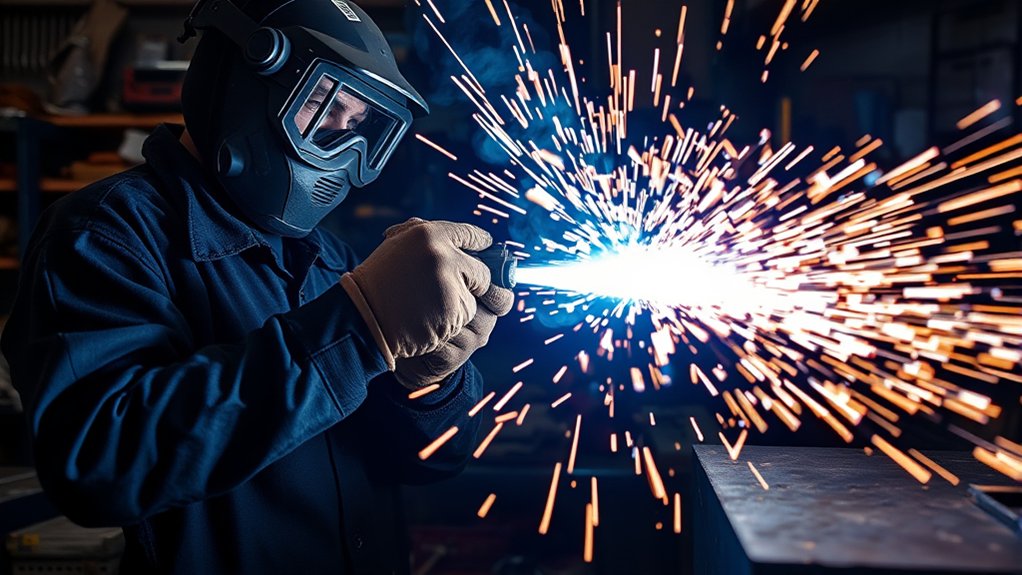
Plasma cutting can burn your hands fast if you use the wrong gloves. Sparks, hot metal, sharp edges, and radiant heat can reach your skin before you react. The right gloves help you grip the torch, handle metal, and work with better control. This guide explains what to look for so you can choose safer gloves for plasma cutting.
Quick Answer
The best gloves for plasma cutting use heat-resistant leather, reinforced seams, and enough cuff length to protect your wrists. Choose snug gloves that let you move your fingers, because bulky gloves can reduce control. Kevlar-lined or cut-resistant gloves also help when you handle sharp metal after cutting.
Key Takeaways
- Choose leather or flame-resistant gloves that can handle sparks, heat, and metal splatter.
- Use snug gloves that protect your hands without blocking finger movement or grip.
- Pick longer cuffs when sparks may hit your wrists or forearms.
- Check gloves often for holes, burns, thin spots, and weak seams.
- Wear gloves with full safety gear, including eye, face, hearing, and breathing protection.
Understanding the Risks of Plasma Cutting
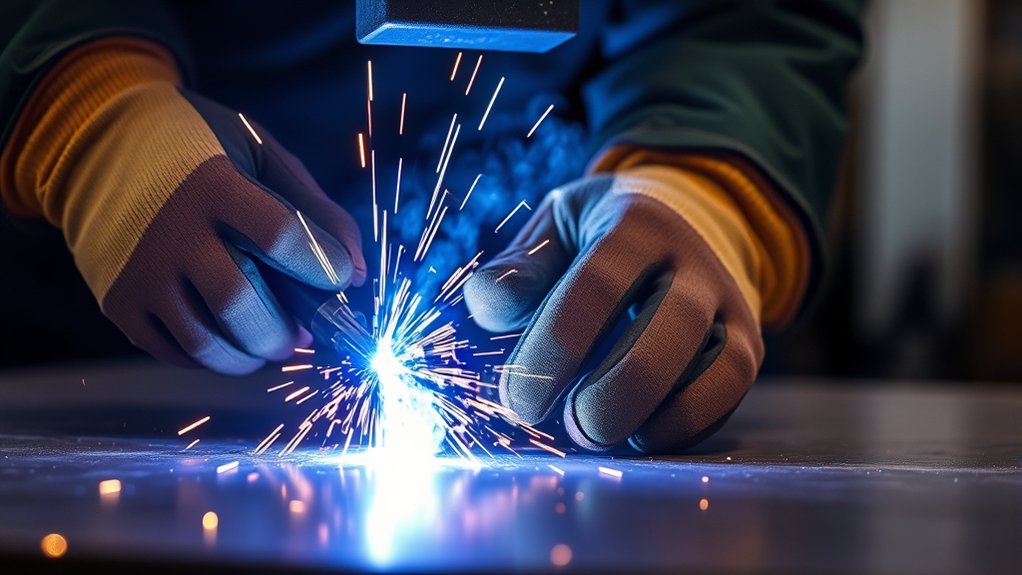
When you’re working with a plasma cutter, you need to understand the main risks before you start. Plasma cutting creates extreme heat, bright arc light, flying sparks, and molten metal. These hazards can cause burns, eye injury, cuts, or fire if you skip basic safety steps.
Flying debris can also strike your hands while you guide the torch or move cut metal. Training helps you hold the torch safely, control the work area, and respond fast when something goes wrong.
Plasma cutting may also release toxic fumes and fine particles, especially when you cut coated, painted, or dirty metal. Use proper ventilation and respiratory protection when your work area or material creates fume risks.
Plasma cutters can also produce loud noise. Wear hearing protection when the cutting process or shop noise reaches unsafe levels.
Warning: Never use thin fabric, rubber, or general work gloves for plasma cutting because they can burn, melt, or fail under sparks and heat.
The Importance of Proper Hand Protection
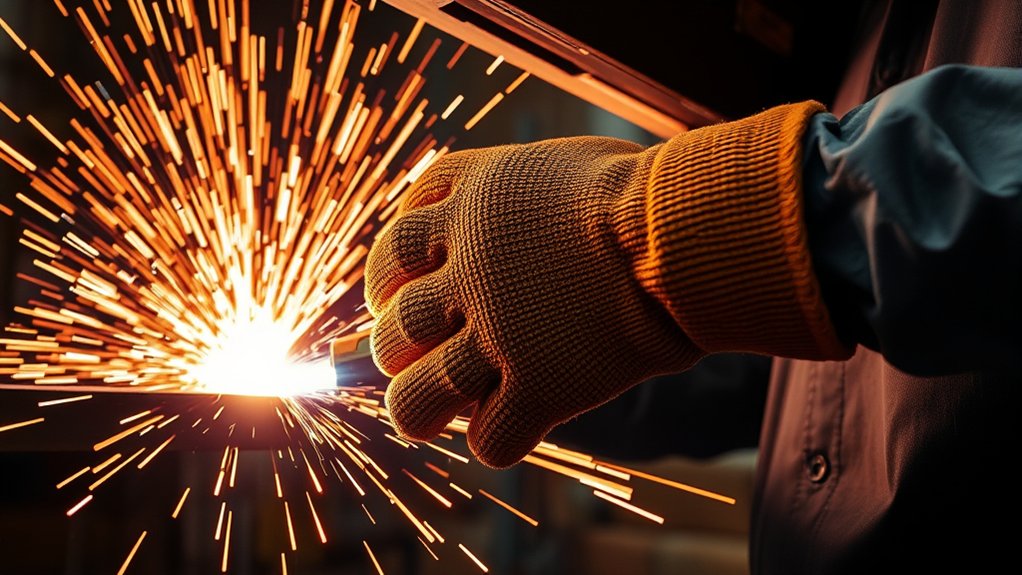
Understanding plasma cutting risks is only the first step. You also need gloves that protect your hands while still letting you control the torch.
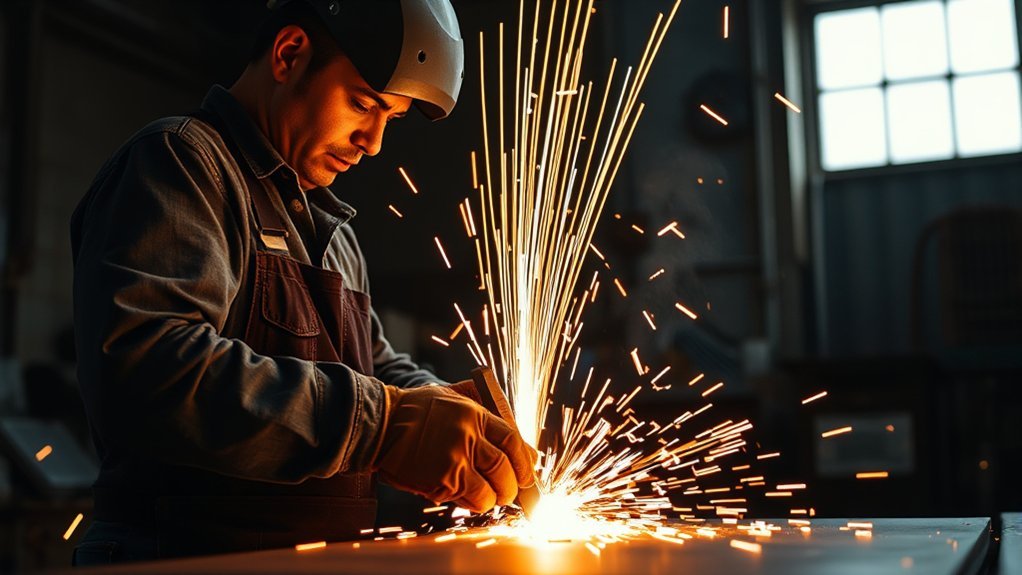
High-quality leather welding gloves provide useful heat resistance, spark protection, and basic cut protection. They help shield your hands from burns caused by hot metal and sparks during cutting work.
Inspect your gloves before each job. Holes, thin leather, weak seams, and burn marks can reduce protection and put your hands at risk.
Kevlar-lined gloves can add more cut resistance when you handle freshly cut metal with sharp edges. The right gloves also improve grip and control, which helps you cut with better safety and accuracy.
Proper hand protection supports a safer work area. Your gloves act as your first line of defense when your hands stay close to heat, sparks, and sharp metal.
Types of Gloves for Plasma Cutting
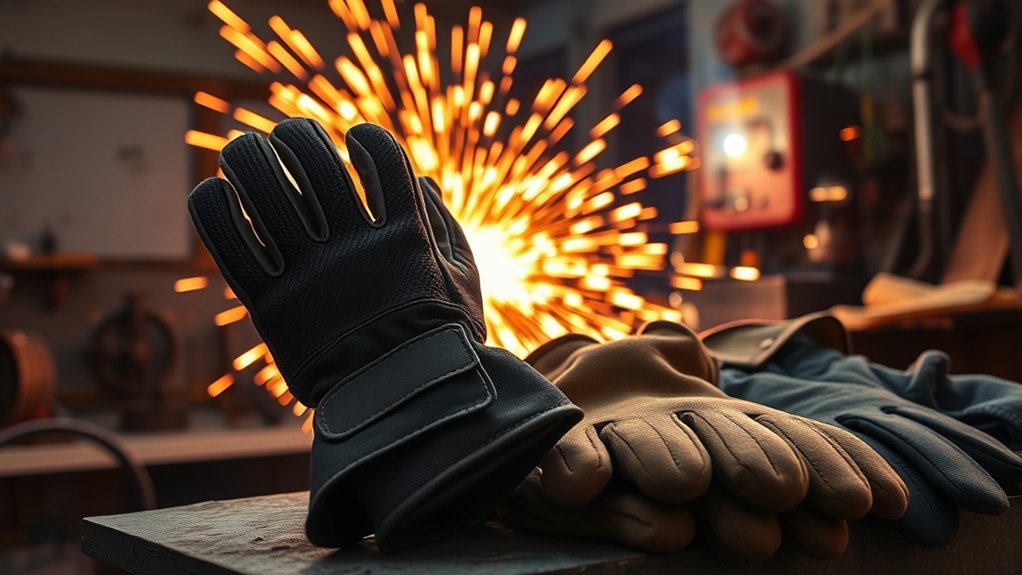
When you select gloves for plasma cutting, choose heat-resistant materials that can handle sparks and hot debris. Leather remains one of the most common choices because it balances protection, grip, and durability.
Kevlar-lined gloves can help when you need extra cut resistance after the cut. This feature matters most when you move sheet metal, sharp offcuts, or freshly cut edges.
Your gloves should fit snugly without limiting your finger movement. Good fit helps you guide the torch and handle material with more control.
Products Worth Considering

Resist metals and sharps with an interior HPPE/Steel protective liner that provides industry-leading, 360-degree ANSI/ISEA Level A7 cut resistance over the whole hand

PREMIUM MATERIALS. Durability with high grade of US split leather available on the market. Got the CE EN388 and EN407 Certificates. Full cow split leather back till the cuff. Unlike other stiff welding gloves, these gloves are softer. Heat and flame resistant for all types of welding.
Resist metals and sharps with an interior HPPE/Steel protective liner that provides industry-leading, 360-degree ANSI/ISEA Level A7 cut resistance over the whole hand
Heat Resistance Materials
Plasma cutting exposes your gloves to sparks, radiant heat, and hot metal. You can reduce risk by choosing materials built for welding or metalwork.
Leather gloves offer strong heat resistance and good spark protection. Cowhide, goatskin, and pigskin gloves can all work, but each type feels different in thickness, grip, and flexibility.
Kevlar-lined gloves add cut protection while still giving you some heat protection. For more coverage, choose welding gauntlets with cuffs that protect your wrists and lower forearms.
Flame-resistant materials also help reduce burn risk when sparks land on your gloves. Avoid synthetic gloves unless the manufacturer clearly rates them for welding or high-heat metalwork.
Cut Protection Features
Heat resistance matters, but cut protection matters too. Freshly cut metal can have sharp edges that slice weak gloves fast.
Leather gloves remain a strong option because they can block sparks and help protect against sharp edges. For higher cut resistance, choose Kevlar-lined gloves or gloves with cut-resistant panels.
Make sure your gloves fit close enough to prevent loose material from catching on tools or metal. They should also cover your wrists and part of your forearms when sparks travel toward your body.
Look for reinforced palms and fingers. These areas take the most abuse when you grip metal, clamps, and tools.
Flame-resistant properties also help reduce burn risks from hot metal splatter and sparks. Prioritize these features for better safety and performance.
Comfort and Dexterity
Plasma cutting requires both protection and hand control. You need glove flexibility so you can hold the torch, adjust parts, and reduce hand fatigue.
- Choose leather gloves: Look for heat resistance, edge protection, grip, and enough flexibility for torch control.
- Consider Kevlar-lined options: Use them when you handle sharp metal pieces after cutting.
- Check the fit: Pick gloves that feel snug but don’t restrict finger movement.
Long cuffs can also protect your wrists and forearms from sparks and hot debris. They work well when you cut above a bench or near angled metal.
Key Features to Look for in Gloves
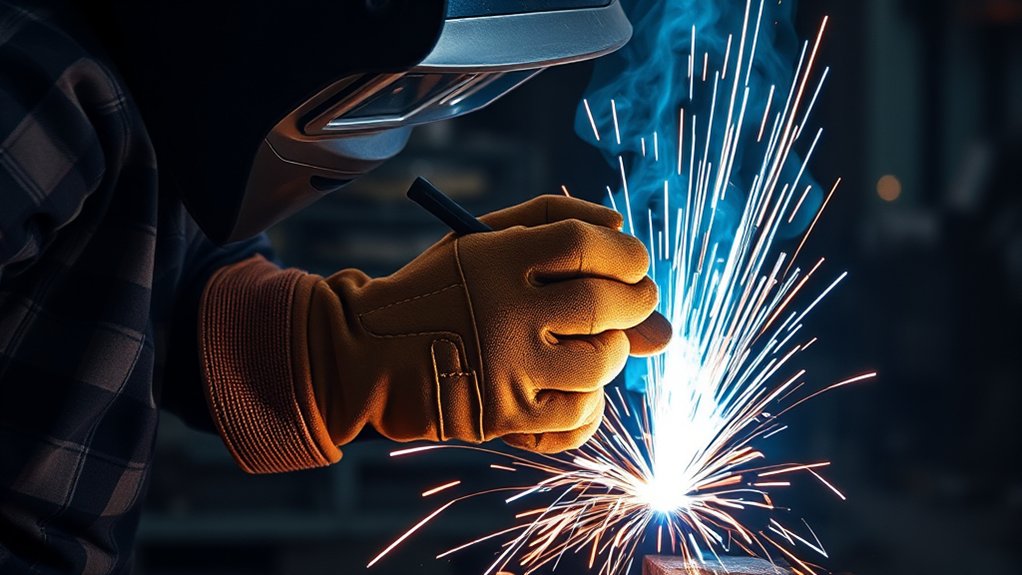
When you choose gloves for plasma cutting, start with leather or other flame-resistant options. These materials help protect your hands from sparks, heat, and hot metal particles.
Look for reinforced stitching and strong seams. These features help gloves last longer when you handle rough or sharp metal.
A snug fit matters because gloves that feel too loose can reduce control. Gloves that feel too tight can limit movement and make your hands tire faster.
Consider a Kevlar lining when you need more cut resistance. This helps when you handle sharp metal edges after cutting.
Choose gloves with a longer cuff design when sparks may reach your wrists or lower forearms. A longer cuff gives you more coverage during normal cutting tasks.
Pro tip: Keep one glove pair for cutting and another pair for clean layout work so oil, dirt, and metal dust don’t reduce grip.
Products Worth Considering

CUT PROTECTION: Engineered with cut-resistant ParaActiv knit liner for 360° protection with ANSI A4 cut resistance
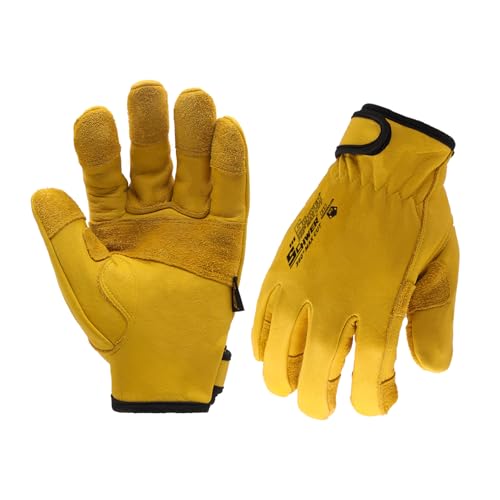
ANSI A9 Cut Resistant Liner - These PM3401 leather cut resistant work gloves feature a cut-resistant knit lining. Certified to ANSI/ISEA 105 Cut Level A9. Effectively guards against sharp edges, blades, metal, and glass—an ideal choice for high-risk job requiring safety. Note: The outer leather layer is not cut-resistant; the inner liner provides A9 cut resistance.

CUT RESISTANT: Cut proof, impact resistant work gloves provide excellent protection against cutting hazards, knocks and bumps while at the same time being comfortable and allowing full dexterity. Great for construction workers or for someone needing a great pair of yard work gloves for home use
Best Material Choices for Gloves
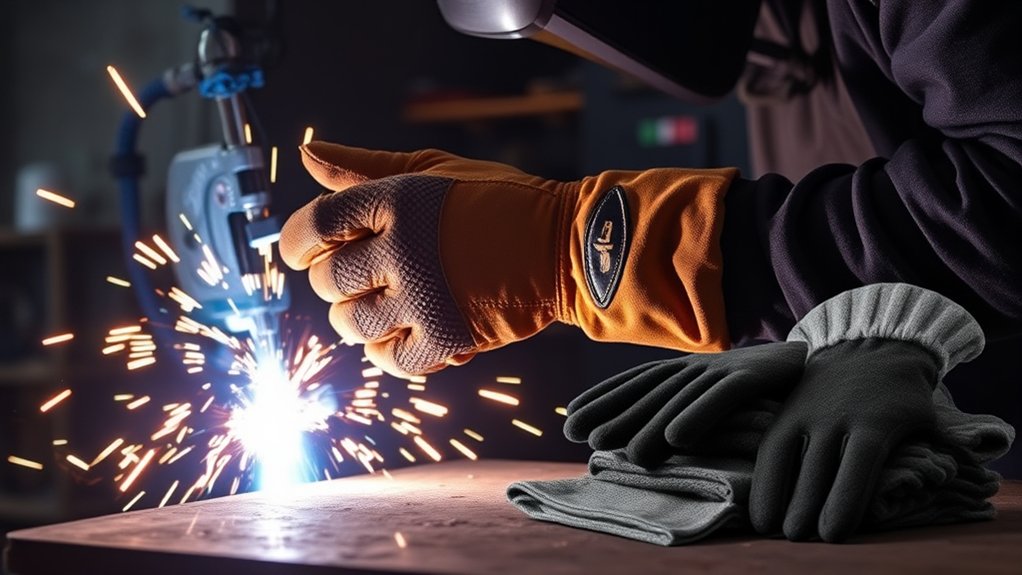
When you select gloves for plasma cutting, prioritize materials that handle heat resistance well. Leather is a strong choice because it resists sparks and gives steady grip.
Kevlar-lined options add cut protection while helping your hands stay flexible. This balance helps you handle the torch and move metal with better control.
Choose gloves that feel snug and comfortable. Poor fit can lead to dropped parts, weak grip, or accidental contact with hot metal.
Heat Resistance Levels
When you work with a plasma cutter, choose gloves made for welding, cutting, or metal fabrication. General work gloves often do not provide enough heat or spark protection.
Check the glove label or product information for heat resistance, flame resistance, and welding use. Do not rely only on thickness because thick gloves can still fail if the material can’t resist heat.
Focus on these core features:
- Leather construction: Choose durable leather that protects against sparks, light heat contact, and rough metal.
- Reinforced palms and fingers: Use reinforced areas for better protection against wear, sparks, and sharp edges.
- Comfortable fit: Pick gloves that fit snugly while still letting you control the torch.
Check the manufacturer’s heat rating before you buy. Ratings can vary a lot between glove styles and brands.
Cut Protection and Durability
Choosing the right gloves for plasma cutting helps protect your hands and supports cleaner work. Select materials that offer useful cut resistance and strong durability. Leather gloves work well because they resist heat and protect against many sharp metal edges. Kevlar-lined gloves can add more cut resistance while keeping some flexibility. Choose flame-resistant materials to help reduce burn risk from sparks.
Make sure the gloves fit well. Loose gloves can catch on parts, while tight gloves can limit movement. Always choose gloves designed for welding, cutting, or metalworking.
| Material | Cut Resistance | Durability |
|---|---|---|
| Leather | Moderate | High |
| Kevlar-lined | High | Moderate to High |
| Flame-resistant | Varies by material | Varies by build quality |
Dexterity and Comfort
After you check cut protection, focus on dexterity and comfort. These features help you guide the torch and handle parts safely.
The right glove design improves your control while still protecting your hands. Compare these common choices:
- Leather gloves: Good leather offers durability, heat resistance, and a steady grip.
- Kevlar gloves: Kevlar helps resist cuts and sparks while keeping the glove flexible.
- Reinforced gloves: Extra padding in high-wear areas can reduce fatigue during longer jobs.
Prioritize gloves that protect your hands without making the torch feel hard to control. Your safety depends on both coverage and grip.
Maintaining Dexterity and Comfort
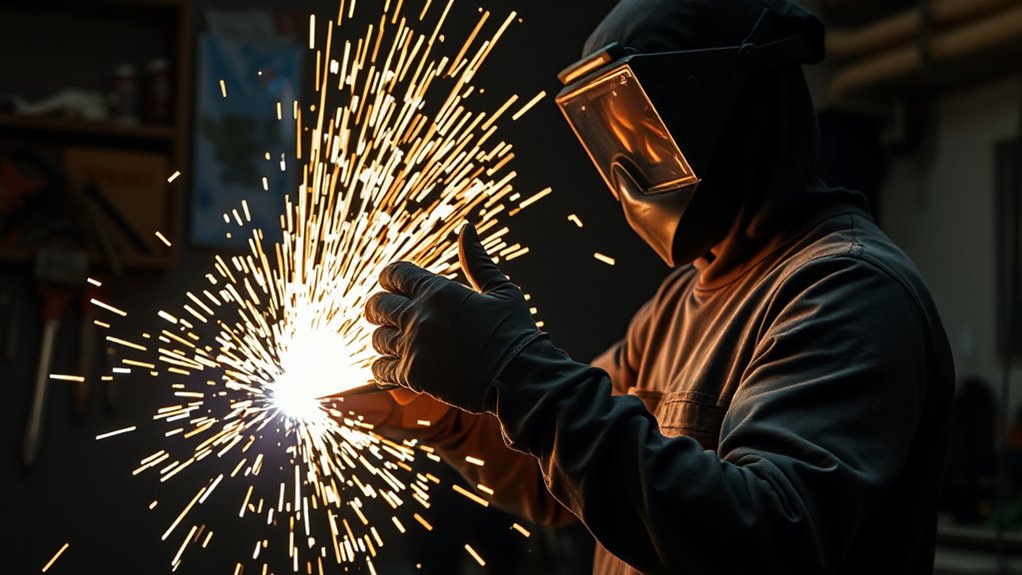
When you use a plasma cutter, dexterity and comfort help you cut with better precision. Gloves play a major role in that balance.
Choose leather or Kevlar-lined gloves for heat resistance, flexibility, and safer plasma cutting control.
Materials like leather or Kevlar-lined leather offer heat resistance and movement. These materials help you keep a secure hold and improve grip while you handle tools and metal.
Gloves made for welding and plasma cutting often include reinforced seams and padding in high-wear areas. This design improves comfort and protection without blocking normal hand movement.
Inspect your gloves often for wear and damage. Damaged gloves can reduce control and increase accident risk.
Replace gloves when you find holes, stiff burned areas, thin spots, or weak seams. Reliable gloves help you keep the control you need during cutting tasks.
Selecting the Right Size and Fit
Selecting the correct size and fit helps you work with more safety and control. Proper glove sizing prevents loose material from catching and helps you keep dexterity.
Use these steps to find a snug fit:
- Measure your hand: Use a measuring tape to check palm circumference and hand length from wrist to middle fingertip. Compare your measurements with the manufacturer’s sizing chart.
- Check for snugness: Your gloves should fit close to your hand without feeling restrictive. A proper fit helps prevent the glove from catching on tools or metal.
- Test dexterity: Try gripping small objects or copying normal cutting motions. Good plasma cutting gloves should support firm grip and precise control.
Choose comfort and control together. A glove that protects well but blocks movement can still create safety problems.
Additional Protective Gear to Consider
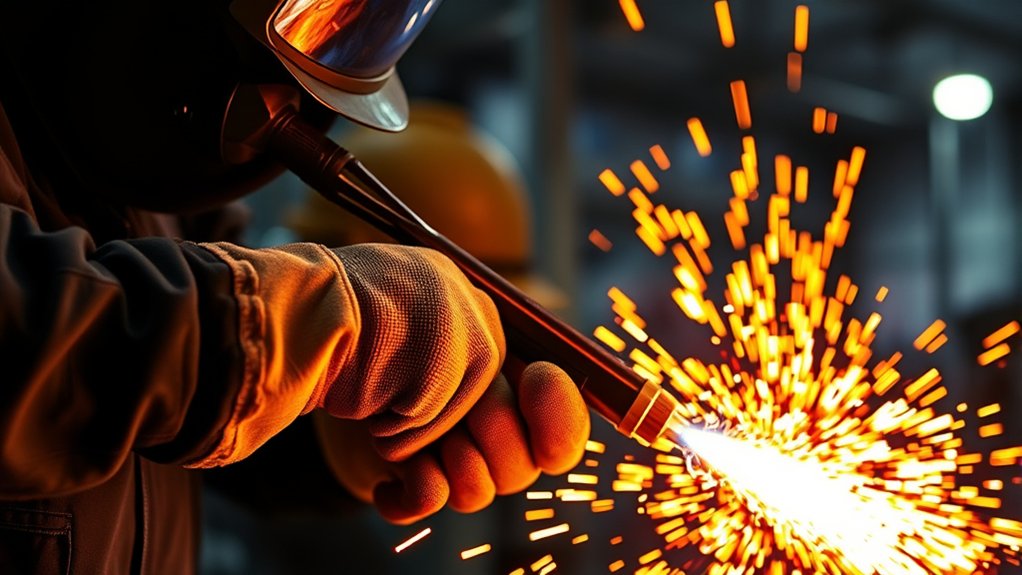
A proper glove fit protects your hands, but plasma cutting requires more personal protective equipment. You need full protection for your eyes, face, lungs, ears, and body.
Use flame-resistant clothing to protect your body from sparks and heat. A welding helmet with proper shade protection helps protect your eyes from bright arc light and harmful ultraviolet (UV) and infrared (IR) radiation.
Use a face shield when you need extra protection from flying debris and sparks. Safety glasses under a face shield add another layer of eye protection.
Plasma cutters can create dangerous noise levels in some work areas. Use hearing protection, such as earmuffs or earplugs, when shop noise feels loud or lasts a long time.
A respirator or mask may help filter harmful fumes and particles when ventilation alone is not enough. Match your respiratory protection to the material you cut and the hazards in your workspace.
Recommended Brands and Models
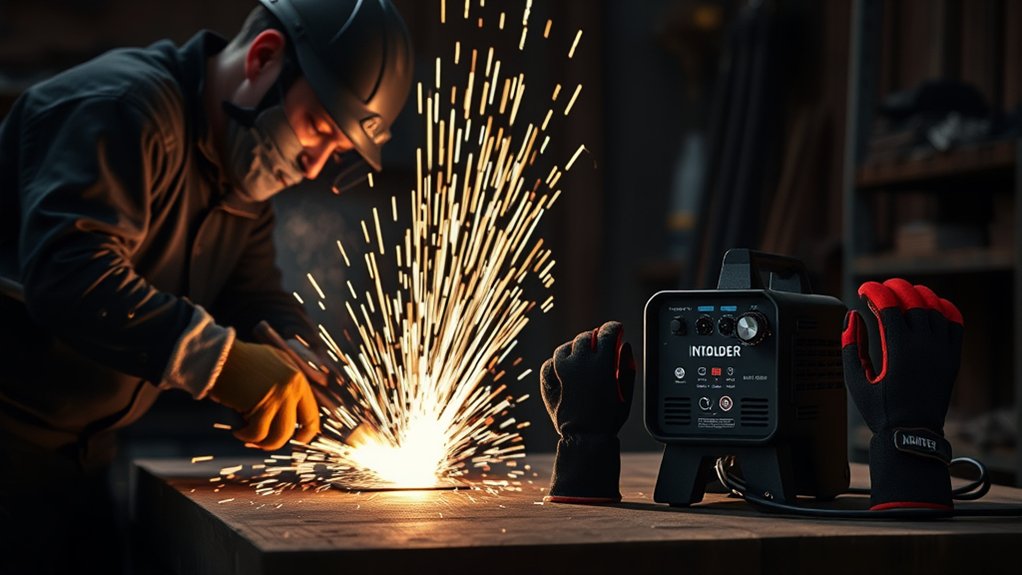
If you’re choosing gloves for plasma cutting, start with high-quality leather options that offer heat resistance, spark protection, and good hand control.
The models below may fit common welding and cutting needs, but you should confirm current specifications before buying:
- Lincoln Electric K2979: These gloves combine leather construction with heat resistance and spark protection while keeping useful dexterity.
- Miller Electric 263360: These gloves focus on comfort, fit, and control for welding and cutting work.
- Revco Black Stallion BSX Series: These gloves often include durable leather and reinforced areas for demanding metalwork tasks.
When you compare brands, check for relevant glove standards such as ANSI/ISEA 105 ratings when listed by the manufacturer. These ratings can help you compare cut resistance, abrasion resistance, puncture resistance, and heat-related performance.
Brands like Tillman and Steiner also offer welding and metalworking gloves. Always match the glove to your cutting method, metal handling needs, and workplace hazards.
Note: Product names and model details can change, so review the current manufacturer specifications before you buy.
Frequently Asked Questions
Can Gloves Affect the Accuracy of Plasma Cutting?
Yes, gloves can affect plasma cutting accuracy. Gloves that feel too bulky can reduce grip, torch control, and finger movement.
Choose gloves that balance heat resistance with dexterity. A snug fit helps you guide the torch without giving up needed protection.
How Do I Clean Plasma Cutter Gloves?
Brush off dust, slag, and metal debris after use. If the manufacturer allows cleaning, hand wash gently with mild soap and lukewarm water.
Air dry the gloves away from direct heat. Do not use them again until they dry fully and keep their shape.
Are There Gloves Compatible With Touchscreens?
Some work gloves support touchscreens, but many welding gloves do not. Touchscreen-friendly gloves often use conductive leather or special fingertip fabric.
For plasma cutting, safety matters more than phone use. Remove yourself from the cutting area before using a screen.
Can Gloves Reduce Hand Fatigue During Extended Use?
Yes, the right gloves can reduce hand fatigue during longer jobs. Flexible leather, good fit, and padded high-wear areas can improve comfort.
A glove that feels too stiff can make your hand work harder. Test grip and movement before you start a long cutting session.
What Are the Signs of Glove Wear and Tear?
Look for frayed seams, holes, burn marks, stiff spots, thin leather, and weak fingertips. These signs mean the glove may not protect you well.
Replace damaged gloves before your next cutting job. Do not wait until heat or sparks reach your skin.
Safety Disclaimer: This article is for informational purposes only and does not replace workplace safety training, manufacturer instructions, or professional safety guidance. Always follow your plasma cutter manual, local safety rules, and your employer’s personal protective equipment requirements.
Conclusion
The best gloves for plasma cutting protect your hands while still giving you enough control to guide the torch safely. Choose heat-resistant leather, strong seams, longer cuffs, and cut-resistant lining when sharp metal handling matters. Check the fit before you work, then inspect the gloves often for wear. Pair your gloves with full protective gear so your whole body stays safer during every cut.