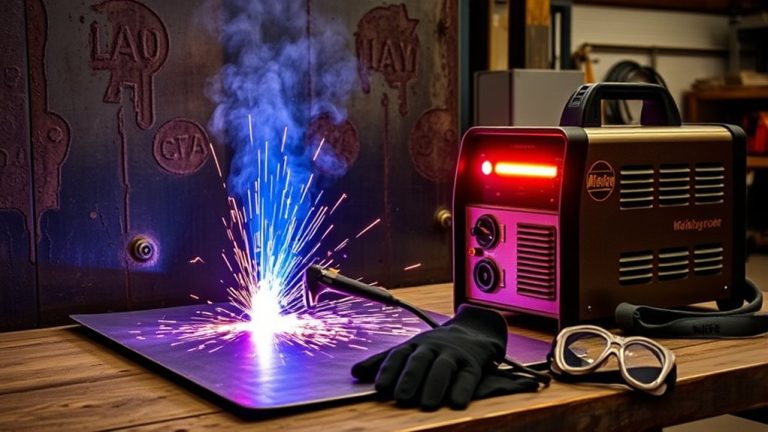
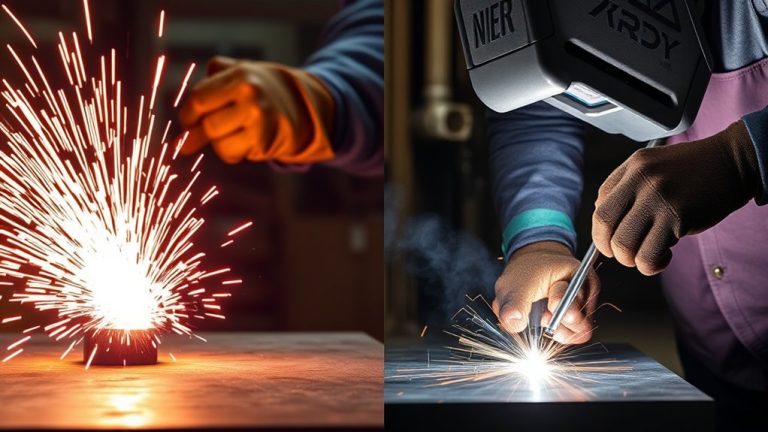
You might wonder if a plasma cutter can double as a welder. Simply put, it cannot. A plasma cutter is designed for precision cutting, not welding. It uses a high-velocity jet of ionized gas to slice through metal. This creates clean cuts, but it leaves behind an oxidized surface that you cannot weld over without proper preparation. Knowing the limits of plasma cutting helps you avoid ruined projects.
Quick Answer
- A plasma cutter cannot weld; it only cuts metal using a high-velocity jet of ionized gas.
- The cutting process leaves behind hardened dross (slag) and an oxidized edge.
- You cannot weld directly over a fresh plasma cut without risking a weak, brittle joint.
- To weld a plasma-cut piece safely, you must thoroughly clean the edges with a grinder or flap disc first.
Understanding Plasma Cutting
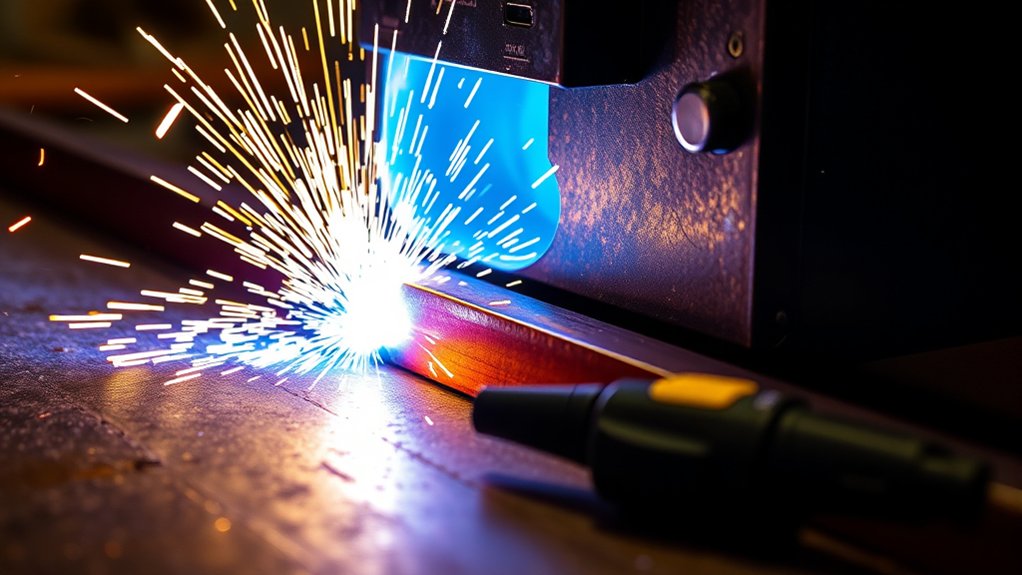
Plasma cutting is a powerful tool in metal fabrication. It uses a high-velocity jet of ionized gas to melt and sever metal. This offers excellent precision and speed across different materials.
With a good plasma cutter, you get the clean cuts needed for detailed designs or heavy-duty brackets. Many modern devices feature built-in air compressors for better portability and convenience.
Achieve clean, intricate cuts with devices like Yes Welder CT 2050, offering portability and convenience through built-in air compressors.
However, the high heat leaves dross and oxidation on the metal edges. You must clean these edges before doing any further metalwork. Many cutters also feature dual voltage capability, meaning they run on both 110V and 220V power supplies.
While plasma cutting excels at material separation, it has strict limitations. If you plan to weld the pieces together later, you have to prep the cut surfaces properly to keep the final joint strong.
Challenges of Welding Over Plasma Cuts
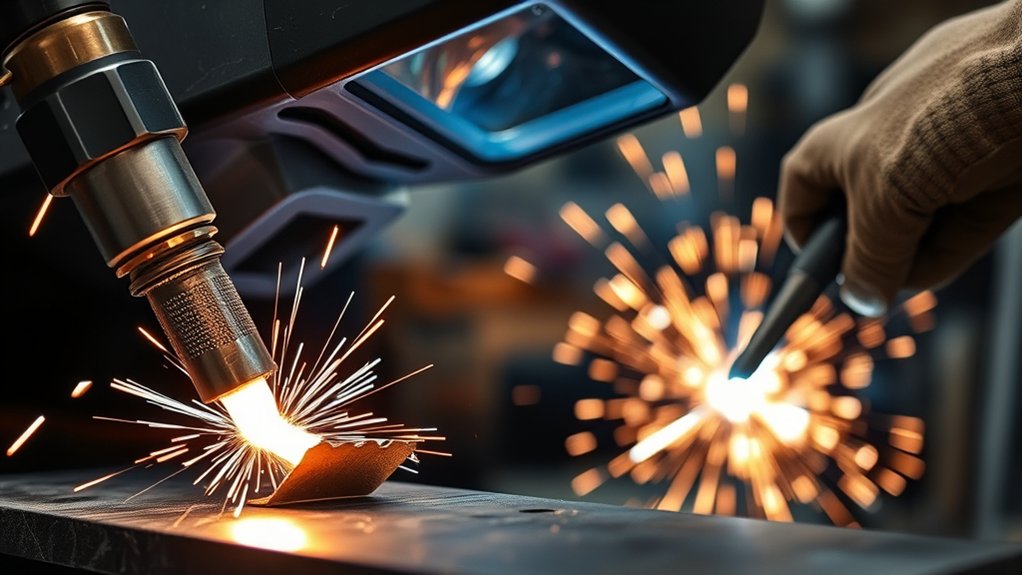
Even though plasma cutting offers precision and speed, taking a freshly cut piece straight to the welding table causes major problems. The main issue is contamination from dross and oxidation, which ruins weld quality.
Both stick and TIG welding struggle with unprepared plasma cut surfaces. If you try to weld over the burnt edge, you will get weak and unattractive joints. The impurities cause inconsistent bead sizes, porosity, and messy spatter.
If you skip surface prep, your welds lose their structural strength. The molten puddle will pop, spit, and fail to penetrate the base metal properly.
You must clean the cut edges by grinding away all dross and dark oxidation. This simple step greatly improves the weld’s strength and makes the puddle much easier to control.
Taking a few extra minutes for surface preparation ensures your final project looks professional and holds together safely.
Surface Preparation for Welding Success
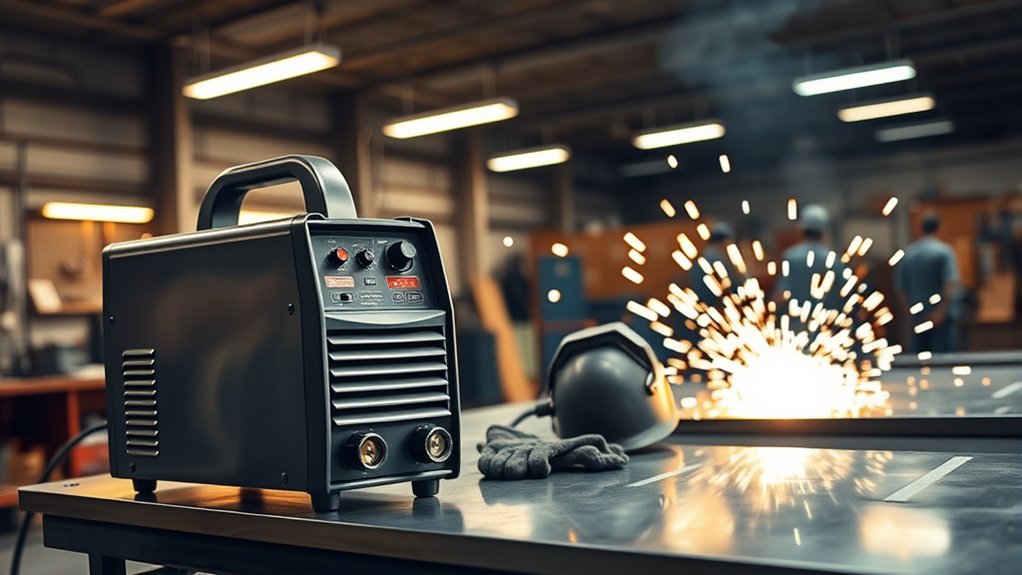
Good welding always starts with thorough surface preparation. Plasma-cut edges hold onto dross and oxidation, both of which destroy weld integrity.
You need to remove these contaminants using a grinding wheel or a flap disc. Taking it down to bare, shiny metal guarantees a clean surface for a strong, consistent joint.
Importance of Clean Surfaces
Welding on dirty metal is a recipe for failure. Surface contaminants like plasma dross create weak, brittle joints that can easily break under stress.
When you clean the metal first, the welding arc stabilizes. A stable arc gives you a smoother puddle and much better control. Grinding away the dark, oxidized layer ensures your final weld is consistent and aesthetically pleasing.
Clean metal makes every welding process easier. Stick welding produces flatter beads, MIG welding spatters less, and TIG welding accepts filler rod smoothly. Proper cleaning directly impacts the strength, appearance, and reliability of your work.
Removing Dross Effectively
Because effective welding relies on a solid foundation, removing dross from plasma-cut edges is mandatory. This hardened slag introduces contamination into the weld pool and blocks proper penetration.
To get the best results, keep these dross removal steps in mind:
- Knock off heavy dross with a chipping hammer or heavy pliers before grinding.
- Use grinding wheels or flap discs to clean the remaining residue from the cut edges.
- Grind away the dark oxidation layer until you see shiny, bare metal.
- Enjoy smoother weld puddles and a more stable arc on the clean surface.
- Achieve consistent bead sizes that improve the joint’s overall strength.
Tools for Metal Cleaning
A clean metal surface requires the right abrasive tools. Effective surface treatment strips away the hardened dross and oxidation that ruin a weld.
Angle grinders paired with grinding wheels and flap discs are the best way to clean plasma-cut edges. They quickly expose the raw steel beneath the burn marks. This prep work directly translates to smoother puddles and better arc control.
Skipping this step causes weak joints and ugly, porous welds. Treating surface prep as a mandatory step in your metalworking process saves time and frustration in the long run.
Comparing Welds: Clean vs. Dirty
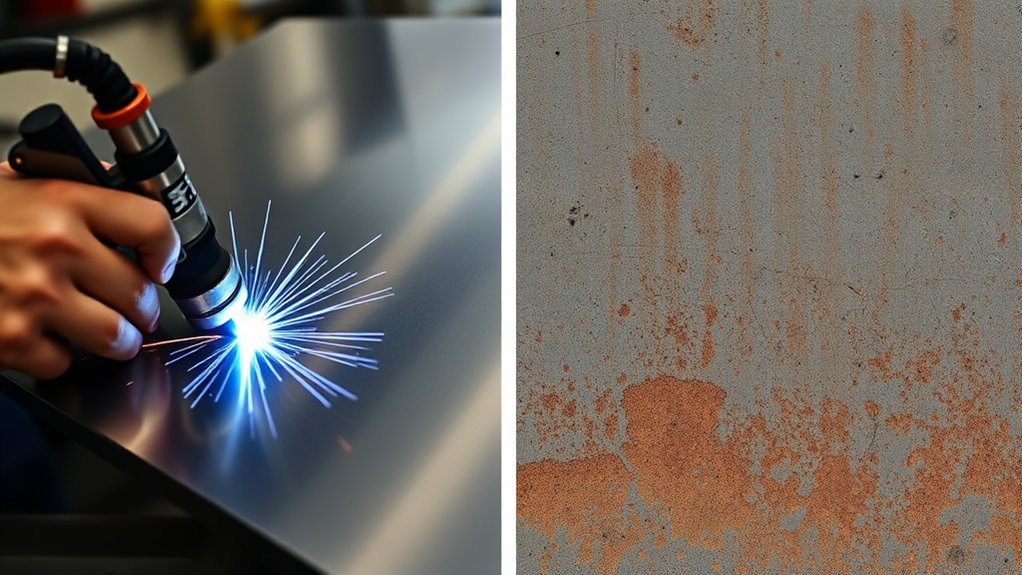
It is always tempting to weld right over a fresh plasma-cut surface to save time. However, this shortcut creates massive problems. The dross and oxidation left behind cause dirty welds that look terrible and break easily.
On the other hand, clean welds on ground surfaces look great and hold firm. Here is how clean and dirty joints compare:
- Contamination: Plasma dross gets trapped in the molten puddle, causing weak, porous joints.
- Bead Consistency: Clean welds lay down flat and even. Dirty welds look lumpy and erratic.
- Arc Control: TIG welding requires perfectly clean metal. Any oxidation will cause the arc to wander and spit.
- Filler Metal: Clean steel melts smoothly with the filler rod. Dirty steel repels it.
- Structural Integrity: Proper grinding removes the risk of hidden defects inside the weld.
Even a forgiving process like stick welding runs much better on clean metal, creating flatter and stronger beads.
Always clean your cuts first to achieve the best weld quality and avoid dangerous structural failures.
Tools for Effective Surface Cleaning
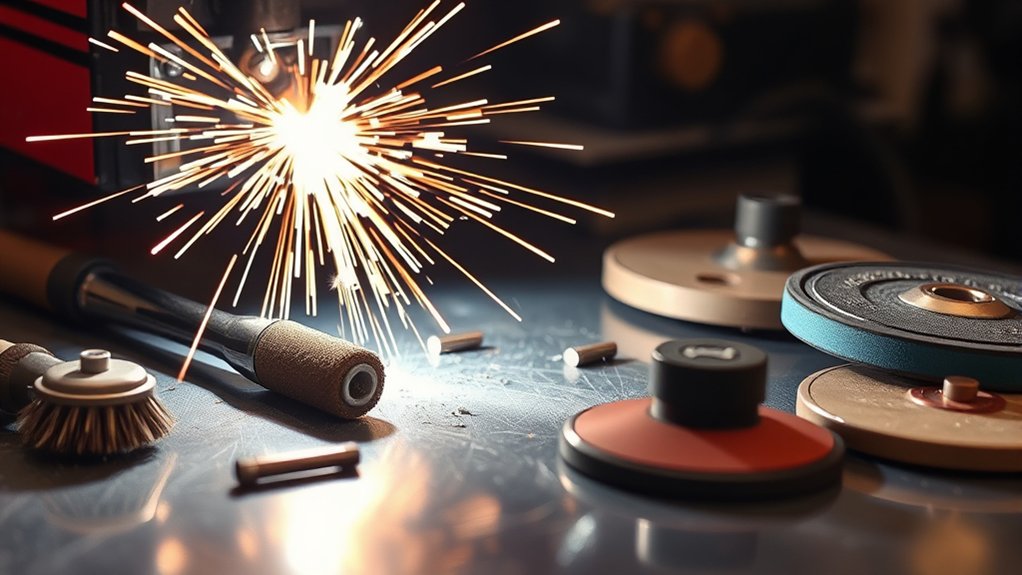
To get the best weld quality on plasma-cut edges, you need the right cleaning tools. The most common choices are hard grinding wheels and abrasive flap discs.
Hard grinding wheels aggressively remove thick dross and heavy oxidation. Flap discs offer a smoother finish and give you more control over how much metal you remove.
Choosing the right abrasive gets you down to clean metal surfaces faster, setting you up for a strong weld.
Grinding Wheels Benefits
Grinding wheels are the fastest way to knock off stubborn dross and thick oxidation from a plasma cut.
Using a hard wheel for initial surface preparation clears away the worst contamination quickly. This prevents the slag from melting into your weld puddle and ruining your arc control.
Here are the main benefits of using hard grinding wheels:
- Aggressive removal: They easily chew through thick, hardened slag.
- Improved weld quality: They strip the metal down to the bare steel needed for a solid joint.
- Better arc control: Bare steel keeps the electrical arc stable.
- Durability: Hard wheels last a long time before needing replacement.
- Speed: They quickly knock down rough edges before you switch to a smoother sanding disc.
Flap Discs Advantages
Flap discs are incredibly versatile for surface cleaning. They combine grinding and sanding into a single step, making them perfect for prepping plasma-cut metal.
A flap disc uses overlapping layers of sandpaper. This design leaves a consistent surface finish and generates less heat, which helps prevent thin sheet metal from warping. You can buy them in different grits, ranging from coarse removal to fine polishing.
Because they are slightly flexible, flap discs conform to curved edges better than hard grinding wheels. Running a flap disc over your cut line creates a clean, smooth surface that welds beautifully.
Cleaning Tools Selection
Picking the right cleaning tools makes the job much easier. Proper cleaning techniques completely remove dross and oxidation for perfect weld quality.
Keep these tools in your shop:
- Grinding wheels: Best for knocking off heavy dross and shaping the metal.
- Flap discs: Perfect for smoothing the edge and polishing down to shiny steel.
- Wire brushes: Good for cleaning light rust or dust, but often not aggressive enough for plasma dross.
- Chipping hammers: Great for snapping off large chunks of dross before grinding.
- Quality abrasives: Invest in durable discs that will not fall apart and contaminate the joint.
Recommendations for Optimal Welding Practices
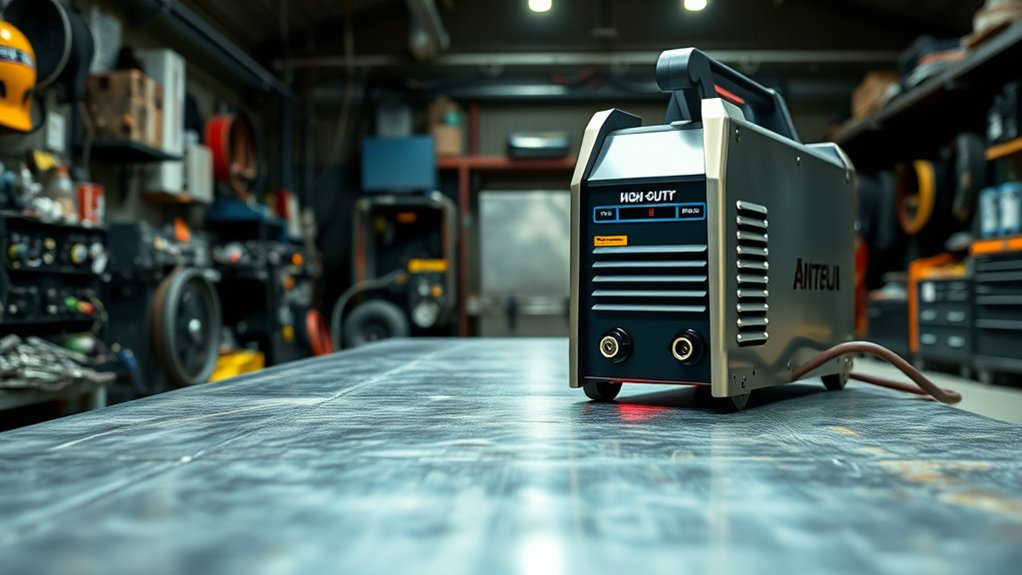
Before you strike an arc on a plasma-cut piece, verify that the edges are thoroughly cleaned. This simple check drastically improves the strength of the joint.
Use your grinder to remove any dross and dark oxidation. Good preparation leads to a stable arc, which makes it much easier to form a clean weld bead.
Different welding processes react differently to dirty metal, but none of them like it. Stick welding on clean metal lays down flat and smooth. If you try sticking over plasma dross, the bead will pile up and trap slag.
TIG welding is even more sensitive. It requires absolutely bare steel so the filler rod can melt smoothly without bubbling or popping.
Always focus on the surface condition first. Plasma cutting is incredibly fast, but you must factor in the time needed for additional preparation before you weld.
Exploring Alternative Cutting Methods
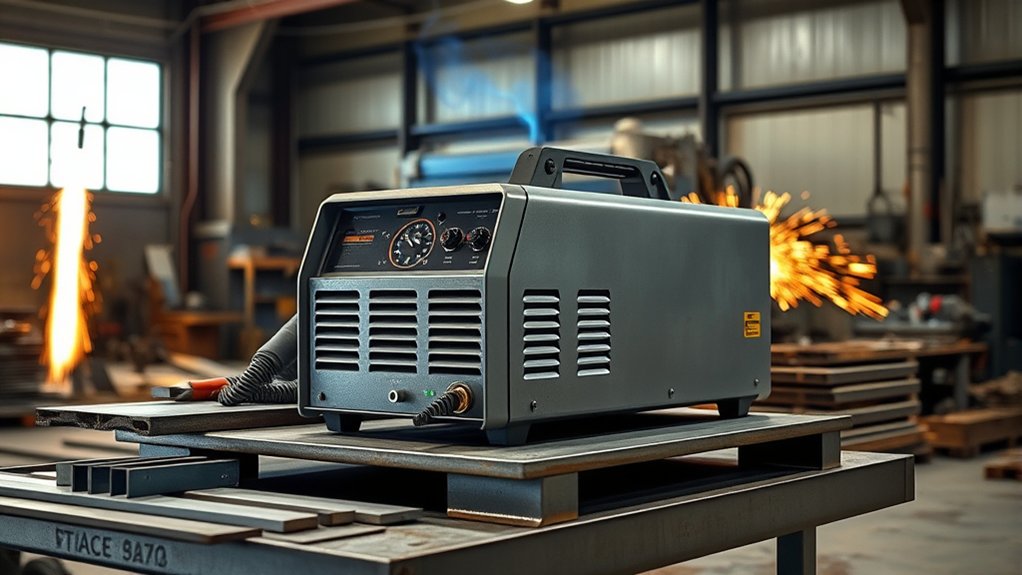
If you want to skip the grinding step, look into alternative cutting methods. Different tools offer better surface finishes and cut down on prep time before welding.
- Oxy-fuel cutting: Can produce edges that require less preparation, though it still leaves a heat-affected zone and some scale.
- Laser cutting: Extremely precise with a very small heat-affected zone. It reduces metal distortion and often requires less prep than plasma cutting.
- Water jet cutting: Uses high-pressure water and abrasives. It leaves a perfectly clean, cold-cut edge that requires almost no cleaning before welding.
- Band saws: A mechanical cut that leaves only minor burrs. You can usually weld these joints immediately after a quick wipe-down.
- Shear machines: Slice sheet metal with a clean, straight edge, allowing for immediate welding.
Choosing a different cutting method balances speed with surface quality. Sometimes, a slower cut saves you hours of grinding later.
Frequently Asked Questions
Can a Plasma Cutter Be Used for Non-Metal Materials?
No, you cannot use a plasma cutter on non-metals like wood or plastic. Plasma cutters require electrically conductive materials, like steel, aluminum, or copper, to complete the arc.
What Safety Gear Is Required When Using a Plasma Cutter?
Always wear a dedicated cutting shield or dark safety glasses (usually shade 5 to 8) to protect your eyes from the intense UV light. You also need heavy leather gloves, flame-resistant clothing, and leather boots to block flying sparks. Keep a fire extinguisher nearby.
How Does Plasma Cutting Affect Metal Thickness?
A plasma cutter does not change the thickness of the metal, but the thickness of the metal dictates the cutter’s settings. You must increase the amperage and slow your travel speed to successfully cut thicker plates.
Is a Special Power Source Needed for a Plasma Cutter?
Most industrial plasma cutters require a 220V power supply and a steady source of compressed air. However, many smaller hobbyist machines offer dual-voltage capability, meaning they can run on standard 110V household outlets for thinner metal.
Can Plasma Cutters Be Used Underwater?
Yes, specialized plasma cutting systems exist for underwater industrial use. However, standard handheld plasma cutters are strictly for dry, above-ground use. Attempting to use a standard shop cutter underwater is extremely dangerous and ineffective.
Conclusion
A plasma cutter is a highly efficient tool for slicing through metal, but it is not a welder. Because the cutting process burns the metal and leaves behind dross, you cannot move straight from the cutting table to the welding table. Taking a few minutes to grind the edges down to bare, shiny steel ensures your final welds will be strong, clean, and structurally sound. Proper preparation turns a rough plasma cut into a perfect joint.