Can a tool that joins metal also cut it cleanly? An arc welder may look close enough to a plasma cutter, but the two tools work in very different ways. This guide explains why a simple conversion is unsafe, what the key differences are, and which cutting methods make more sense for your shop.
Quick Answer
You should not turn a standard arc welder into a plasma cutter. Plasma cutting needs a torch, compressed air or gas, and a power supply built for cutting. Trying to force an arc welder to do that job can damage equipment, create poor cuts, and put you at risk of shock, fire, fumes, and burns.
Key Takeaways
- Use a dedicated plasma cutter when you need clean, controlled metal cuts.
- Do not convert an arc welder unless a qualified technician approves the exact setup.
- Plasma cutters need compressed air or gas, a cutting torch, and the right electrical output.
- Improper equipment use can cause electric shock, fire, burns, fumes, and tool failure.
- Carbon arc cutting can cut metal, but it does not turn a stick welder into a plasma cutter.
Understanding the Fundamentals: Arc Welding vs. Plasma Cutting
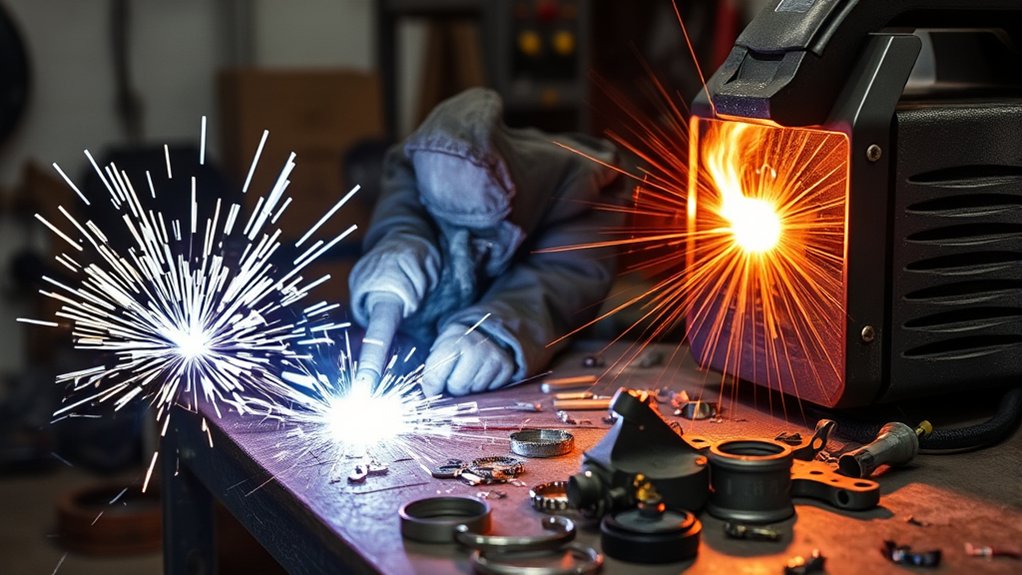
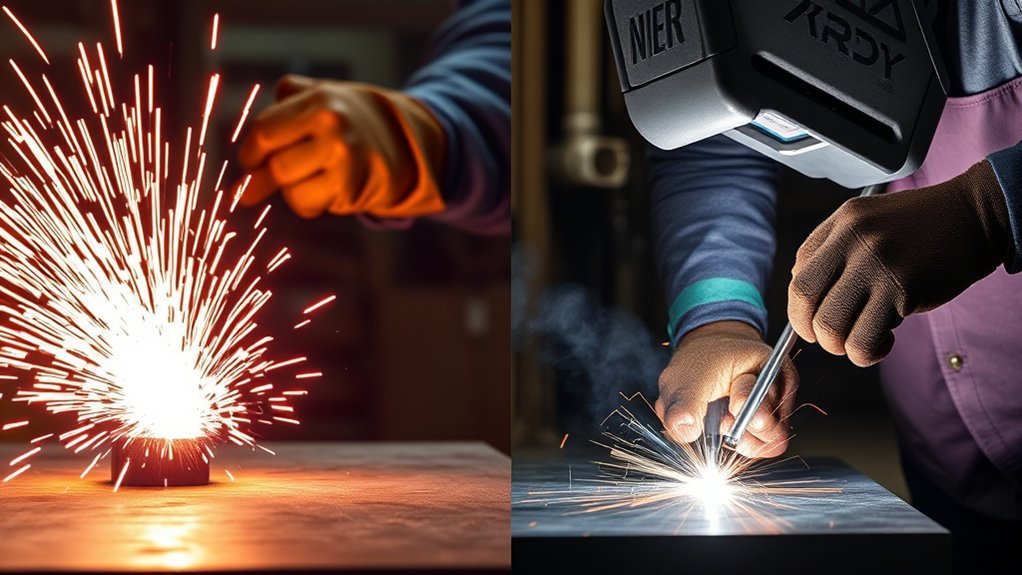
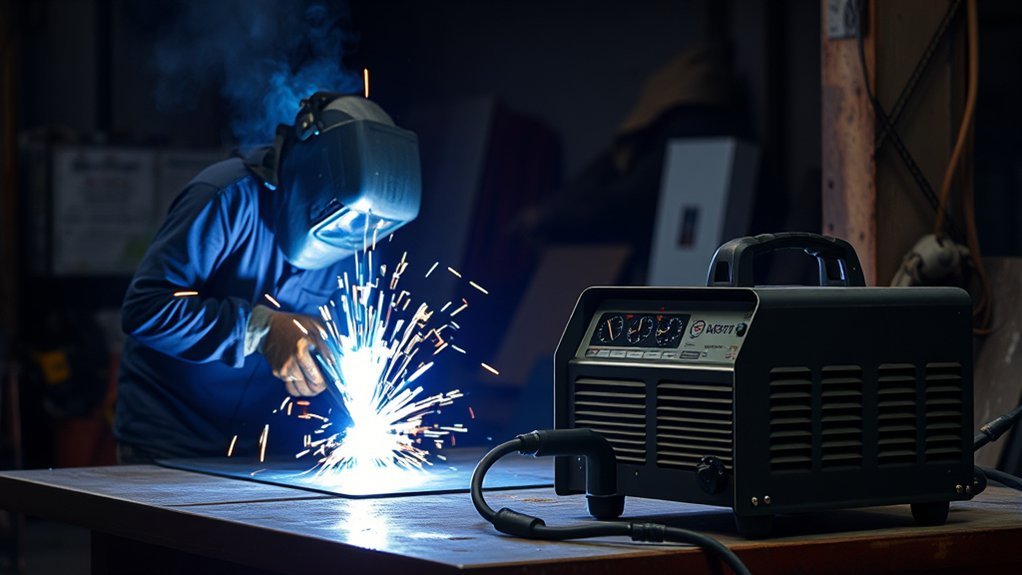
Arc welding and plasma cutting both use electricity, but they do different jobs. Arc welding creates an electric arc that melts metal so you can join two workpieces.
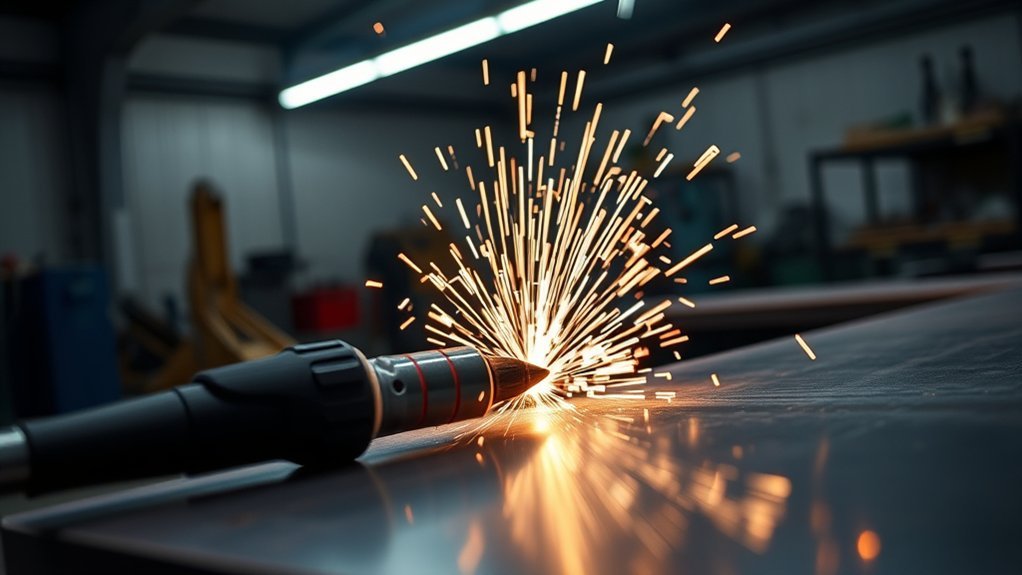
Plasma cutting uses an electric arc and compressed gas to create a hot, focused plasma stream. That stream blows molten metal out of the cut path, which helps it slice through conductive metals.
A plasma cutter needs more than welding current. You also need a cutting torch, a gas or air supply, and a power source designed to start and maintain the cutting arc.
Most arc welders do not provide the right setup for plasma cutting. Some stick welders can support rough carbon arc cutting with the right rods and gear, but that method does not replace a plasma cutter.
Key Differences in Technology and Operation
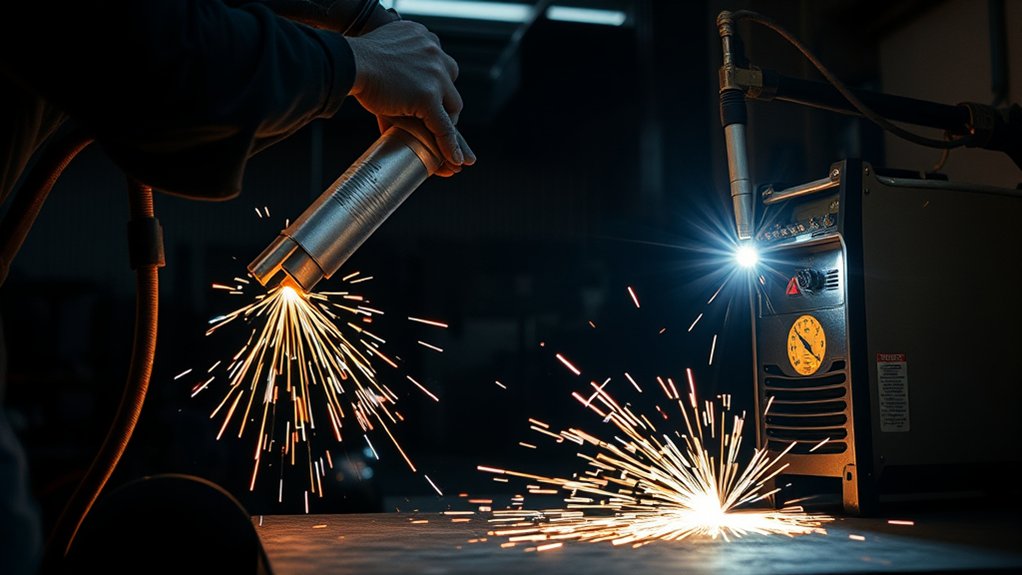
Although arc welders and plasma cutters both shape metal with heat, their parts and output differ. An arc welder focuses heat between an electrode and the workpiece so the metal can fuse.
Arc welding creates heat to join metal, while plasma cutting creates a fast plasma stream to separate metal.
A plasma cutter sends compressed air or gas through a torch. The electric arc ionizes that gas and creates plasma, which reaches very high temperatures and moves fast enough to cut metal.
Plasma cutting also needs a torch nozzle, electrode, ground clamp, and steady air pressure. A basic arc welder does not include those cutting parts.
That difference matters. Without the right torch and air flow, you may only create a messy arc, overheated parts, and unsafe sparks instead of a controlled cut.
Safety Risks and Precautions When Attempting Conversions
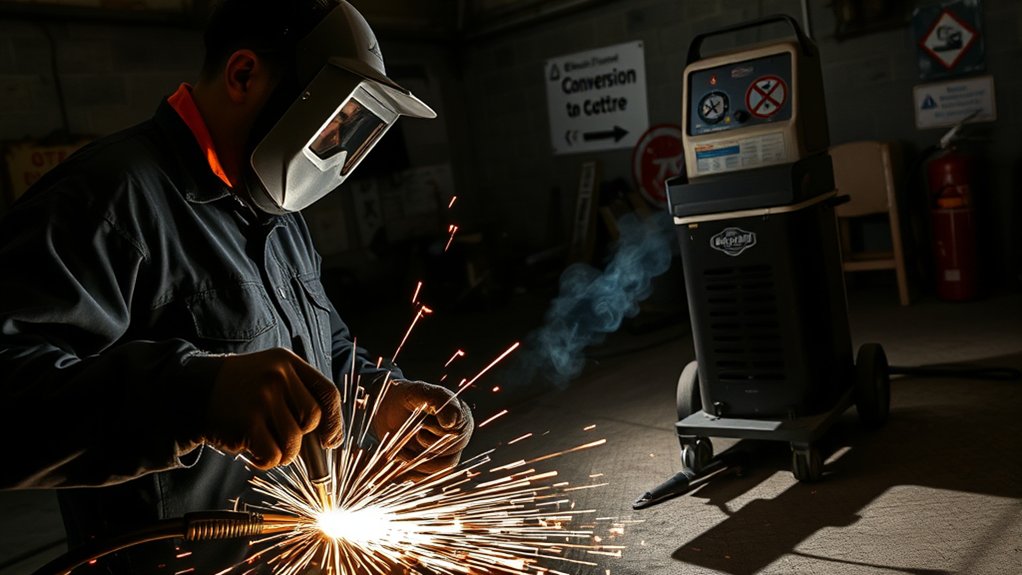
If you’re thinking about converting an arc welder into a plasma cutter, treat the idea as a serious safety risk. A homemade setup can expose you to electric shock, fire hazards, burns, fumes, and tool damage.
Warning: Do not modify welding equipment for plasma cutting unless a qualified technician confirms the design, parts, and electrical ratings.
If you still plan to research a cutting setup, focus on these precautions before you power anything on:
- Understand the process differences: Learn how plasma cutting uses compressed air, torch consumables, and cutting current before you compare equipment.
- Use personal protective equipment (PPE): Wear welding gloves, a rated face shield or helmet, safety glasses, and fire-resistant clothing.
- Work with ventilation: Cut only in a well-ventilated area because painted, galvanized, oily, or dirty metal can release harmful fumes.
- Keep fire risks away: Remove flammable materials from the work area and keep a suitable fire extinguisher close.
Evaluating the Feasibility and Cost-Effectiveness
Converting an arc welder into a plasma cutter may sound cheap, but the real cost adds up fast. You would still need a cutting torch, air supply, consumables, controls, and a safe way to match the electrical output.
Many arc welders lack the right open-circuit voltage, air control, and arc-starting design for plasma cutting. Those limits can make the project unsafe before you even make a cut.
A dedicated plasma cutter often makes more sense because the parts already work together. Many entry-level machines also include clear limits for input power, air pressure, cut thickness, and duty cycle.
The cheaper option is not always the safer option. A poor conversion can ruin a welder, waste consumables, and leave you with rough cuts that need extra grinding.
Potential Hazards of Improper Equipment Use
Improper equipment use can turn a simple cutting job into a dangerous one. Welding and cutting both create intense heat, bright light, sparks, and electrical risk.
Equipment that works well for welding can still fail when you force it into a cutting role.
Watch for these hazards before you attempt any metal-cutting setup:
- Electric shock and fire risks: Poor wiring, wrong voltage, or damaged leads can shock you or start a fire.
- Overheating and equipment damage: Bad air flow, wrong torch parts, or overworked power supplies can overheat the machine.
- Hazardous fumes and sparks: Dirty, coated, or galvanized metal can release fumes, while sparks can ignite nearby material.
You can reduce these risks by using the right machine, checking the manual, and keeping the work area clean. If you do not know the rating or purpose of a part, do not use it.
The Importance of Proper Equipment for Quality Work
The right tool gives you cleaner cuts, safer work, and less cleanup. A dedicated plasma cutter controls the arc, gas flow, torch parts, and output for cutting rather than joining metal.
Clean cuts also help when you weld the pieces afterward. Less slag, less distortion, and straighter edges can save you time during fit-up and grinding.
Surface prep still matters. Remove paint, rust, oil, and coatings when possible because contamination can weaken later welds and increase fumes.
Pro tip: Match the plasma cutter’s rated cut thickness to your usual material, not just the thickest metal it can sever once.
Recommendations for Safe and Effective Cutting Methods
For safe and effective cutting, choose a method built for the metal and cut quality you need. Plasma cutting works well for many conductive metals, including steel, stainless steel, aluminum, brass, and copper.
Plasma cutting requires purpose-built equipment to reduce fire risk and improve cut quality.
Use these practices before and during cutting:
- Choose dedicated equipment: Buy or rent a plasma cutter that matches your power supply, air source, and material thickness.
- Maintain the machine: Check leads, ground clamps, hoses, filters, torch parts, and consumables before each job.
- Prepare the metal: Clean the cut area so dirt, coatings, and oil do not affect cut quality or fume risk.
- Follow the manual: Set air pressure, amperage, travel speed, and standoff distance within the manufacturer’s limits.
Products Worth Considering
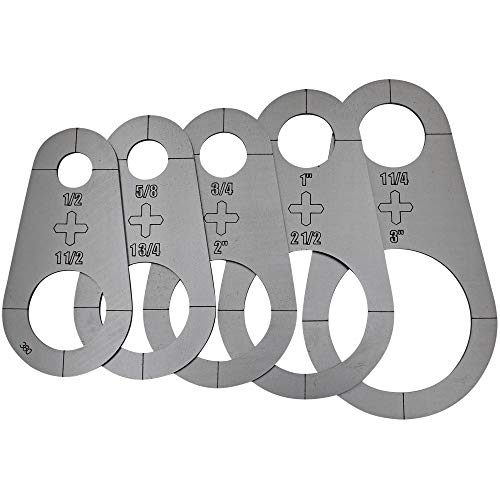
Use the chart in the pictures to find your plasma cutter and drag shield diameter.


Fit for: AG-60 AG-60P SG-55 WSD-60 Plasma cutter torch head
What Can You Use Instead of a Plasma Cutter?
You still have several safe cutting options if you do not own a plasma cutter. The best choice depends on the metal type, thickness, budget, and cut quality you need.
- Angle grinder: Good for short cuts, trimming, and cleanup on many shop projects.
- Oxy-fuel torch: Useful for cutting carbon steel, but it does not work well on aluminum or stainless steel.
- Metal-cutting saw: Good for straight cuts in tubing, bar stock, and sheet when you need control.
- Dedicated plasma cutter: Best when you need fast, clean cuts on conductive metals.
Products Worth Considering

Super Power : Equipped with a 4 Amps motor along with a 500 W maximum power output, the unique power output of this 4-1/2 angle grinder can produce a no-load speed of 11000 RPM, giving it fast cutting and grinding capacity
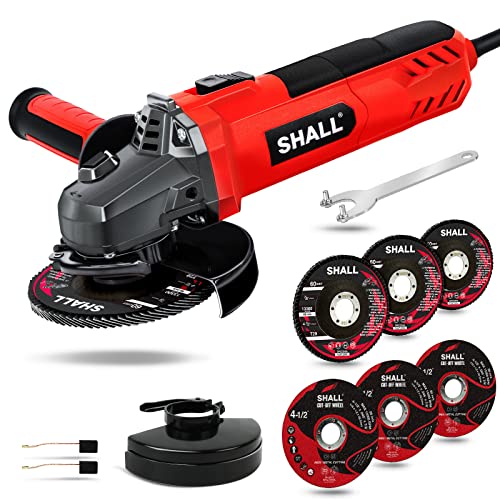
Note: There are 3 cutting discs wrapped in the clear plastic film, pls tear off the film to take them out.

Frequently Asked Questions
Can Arc Welders Be Modified for Plasma Cutting?
You should not directly modify a standard arc welder for plasma cutting. The two tools use different torch designs, air requirements, and electrical controls.
What Materials Can Plasma Cutters Handle?
Plasma cutters handle many electrically conductive metals. Common examples include mild steel, stainless steel, aluminum, brass, and copper.
How Does Plasma Cutting Affect Metal Thickness?
Metal thickness affects cut speed, amperage, and edge quality. Thicker metal usually needs more power, slower travel speed, and a cutter rated for that thickness.
Are There Dual-Function Welders and Cutters Available?
Yes, some multi-process machines combine welding and plasma cutting functions. Check the specifications closely because each function still needs the right leads, torch, consumables, air supply, and duty cycle.
What Is the Cost of a Basic Plasma Cutter?
Basic plasma cutter prices vary by brand, amperage, duty cycle, input voltage, and included features. Compare the rated clean cut thickness, air requirements, consumable cost, and warranty before you buy.
Conclusion
A standard arc welder is not a safe or practical substitute for a plasma cutter. Choose equipment that was designed for cutting, and match it to your material, power supply, and air source.
If you only cut metal now and then, renting or borrowing a dedicated plasma cutter may make more sense than modifying welding gear. With the right tool and safe setup, you’ll get cleaner cuts and protect both your equipment and yourself.