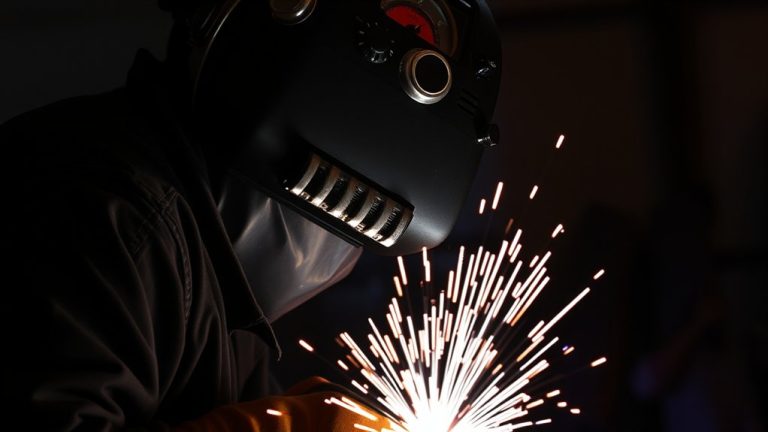
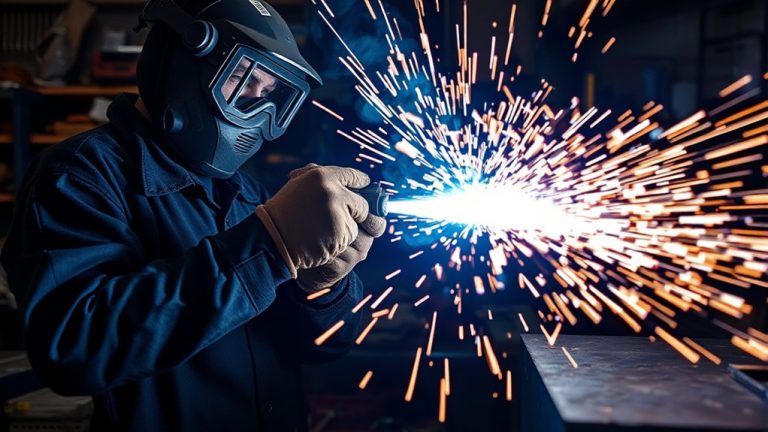
Many people aren’t aware that a plasma cutter can emit intense ultraviolet (UV) light, similar to welding arcs, which can cause flash burns if proper precautions aren’t taken. These burns, affecting primarily the eyes, can lead to painful conditions like corneal inflammation. Recognizing the symptoms, such as light sensitivity and blurred vision, is vital for timely intervention. Understanding how to effectively prevent flash burns is essential for maintaining safety during plasma cutting tasks.
Understanding Flash Burns From Plasma Cutters
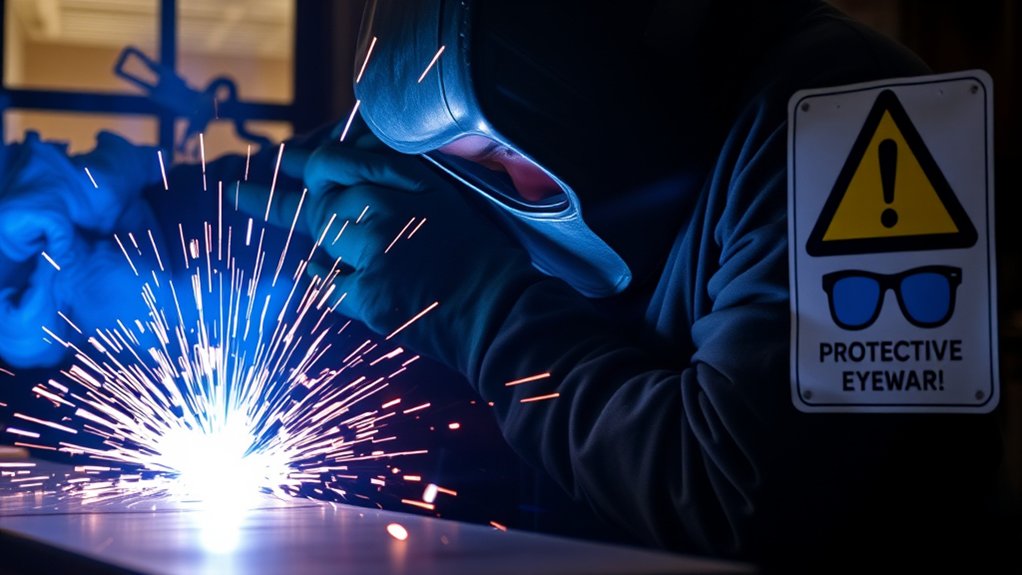
When you’re working with plasma cutters, understanding the risk of flash burns is vital for maintaining eye safety. These burns result from the intense ultraviolet (UV) light emitted during the cutting process. This UV exposure inflames the cornea, akin to welding flash burns, and can lead to considerable discomfort.
To prevent flash burns, wearing protective eyewear, like goggles or face shields with proper UV filters, is essential. Plasma cutters generate a powerful UV light that, without protection, can harm your eyes within seconds. Even brief exposure can lead to severe consequences, so never underestimate the importance of eye protection.
Awareness of these risks and strict adherence to safety protocols greatly reduce flash burn incidents. By understanding the potential hazards, you can take proactive steps to protect yourself.
Common Symptoms of Flash Burns
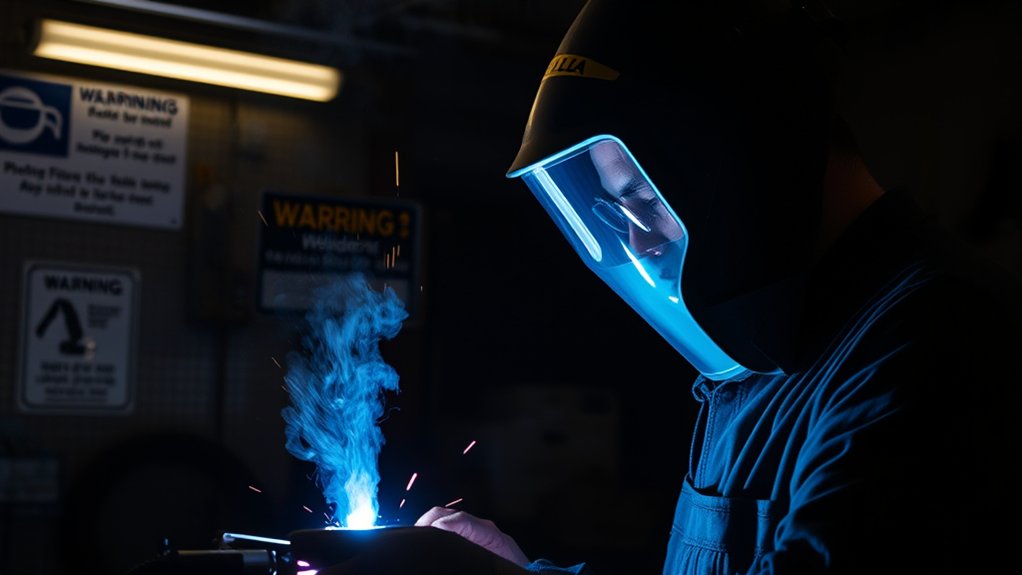
If you’re exposed to the intense UV light from a plasma cutter, you might find yourself experiencing a range of uncomfortable symptoms associated with flash burns.
Typically, these symptoms appear hours after exposure and include painful corneal inflammation. You may notice light sensitivity (photophobia), bloodshot and watery eyes, blurred vision, and a gritty sensation, as if something’s in your eye. The severity of pain can vary and is often linked to the extent of corneal irritation.
Symptoms like photophobia, watery eyes, and gritty sensation often indicate painful corneal inflammation after UV exposure.
Effective symptom management is vital for a smooth recovery timeline. While symptoms generally resolve within one to two days without leading to scarring if treated properly, neglecting them can result in serious infections and even potential vision loss.
It’s important to seek immediate evaluation from a healthcare professional if symptoms persist. Prompt intervention can prevent complications, ensuring that your eyes heal correctly and maintain their crucial function.
Causes and Risk Factors of Plasma Cutter Flash Burns
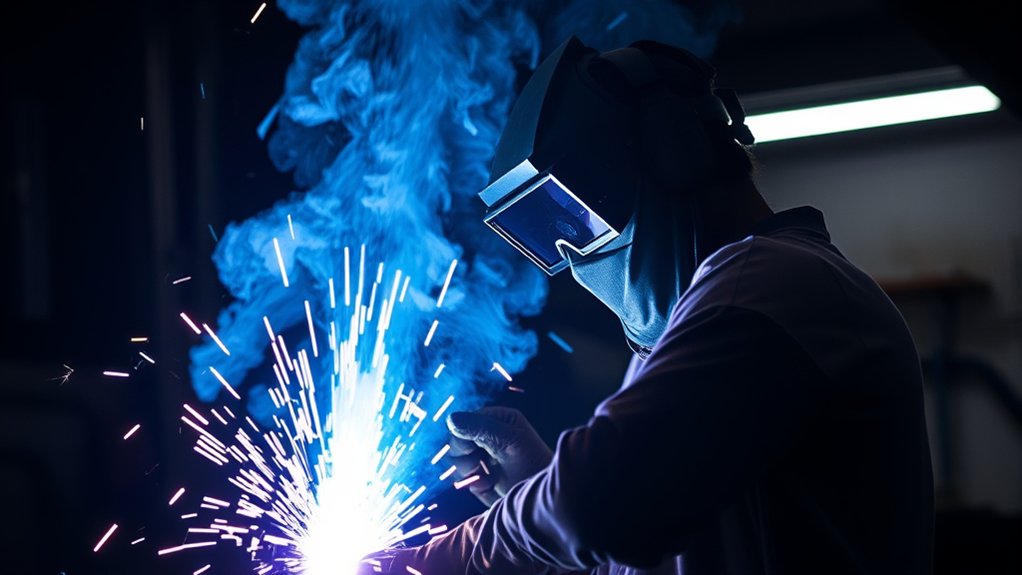
Though often overlooked, the intense ultraviolet (UV) light emitted by plasma cutters poses a significant risk for flash burns, akin to those experienced by welders. The plasma arc generates high-energy UV exposure, which can cause photokeratitis if you don’t use proper eye protection. This condition results in pain, redness, and sensitivity to light.
| Risk Factor | Description | Prevention |
|---|---|---|
| Lack of Eye Protection | Not wearing UV-filtering goggles or helmets. | Use certified protective gear. |
| Reflective Surfaces | UV rays reflecting off metal or water. | Cover reflective surfaces or adjust positioning. |
| Inadequate Training | Insufficient knowledge of safety protocols. | Undergo thorough training. |
| Prolonged Exposure | Extended time near active plasma cutting. | Limit exposure duration and take breaks. |
| Improper Equipment | Using tools not designed for UV protection. | Verify equipment meets safety standards. |
Ignoring safety measures not only increases your risk but can also lead to long-term eye damage. Prioritize safety to protect your vision.
Diagnosing Flash Burns in the Eyes

When you suspect a flash burn from a plasma cutter, it’s crucial to conduct a thorough eye examination promptly.
An eye care professional will use anesthetic drops to ease discomfort and apply an orange dye to your eyes, which reveals corneal damage under blue light.
Eye Examination Process
Diagnosing flash burns in the eyes involves a precise and detailed eye examination to assess potential corneal damage from UV light exposure. Your eye health is paramount, so a detailed visual inspection is essential.
Here’s what to expect during the process:
- Anesthetic Eye Drops: You’ll receive numbing drops to guarantee comfort during the examination.
- Orange Dye Application: A dye highlights corneal damage, revealing affected areas under blue light.
- Symptom Assessment: You’ll discuss your symptoms, focusing on pain intensity, light sensitivity, and blurred vision.
- Follow-Up Review: A review within 24 to 48 hours is scheduled to track healing and manage complications.
These steps guarantee a thorough evaluation, safeguarding your vision and facilitating effective treatment.
Identifying Corneal Damage
To effectively identify corneal damage resulting from flash burns, a thorough eye examination is essential. During this corneal assessment, an eye care professional will first conduct a visual inspection to detect signs of injury.
Anesthetic drops are applied to numb the eyes, guaranteeing a comfortable examination. For a detailed injury evaluation, orange dye is introduced to the eye, highlighting damaged areas under blue light. This technique allows for a clearer assessment of the cornea’s condition.
Symptoms like pain, light sensitivity, and blurred vision guide specialists in diagnosing the extent of flash burns. Identifying these issues early is critical to preventing complications, such as infections or permanent vision loss.
Prompt intervention guarantees that the eyes receive the care they need, safeguarding your vision.
Effective Treatments for Plasma Cutter Flash Burns
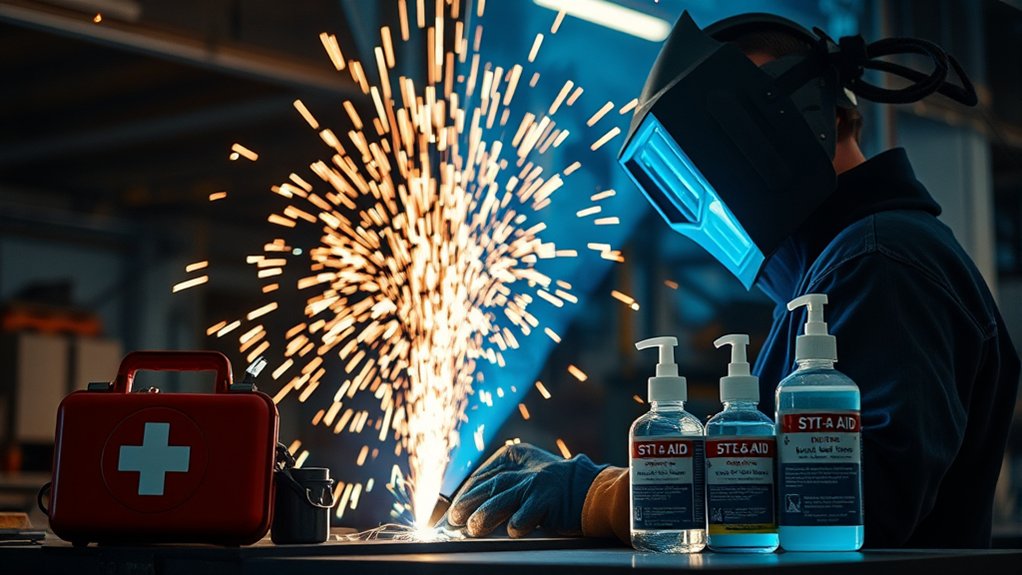
Although plasma cutter flash burns can be painful, effective treatments are available to alleviate symptoms and promote healing. By employing home remedies and healing techniques, you can manage discomfort and encourage recovery. Here’s a detailed plan:
- Cold Compresses: Apply cold compresses or ice packs to your eyes to reduce pain and inflammation. Verify the compress is clean to avoid infection.
- Lubricating Eye Drops: Use over-the-counter lubricating eye drops to combat dryness and irritation caused by flash burns. They’re essential for soothing your eyes.
- Antibiotic Eye Drops: If symptoms persist or worsen, applying antibiotic eye drops can prevent potential infections. Consult a healthcare provider if you need these.
- Pain Relievers: Take pain relievers like ibuprofen or acetaminophen to manage discomfort. They help reduce inflammation and provide relief.
Preventive Measures for Avoiding Flash Burns
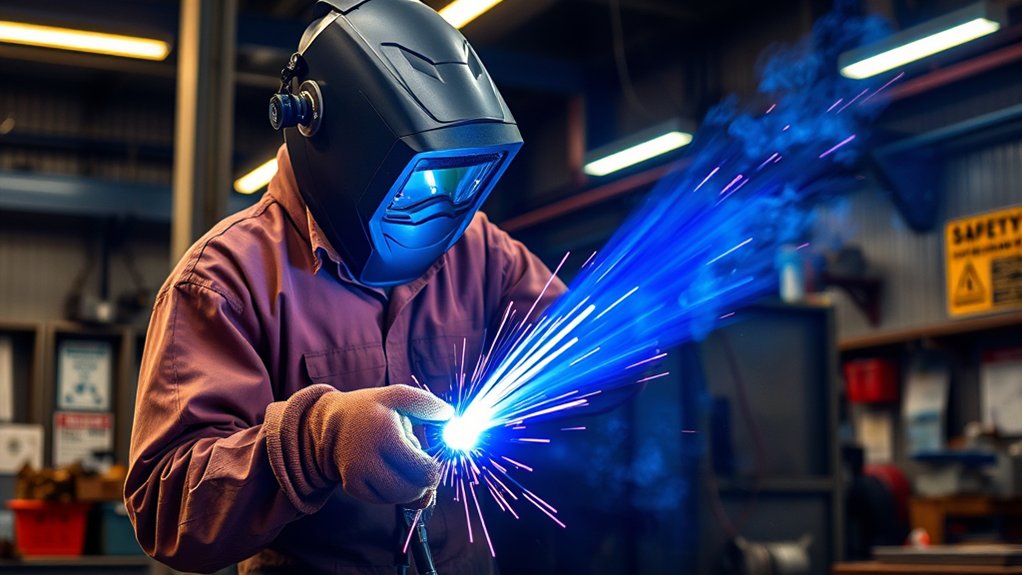
To effectively prevent flash burns while using a plasma cutter, prioritize wearing UV-protective eyewear specifically designed for this task, as it shields your eyes from harmful radiation.
Confirm your safety gear includes a welding helmet with a proper filter and meets industry safety standards.
Additionally, maintaining and regularly inspecting your personal protective equipment (PPE) is essential for guaranteeing ongoing protection against intense UV light and sparks.
Protective Eyewear Importance
When working with plasma cutters, understanding the critical role of protective eyewear is essential for your safety.
Proper goggle selection and suitable lens materials are key to shielding your eyes from UV and infrared radiation. Verify your eyewear complies with Australian Standards. This prevents flash burn and photokeratitis from exposure to intense light.
Consider these critical factors:
- UV Filters: Choose goggles with effective UV filters to protect against harmful rays.
- Fit and Coverage: Verify goggles fully cover your eyes, fitting snugly to block UV light from entering around the edges.
- Inspection: Regularly check eyewear for scratches or damages that might compromise safety.
- Risk Awareness: Stay informed about the risks of plasma cutting and prioritize wearing protective eyewear to reduce injury risks.
Safety Gear Usage
Equipping yourself with the right safety gear is essential when working with plasma cutters to prevent flash burns. Always wear safety goggles designed for plasma cutting that meet UV protection standards. A welding helmet with an appropriate filter shade will shield your eyes from intense light. Use face shields and protective clothing to guard against sparks and heat, considerably reducing the risk of flash burns and thermal injuries.
Ensure your work area is well-lit with indirect lighting to minimize glare. Regularly inspect and maintain your gear for any damage, as compromised equipment can lead to injuries.
| Safety Gear | Purpose |
|---|---|
| Safety Goggles | UV Protection |
| Welding Helmet | Eye Shielding |
| Face Shields | Spark and Heat Protection |
| Protective Clothing | Thermal Injury Reduction |
| Indirect Lighting | Glare Minimization |
Protective Equipment for Plasma Cutter Safety
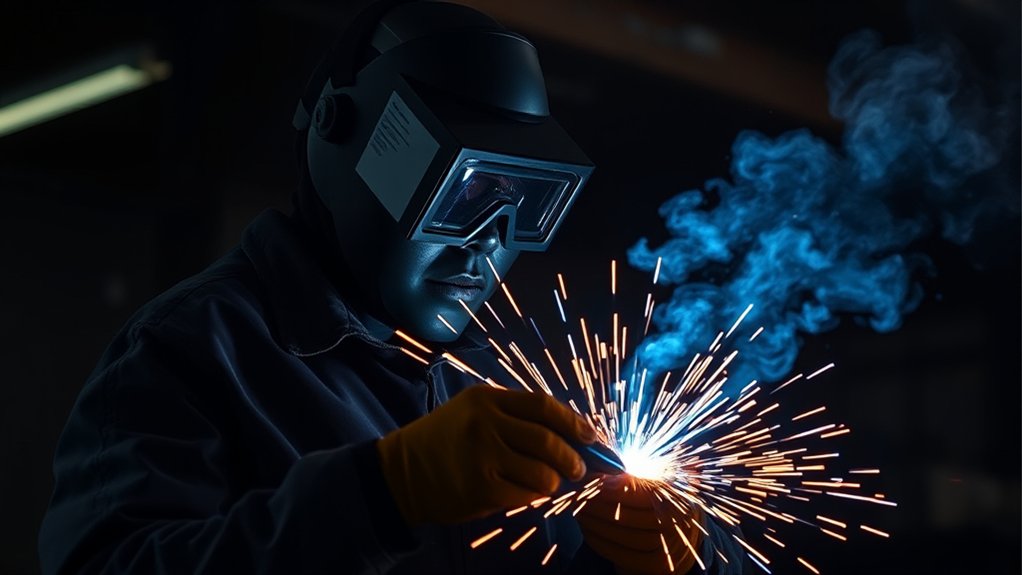
Guaranteeing safety while using a plasma cutter requires a thorough approach to protective equipment. You need to take into account various factors, such as glove types and clothing materials, to effectively protect yourself from potential hazards.
Consider all protective gear details, including gloves and clothing, to ensure safety while using a plasma cutter.
Here’s a detailed breakdown of essential protective gear:
- Welding Helmet: Always wear a helmet with proper UV filters to shield your eyes from intense UV radiation and prevent flash burns. This is non-negotiable for eye safety.
- Safety Goggles: Use goggles that meet Australian Standards, guaranteeing full eye coverage to block harmful light and debris. This adds an extra layer of protection beneath your helmet.
- Flame-Resistant Clothing: Choose long sleeves and pants made from flame-resistant materials to protect your skin from sparks and heat exposure. This minimizes the risk of burns.
- Heat-Resistant Gloves: Opt for gloves constructed from materials like leather or Kevlar to protect your hands from hot surfaces and molten metal.
Proper fit and maintenance of all PPE are vital to guarantee peak safety.
Frequently Asked Questions
How Long Does It Take for Flash Burn Symptoms to Appear?
Flash burn symptoms typically appear within 3 to 12 hours after exposure. Your symptom timeline depends on exposure duration and intensity. To mitigate risks, guarantee proper protective gear and limit exposure time for enhanced safety.
Can Flash Burns From Plasma Cutters Cause Permanent Damage?
Flash burns from plasma cutters can indeed cause permanent damage, much like staring at the sun too long harms your eyes. You’re risking long-term vision impairment, so always prioritize safety and wear proper eye protection.
Are Certain People More Susceptible to Flash Burns?
Yes, you’re more susceptible to flash burns if you have higher skin sensitivity or age-related factors affecting skin resilience. Always prioritize safety by wearing protective gear and minimizing exposure to prevent potential skin damage effectively.
How Does Plasma Cutter Flash Compare to Other Welding Processes?
Plasma cutting flash can be as intense as arc welding, requiring stringent welding safety measures. Wear protective gear like helmets and goggles to shield against harmful UV radiation, preventing flash burns just as you would in other welding processes.
Can Indirect Exposure to Plasma Cutting Cause Flash Burns?
Indirect exposure can indeed cause flash burns. Prioritize proper protective practices by positioning barriers, wearing goggles, and staying shielded. Implementing these safety measures effectively minimizes risks, ensuring enhanced protection against the harmful impacts of plasma cutting processes.
Conclusion
You’ve now revealed the secrets to avoiding the dreaded plasma cutter flash burn—a menace that can leave you wincing in agony from even the briefest exposure. By donning impenetrable UV-protective gear and adhering to rigorous safety protocols, you’re practically donning a superhero cape against this invisible foe. Keep your safety equipment in top condition, and you’ll be the master of plasma cutting, effortlessly sidestepping the fiery wrath of flash burns with every slice.