Plasma Cutting Eye Protection: Goggles vs Helmets
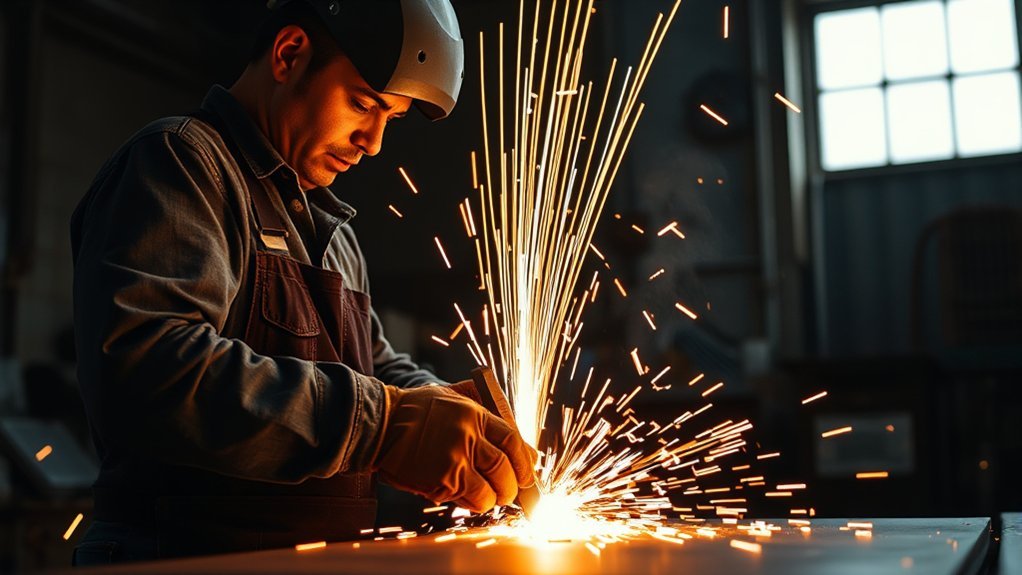
Plasma cutting can hurt your eyes fast if you use the wrong protection. The arc gives off bright light, ultraviolet (UV) radiation, infrared (IR) radiation, sparks, and hot debris. This guide helps you choose between goggles and helmets based on amperage, task length, comfort, and face protection.
Quick Answer
A helmet gives you the safest choice for most plasma cutting because it protects your eyes, face, and skin from light, sparks, and debris. Goggles can work for short, low-amperage cuts, but they don’t protect your full face. For longer cuts or higher amperage, choose a welding helmet or full face shield with the right shade level.
Key Takeaways
- Match your lens shade to the plasma cutter amperage before you start cutting.
- Choose a helmet or full face shield for long cuts, high amperage, or heavy sparks.
- Use goggles only for short, low-risk cutting tasks when your face also has protection.
- Check for ANSI Z87.1+ markings when you buy impact-rated eye protection.
- Replace scratched, cracked, warped, or loose eye protection before your next cut.
Why Proper Eye Protection Matters for Plasma Cutting
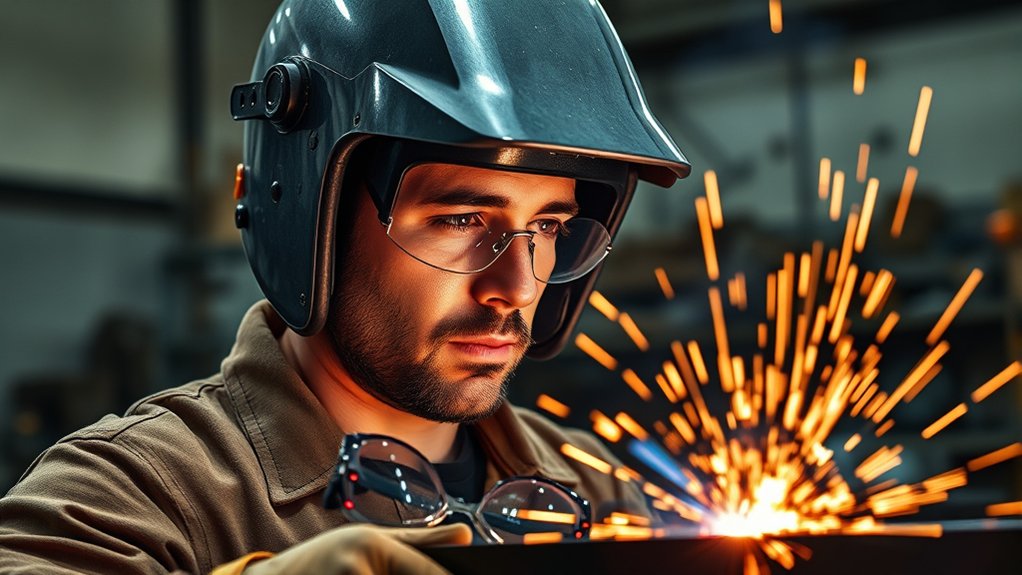
When you use plasma cutting, your eyes face intense light, heat, sparks, and UV and IR radiation. Without the right protection, you can suffer painful eye irritation, burns, or serious injury.
Arc eye can feel like a severe sunburn on the eye surface. You may notice pain, tearing, redness, or light sensitivity after exposure.
Good eye protection blocks harmful light and shields you from flying debris. A full helmet or face shield also protects your cheeks, forehead, and neck better than goggles alone.
Use gear that meets ANSI Z87.1+ impact standards when possible. This marking helps you confirm that the product offers rated impact protection for shop hazards.
Warning: Never look at the plasma arc with bare eyes, even for a quick tack or short cut.
What Shade Number Do You Need for Plasma Cutting?
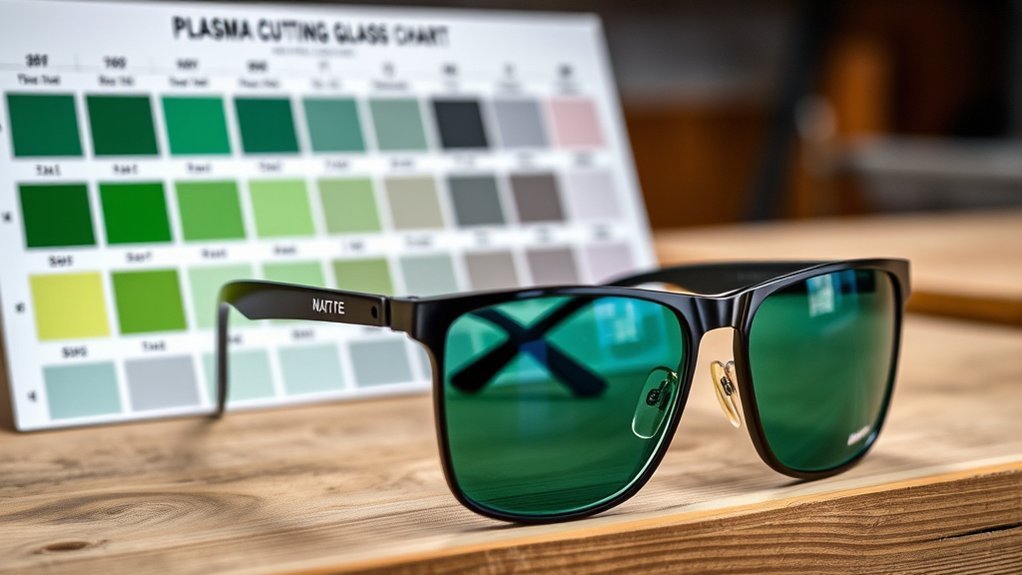
Shade numbers matter because they reduce bright light and radiant energy while still letting you see the cut line. The right shade depends mainly on amperage.
Use the chart below as a practical guide. Always check your plasma cutter manual and the lens maker’s instructions because some tasks need stronger protection.
| Amperage Range | Recommended Shade Number |
|---|---|
| Under 20 amps | 4 |
| 20-40 amps | 5 |
| 40-60 amps | 6 |
| 60-80 amps | 8 |
| Above 80 amps | 10 |
Higher amperage creates brighter light, so you need a darker lens. Cutting above 80 amps often calls for shade 10 protection.
Don’t choose a lens only because it feels easier to see through. A lens that feels bright may expose your eyes to more radiant energy than they can handle.
Goggles vs Helmets for Plasma Cutting Safety
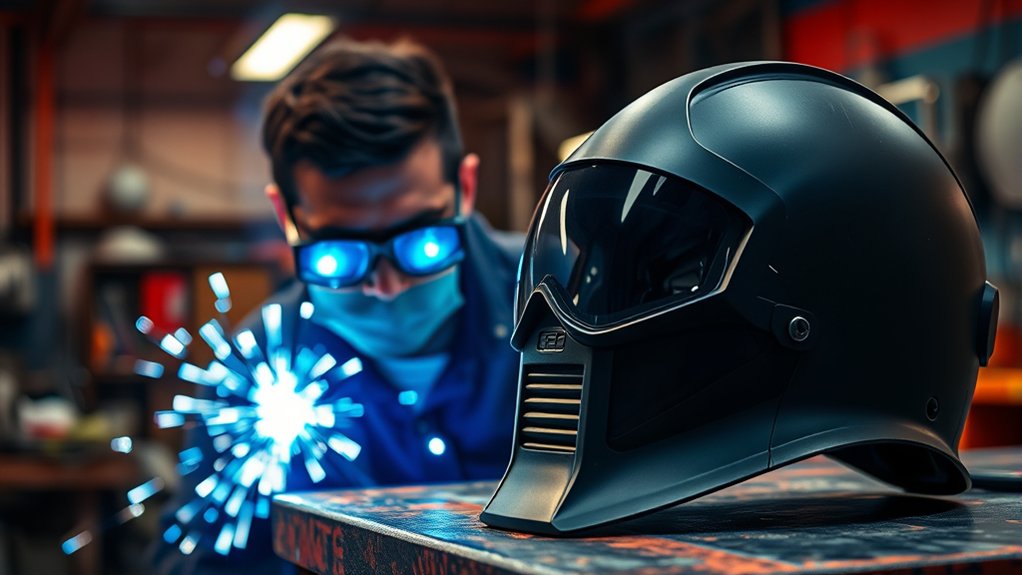
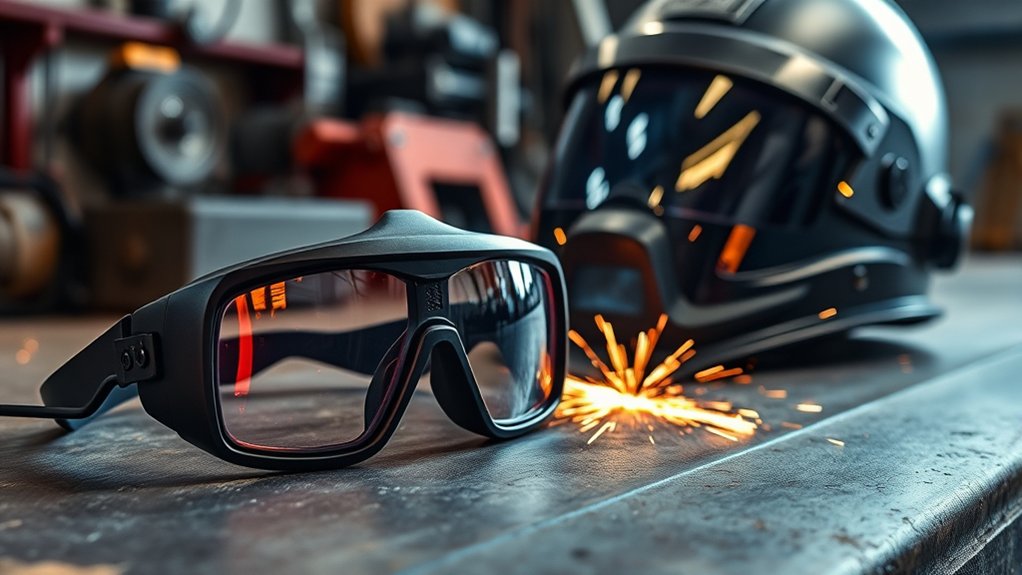
Both goggles and helmets can protect your eyes during plasma cutting, but they don’t protect you in the same way. Helmets usually give you better coverage because they protect your face as well as your eyes.
Quick verdict: Choose goggles for short, low-amperage cuts when sparks stay limited. Choose a helmet for longer work, higher amperage, overhead risk, or any job with heavy debris.
| Feature | Goggles | Helmets |
|---|---|---|
| Coverage | Protects mainly the eyes | Protects eyes and face |
| Best Use | Short, low-amperage cuts | Long, high-amperage, or spark-heavy cuts |
| Weight | Lighter and compact | Heavier but more protective |
| Shade Control | Usually fixed shade | Often fixed or auto-darkening |
| Face Protection | Limited without a face shield | Strong full-face coverage |
Here is the main safety difference:
- Coverage: Helmets protect your face from splatter and debris, while goggles can leave skin exposed.
- Durability and weight: Goggles feel lighter, but helmets often offer stronger protection for long sessions.
- Visibility: Auto-darkening helmets can adjust shade levels, while many goggles use one fixed shade.
- Task fit: Goggles can work for brief tasks, but helmets fit prolonged cutting better.
Always check that your eye protection meets the safety level your task requires. Stronger protection matters more as amperage, sparks, and cutting time increase.
Products Worth Considering
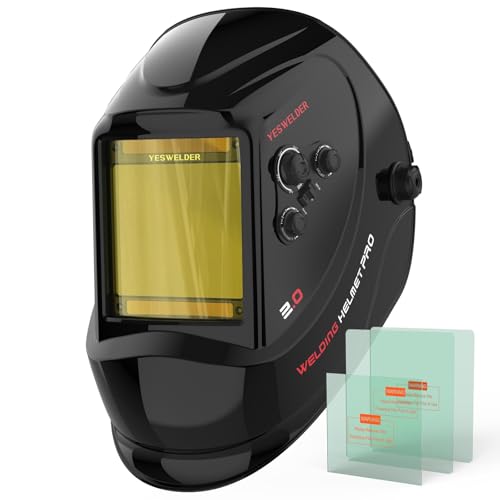
LARGE VIEW WITH TRUE COLOR CLARITY: See more of the weld puddle, joint edges, and work position through a wide 3.93" x 3.66" viewing area. The 1/1/1/1 true-color optical clarity provides a clearer, more natural view than traditional green-tinted lenses, helping support better visibility for detailed welding, fabrication, and garage projects.

True Color Clear View: A 3.64" x 1.67" viewing area with 1/1/1/1 optical clarity delivers a true color view for improved visibility and reduced eye strain.

LED Lighting: Equipped with LED lights, so that you can get plenty of light when welding.
Choose Goggles If Your Cutting Task Is Short and Low Risk
Goggles can make sense when you need light, compact eye protection for a quick cut. They also help when you need a wider field of view and less weight on your head.
Use goggles only when the lens shade matches the amperage and the product blocks UV and IR radiation. Add a face shield if sparks or debris can hit your skin.
Products Worth Considering
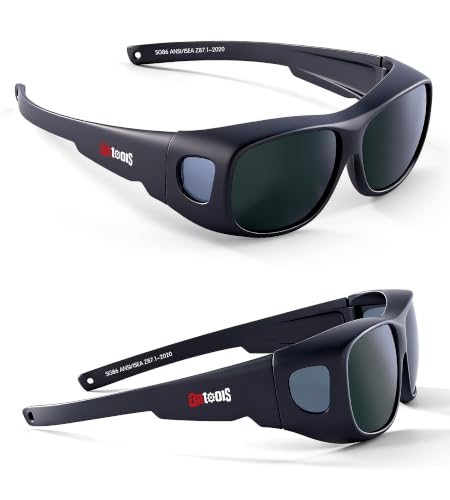
Strong & Durable Design: Thanks to their tough polycarbonate wraparound construction, these anti-fog safety goggles offer superior protection from both direct and peripheral threats.

✔️ LAB GOGGLES CHEMISTRY – PROFESSIONAL EYE PROTECTION – Trusted lab goggles for women in classrooms, workshops, and experiments. Built for teachers, students, and lab professionals.

Mirrored shade 5 lenses
Choose a Helmet If You Need Full-Face Protection
A welding helmet or plasma cutting helmet suits most shop work because it covers more of your face. It helps protect you from sparks, hot metal, glare, and bright arc light.
Choose an auto-darkening helmet if you switch between different amperages or materials. It can help you keep better visibility before, during, and after the cut.
How to Compare Comfort and Versatility
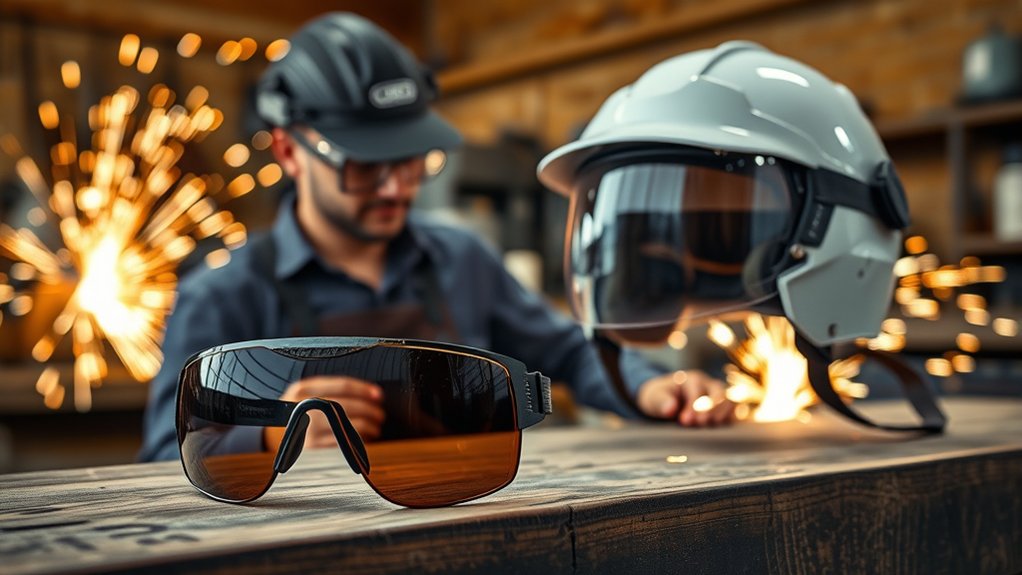
Comfort affects safety because uncomfortable gear can distract you. Choose eye protection that fits snugly without pinching your nose, temples, or forehead.
Goggles with soft-touch temples and anti-fog coatings can feel better for quick work. Welding helmets with auto-darkening features give you more flexibility when light levels change.
Think about your work area, cutting time, amperage, and spark direction. Your safest option should protect you without making the job harder to control.
Comfort in Protective Gear
Comfort matters during plasma cutting because poor fit can lead to poor protection. A loose lens or helmet can let light, sparks, or debris reach your eyes.
Use these points when you compare gear:
- Welding helmets: Choose a balanced helmet with a secure headgear system and full coverage.
- Auto-darkening helmets: Pick adjustable shades if you cut at different amperages.
- Goggles: Choose a tight but comfortable seal that blocks side light and debris.
- Safety glasses: Use them only for low-risk support tasks unless they have the correct shade and rating.
Versatility in Lens Selection
The right lens improves both safety and control. Check the shade number, impact rating, UV protection, IR protection, and scratch resistance before you buy.
Auto-darkening helmets let you adjust shade levels for different cutting conditions and material thicknesses. This flexibility can improve comfort during longer jobs.
For lighter, intermittent work, goggles can offer a simple option. But many goggles lack the shade range and face coverage that helmets provide.
Shade #5 lenses often work for lower-amperage cutting under 40 amps. Higher amperage usually needs a darker shade.
Adaptability for Various Tasks
Your eye protection should match the task, not just the tool. A short bench cut has different risks than a long cut on thick metal.
Compare these options:
- Auto-darkening helmets: Use them for changing amperage, changing materials, and longer sessions.
- Full face shields: Choose flip-up dark lenses when you need to cut and inspect often.
- Shade-rated safety glasses: Use them for short, low-risk tasks when they meet the needed shade level.
- Goggles: Pick impact-rated models with UV and IR protection for brief cuts.
Choose gear based on your cutting environment, comfort needs, and protection level.
Recommended Protection for Different Cutting Conditions
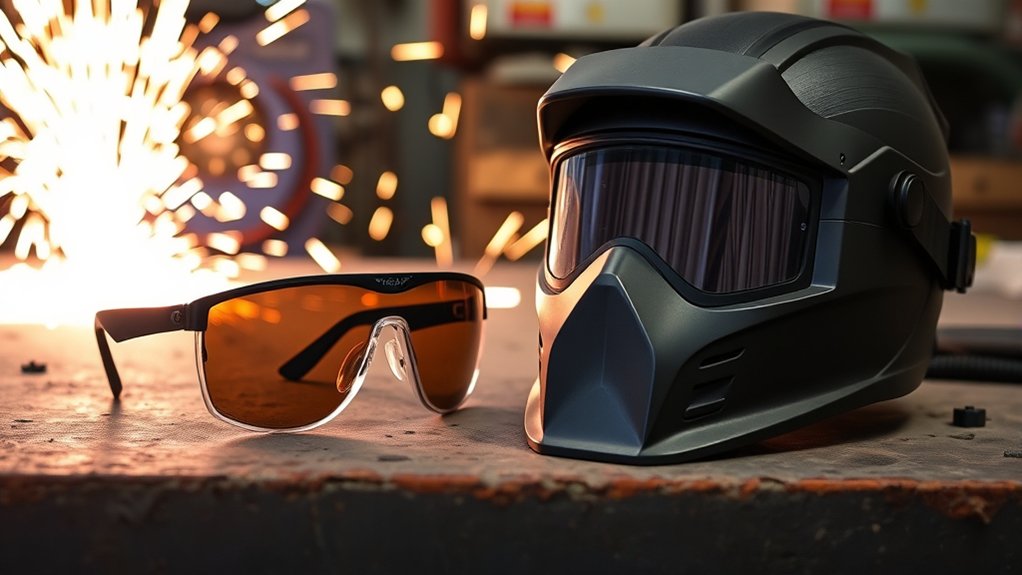
Good eye protection depends on the plasma cutting conditions. Match your lens shade and face coverage to amperage, spark level, and work time.
For work under 40 amps, shade #5 safety glasses or goggles may work when the task stays short and controlled. For 40-60 amps, use shade #6 lenses to reduce stronger arc light.
Near 80 amps, choose shade #8 lenses. Above 80 amps, a darker shade, such as shade 10, gives stronger protection against bright light.
Long sessions benefit from full face shields or helmets with flip-up or auto-darkening lenses. These options give you better coverage and make inspection easier between cuts.
Pro tip: Keep a clear spare cover lens nearby so scratches don’t force you to finish a cut with poor visibility.
Expert Tips for Selecting the Right Gear
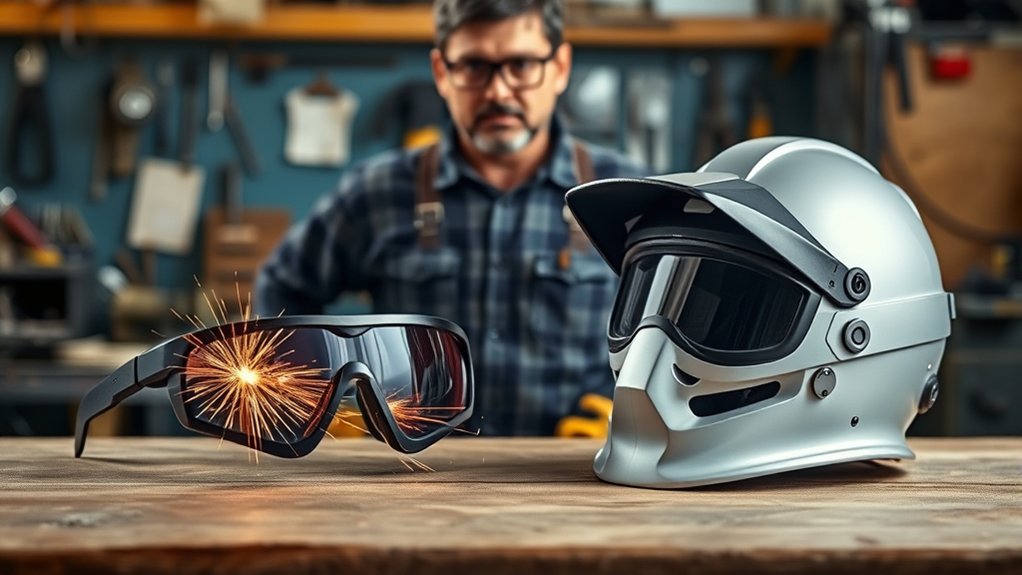
When you choose eye protection for plasma cutting, start with the shade number. Then compare comfort, coverage, visibility, and impact protection.
Prioritize a secure fit. Loose gear can shift while you cut and expose your eyes or face.
Check for ANSI Z87.1+ markings before you rely on any glasses, goggles, shield, or helmet. This marking helps confirm impact-rated protection.
Shade Number Selection
Choosing the right shade number helps protect your eyes while keeping the cut line visible. The correct shade blocks harmful UV and IR radiation without making the work too hard to see.
Use this simple guide:
- Below 20 amps: Use shade number 4.
- 20 to 40 amps: Use shade number 5.
- 40 to 60 amps: Use shade number 6.
- 60 to 80 amps: Use shade number 8.
- Above 80 amps: Use shade number 10.
Auto-darkening helmets give you more flexibility. They let you adjust shades for different amperages and material thicknesses.
Comfort and Visibility
Choose eye protection that gives you a clear view without eye strain. Goggles feel lighter for brief tasks, while helmets work better for long cutting sessions.
Goggles can give you a wider side view. Helmets can reduce glare and protect more of your face.
| Feature | Goggles | Helmets |
|---|---|---|
| Comfort | Lighter for short tasks | Better coverage for long sessions |
| Peripheral Vision | Better side view | More focused view with glare control |
| Shade Adjustment | Usually fixed-shade | Often adjustable or auto-darkening |
Choose gear based on task length, amperage, and how much spark protection you need.
Compliance and Safety
Safety standards help you choose gear that can handle real cutting hazards. Check labels, manuals, and product markings before you use any lens.
Use these tips when you buy or inspect gear:
- Shade level: Use the correct shade for your amperage to reduce harmful light exposure.
- ANSI marking: Choose impact-rated eyewear marked ANSI Z87.1+ when possible.
- Lens condition: Replace scratched or cloudy lenses because they can reduce visibility.
- Face coverage: Choose a full face shield or helmet when sparks, slag, or debris can hit your skin.
Also think about your work area. Tight spaces, reflective metal, and awkward cutting angles can increase your risk.
How to Inspect Eye Protection Before Cutting
A quick inspection can prevent a painful mistake. Check your gear before each cutting session, not after a problem starts.
- Look for cracks, deep scratches, warping, and loose parts.
- Confirm the shade number matches your amperage.
- Check that the lens stays secure in the frame or helmet.
- Clean dust and metal grit from the lens before you cut.
- Test auto-darkening controls before you strike an arc.
If anything feels loose, cloudy, or damaged, replace the part before you continue.
Frequently Asked Questions
Can Prescription Glasses Be Worn Under Goggles or Helmets?
Yes, you can wear prescription glasses under many goggles and helmets. Choose models that leave enough room for your frames without pressure points. Your prescription glasses still need proper shaded eye protection over them.
Are There Specific Brands Recommended for Plasma Cutting Eye Protection?
Many welding safety brands make goggles, shields, and helmets for cutting tasks. Instead of choosing by brand alone, check the shade range, ANSI marking, fit, lens quality, and replacement lens options.
How Should I Maintain and Clean My Eye Protection Gear?
Inspect your eye protection before each use. Clean lenses with a microfiber cloth, mild soap, and water when the maker allows it. Avoid harsh chemicals because they can damage coatings.
Are There Anti-Fog Options Available for Goggles or Helmets?
Yes, many goggles and helmet lenses include anti-fog coatings or vents. Anti-fog features can help when you work in humid areas or wear a respirator. Replace coated lenses when the coating wears down or visibility drops.
What Are the Signs My Eye Protection Needs Replacement?
Replace eye protection when you see cracks, deep scratches, warping, loose parts, or cloudy lenses. Damaged gear can reduce visibility and weaken impact protection. Don’t keep using a lens that makes the cut line hard to see.
Conclusion
The safest plasma cutting eye protection matches your amperage, task length, and spark risk. Goggles can work for quick, low-risk cuts, but a helmet or full face shield protects you better for most cutting jobs.
Before you start, check the shade number, fit, lens condition, and ANSI Z87.1+ marking. Protect your eyes every time, because one careless cut can cause lasting damage.